how to remove tile from shower?
- Sinotiles
- 2026-04-01
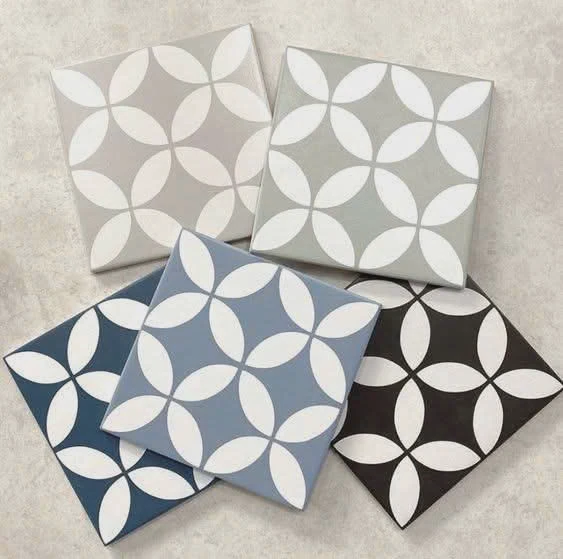
Shower tiles crack, loosen, or look outdated. Many people feel stuck and unsure how to remove them safely without making a mess or causing damage.
Removing shower tiles requires the right tools, careful planning, and step-by-step work to protect walls and plumbing while ensuring a clean surface for new installation.
If the process feels complex, that is normal. With a clear method and some patience, the task becomes manageable and even rewarding.
What tools are needed to remove shower tiles?
Removing tiles without proper tools leads to cracks, injuries, and wasted time. Many people start with random tools and quickly regret it.
The essential tools include a hammer, chisel, pry bar, utility knife, grout saw, safety gear, and optional power tools like a rotary hammer for faster removal.
A successful tile removal job always starts with preparation. The tools used will directly affect speed, safety, and final wall condition.
Basic hand tools
Most tile removal jobs can begin with simple hand tools:
- Hammer: Used to break tiles into smaller pieces
- Cold chisel: Helps lift tiles from the adhesive
- Grout saw or utility knife: Removes grout around tiles
- Putty knife or scraper: Cleans leftover adhesive
These tools are affordable and easy to control. For small bathroom repairs, they are often enough.
Power tools for efficiency
For larger shower areas, hand tools can slow down the process. Power tools help reduce labor:
- Rotary hammer with chisel bit
- Oscillating multi-tool
- Angle grinder (for grout cutting)
These tools speed up removal, but they require careful handling. Too much force can damage the wall behind the tiles.
Safety equipment
Safety is often ignored, but it is critical:
| Safety Item | Purpose |
|---|---|
| Safety goggles | Protect eyes from flying debris |
| Gloves | Prevent cuts and abrasions |
| Dust mask | Avoid inhaling tile dust |
| Ear protection | Reduce noise from power tools |
Tile fragments are sharp. Dust can spread quickly in a small bathroom. Protection is not optional.
Supporting materials
Some extra materials help keep the workspace organized:
- Drop cloth or plastic sheets
- Painter’s tape
- Bucket for debris
- Spray bottle (to reduce dust)
These items make cleanup easier and protect nearby surfaces.
Choosing the right tools is not just about convenience. It directly affects the quality of the final result. Poor tools often lead to damaged walls and extra repair costs.
How do you avoid damaging surrounding areas?
Many people remove tiles only to realize they damaged drywall, pipes, or nearby fixtures. This mistake can double the project cost.
To avoid damage, you should isolate the work area, remove grout carefully, control force, and work slowly around edges and fixtures.

Tile removal is not just about force. It is about control. Each step must protect what stays in place.
Protect nearby surfaces
Before starting, always secure the surrounding area:
- Cover floors with thick cloth or cardboard
- Tape edges of fixtures like bathtubs and faucets
- Remove shower accessories
This step reduces the chance of scratches and cracks.
Remove grout first
Grout holds tiles together. Skipping this step increases the risk of wall damage.
Use a grout saw or oscillating tool to:
- Cut along tile edges
- Separate tiles from each other
- Reduce resistance during removal
This makes tiles easier to remove without pulling large wall sections.
Control your force
Applying too much force is a common mistake.
Instead of hitting tiles randomly:
- Start from a loose or broken tile
- Work from edges inward
- Use light taps instead of heavy strikes
Controlled force helps preserve the substrate behind the tile.
Be careful around plumbing
Shower walls often contain pipes behind tiles. Damage here can be expensive.
Take extra care near:
- Shower valves
- Water outlets
- Corners and joints
Use hand tools instead of power tools in these areas.
Understand wall types
Different wall materials react differently:
| Wall Type | Risk Level | Notes |
|---|---|---|
| Cement board | Low | Strong and durable |
| Drywall | High | Easily damaged |
| Plaster | Medium | Can crack under pressure |
Knowing your wall type helps you adjust your approach.
Avoiding damage is about patience. Rushing leads to broken surfaces, hidden repair costs, and longer project time.
Which steps ensure safe tile removal?
Without a clear process, tile removal becomes chaotic. This leads to uneven surfaces and safety risks.
Safe tile removal follows a step-by-step method: prepare the area, remove grout, loosen tiles, remove adhesive, and clean the surface.
A structured process ensures consistency and reduces mistakes. Each step builds on the previous one.
Step 1: Prepare the workspace
Preparation is the foundation:
- Turn off water supply if needed
- Clear the shower area
- Set up ventilation (open windows or use a fan)
This step improves safety and comfort.
Step 2: Remove grout lines
Cutting grout is essential:
- Use a grout saw or oscillating tool
- Focus on one tile section at a time
- Avoid cutting too deep into the wall
This separates tiles and reduces resistance.
Step 3: Start tile removal
Begin carefully:
- Find a loose tile or corner
- Insert chisel under the tile
- Tap gently with a hammer
Tiles should lift gradually. If they resist, do not force them.
Step 4: Continue systematically
Work in sections:
- Move from top to bottom
- Remove one row at a time
- Keep debris cleared
This keeps the process organized and safe.
Step 5: Remove adhesive or mortar
After tiles are gone, adhesive remains.
Options include:
- Scraping with a putty knife
- Using a chisel
- Light grinding for stubborn areas
A smooth surface is important for new tiles.
Step 6: Inspect the surface
Check for damage:
- Cracks in the wall
- Loose substrate
- Moisture issues
Fixing these problems now prevents future issues.
Common mistakes to avoid
- Skipping grout removal
- Using too much force
- Ignoring safety gear
- Rushing the process
Each mistake increases risk and repair cost.
Following a clear sequence turns a difficult task into a manageable one. It also ensures the surface is ready for the next stage.
What should be done after tile removal?
Many people think the job ends when tiles are gone. In reality, the next steps are just as important.
After tile removal, you should clean the surface, repair damage, waterproof the area, and prepare for new tile installation.
This stage determines how well the new tiles will perform. Skipping steps can lead to failure later.
Clean the surface thoroughly
Leftover debris affects adhesion:
- Remove dust and small particles
- Vacuum the area
- Wipe with a damp cloth
A clean surface ensures proper bonding.
Repair wall damage
Tile removal often exposes issues:
- Fill holes with patching compound
- Replace damaged drywall or cement board
- Smooth uneven areas
A flat surface is essential for new tiles.
Check for moisture problems
Bathrooms are high-moisture areas. This step is critical:
- Look for mold or mildew
- Check for water leaks
- Ensure proper ventilation
Ignoring moisture leads to long-term damage.
Apply waterproofing
Waterproofing protects the structure:
- Use waterproof membranes
- Apply sealants to joints
- Ensure full coverage
This step is especially important in shower areas.
Prepare for new tiles
Before installing new tiles:
- Measure the area
- Plan tile layout
- Choose adhesive and grout
Good planning improves final appearance.
Surface readiness checklist
| Task | Status Goal |
|---|---|
| Surface cleaned | Dust-free |
| Wall repaired | Smooth and stable |
| Waterproofing applied | Fully sealed |
| Layout planned | Accurate alignment |
This checklist ensures nothing is missed.
Long-term considerations
After removal, it is a good time to upgrade:
- Improve waterproofing systems
- Choose better tile materials
- Optimize layout for modern design
This adds value and improves durability.
The work done after removal affects the lifespan of the new installation. Care at this stage prevents future repairs.
Conclusion
Removing shower tiles is not just about breaking and pulling. It requires the right tools, careful steps, and proper preparation. With patience and method, the process becomes safe, efficient, and ready for a successful new installation.