How to Remove Tile Scratches?
- Sinotiles
- 2026-05-19
Scratched tiles can make a clean floor look old and poorly maintained. Many buyers worry that visible marks will ruin the full look of a home or commercial project.
Most tile scratches can be reduced or removed with the right polishing products, repair kits, and surface treatment methods. Light scratches are often easy to fix, while deep scratches may need professional repair or tile replacement.
Many importers, contractors, and wholesalers ask this question before choosing tile products for projects. Some scratches only affect the surface. Others go deeper into the glaze or body of the tile. The repair method depends on the tile type, finish, and scratch depth. This guide explains the most practical ways to handle tile scratches and protect long-term appearance.
What Products Help Eliminate Visible Tile Scratches?
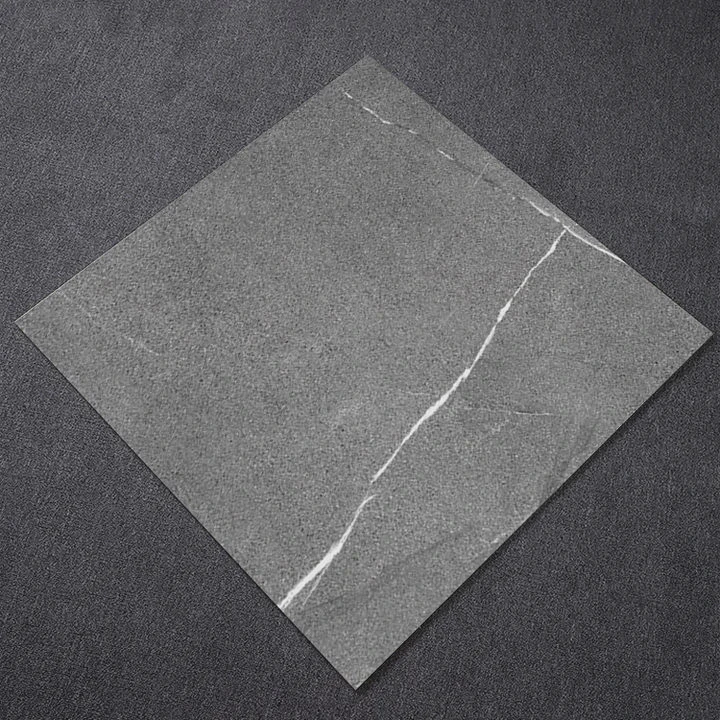
Small tile scratches often become visible under light. This problem can reduce customer satisfaction and create complaints after installation.
Scratch repair creams, polishing powders, tile wax, and ceramic repair kits can help reduce or hide visible tile scratches. The best product depends on whether the scratch is light, moderate, or deep.
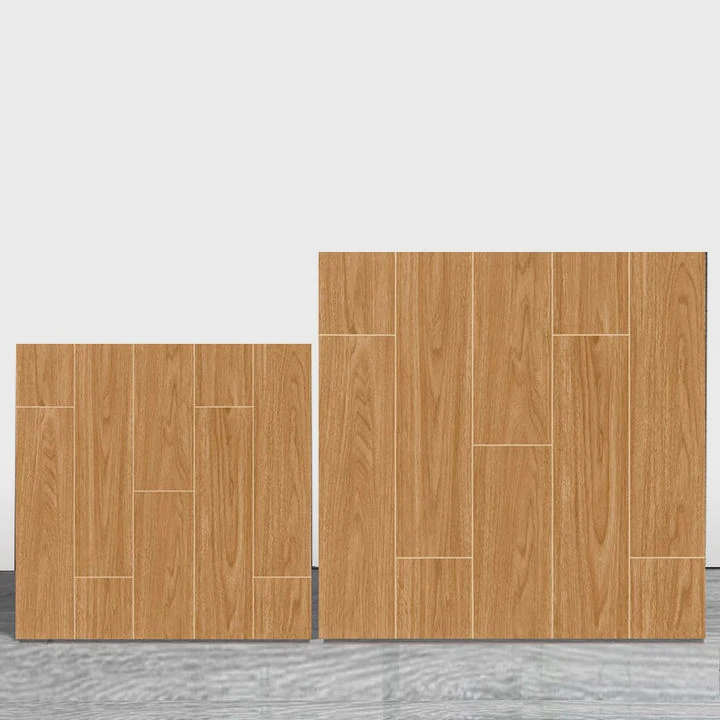
Many people try random cleaning products first. That usually creates more damage. A proper repair process starts with identifying the tile surface and the scratch depth.
Common Products Used for Tile Scratch Repair
Different tile finishes react differently to repair products. Polished porcelain tiles need different care than matte rustic tiles.
| Product Type | Best For | Main Benefit |
|---|---|---|
| Tile polishing powder | Light surface scratches | Restores shine |
| Ceramic repair cream | Fine visible marks | Fills shallow scratches |
| Tile wax | Minor glaze damage | Improves appearance |
| Diamond polishing pads | Medium scratches | Smooths rough surfaces |
| Epoxy filler kits | Deep scratches | Repairs damaged areas |
How Light Scratches Can Be Improved
Light scratches often stay only on the surface glaze. These are usually caused by furniture movement, sand, or poor cleaning tools.
A soft microfiber cloth and polishing cream can often improve these marks. Gentle circular polishing helps blend the scratch with the surrounding tile finish. Many contractors use polishing compounds made for porcelain surfaces because they restore gloss without damaging the tile.
For polished porcelain tiles, diamond polishing pads with water are also common. The process removes a very thin surface layer and smooths the scratch area.
Why Product Quality Matters
Cheap repair products sometimes leave cloudy marks or uneven color. This problem becomes more obvious on glossy large-format tiles.
In commercial projects, appearance consistency matters a lot. Hotels, malls, and luxury apartments usually require professional-grade repair materials. Good products save time and reduce customer complaints later.
Choosing the Right Product for Different Tile Types
Polished Porcelain Tiles
These tiles often need polishing compounds and fine abrasive pads.
Matte Tiles
Matte finishes are harder to repair because polishing can create shiny spots.
Rustic or Textured Tiles
These surfaces usually need color-matching fillers instead of polishing.
Simple Product Selection Guide
| Tile Surface | Recommended Solution | Risk Level |
|---|---|---|
| Glossy porcelain | Polishing cream | Low |
| Full body porcelain | Diamond pad polishing | Medium |
| Matte ceramic | Color repair filler | Medium |
| Textured rustic tile | Epoxy touch-up | High |
Many professional importers now ask suppliers about scratch resistance before placing bulk orders. Surface hardness, glaze quality, and production technology all affect long-term performance.
How Can Polishing Improve Scratched Tile Appearance?
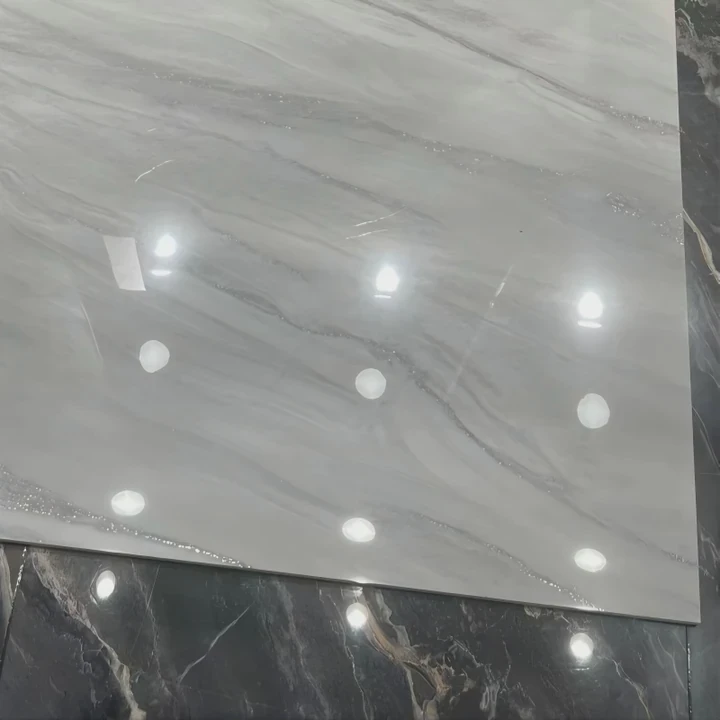
Scratches often reflect light differently from the surrounding tile. That makes even small marks easy to notice.
Polishing improves scratched tile appearance by smoothing uneven surfaces, restoring gloss, and blending visible marks into the original finish. It works best on light and medium scratches.
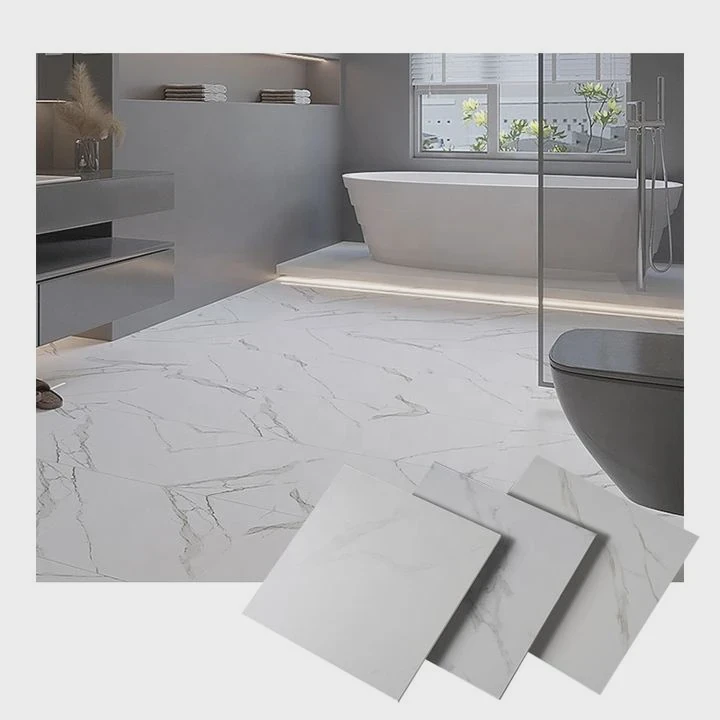
Polishing is one of the most common repair methods in both residential and commercial projects. It is widely used because it is faster and cheaper than replacing tiles.
What Happens During Tile Polishing
The polishing process removes a tiny layer from the tile surface. This helps smooth the damaged area and reduce visible scratch lines.
Professional polishing often uses:
- Water-fed polishing machines
- Diamond abrasive pads
- Fine polishing compounds
- Surface buffing tools
The process must stay controlled. Too much polishing can change the tile appearance.
Why Polishing Works Better on Some Tiles
Polished porcelain tiles respond very well because their surfaces are already smooth and reflective.
Matte surfaces are different. Polishing may create uneven shine. This can make the repaired area more visible instead of less visible.
Comparing Repair Results
| Scratch Depth | Polishing Effectiveness | Typical Result |
|---|---|---|
| Very light | Excellent | Nearly invisible |
| Moderate | Good | Reduced visibility |
| Deep | Limited | Partial improvement |
| Chipped surface | Poor | Replacement may be needed |
Steps Used in Professional Tile Polishing
Step 1: Clean the Area
Dust and sand must be removed first.
Step 2: Identify Scratch Depth
This determines the polishing pad grade.
Step 3: Apply Polishing Compound
A small amount is enough for testing.
Step 4: Polish Slowly
Circular movement helps blend the repair area.
Step 5: Inspect Under Light
Light reflection shows whether more polishing is needed.
Long-Term Benefits of Proper Polishing
Polishing does more than improve appearance. It also helps maintain customer confidence in large projects.
Many developers choose polished porcelain because it offers easier maintenance over time. Small scratches can usually be repaired without replacing the full tile.
In export markets, especially for hotel and retail projects, buyers often ask about after-sales maintenance methods before confirming orders. Easy repair options increase product value and market competitiveness.
Why Test Solutions Before Full Application?
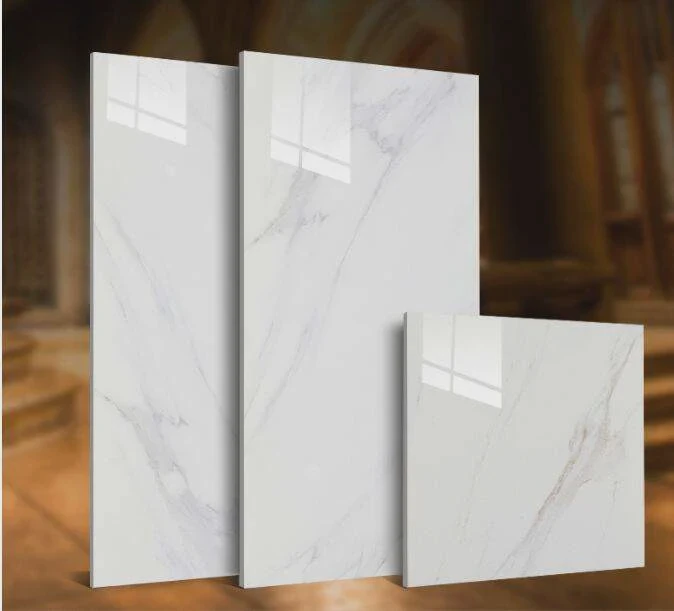
Some repair products look effective at first but create permanent color changes later. This can make the damaged area even more noticeable.
Testing scratch repair methods on a small hidden area helps prevent discoloration, surface damage, uneven gloss, and repair failure before treating the full tile surface.
This step is often ignored by inexperienced installers. However, testing is one of the safest ways to avoid expensive repair mistakes.
Every Tile Surface Reacts Differently
Even tiles from the same category may react differently because of glaze composition, polishing technology, and surface texture.
For example:
- High-gloss porcelain may become cloudy
- Matte surfaces may become shiny
- Dark tiles may show polishing marks
- Textured tiles may trap repair residue
Why Small Tests Reduce Risk
A small hidden test area gives clear information about:
| Testing Purpose | What It Prevents |
|---|---|
| Color matching | Uneven appearance |
| Surface reaction | Glaze damage |
| Polishing response | Excessive shine |
| Filler compatibility | Cracking or peeling |
Common Problems Caused by Skipping Testing
Uneven Gloss Levels
One repaired area may reflect light differently.
Color Mismatch
Fillers may dry darker or lighter than expected.
Permanent Surface Damage
Strong chemicals may damage glaze layers.
Increased Repair Cost
Failed repair attempts often require tile replacement.
Why Professional Installers Always Test First
Experienced contractors understand that prevention saves money. In large projects, replacing installed tiles is expensive and time-consuming.
One hotel contractor once shared a case where aggressive polishing damaged several imported polished tiles. The repair cost became much higher than the original scratch problem.
That experience changed the company’s repair process completely. Since then, every repair product gets tested before full application.
Best Practices for Testing
Choose a Hidden Area
Corners or furniture-covered areas work well.
Wait Before Final Judgment
Some products change appearance after drying.
Check Under Different Lighting
Natural and artificial light reveal different results.
Use Minimal Product First
Start with the mildest solution possible.
Testing may seem slow at first, but it protects the final appearance of the project and reduces long-term complaints.
Which Techniques Work Best for Deep Scratches?
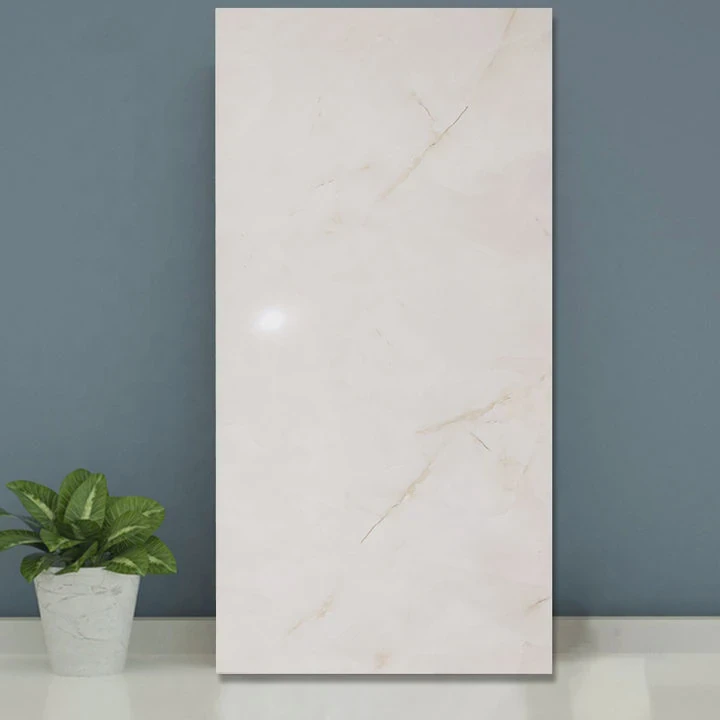
Deep scratches are harder to repair because they go below the surface layer. Standard polishing often cannot fully remove them.
Deep tile scratches usually require epoxy fillers, color-matching repair compounds, diamond grinding, or partial tile replacement depending on damage severity.
Deep damage is common in commercial buildings, warehouses, and high-traffic spaces. Heavy furniture, metal objects, and construction tools often create these scratches.
How to Identify Deep Tile Scratches
A scratch is usually considered deep when:
- The mark catches a fingernail
- The tile body color becomes visible
- Surface texture feels rough
- Light polishing shows little improvement
Most Effective Repair Techniques
| Repair Method | Best Use Case | Difficulty |
|---|---|---|
| Epoxy filler | Narrow deep scratches | Medium |
| Color repair compound | Glaze damage | Medium |
| Diamond grinding | Deep polished tile scratches | High |
| Tile replacement | Severe damage | High |
Epoxy Fillers for Deep Scratches
Epoxy fillers work well because they harden strongly and bond tightly with ceramic surfaces.
Professionals usually mix color pigments carefully to match the tile surface. After drying, the repaired area gets polished lightly to improve blending.
Diamond Grinding for Polished Porcelain
This method uses stronger abrasive tools to smooth deeper damage.
The process removes more surface material than standard polishing. Because of this, experienced technicians usually handle the repair. Poor grinding technique can create uneven tile levels.
When Tile Replacement Is Better
Some scratches are simply too severe for repair.
Replacement is often the best option when:
- Tiles are chipped
- Crack lines appear
- Surface glaze is heavily damaged
- Repair costs exceed replacement value
Factors That Affect Repair Success
Tile Color
Solid colors usually hide repairs better.
Tile Finish
Glossy surfaces show imperfections more easily.
Scratch Location
Repairs near windows often remain more visible because of strong light reflection.
Installer Skill
Deep scratch repair depends heavily on technician experience.
Why Prevention Still Matters Most
Deep scratches cost more time and money to repair. Because of this, many professional buyers now focus heavily on prevention during transportation, installation, and maintenance.
Protective floor covers, proper packaging, and correct cleaning methods greatly reduce scratch risks. High-quality porcelain tiles with strong surface hardness also perform better in long-term commercial use.
Conclusion
Tile scratches can often be improved with the right products, polishing methods, and repair techniques. Light scratches are easier to fix, while deep damage may require fillers or replacement. Careful testing and proper maintenance help preserve tile appearance and reduce long-term repair costs.