How to Remove Dried Grout From Tile Surface?
- Sinotiles
- 2026-05-19

Fresh tile work can look perfect at first. Then dried grout appears on the surface and ruins the finish. Many people worry about damaging the tile while trying to clean it.
The best way to remove dried grout from tile depends on how hard the residue is. Soft residue often comes off with warm water and a sponge. Hardened grout may need plastic scrapers, grout haze removers, or vinegar solutions for safe cleaning.
Many tile buyers, contractors, and importers face this problem after installation. Some grout residue is light and easy to clean. Other stains become hard like cement. The cleaning method matters because the wrong tool can scratch polished tiles or damage glossy surfaces. Good cleaning keeps tiles looking clean, bright, and professional.
What Tools Remove Hardened Grout Safely?
Removing hardened grout can feel risky. Many people use metal tools too quickly and damage the tile surface forever. That mistake often costs more than the original cleaning job.
Plastic scrapers, nylon pads, microfiber cloths, rubber floats, and grout haze removers are the safest tools for hardened grout. These tools remove residue without scratching most ceramic or porcelain tile surfaces.
Hard grout usually forms when installers wait too long before cleaning. This happens often on large projects where workers move from one area to another too slowly. The grout dries and bonds tightly to the tile surface.
Safe Tools for Different Tile Surfaces
Different tiles need different tools. A polished porcelain tile is not the same as a rustic matte tile. Using the wrong tool creates scratches that reflect light and become very visible.
| Tile Type | Recommended Tool | Tool to Avoid |
|---|---|---|
| Polished porcelain | Microfiber cloth, plastic scraper | Steel wool |
| Matte ceramic | Nylon scrub pad | Metal blade |
| Glass mosaic | Soft sponge | Hard abrasive pad |
| Marble look tile | Rubber scraper | Acid cleaner |
Many professional installers start with the softest option first. That approach lowers the risk of permanent damage.
Plastic Scrapers Work Better Than Metal
Plastic scrapers are simple but effective. They remove thick grout spots while protecting the glaze layer on the tile. Many contractors keep several scraper sizes for corners and edges.
Metal blades may seem faster, but they create problems on glossy surfaces. Small scratches often appear only after the floor dries completely.
Microfiber Cloths Help With Final Cleaning
After scraping, microfiber cloths remove the remaining powder and haze. These cloths trap fine particles without spreading them around the tile.
A dry cloth works for light residue. A damp cloth works better for thicker haze. Many installers repeat the wiping process several times until the tile becomes fully clean.
Nylon Pads Remove Tough Spots
Nylon pads are useful when grout sticks tightly. They add gentle friction without cutting the tile surface. White nylon pads are usually safer than darker heavy-duty pads.
Contractors often test one hidden corner before cleaning the entire floor. That small test prevents expensive mistakes on large tile projects.
Common Mistakes During Grout Removal
Many problems come from impatience. Workers often rush because the project deadline is close.
Here are common mistakes:
- Using knives or screwdrivers
- Applying strong acid too early
- Scrubbing dry surfaces aggressively
- Using power tools on glossy tiles
- Ignoring manufacturer cleaning instructions
Why Professional Installers Use Layered Cleaning
Experienced installers rarely use one single cleaning step. They combine methods slowly.
A common process looks like this:
- Warm water soak
- Plastic scraping
- Nylon pad cleaning
- Grout haze remover
- Final microfiber polishing
This layered method protects expensive tiles while producing a cleaner finish.
How Can Water Soften Dried Grout Residue?
Many people think dried grout is impossible to soften. They immediately buy harsh chemicals. In many cases, warm water alone already loosens the residue.
Warm water softens dried grout by slowly penetrating the cement particles. After soaking, grout becomes easier to scrape or wipe away without heavy force.
Water is often the safest first step because it reduces friction during cleaning. Dry grout removal creates more pressure on the tile surface. Wet cleaning lowers that risk.
Why Warm Water Works Better
Warm water opens tiny pores in the grout residue. Moisture enters the material and weakens its grip on the tile.
Cold water also works, but the process takes longer. Hot water usually speeds up softening without needing chemicals.
Basic Water Softening Process
A simple cleaning process works well for light and medium grout residue.
| Step | Action | Time Needed |
|---|---|---|
| 1 | Apply warm water | 2 minutes |
| 2 | Let surface soak | 10-15 minutes |
| 3 | Wipe with sponge | 5 minutes |
| 4 | Scrape softened grout | As needed |
| 5 | Dry with microfiber cloth | 3 minutes |
This process often removes fresh grout haze completely.
Sponges Help Control Moisture
Large amounts of water can spread grout dust across the floor. A damp sponge gives better control.
Professional cleaners usually wring out extra water before wiping tiles. Too much water may also weaken grout joints if the installation is still fresh.
Steam Can Help Older Grout Residue
Steam cleaners sometimes help with old hardened grout. The heat softens the residue faster than normal soaking.
Still, steam should be used carefully on sensitive materials. Some decorative finishes react poorly to high heat.
Why Patience Matters
One common mistake is scrubbing too early. Water needs time to penetrate the grout layer.
Many installers wait at least ten minutes before touching the residue. That waiting time often cuts cleaning effort in half.
Water Is Safer for Premium Tile Surfaces
High-end polished tiles need gentle care. Strong chemicals may damage glossy finishes or remove protective coatings.
This matters a lot in luxury hotels, shopping malls, and residential projects where appearance is critical. Many project buyers prefer low-risk cleaning methods first before moving to stronger products.
Why Avoid Scratching Tile When Removing Grout?
Tile scratches may seem small at first. Under sunlight or indoor lighting, those scratches become very visible. A clean installation can suddenly look old and damaged.
Avoid scratching tile because surface damage is permanent. Scratches reduce the tile’s appearance, lower project quality, and may lead to expensive replacement costs.
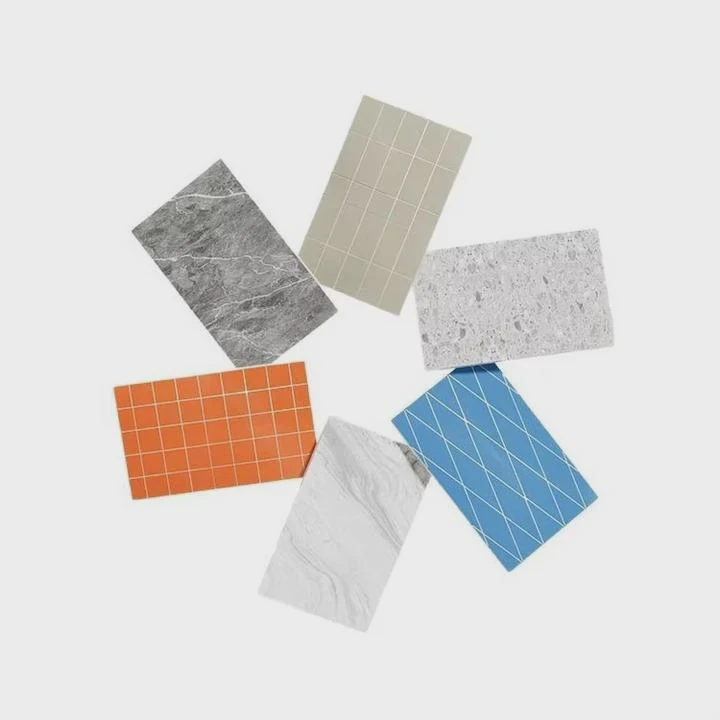
Many buyers focus heavily on tile design and color selection. Still, poor post-installation cleaning can destroy the final result completely.
Scratches Change Light Reflection
Glossy tiles reflect light evenly. Scratches interrupt that reflection and create dull lines across the surface.
This problem becomes obvious in:
- Hotel lobbies
- Shopping centers
- Large living rooms
- Office buildings
- High-end kitchens
Even small marks become easy to see under LED lighting.
Polished Tiles Are More Sensitive
Polished porcelain tiles usually show scratches faster than matte tiles. Their smooth surface reflects more light.
That is why many installers use softer cleaning tools for polished products.
Metal Tools Cause Hidden Damage
Many scratches appear microscopic at first. Workers may not notice them immediately after cleaning.
Later, dirt enters the scratches and makes them darker. Over time, the floor begins looking worn and dirty even when cleaned regularly.
Surface Protection Helps Long-Term Durability
A tile surface is designed to resist wear, stains, and moisture. Aggressive scraping weakens that protective layer.
This is important for commercial projects with heavy foot traffic. Damaged surfaces usually wear faster after installation.
Better Cleaning Improves Customer Satisfaction
Builders and importers often face complaints after projects finish. Customers expect the tile to look perfect.
Careful grout cleaning helps prevent:
| Problem | Result |
|---|---|
| Surface scratches | Customer complaints |
| Dull finish | Lower visual quality |
| Uneven shine | Poor project appearance |
| Damaged glaze | Costly replacement |
Many long-term buyers value suppliers who also explain correct installation and cleaning methods. Technical support often helps prevent future project issues.
Prevention Is Easier Than Repair
Tile repair is difficult once scratches appear. Replacing damaged tiles costs time, labor, and extra material.
Many contractors now train workers carefully before installation starts. Good cleaning habits protect both the project and the business reputation.
Which Methods Clean Grout Haze Effectively?
Grout haze creates a cloudy film over the tile surface. Even expensive tiles can look dirty and faded because of this thin layer.
Effective grout haze cleaning methods include warm water wiping, vinegar solutions, grout haze removers, microfiber polishing, and repeated light cleaning instead of aggressive scrubbing.
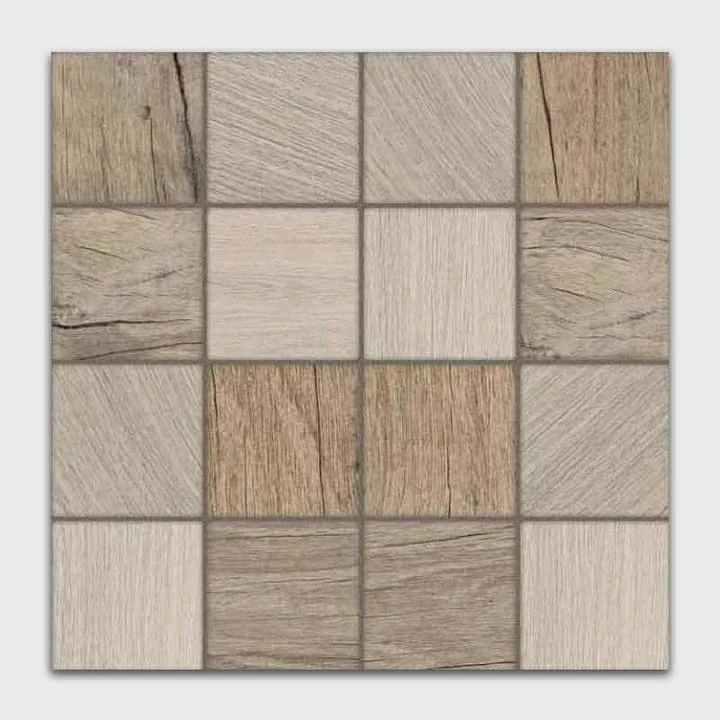
Grout haze is different from thick hardened grout. It usually appears as a dusty or cloudy film after grout dries.
Start With Dry Buffing
Sometimes haze is only loose powder. A dry microfiber cloth may remove most of it immediately.
Professional installers often begin with dry buffing before using liquids. This prevents haze from spreading into grout joints again.
Vinegar Solutions Help Light Haze
Mild vinegar solutions can break down cement residue on ceramic and porcelain tiles.
A common mixture uses:
- 1 part white vinegar
- 4 parts warm water
Still, acid should never be used on natural stone surfaces because it may damage the finish.
Commercial Grout Haze Removers
Heavy haze often needs professional cleaning products. These removers dissolve cement particles more effectively than water alone.
Many project managers prefer commercial removers because they save labor time on large installations.
Multiple Light Cleanings Work Better
Aggressive scrubbing creates risks. Many professionals prefer several gentle cleaning rounds instead of one strong cleaning attempt.
This method:
- Protects the tile surface
- Reduces scratches
- Produces more even cleaning
- Keeps grout joints stable
Timing Affects Cleaning Difficulty
Fresh haze is much easier to remove than old haze.
Installers usually clean in stages:
- Initial wipe during grouting
- Second cleaning after partial drying
- Final haze polishing after curing
This process prevents thick buildup.
Good Installation Reduces Haze Problems
Many grout haze issues actually begin during installation. Excess grout on the tile surface creates extra cleanup work later.
Experienced installers use:
- Proper grout mixing
- Smaller working sections
- Frequent sponge cleaning
- Controlled water usage
These habits reduce haze before it becomes a major issue.
Why Tile Quality Also Matters
High-quality porcelain tiles often clean more easily because their surfaces are more stable and less porous.
Consistent tile quality helps:
- Faster cleaning
- Lower maintenance
- Better shine
- Improved stain resistance
That is one reason many importers and contractors choose reliable tile suppliers for long-term projects.
Conclusion
Removing dried grout safely requires patience, proper tools, and gentle cleaning methods. Warm water, plastic scrapers, microfiber cloths, and grout haze removers all help protect the tile surface while restoring a clean and professional finish.