How to Remove Tile Thinset from Concrete?
- Sinotiles
- 2026-07-08
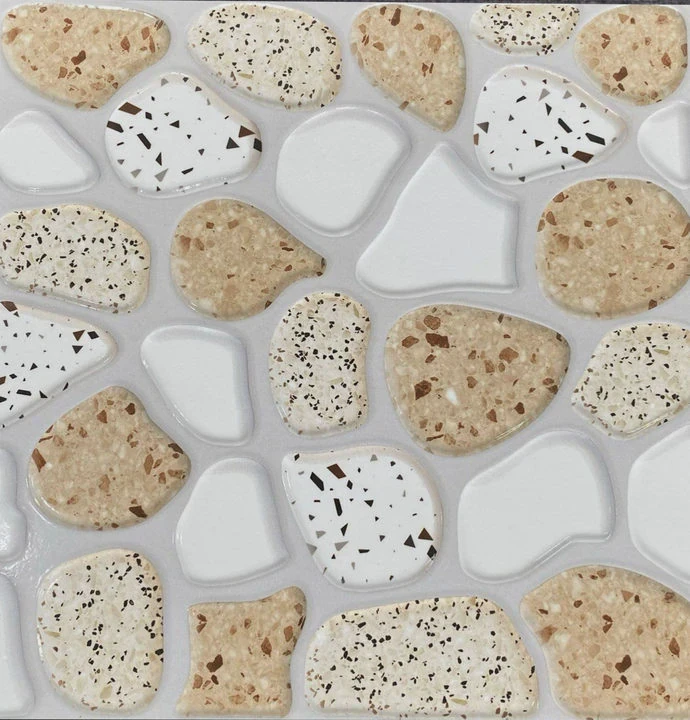
Old tile may be gone, but the remaining thinset can turn a simple renovation into a difficult project. Uneven concrete and stubborn adhesive often prevent new flooring from being installed properly.
The best way to remove tile thinset from concrete is to combine the right removal tools, proper surface preparation, and careful grinding or scraping techniques. The method depends on the thickness of the thinset and the condition of the concrete slab.
Many homeowners and contractors discover that removing tile is often easier than removing the thinset underneath. Thinset mortar is designed to create a strong bond, which is exactly why it can be difficult to remove later. Understanding the right approach can save time, reduce labor, and protect the concrete surface from unnecessary damage.
What Tools Work Best for Thinset Removal?
Many people start removing thinset with simple hand tools. They quickly realize that some thinset layers are much harder than expected.
The best tools for thinset removal include floor scrapers, rotary hammers, demolition hammers, angle grinders, floor grinders, and dust collection systems. The ideal tool depends on the thickness and hardness of the thinset.
Choosing the correct tool is often the biggest factor in determining how quickly the job can be completed.
Understanding Thinset Hardness
Thinset is a cement-based material. Once fully cured, it becomes extremely durable.
Several factors affect removal difficulty:
- Age of installation
- Mortar thickness
- Type of thinset used
- Environmental conditions
- Quality of original installation
A thin layer may scrape away relatively easily. Thick mortar beds often require more aggressive equipment.
Common Thinset Removal Tools
| Tool | Best Application |
|---|---|
| Hand Scraper | Small areas |
| Floor Scraper | Moderate residue |
| Rotary Hammer | Thick mortar removal |
| Demolition Hammer | Heavy-duty projects |
| Angle Grinder | Spot grinding |
| Floor Grinder | Large surfaces |
Each tool offers different advantages depending on project size.
Hand Scrapers
Hand scrapers work well for:
- Small rooms
- Corner areas
- Minor residue
- Detail work
They are inexpensive but labor-intensive.
Rotary Hammer with Chisel Bit
Many professionals rely on rotary hammers for medium-sized projects.
Benefits include:
- Faster removal
- Reduced physical effort
- Effective mortar breaking
- Good control
The chisel attachment helps separate thinset from the concrete slab.
Floor Grinders
For large residential and commercial projects, floor grinders often provide the most efficient solution.
Advantages include:
- Uniform surface preparation
- Faster production rates
- Better concrete leveling
- Improved flooring readiness
Diamond grinding discs are commonly used because they cut through mortar efficiently.
Dust Collection Systems
Dust control should never be ignored.
Grinding concrete and thinset produces significant airborne dust.
Dust collection systems help:
- Improve visibility
- Protect air quality
- Reduce cleanup time
- Create safer work conditions
Choosing the Right Tool
Several factors influence tool selection:
| Project Condition | Recommended Tool |
|---|---|
| Thin Residue | Floor Scraper |
| Moderate Build-Up | Rotary Hammer |
| Thick Mortar Bed | Demolition Hammer |
| Surface Refinishing | Floor Grinder |
Using oversized equipment for light residue may damage the concrete. Using small tools for heavy buildup may waste significant time.
Successful removal starts with selecting equipment that matches the job requirements.
How Can Stubborn Residue Be Softened?
Some thinset appears almost impossible to remove. Scraping alone may barely affect the surface, especially when the mortar has been in place for many years.
Stubborn thinset residue can sometimes be softened through moisture exposure, surface soaking, specialized removal products, and controlled preparation methods before mechanical removal begins.
Softening techniques do not always eliminate the need for grinding or chiseling. However, they often make removal easier and faster.
Why Thinset Becomes Difficult to Remove
Thinset is designed to resist:
- Moisture
- Pressure
- Temperature changes
- Structural movement
These properties make it an excellent tile adhesive but also create challenges during renovation.
Water Soaking Methods
In some cases, water can help loosen certain mortar residues.
The process may involve:
- Cleaning the surface.
- Applying warm water.
- Allowing penetration time.
- Testing for softening.
- Scraping loosened material.
Results vary depending on mortar composition and age.
Surface Preparation Before Removal
Before using power tools, it is helpful to:
- Remove loose debris
- Vacuum dust
- Inspect weak areas
- Identify thicker sections
These steps improve removal efficiency.
Commercial Thinset Removers
Some specialized products are marketed for mortar softening.
Potential benefits include:
- Easier scraping
- Reduced grinding effort
- Better penetration
However, effectiveness depends heavily on the specific thinset formulation.
Heat and Moisture Considerations
Certain adhesives respond to heat. Thinset mortar generally responds less dramatically because it contains cement.
For this reason:
- Heat alone rarely solves the problem.
- Mechanical methods remain necessary in most cases.
- Moisture may provide limited assistance.
Softening Versus Removal
Many people confuse softening with complete removal.
Softening helps:
- Reduce labor
- Improve scraper effectiveness
- Minimize tool wear
Yet cured cement-based mortar usually requires physical removal.
Areas That May Respond Better
Some locations soften more easily:
- Recently installed mortar
- Thin adhesive layers
- Areas exposed to moisture
- Weakly bonded sections
Older installations typically require more aggressive methods.
Practical Expectations
| Condition | Softening Effectiveness |
|---|---|
| Fresh Thinset | High |
| Moderate-Age Thinset | Moderate |
| Old Cured Thinset | Low |
| Thick Mortar Bed | Very Low |
Understanding realistic expectations prevents frustration during the project.
In many renovations, softening techniques serve as a preparation step rather than a complete solution. They help reduce effort but rarely eliminate the need for scraping, grinding, or chiseling.
Why Is Mechanical Removal Often Necessary?
Many renovation projects begin with hopes of avoiding heavy equipment. Unfortunately, cured thinset often leaves little choice.
Mechanical removal is often necessary because cured thinset forms a strong cement-based bond that cannot be dissolved easily. Grinding, chiseling, and scraping physically separate the mortar from the concrete surface.
Most professional flooring contractors rely heavily on mechanical methods because they provide predictable and consistent results.
The Nature of Thinset Mortar
Thinset is specifically engineered to create a durable bond.
Its composition typically includes:
- Cement
- Sand
- Polymer additives
- Bonding agents
Once cured, these ingredients create a hard and resilient surface.
Why Chemical Removal Is Limited
Unlike some adhesives, thinset does not simply dissolve.
Chemical products may help loosen residue in certain situations, but they rarely remove fully cured mortar completely.
As a result:
- Grinding becomes necessary.
- Chiseling remains common.
- Scraping is often required.
Common Mechanical Removal Methods
Chiseling
Rotary hammers equipped with chisel bits can quickly remove thicker material.
Advantages:
- Fast removal
- Good control
- Suitable for heavy buildup
Grinding
Diamond grinders remove thinset while simultaneously preparing the concrete surface.
Benefits include:
- Smooth finish
- Surface leveling
- Flooring readiness
Scraping
Scraping works best after larger pieces have been removed.
This method helps clean remaining residue.
Comparing Mechanical Methods
| Method | Removal Speed | Surface Finish |
|---|---|---|
| Scraping | Slow | Moderate |
| Chiseling | Fast | Rough |
| Grinding | Moderate | Smooth |
| Demolition Hammer | Very Fast | Rough |
Many projects use multiple methods together.
Preparing for New Flooring
Most flooring systems require a flat substrate.
Examples include:
- Porcelain tile
- Luxury vinyl plank
- Engineered wood
- Natural stone
Residual thinset can create uneven surfaces that interfere with installation.
Cost and Time Considerations
Mechanical removal may seem demanding, but it often saves time compared with repeated attempts at chemical softening.
Professional contractors frequently choose grinders because they:
- Remove material efficiently
- Improve floor flatness
- Reduce installation delays
Why Professionals Prefer Grinding
Grinding provides two benefits simultaneously:
- Removes thinset.
- Prepares concrete for the next floor covering.
This efficiency makes grinding one of the most popular methods in commercial and residential renovation projects.
While mechanical removal may require specialized equipment, it remains the most reliable way to eliminate cured thinset and restore a usable concrete surface.
Which Methods Protect the Concrete Surface?

Removing thinset aggressively can damage the slab beneath. Deep gouges and surface scars may create additional repair work before new flooring can be installed.
The best methods for protecting concrete include using appropriate tools, controlling removal depth, choosing diamond grinding systems carefully, and avoiding excessive impact force during demolition.
Concrete protection is just as important as thinset removal.
Why Surface Protection Matters
Damaged concrete can create new problems:
- Uneven flooring
- Additional patching costs
- Longer project timelines
- Reduced flooring performance
The goal is to remove the thinset while preserving the slab.
Start with the Least Aggressive Method
A good strategy is to begin conservatively.
Possible progression:
- Scraping
- Light chiseling
- Grinding
- Heavy demolition if necessary
This approach minimizes unnecessary damage.
Use Proper Chisel Angles
One common mistake involves holding the chisel too steeply.
Excessive angle may:
- Dig into concrete
- Create gouges
- Cause surface fractures
A lower angle helps separate thinset while preserving the slab.
Diamond Grinding Best Practices
Diamond grinders can be highly effective when used correctly.
Recommended practices include:
- Constant movement
- Even pressure
- Appropriate grit selection
- Dust extraction
These techniques improve both removal quality and surface protection.
Common Concrete Damage Causes
| Cause | Result |
|---|---|
| Excessive Hammer Force | Deep Gouges |
| Dull Grinding Disc | Surface Scarring |
| Incorrect Chisel Angle | Concrete Chips |
| Poor Equipment Control | Uneven Surface |
Awareness of these risks helps prevent costly repairs.
Surface Inspection During Removal
Frequent inspection is important.
Check for:
- Gouges
- Cracks
- Low spots
- Uneven grinding patterns
Early correction prevents larger issues later.
Repairing Minor Surface Damage
If small defects occur, they can often be repaired using:
- Concrete patch compounds
- Self-leveling products
- Surface repair mortars
However, prevention remains easier than repair.
Large Commercial Floor Considerations
Large projects often use professional grinders with adjustable settings.
Benefits include:
- Better consistency
- Improved flatness
- Reduced operator error
- Less slab damage
These systems provide greater control than many handheld tools.
Achieving Flooring-Ready Concrete
The ideal result includes:
- Minimal thinset residue
- Smooth surface texture
- Stable concrete condition
- Proper flatness
This preparation supports successful installation of new flooring materials.
Removing thinset should never be treated as a demolition-only task. Careful removal protects the concrete and reduces the amount of repair work required afterward.
Conclusion
Removing tile thinset from concrete requires the right combination of tools, preparation methods, mechanical removal techniques, and surface protection practices. While stubborn thinset often demands grinding or chiseling, careful execution helps preserve the concrete slab and creates a smooth foundation for the next flooring installation.
- Pre: How to Remove Tile and Mortar?
- Next: Sorry!