how to remove vinyl tile flooring from concrete?
- Sinotiles
- 2026-04-22
Old vinyl tiles stick hard. Many people feel stuck and frustrated. The job looks messy and slow, and mistakes can damage the concrete below.
You can remove vinyl tile flooring from concrete with the right tools, heat, and step-by-step methods. Work in sections, soften the glue, and clean the slab well before any new flooring.
This guide walks through tools, glue softening, faster methods, and what to do after removal. Each step is simple and clear so the job feels under control.
What tools are needed to remove vinyl tiles?
Old tiles bond tightly. Many people start with weak tools and waste time. The wrong setup makes the work slow and tiring.
You need a floor scraper, heat source, hammer, chisel, adhesive remover, and safety gear. Good tools reduce time, protect the concrete, and improve results.
A strong start depends on tools. Each tool has a clear role. When tools match the job, the process becomes smoother and safer.
Core tools and their roles
| Tool | Purpose | Notes |
|---|---|---|
| Floor scraper (manual or electric) | Lift and remove tiles | Long handle helps with leverage |
| Heat gun or steamer | Soften adhesive | Do not overheat the slab |
| Hammer and chisel | Break stubborn tiles | Use for corners and edges |
| Utility knife | Cut tiles into sections | Makes removal easier |
| Adhesive remover | Dissolve glue residue | Choose concrete-safe product |
| Wire brush or grinder | Clean remaining glue | Use light pressure |
Safety gear matters
| Item | Why it is needed |
|---|---|
| Gloves | Protect hands from sharp edges |
| Safety goggles | Prevent dust and chips from entering eyes |
| Mask or respirator | Avoid inhaling dust and fumes |
| Knee pads | Reduce strain during long work |
Tool selection tips
A manual scraper works for small areas. For large floors, an electric scraper saves hours. Heat guns are common, but steamers are safer for glue because they reduce fumes.
A small story helps here. On one project, a weak scraper doubled the work time. After switching to a heavy-duty scraper, the tiles came off in large pieces. The lesson is simple: tools change the result.
Setup before starting
Clear the room. Remove furniture. Check if tiles contain asbestos if the building is old. If there is any doubt, testing is needed before work begins.
The right tools and setup form the base of the whole process. Without them, even simple steps become hard.
How do you soften adhesive on concrete surfaces?
Adhesive is the real problem. Tiles may come off, but glue stays. Hard glue slows everything and can damage the surface if forced.
You can soften adhesive using heat, warm water, or chemical removers. Each method works in different conditions and should be used with care.
Understanding glue types helps. Some adhesives respond to heat. Others need chemical solutions. Choosing the right method saves time.
Heat method
Heat is simple and effective. A heat gun warms the adhesive until it softens.
Steps:
- Hold the heat gun over a small area
- Move slowly to avoid burning
- Scrape once glue becomes soft
This method works best on older vinyl glue. It also reduces the need for strong chemicals.
Warm water method
Some adhesives soften with moisture.
Steps:
- Pour warm water on the surface
- Let it sit for 10–15 minutes
- Scrape the softened glue
This method is safer but slower. It works well in small areas or light adhesive.
Chemical adhesive remover
Chemical products break down strong glue.
Steps:
- Apply remover evenly
- Wait as instructed (usually 15–30 minutes)
- Scrape off softened adhesive
Comparison of methods
| Method | Speed | Safety | Best use |
|---|---|---|---|
| Heat gun | Fast | Medium | Thick adhesive |
| Warm water | Slow | High | Light glue |
| Chemical remover | Medium | Medium | Stubborn residue |
Practical advice
Work in small sections. Large areas dry or cool too fast. Always test one area first. Some chemicals may stain or affect concrete.
Ventilation is important. Open windows or use fans. Fumes from heated adhesive or chemicals can be harmful.
Common mistakes
- Overheating the concrete
- Using too much chemical at once
- Scraping before adhesive softens
These mistakes increase effort and risk damage. A steady and patient method works better than force.
Which methods speed up tile removal process?
Many people want to finish fast. But speed without method leads to poor results and extra work.
The fastest removal comes from combining tools, working in sections, and using mechanical help like electric scrapers or grinders.
Speed comes from system, not just effort. A clear plan cuts time in half.
Section-by-section strategy
Divide the floor into small zones. Finish one zone before moving on.
Benefits:
- Keeps focus clear
- Prevents glue from re-hardening
- Makes progress visible
Break tiles first
Large tiles are harder to lift. Breaking them into smaller pieces helps.
Steps:
- Score tiles with a knife
- Tap lightly with a hammer
- Remove in sections
Use electric tools
Electric scrapers and grinders save time.
- Electric scraper: removes tiles quickly
- Grinder: removes glue residue faster
These tools are ideal for large spaces like warehouses or commercial areas.
Combine heat and scraping
Heat the tile, then scrape immediately. This reduces resistance and saves energy.
Workflow example
| Step | Action | Result |
|---|---|---|
| 1 | Heat tile | Softens adhesive |
| 2 | Break tile | Easier removal |
| 3 | Scrape | Clean lift |
| 4 | Repeat in next section | Consistent progress |
Time-saving tips
- Start from edges or loose corners
- Keep blades sharp
- Clean tools often to maintain efficiency
Real-world insight
On one job, switching from random removal to a section-based method reduced time by nearly 40%. The team worked cleaner and avoided redoing areas.
Avoid rushing
Speed is not about force. It is about rhythm. Fast work comes from steady steps, not aggressive scraping.
What should be done after removing vinyl tiles?
Removing tiles is only half the job. The surface below decides the success of the next flooring.
After removing vinyl tiles, clean all adhesive, repair the concrete, and level the surface to prepare for new flooring installation.
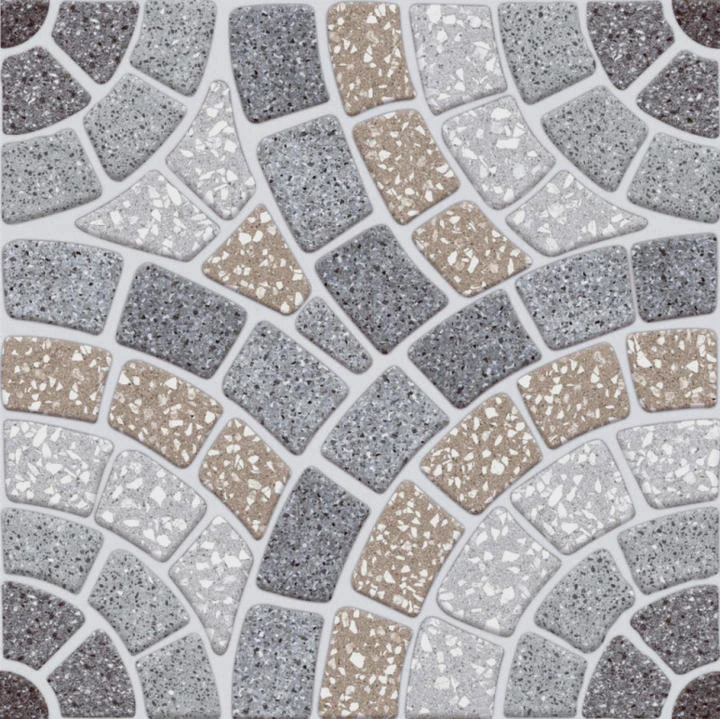
A clean and smooth surface ensures long-lasting results. Skipping this stage leads to problems later.
Remove remaining adhesive
Even after scraping, glue remains.
Methods:
- Use adhesive remover again
- Scrub with a wire brush
- Grind lightly if needed
Clean the surface
Dust and debris must be removed.
Steps:
- Sweep the floor
- Vacuum fine dust
- Mop lightly if needed
Inspect for damage
Look for cracks or holes.
Common issues:
- Small cracks
- Uneven patches
- Surface chips
Repair and level
Use patching compound to fix damage.
Steps:
- Fill cracks
- Smooth the surface
- Let it dry fully
For large uneven areas, use self-leveling compound.
Surface preparation checklist
| Task | Why it matters |
|---|---|
| Remove glue | Ensures bonding of new flooring |
| Clean dust | Prevents weak adhesion |
| Repair cracks | Avoids future damage |
| Level surface | Ensures smooth finish |
Final preparation
Before installing new flooring:
- Check moisture level
- Ensure surface is dry
- Confirm smoothness
Long-term impact
A well-prepared concrete base improves:
- Tile durability
- Adhesion strength
- Overall finish quality
Skipping this stage often leads to loose tiles or uneven floors.
Conclusion
Removing vinyl tile from concrete takes patience, the right tools, and a clear process. Focus on softening adhesive, working in sections, and preparing the surface well for the next step.