How Long Does It Take to Tile a Floor?
- Sinotiles
- 2026-04-22

Tiling a floor often feels slow and uncertain. Many people worry about delays, mistakes, and hidden steps that waste time.
Most floor tiling projects take 1 to 3 days for an average room, but the exact time depends on room size, preparation, tile type, and installer experience.
If the timeline is unclear, planning becomes hard. So it helps to break the process into parts and understand what really controls the speed.
What factors affect tile installation time?
Small mistakes during tiling can lead to big delays. Many people underestimate preparation and drying time.
Tile installation time depends on surface condition, tile size, layout complexity, tools, and drying requirements. These factors can either speed up or slow down the process significantly.
When looking at tiling time, it is not just about laying tiles. Many hidden steps take time and effort.
Surface preparation matters most
A clean and level surface is the base of everything. If the floor is uneven, extra work is needed.
- Old flooring removal can take hours
- Floor leveling may take a full day
- Cleaning and drying add more time
If the base is poor, the tiling process slows down. In some cases, installers must stop and fix the surface before continuing.
Tile size and type change the speed
Different tiles behave differently during installation.
| Tile Type | Installation Speed | Reason |
|---|---|---|
| Small tiles | Slow | More pieces, more grout lines |
| Large tiles | Medium | Fewer tiles but harder to align |
| Mosaic tiles | Slow | Detailed placement required |
| Standard tiles | Fast | Easy to handle and install |
Large tiles look simple but need careful alignment. Small tiles require more time because there are many pieces.
Layout complexity adds time
Straight layouts are fast. Complex patterns slow everything down.
- Diagonal layouts require more cutting
- Herringbone patterns need precision
- Borders and designs increase labor
Every cut takes time. Every adjustment adds minutes that turn into hours.
Drying and curing cannot be rushed
Adhesive and grout need time to set.
- Tile adhesive: 24 hours
- Grout drying: 24–48 hours
Even if installation is fast, waiting time is unavoidable. This is one of the biggest hidden delays.
How does room size impact tiling duration?
Many assume bigger rooms only take slightly longer. In reality, size changes everything.
Room size directly affects tiling duration because larger areas require more tiles, more cutting, and more preparation, often extending the project from hours to several days.
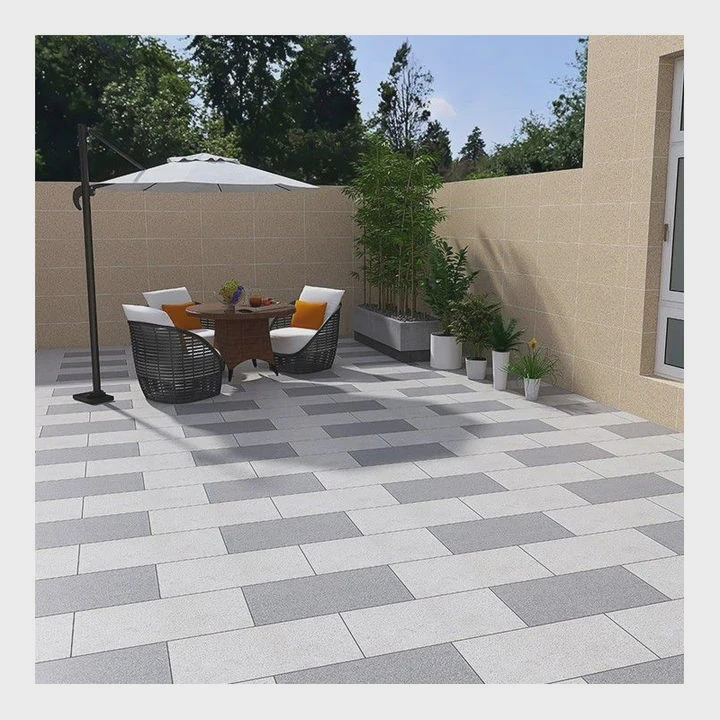
Room size is one of the most visible factors, but it also connects with other hidden challenges.
Small rooms are not always faster
A small bathroom may seem quick. But tight spaces can slow down work.
- Limited movement space
- More detailed cutting around fixtures
- Higher precision required
In many cases, small rooms take longer per square meter than large rooms.
Large rooms increase volume of work
Bigger spaces require more materials and more steps.
| Room Size | Estimated Time | Notes |
|---|---|---|
| Small (5–10㎡) | 1–2 days | More detail work |
| Medium (10–25㎡) | 2–3 days | Balanced workload |
| Large (25㎡+) | 3–5 days | Requires planning and teamwork |
More tiles mean more adhesive, more grout, and more cleaning. Each step scales with size.
Open spaces can be faster per square meter
Large open areas without obstacles are easier to tile.
- Straight lines are easier to follow
- Fewer cuts are needed
- Faster movement for workers
This is why commercial projects often move faster despite large sizes.
Material handling takes time
In larger rooms, moving tiles becomes a task.
- Transporting boxes
- Mixing adhesive repeatedly
- Cleaning tools multiple times
These small actions add up and extend the timeline.
Which steps take the longest during installation?
Many think laying tiles is the longest step. In reality, other stages often take more time.
Preparation and drying are usually the longest parts of tile installation, often taking more time than the actual tile laying process itself.

Understanding each step helps set realistic expectations.
Step 1: Surface preparation
This is often the most time-consuming stage.
- Removing old flooring
- Fixing cracks
- Leveling the base
If the surface is uneven, the entire project slows down. Some projects spend half the total time here.
Step 2: Planning and layout
Before placing tiles, planning is required.
- Measuring the area
- Marking guidelines
- Deciding tile positions
Mistakes in this step lead to rework. Careful planning saves time later.
Step 3: Tile cutting
Cutting tiles is slow and detailed work.
- Edge pieces need custom cuts
- Corners require precision
- Mistakes waste materials
Complex layouts increase cutting time significantly.
Step 4: Tile installation
This is the visible part but not always the longest.
- Spreading adhesive
- Placing tiles evenly
- Adjusting alignment
Experienced workers can speed this up, but accuracy is still key.
Step 5: Grouting and finishing
Grouting fills the gaps and completes the look.
- Applying grout takes time
- Cleaning excess grout is slow
- Final polishing is required
Step 6: Drying and curing
This step cannot be skipped.
- Adhesive needs 24 hours
- Grout needs additional time
Even if everything else is fast, drying controls the final timeline.
Can experience reduce floor tiling time?
Some people believe tiling always takes the same time. This is not true.
Experienced installers can reduce tiling time by up to 30–50% because they work faster, avoid mistakes, and plan more efficiently.

Experience changes both speed and quality.
Skilled installers work faster
Experienced workers know the process well.
- They prepare surfaces quickly
- They place tiles with fewer adjustments
- They reduce waste and rework
This leads to smoother workflows.
Fewer mistakes save time
Mistakes cause delays.
- Misaligned tiles need removal
- Wrong cuts waste materials
- Poor planning leads to rework
Experienced installers avoid these issues from the start.
Better tool usage improves efficiency
Professionals use tools effectively.
- Tile cutters are used precisely
- Adhesive is mixed correctly
- Layout tools ensure accuracy
Good tools plus skill reduce effort and time.
Teamwork speeds up large projects
Experienced teams divide tasks.
| Task | Team Member Role |
|---|---|
| Surface prep | Worker 1 |
| Tile laying | Worker 2 |
| Cutting tiles | Worker 3 |
| Grouting | Worker 4 |
This parallel work reduces total project time.
Planning makes the biggest difference
Experienced installers plan before starting.
- They calculate materials accurately
- They design layouts efficiently
- They avoid unnecessary steps
This reduces delays and keeps the project on schedule.
Conclusion
Floor tiling usually takes 1 to 3 days, but many factors affect the timeline. Preparation, room size, and experience all play key roles. Understanding these details helps avoid delays and ensures a smoother project.