How to Repair Ceramic Tile?
- Sinotiles
- 2026-06-12
A damaged ceramic tile can make an entire floor or wall look worn out. Many people assume replacement is the only solution, but that is often not the case.
Ceramic tile can be repaired using methods such as filling chips, repairing cracks, regrouting joints, refinishing surfaces, or replacing individual tiles when damage is severe. The best repair method depends on the type and extent of the damage.
Many ceramic tile problems can be fixed without removing large sections of tile. Understanding the available repair methods helps save time, reduce costs, and extend the life of the installation.
What Are Common Ceramic Tile Repair Methods?
Small tile damage can quickly become a larger problem if ignored. A minor crack may spread, and loose grout can allow moisture to penetrate beneath the surface.
The most common ceramic tile repair methods include crack repair, chip filling, grout restoration, surface refinishing, and full tile replacement when damage cannot be repaired effectively.
Different types of damage require different repair strategies. Choosing the right method is the first step toward a successful repair.
Assess the Type of Damage
Before starting any repair, it is important to identify the problem.
Common ceramic tile issues include:
- Chipped edges
- Surface scratches
- Hairline cracks
- Broken corners
- Missing grout
- Loose tiles
- Stained surfaces
Each issue requires a different solution.
Crack Repair
Hairline cracks are among the most common tile defects.
Minor cracks can often be repaired using:
- Epoxy fillers
- Color-matched repair compounds
- Ceramic repair kits
The goal is to stabilize the crack and improve appearance.
Chip Repair
Small chips usually affect appearance more than performance.
Repair methods often involve:
- Cleaning the damaged area.
- Applying filler.
- Sanding smooth.
- Touching up color.
- Sealing the repair.
When done correctly, the damage becomes much less noticeable.
Grout Restoration
Many tile installations look damaged when the real issue is deteriorated grout.
Grout repair may include:
- Removing loose grout
- Cleaning joints
- Regrouting damaged sections
- Applying grout sealer
Fresh grout can dramatically improve the appearance of an older installation.
Surface Refinishing
Tiles with surface wear can sometimes be refinished rather than replaced.
This process may involve:
- Cleaning
- Polishing
- Applying restoration coatings
- Color enhancement
Refinishing works best when structural damage is minimal.
Full Tile Replacement
Some damage is simply too severe to repair.
Replacement becomes necessary when:
| Damage Type | Recommended Solution |
|---|---|
| Small chip | Fill and refinish |
| Hairline crack | Epoxy repair |
| Missing grout | Regrout |
| Surface scratches | Polish or refinish |
| Large crack | Replace tile |
| Broken tile | Replace tile |
Replacement provides the most durable solution for heavily damaged tiles.
Selecting the Correct Method
The best repair method depends on several factors:
- Damage size
- Tile location
- Moisture exposure
- Tile color
- Budget considerations
In many cases, a simple repair restores both function and appearance without requiring extensive renovation work.
How Can You Fix Chipped Ceramic Tiles?
A small chip can draw attention even when the rest of the tile looks perfect. Fortunately, many chips can be repaired successfully without removing the tile.
Chipped ceramic tiles can be repaired by cleaning the damaged area, applying a suitable filler or epoxy, smoothing the repair, matching the color, and sealing the surface when necessary.
The success of a chip repair often depends on careful preparation and patience.
Determine the Severity of the Chip
Not all chips require the same approach.
Minor chips typically involve:
- Surface glazing
- Small edge damage
- Tiny impact marks
Larger chips may expose the ceramic body underneath.
The size and depth of the damage help determine which repair materials are needed.
Clean the Damaged Area
Good adhesion starts with a clean surface.
Remove:
- Dirt
- Grease
- Soap residue
- Loose fragments
- Dust
A mild cleaner and soft brush usually work well.
Allow the area to dry completely before moving to the next step.
Apply Tile Repair Filler
Many repair kits include fillers specifically designed for ceramic surfaces.
Common repair materials include:
- Two-part epoxy
- Ceramic repair compounds
- Acrylic fillers
- Color-matched repair pastes
Apply the filler carefully to avoid trapping air bubbles.
Shape the Repair
After filling the chip, the surface should be leveled.
Useful tools include:
- Plastic spreaders
- Putty knives
- Flexible applicators
The repair should blend naturally into the surrounding tile profile.
Sand the Surface Smooth
Once the filler cures, gentle sanding helps create a seamless finish.
Fine-grit sandpaper often works best.
The goal is to:
- Remove excess filler
- Improve smoothness
- Prepare for color matching
Careful sanding prevents damage to nearby glazed areas.
Restore Color and Finish
Many ceramic tiles have decorative finishes that must be matched.
Repair kits may include:
- Touch-up paints
- Color pigments
- Glaze simulators
Color matching is often the most visible part of the repair.
Chip Repair Process Overview
| Step | Purpose |
|---|---|
| Clean area | Improve adhesion |
| Apply filler | Restore missing material |
| Shape repair | Match tile profile |
| Sand surface | Create smooth finish |
| Match color | Improve appearance |
| Seal if needed | Protect repair |
When Replacement Is Better
Some chips may be too large for a visually pleasing repair.
Replacement should be considered when:
- Large sections are missing
- Structural cracks exist
- The tile is loose
- The repair area is highly visible
For most minor chips, however, filler-based repairs provide an effective and economical solution.
Why Use Filler for Tile Damage Repair?
Many ceramic tile repairs rely on fillers rather than replacement. This approach saves time and preserves the surrounding installation.
Fillers are used because they restore missing material, improve appearance, support structural stability in minor damage areas, and allow repairs without removing the entire tile.
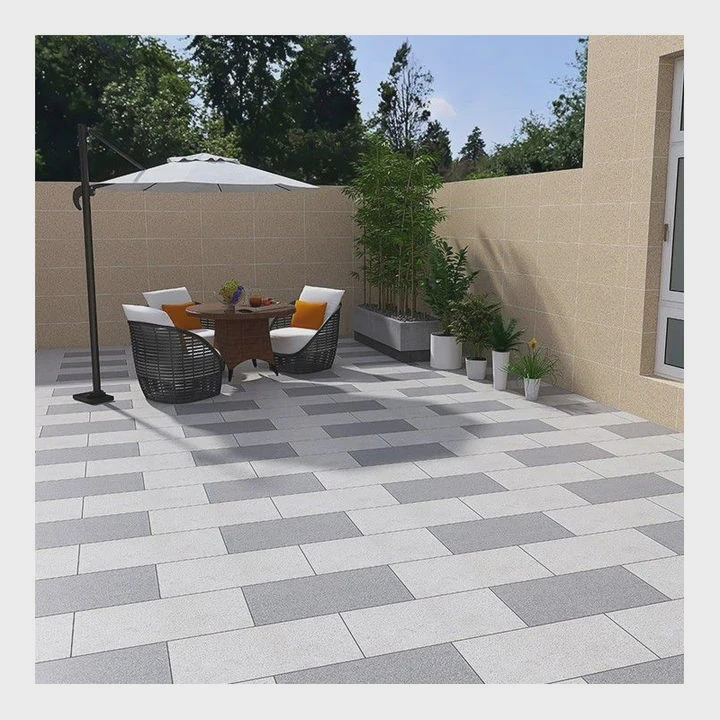
Understanding the role of fillers helps explain why they are such an important part of tile repair.
Fillers Restore Missing Material
A chip creates a void in the tile surface.
Without repair, the damaged area may:
- Collect dirt
- Become more noticeable
- Continue deteriorating
Fillers restore the missing section and create a more complete surface.
Repairs Become Less Visible
One major advantage of fillers is cosmetic improvement.
A properly repaired chip:
- Blends with surrounding surfaces
- Reduces visual distraction
- Improves overall appearance
Many modern repair products can closely match common tile colors.
Tile Removal Is Often Avoided
Replacing a single ceramic tile can be difficult.
Potential challenges include:
- Finding matching tile
- Protecting nearby tiles
- Removing old adhesive
- Regrouting the area
A filler repair often eliminates these complications.
Fillers Help Prevent Further Damage
Small defects may grow over time.
Open chips can:
- Collect moisture
- Trap dirt
- Experience additional impact damage
Filling the defect helps protect the surrounding material.
Common Filler Types
Several repair materials are available.
| Filler Type | Typical Application |
|---|---|
| Epoxy filler | Durable repairs |
| Acrylic filler | Minor cosmetic repairs |
| Ceramic repair paste | Surface restoration |
| Color-matched compound | Decorative repairs |
| Hybrid filler systems | High-performance repairs |
Each product offers different strengths depending on the repair situation.
Durability Considerations
Quality fillers can provide long-lasting performance when:
- Properly applied
- Correctly cured
- Used in suitable locations
Factors affecting durability include:
- Traffic levels
- Moisture exposure
- Temperature changes
- Cleaning practices
Proper installation improves longevity significantly.
Cost and Time Benefits
Compared with tile replacement, filler repairs often require:
- Less labor
- Fewer materials
- Reduced downtime
- Lower overall costs
This makes filler-based repairs attractive for both homeowners and commercial property managers.
Understanding Repair Limits
Fillers are highly effective for cosmetic and minor structural repairs.
However, they cannot solve:
- Major cracks
- Loose tiles
- Substrate failures
- Extensive structural damage
In those situations, replacement may still be the best option.
Which Tools Help Restore Ceramic Tile Surfaces?
Using the right tools often determines whether a repair looks professional or obvious. Good tools improve precision, efficiency, and final appearance.
Ceramic tile restoration typically requires cleaning tools, filling tools, sanding equipment, color-matching supplies, polishing materials, and safety equipment appropriate for the repair process.
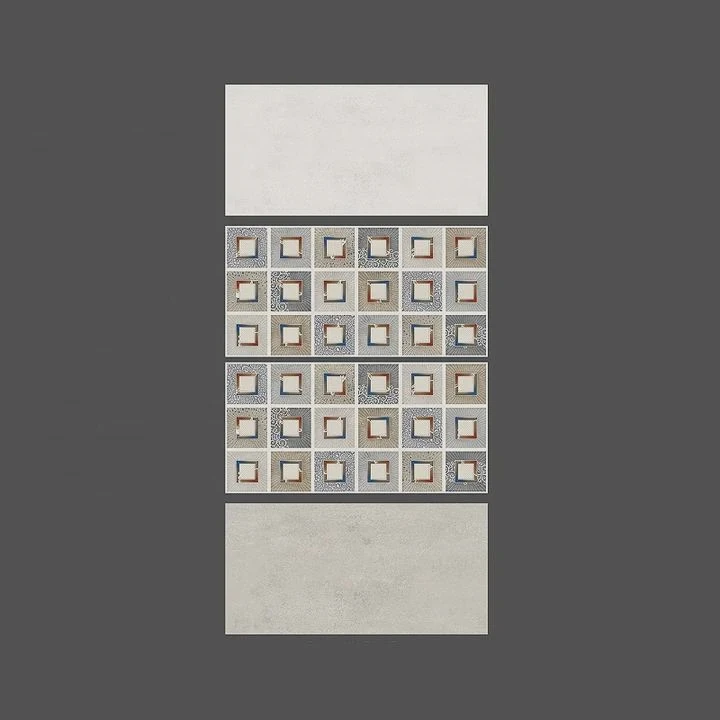
A complete repair toolkit allows each stage of the restoration process to be performed correctly.
Cleaning Tools
Every repair starts with surface preparation.
Common cleaning tools include:
- Soft brushes
- Sponges
- Microfiber cloths
- Plastic scrapers
- Cleaning solutions
A clean surface supports better adhesion and more durable repairs.
Application Tools
Repair compounds must be applied carefully.
Useful tools include:
- Putty knives
- Plastic spreaders
- Detail applicators
- Mixing sticks
- Small spatulas
These tools help control filler placement and reduce waste.
Sanding Equipment
Sanding creates a smooth transition between repaired and original surfaces.
Typical sanding supplies include:
- Fine-grit sandpaper
- Sanding pads
- Micro-abrasive sheets
- Polishing papers
Gentle sanding often produces the best results.
Color Restoration Tools
Color matching is an important step for visible repairs.
Helpful materials include:
- Touch-up brushes
- Pigment kits
- Paint applicators
- Mixing palettes
Accurate color matching helps repairs blend into surrounding tiles.
Polishing Tools
Some repairs benefit from surface polishing.
Polishing may improve:
- Shine
- Texture consistency
- Visual appearance
Common polishing tools include:
- Buffing pads
- Polishing cloths
- Hand polishers
- Finishing compounds
Essential Tool Summary
| Tool Category | Function |
|---|---|
| Cleaning tools | Surface preparation |
| Putty knives | Apply filler |
| Sandpaper | Smooth repairs |
| Touch-up brushes | Restore color |
| Polishing pads | Enhance finish |
| Safety equipment | Protect the user |
Safety Equipment
Even small tile repairs require proper protection.
Recommended items include:
- Safety glasses
- Dust masks
- Gloves
- Protective clothing
Safety should never be overlooked.
Advanced Restoration Tools
Professional repair technicians may also use:
- Rotary polishers
- Precision grinders
- Airbrush systems
- Moisture meters
- Inspection lights
These tools improve efficiency and allow more complex repairs.
Preparation Creates Better Results
Many repair failures occur because of poor preparation rather than poor materials.
Before starting a project, I always ensure that:
- Tools are ready
- Repair materials are available
- Color-matching supplies are prepared
- The work area is clean
Good preparation allows the repair process to proceed smoothly and helps produce a more professional final result.
Conclusion
Ceramic tile repair can often restore damaged surfaces without full replacement. By selecting the proper repair method, using fillers when appropriate, and working with the right tools, it is possible to repair chips, cracks, and surface defects while extending the life and appearance of the tile installation.