Where To Buy Durable Tile For Commercial And Residential Use?
- Sinotiles
- 2026-06-12
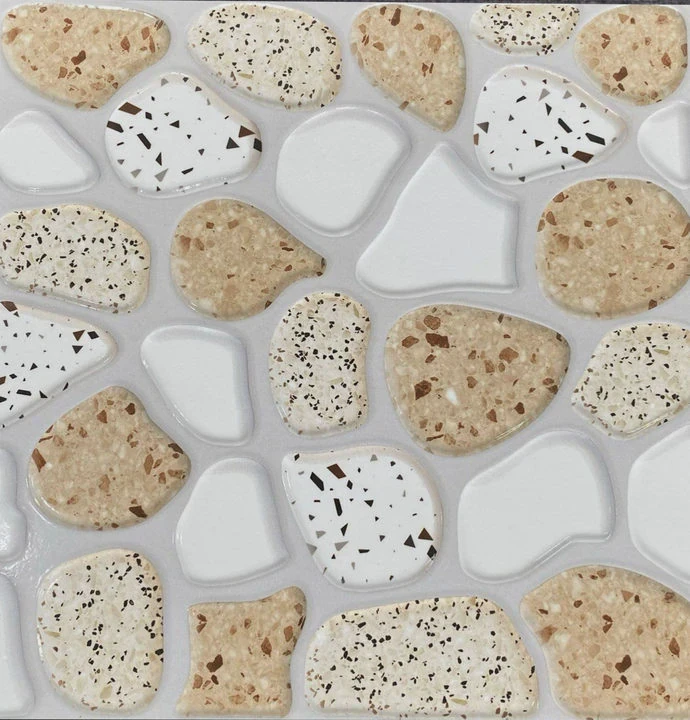
Many buyers struggle to find tiles that look attractive and also perform well over many years. A poor choice can lead to costly replacements, customer complaints, and project delays.
The best place to buy durable tiles for commercial and residential use is from reliable manufacturers and suppliers that offer certified products, stable production capacity, quality control systems, and a wide range of tile specifications suitable for different applications.
The tile market offers thousands of options. Yet not every supplier can provide consistent quality, long-term supply stability, and professional support. Understanding what makes a tile durable and how to evaluate suppliers helps buyers make smarter purchasing decisions.
What Factors Determine Tile Durability?
A tile may look beautiful in a showroom, but appearance alone does not determine how long it will last. Durability depends on several technical characteristics that affect performance in daily use.
Tile durability is determined by factors such as material composition, water absorption rate, wear resistance, surface hardness, manufacturing quality, and installation conditions. These elements work together to influence long-term performance.
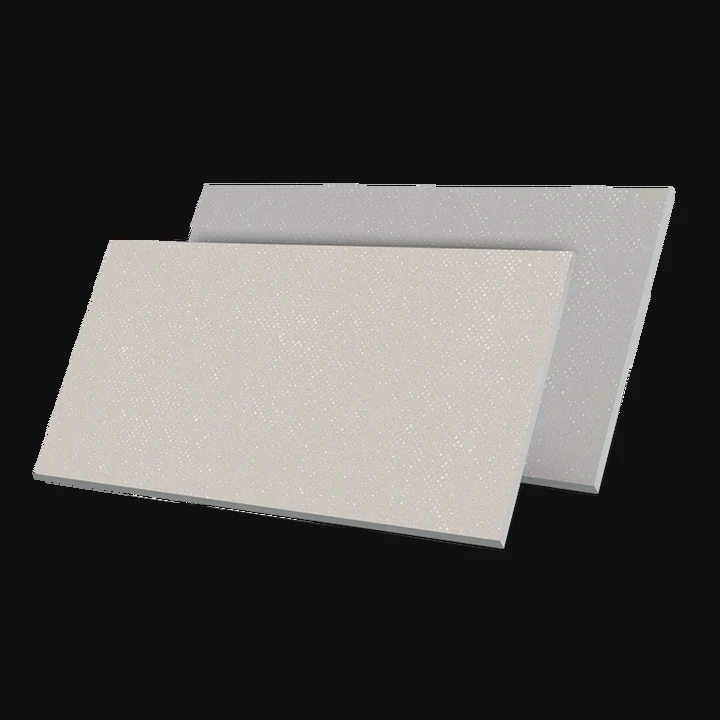
Many customers ask why some tiles remain in excellent condition for decades while others show damage after only a few years. The answer usually comes down to manufacturing quality and technical specifications.
Material Composition Matters
The raw materials used during production directly affect tile strength.
Porcelain tiles are often considered one of the most durable choices because they are manufactured under high pressure and high firing temperatures.
Common tile categories include:
- Porcelain tiles
- Ceramic tiles
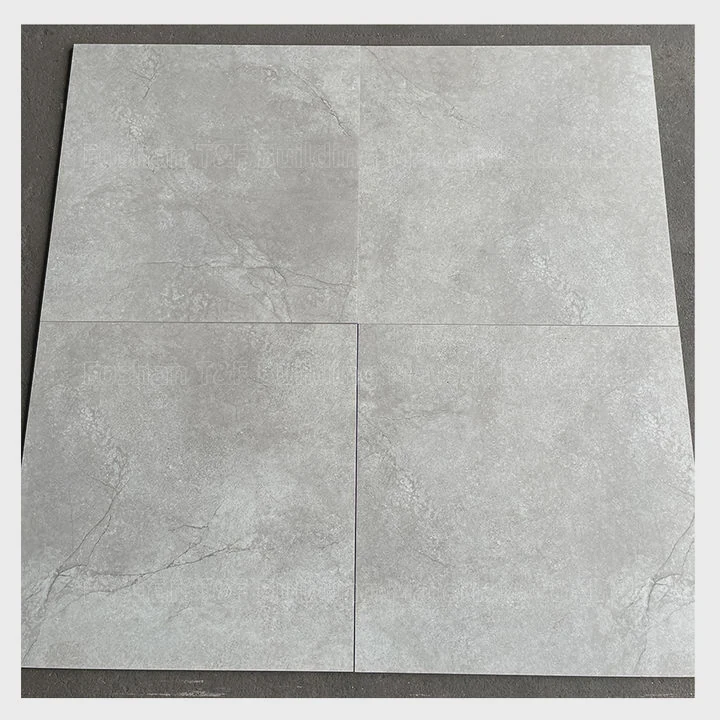
- Polished tiles
- Glazed porcelain tiles
- Rustic tiles
- Mosaic tiles
Each category offers different performance characteristics.
Water Absorption Rate
Water absorption is one of the most important indicators of durability.
Tiles with lower water absorption generally offer:
- Better frost resistance
- Improved strength
- Reduced cracking risk
- Longer service life
Porcelain tiles typically have much lower water absorption rates than standard ceramic products.
Wear Resistance
Commercial environments experience much heavier traffic than residential spaces.
High wear resistance becomes essential in:
- Shopping malls
- Hotels
- Restaurants
- Office buildings
- Public facilities
Manufacturers often conduct abrasion testing to measure surface durability.
Surface Hardness
Harder surfaces resist scratches and daily wear more effectively.
This becomes especially important in areas exposed to:
- Moving furniture
- Heavy foot traffic
- Cleaning equipment
- Commercial operations
Key Durability Factors Comparison
| Factor | Impact On Durability |
|---|---|
| Water absorption | High |
| Surface hardness | High |
| Wear resistance | High |
| Manufacturing quality | Very High |
| Installation quality | Very High |
Manufacturing Consistency
Even excellent raw materials cannot compensate for poor production control.
Reliable factories maintain:
- Strict quality inspections
- Dimensional accuracy checks
- Surface quality control
- Performance testing
Consistent production helps ensure every batch meets the same standards.
Durability is never determined by a single feature. It is the result of quality materials, advanced manufacturing, and proper installation working together.
How Can You Choose Reliable Tile Suppliers?
Many buyers focus only on tile prices. However, the cheapest supplier is not always the best long-term partner.
Reliable tile suppliers demonstrate stable production capacity, consistent quality control, export experience, transparent communication, and the ability to support long-term business growth.
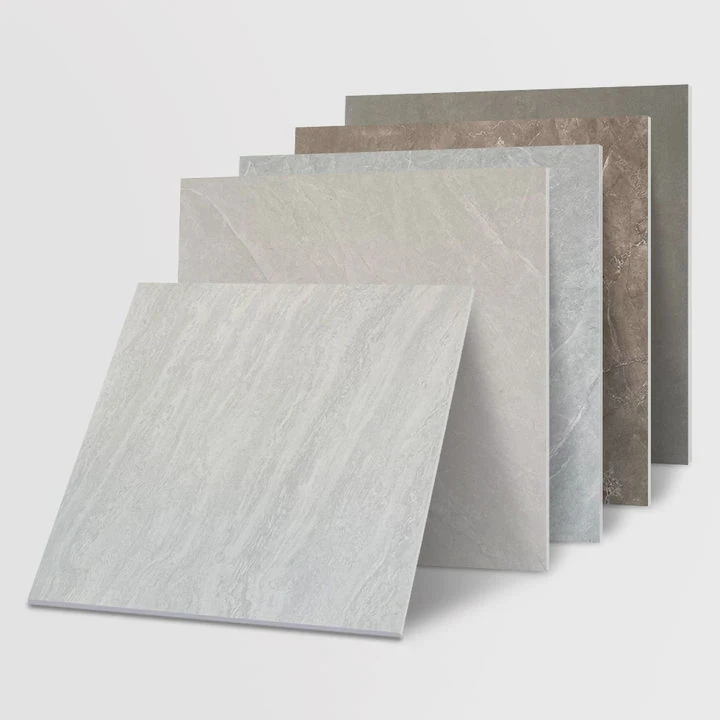
Choosing the right supplier can have a major impact on profitability, project success, and customer satisfaction.
Evaluate Manufacturing Capability
A supplier’s production capacity often reflects its ability to handle large and ongoing orders.
Important factors include:
- Factory scale
- Production lines
- Monthly output
- Equipment technology
- Inventory management
A supplier with stable production can better support growing business demands.
Review Product Range
A wider product selection provides greater flexibility.
Many importers and distributors prefer suppliers offering:
- Glazed porcelain tiles
- Polished tiles
- Rustic tiles
- Large-format slabs
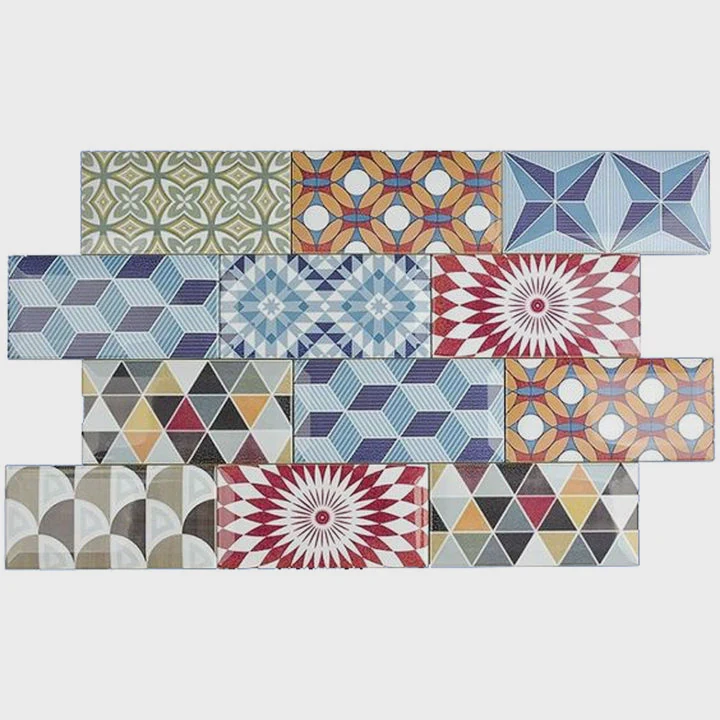
- Wall tiles
- Mosaic collections
This allows buyers to serve multiple customer segments through a single supplier relationship.
Check Export Experience
International buyers often face logistical challenges.
Experienced export suppliers understand:
- Container loading
- Export documentation
- Packaging requirements
- Shipping coordination
- Customs procedures
Strong export knowledge helps reduce delays and unexpected costs.
Signs Of A Reliable Supplier
| Evaluation Area | What To Look For |
|---|---|
| Factory strength | Stable production |
| Quality control | Consistent inspections |
| Communication | Fast responses |
| Export experience | Global shipments |
| Product range | Multiple categories |
Assess Communication Quality
Good communication often prevents future problems.
When working with suppliers, I pay attention to:
- Response speed
- Technical knowledge
- Problem-solving ability
- Transparency
Clear communication becomes especially important during large projects.
Request Samples
Samples provide valuable insight before placing large orders.
A sample evaluation can reveal:
- Surface quality
- Color consistency
- Edge precision
- Packaging standards
This step reduces purchasing risk significantly.
Long-Term Partnership Value
The strongest supplier relationships extend beyond individual transactions.
Reliable suppliers often support customers through:
- Product recommendations
- Market trends
- Custom development
- OEM and ODM services
- After-sales assistance
A supplier should not simply sell products. They should help support business growth.
Why Compare Commercial And Residential Tile Options?
Many buyers assume that all tiles can be used everywhere. In reality, commercial and residential applications often require different performance characteristics.
Comparing commercial and residential tile options helps buyers select products that match traffic levels, maintenance requirements, safety standards, and budget expectations.

Understanding the differences between these two categories helps prevent costly specification mistakes.
Traffic Requirements Differ
Residential homes usually experience lighter daily traffic than commercial environments.
Commercial spaces may receive thousands of visitors each day.
Examples include:
- Retail stores
- Hotels
- Airports
- Restaurants
- Office buildings
These environments demand stronger wear resistance.
Maintenance Expectations
Commercial property owners often prioritize easy maintenance.
They typically seek:
- Stain resistance
- Scratch resistance
- Easy cleaning
- Long service life
Residential buyers may place greater emphasis on design and comfort.
Design Considerations
Homeowners frequently focus on visual appeal.
Popular residential choices include:
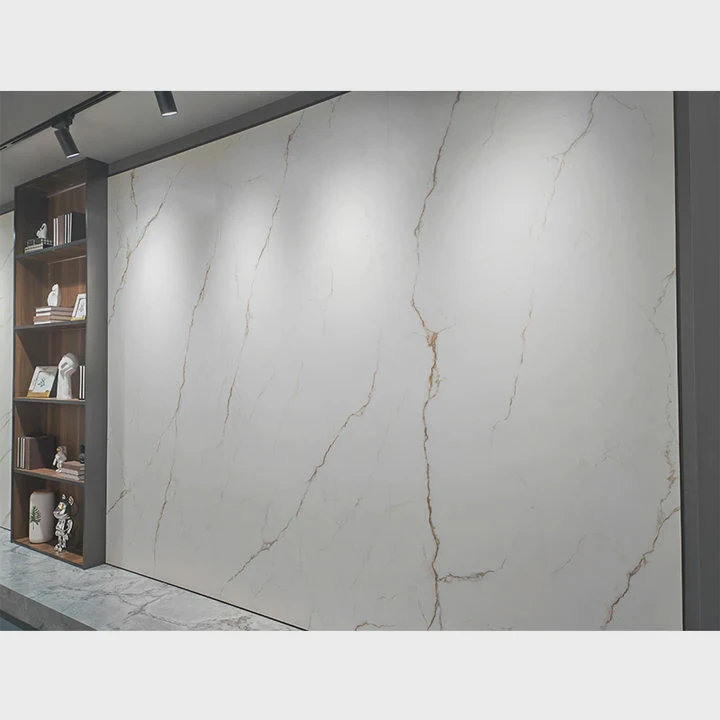
- Marble-look porcelain tiles
- Wood-look tiles
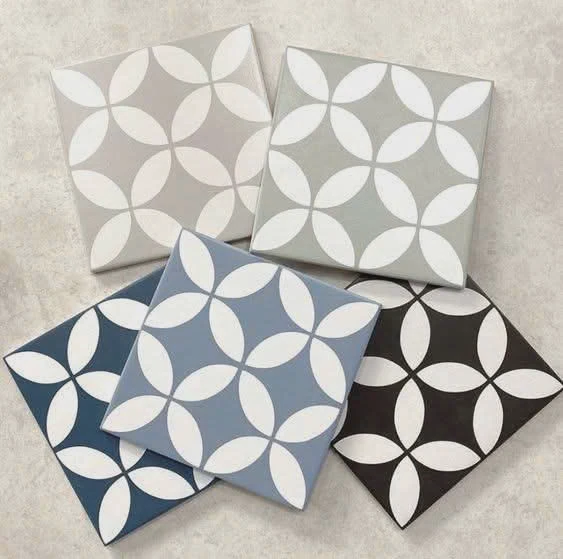
- Decorative mosaics
- Large-format wall tiles
Commercial projects often prioritize durability alongside aesthetics.
Commercial Vs Residential Comparison
| Feature | Residential | Commercial |
|---|---|---|
| Foot traffic | Moderate | Heavy |
| Wear resistance | Medium | High |
| Maintenance needs | Moderate | High |
| Design flexibility | High | Medium |
| Lifespan expectations | High | Very High |
Safety Requirements
Commercial projects frequently face stricter safety standards.
Slip resistance becomes especially important in:
- Hotels
- Shopping centers
- Public bathrooms
- Restaurants
The correct surface texture can reduce accident risks.
Budget Strategy
Residential projects often involve smaller quantities and greater design flexibility.
Commercial developments usually focus on:
- Bulk purchasing
- Consistent supply
- Lifecycle cost analysis
- Long-term durability
A lower upfront cost does not always mean lower total ownership costs.
Future Replacement Costs
Commercial spaces often experience higher replacement expenses because business operations may be disrupted during renovations.
For this reason, many project managers prefer durable porcelain solutions that can perform reliably over many years.
Comparing commercial and residential requirements helps buyers select products based on actual performance needs rather than appearance alone.
Which Certifications Indicate High-Quality Tiles?
The tile industry uses various testing standards and certifications to verify product quality. These certifications provide valuable information for buyers evaluating suppliers.
High-quality tiles are often supported by certifications and test reports that verify water absorption, strength, wear resistance, dimensional accuracy, safety performance, and manufacturing quality standards.
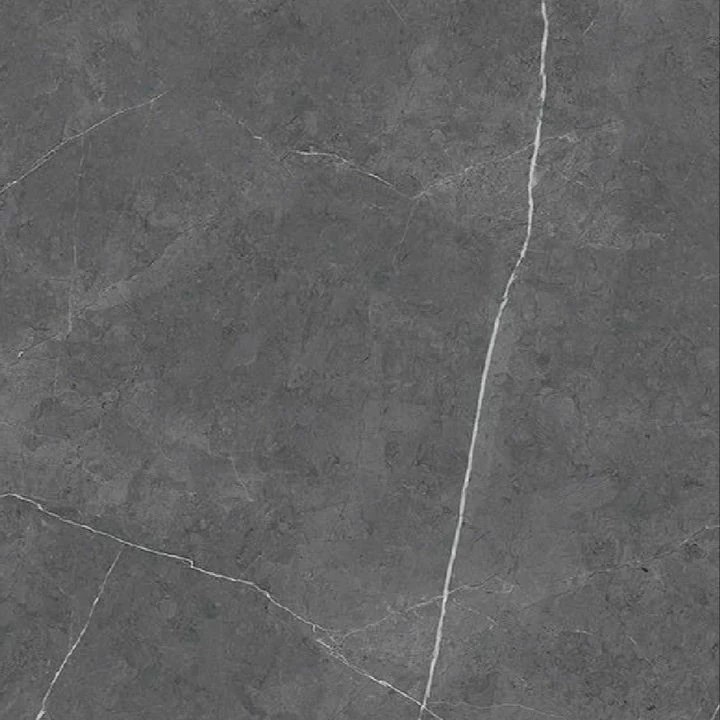
Certifications help buyers make informed decisions and reduce purchasing risks.
Why Certifications Matter
Independent testing provides objective verification of product performance.
Benefits include:
- Greater buyer confidence
- Consistent quality standards
- Improved project compliance
- Reduced performance uncertainty
Certifications become particularly important in large commercial developments.
ISO Quality Management Standards
One widely recognized certification is ISO quality management compliance.
This certification demonstrates that a manufacturer follows structured quality control procedures.
Areas often covered include:
- Production management
- Inspection procedures
- Documentation systems
- Continuous improvement practices
Technical Testing Indicators
Several performance tests are commonly reviewed during tile selection.
Important indicators include:
| Test Category | Purpose |
|---|---|
| Water absorption | Measures moisture resistance |
| Breaking strength | Evaluates load capacity |
| Abrasion resistance | Measures wear performance |
| Slip resistance | Assesses safety |
| Dimensional accuracy | Confirms size consistency |
These tests help buyers compare products objectively.
CE Marking And Regional Standards
For many international markets, compliance with regional requirements may be necessary.
Depending on the destination market, buyers may review:
- CE compliance
- Local building standards
- Import regulations
- Project-specific requirements
Verification should always align with local regulations.
Product Testing Reports
Many professional buyers request recent laboratory reports before placing large orders.
Testing reports can provide information about:
- Technical performance
- Product consistency
- Compliance status
- Quality benchmarks
This data supports more informed purchasing decisions.
Factory Audits
Some buyers conduct factory audits in addition to reviewing certifications.
Factory inspections may evaluate:
- Production facilities
- Quality systems
- Warehouse management
- Testing equipment
- Export operations
Audits provide direct visibility into manufacturing practices.
Looking Beyond Paper Certifications
While certifications are important, they should not be the only evaluation factor.
The strongest suppliers combine:
- Certified quality systems
- Proven production experience
- Stable manufacturing capacity
- Positive customer feedback
- Long-term reliability
Certifications provide evidence, but consistent product performance ultimately confirms quality.
Conclusion
Buying durable tile for commercial and residential use requires more than comparing prices. Buyers should evaluate durability factors, supplier reliability, application requirements, and quality certifications. A trusted supplier with strong manufacturing capabilities and verified quality standards can help ensure long-lasting performance and successful projects for years to come. “`**