What Is Mastic for Tile?
- Sinotiles
- 2026-05-23
Many people hear the word “mastic” during tile installation projects, but they often confuse it with regular tile adhesive or thinset mortar.
Tile mastic is a pre-mixed adhesive used to attach tiles to walls and some dry indoor surfaces. It offers easy application and strong initial grip, but it is not suitable for every tile type or installation environment.
Mastic has been used in residential and commercial tile projects for many years. It remains popular for certain wall applications because it is simple to use and saves installation time.
What Is Tile Mastic Used for in Installation?
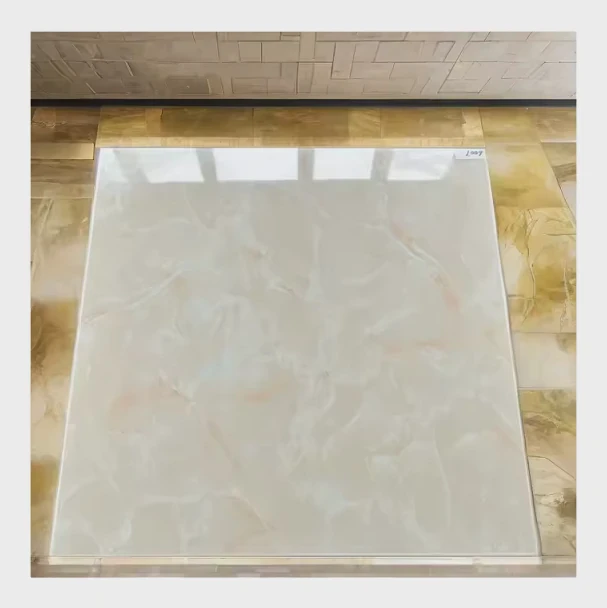
Many tile installations require adhesives that can hold tiles securely in place during installation. Mastic is commonly chosen because it provides strong initial tack and easy handling.
Tile mastic is mainly used for installing ceramic and porcelain wall tiles in dry indoor areas such as kitchen backsplashes, bathroom walls, and decorative feature surfaces. It is valued for convenience and fast application.

Unlike powdered mortars that require mixing, mastic comes ready to use directly from the container. This reduces preparation time and makes installation easier for many projects.
Common Uses for Tile Mastic
Mastic works best on vertical surfaces where tiles need immediate holding power.
Popular applications include:
- Kitchen backsplashes
- Bathroom walls
- Decorative wall panels
- Fireplace surrounds
- Accent walls
Its sticky consistency helps prevent tiles from sliding during installation.
Why Installers Like Mastic
One major advantage is convenience.
Installers do not need:
- Mixing buckets
- Water ratios
- Power mixers
- Complex preparation
This simplifies smaller residential jobs significantly.
Pre-Mixed Formula Saves Time
Because mastic is pre-mixed, it helps reduce installation errors caused by incorrect mortar mixing.
This is especially useful for:
- DIY projects
- Small renovations
- Fast repairs
- Limited tile areas
Strong Initial Grab
Mastic has high initial adhesion. Tiles stay in position more easily after placement.
This feature becomes very useful on wall surfaces.
Common Tile Types Used With Mastic
| Tile Type | Mastic Compatibility |
|---|---|
| Ceramic wall tile | Excellent |
| Small porcelain tile | Good |
| Glass mosaic tile | Good |
| Large-format porcelain | Limited |
| Natural stone | Usually not recommended |
Tile size and weight strongly affect mastic performance.
Smooth Indoor Surfaces
Mastic works well on smooth, dry substrates like:
- Cement board
- Drywall in dry zones
- Painted surfaces after preparation
- Interior wall panels
Still, surface preparation remains important for proper adhesion.
Commercial Decorative Applications
Many commercial spaces use mastic for feature walls because installation becomes faster and cleaner.
Restaurants, hotels, and retail stores often prefer quick installation systems for decorative tile areas.
Easy Cleanup
Mastic usually cleans more easily than cement mortar before curing.
This helps reduce installation mess during indoor projects.
Tile mastic remains a useful adhesive for many wall tile applications, especially when convenience and fast installation are important priorities.
How Does Mastic Differ From Thinset Mortar?
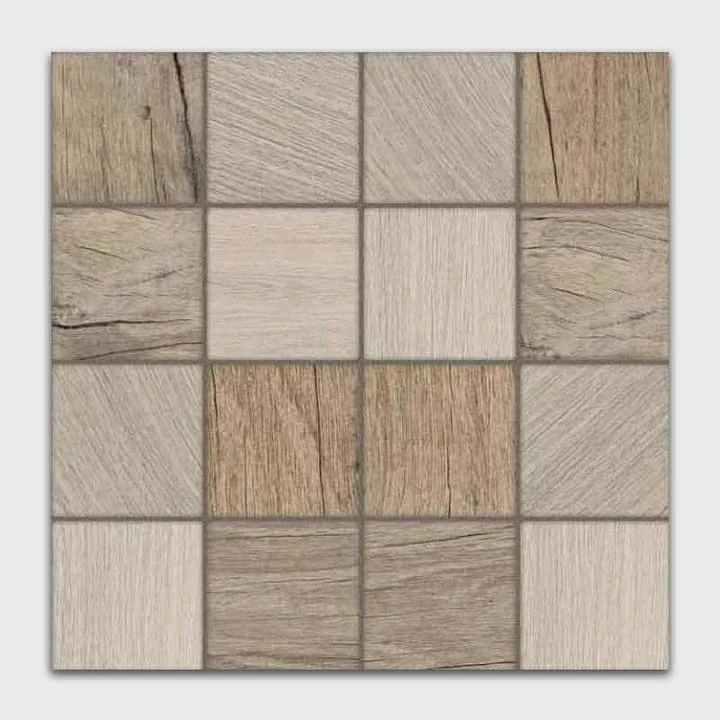
Many people assume mastic and thinset perform the same function. While both attach tile to surfaces, they behave very differently during installation and long-term use.
Mastic differs from thinset mortar in composition, moisture resistance, strength, flexibility, curing method, and installation applications. Mastic is pre-mixed and easier to use, while thinset mortar offers greater durability and water resistance.

Understanding these differences helps prevent installation mistakes. Choosing the wrong adhesive may cause tile failure, especially in wet or high-load environments.
Composition Differences
Mastic is an organic adhesive made from resins and polymers.
Thinset mortar is cement-based and usually comes as a dry powder that must be mixed with water or additives.
Moisture Resistance
Thinset handles moisture much better than mastic.
This makes thinset the preferred choice for:
- Shower floors
- Swimming pools
- Outdoor installations
- Steam rooms
Mastic may soften if exposed to long-term moisture.
Installation Convenience
Mastic is easier for beginners because it comes ready to use.
Thinset requires:
- Proper mixing
- Correct water ratios
- Limited working time
Still, professional installers often prefer thinset for demanding projects.
Drying and Curing Differences
Mastic dries mainly through air exposure.
Thinset cures chemically through cement hydration.
Because of this, thick mastic layers may dry slowly behind large tiles.
Strength Comparison
| Feature | Mastic | Thinset Mortar |
|---|---|---|
| Initial grab | Strong | Moderate |
| Water resistance | Limited | Excellent |
| Heavy tile support | Limited | Strong |
| Outdoor use | Not recommended | Excellent |
| Ease of use | Very easy | Moderate |
Thinset generally provides stronger long-term bonding performance.
Tile Size Considerations
Large-format tiles require stronger adhesive support.
Many large porcelain panels are too heavy for standard mastic systems.
Thinset performs better under heavy loads.
Heat Resistance
Thinset also handles temperature changes more effectively.
This makes it better for:
- Heated floors
- Outdoor patios
- Fireplace installations
Cost and Labor Differences
Mastic may reduce labor time because no mixing is required.
However, thinset often provides better long-term value in high-performance installations.
Professional Selection Depends on Environment
Commercial builders usually choose adhesives based on:
- Moisture exposure
- Tile size
- Installation location
- Traffic level
- Long-term durability
The correct adhesive improves installation reliability and reduces future maintenance problems.
Why Choose Mastic for Certain Tile Projects?
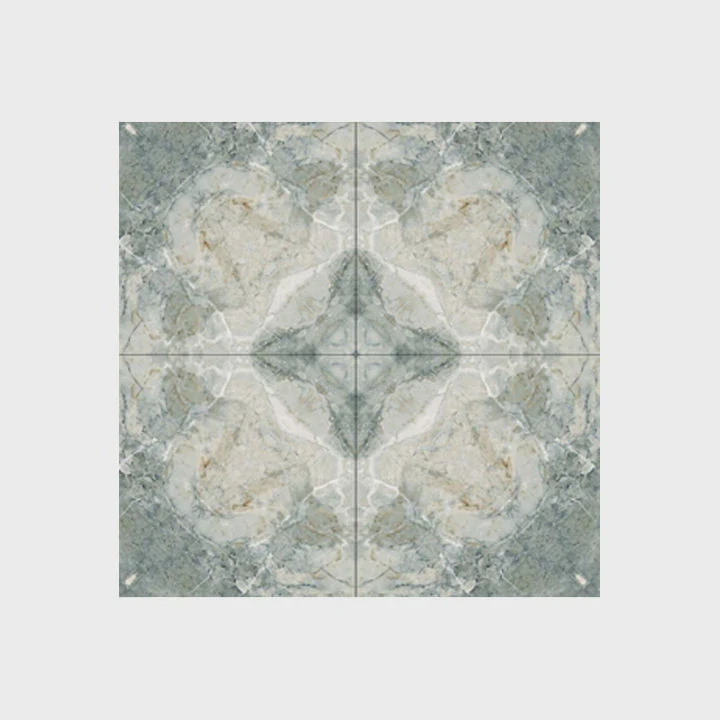
Even though thinset mortar is more versatile, mastic still remains popular for many indoor wall tile applications because of its convenience and ease of use.
Mastic is chosen for certain tile projects because it offers fast application, strong initial grip, easy cleanup, and simplified installation for dry indoor wall surfaces. It works especially well for small and lightweight tile installations.
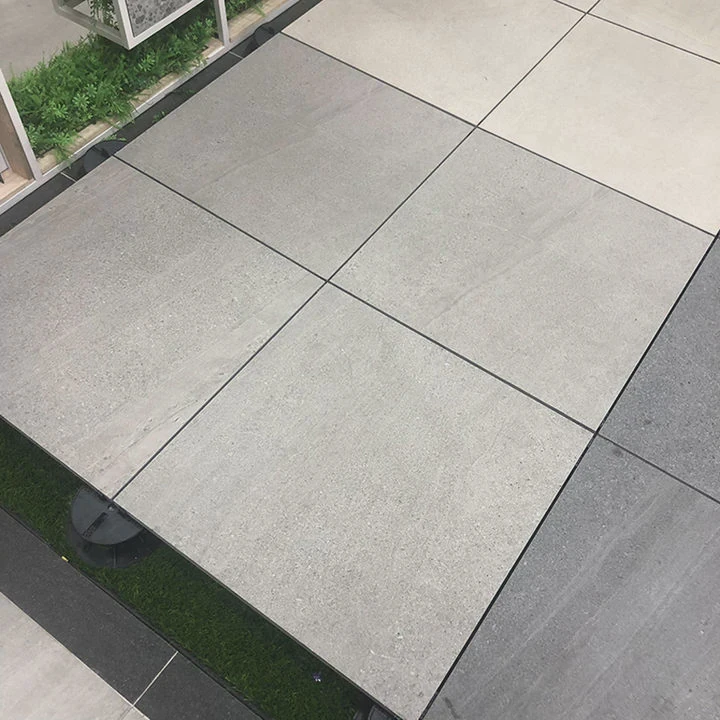
Many residential renovation projects prioritize speed and simplicity. In these situations, mastic often provides practical advantages.
Faster Installation Process
Mastic eliminates mixing steps.
This reduces:
- Setup time
- Tool preparation
- Material waste
- Cleanup labor
Installers can begin tiling immediately after opening the container.
Excellent for Wall Applications
Wall tiles often need immediate support to prevent slipping.
Mastic’s sticky texture helps keep tiles in place during installation.
This makes it especially useful for:
- Subway tile backsplashes
- Glass mosaics
- Decorative wall patterns
Good Choice for DIY Projects
Many homeowners prefer mastic because it is easier to handle than thinset.
The working process feels simpler for beginners.
Cleaner Installation Environment
Powdered mortar creates dust during mixing.
Mastic avoids this issue completely.
This helps maintain cleaner indoor work areas during renovations.
Smaller Tile Projects Benefit Most
Mastic performs best with:
| Project Type | Suitability |
|---|---|
| Kitchen backsplash | Excellent |
| Decorative wall | Excellent |
| Bathroom dry wall | Good |
| Shower floor | Poor |
| Outdoor tile | Not recommended |
Choosing the correct project type is very important.
Better Tile Positioning Control
Some installers feel mastic offers smoother tile adjustment during placement.
This can improve alignment in decorative layouts.
Reduced Material Waste
Unused mastic can often be sealed and stored for later use.
Mixed thinset usually hardens quickly and must be discarded after limited working time.
Useful for Quick Renovations
Retail stores, restaurants, and hotels sometimes use mastic for fast cosmetic upgrades because installation becomes quicker and less disruptive.
Proper Environment Is Critical
Despite its convenience, mastic should only be used where moisture exposure remains low.
Correct product selection always matters more than installation speed.
Mastic continues to serve as a practical adhesive for many indoor wall tile projects where simplicity, efficiency, and fast handling are important priorities.
Which Limitations Apply When Using Tile Mastic?
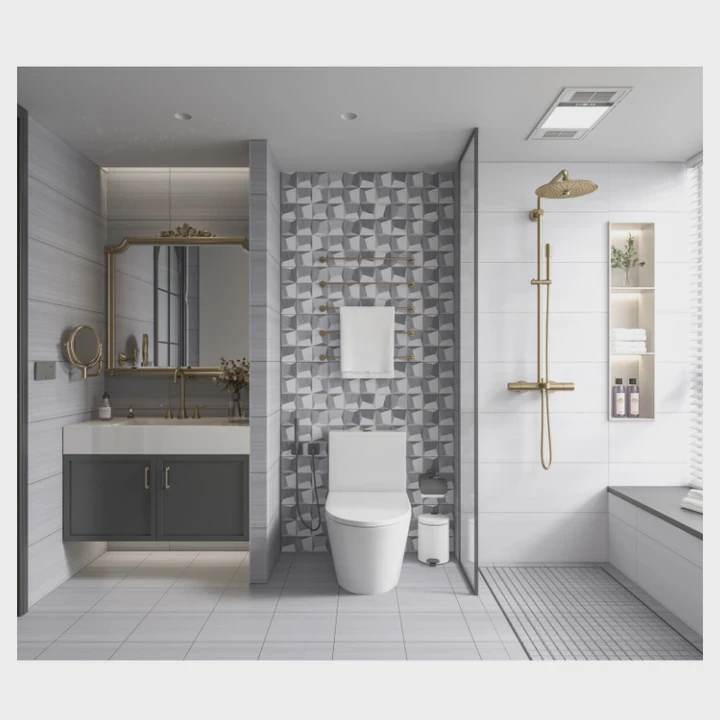
Although mastic offers many advantages, it also has important limitations. Using it in the wrong environment can lead to serious tile failures later.
Tile mastic has limitations related to moisture resistance, tile size, drying speed, heat exposure, floor applications, and outdoor durability. Understanding these restrictions helps prevent installation problems and long-term adhesive failure.
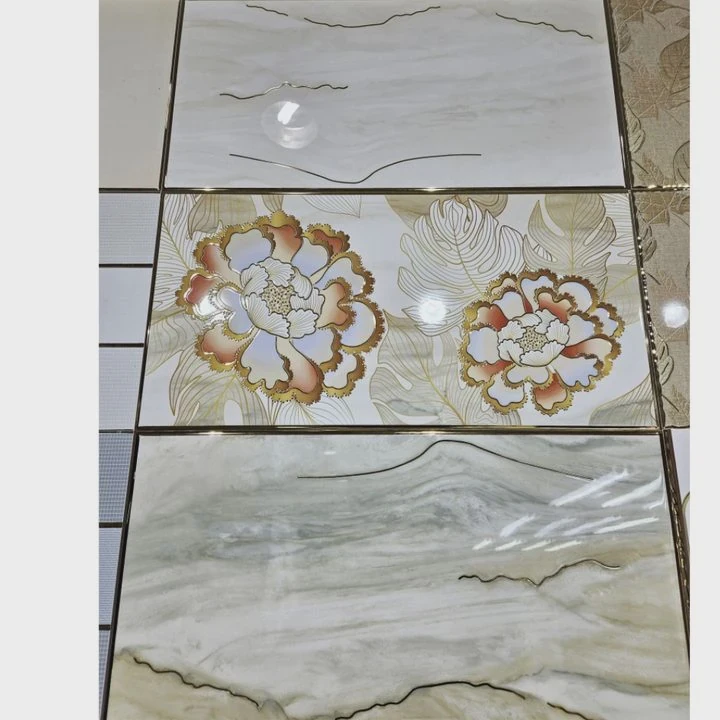
Many installation problems happen because the adhesive was chosen based on convenience instead of performance requirements.
Poor Performance in Wet Areas
Mastic is highly sensitive to long-term moisture exposure.
It is usually not recommended for:
- Shower floors
- Steam rooms
- Swimming pools
- Exterior walls
- Wet commercial kitchens
Excess moisture may soften the adhesive over time.
Limited Support for Heavy Tiles
Large-format porcelain and stone tiles create more weight stress.
Standard mastic adhesives may not support these materials safely.
Slow Drying Behind Large Tiles
Large dense tiles reduce air circulation behind the adhesive.
Because mastic dries through evaporation, thick layers may remain soft for extended periods.
Heat Sensitivity
High temperatures can weaken some mastic products.
This creates risk near:
- Fireplaces
- Heated floors
- Outdoor sun exposure
Floor Installations Are Risky
Most floor surfaces experience constant pressure and movement.
Thinset mortar generally performs much better under foot traffic.
Potential Mold Concerns
Organic adhesives may support mold growth in damp environments if water penetration occurs.
This becomes especially dangerous in poorly ventilated bathrooms.
Common Mastic Limitations
| Limitation | Potential Problem |
|---|---|
| Excess moisture | Adhesive softening |
| Large heavy tile | Bond failure |
| Exterior use | Weather damage |
| Thick application | Slow curing |
| High heat | Adhesive weakening |
Understanding these risks helps installers avoid expensive repairs later.
Manufacturer Guidelines Matter
Different mastic products have different performance ratings.
Professional installers carefully review:
- Moisture limitations
- Maximum tile size
- Cure times
- Approved substrates
Ignoring product instructions increases failure risk significantly.
Commercial Projects Often Use Thinset Instead
Large commercial installations usually favor cement-based thinset systems because they provide stronger long-term durability and better moisture resistance.
Still, mastic remains valuable when used correctly in suitable indoor wall applications.
The key is understanding where mastic performs well and where stronger adhesive systems are necessary.
Conclusion
Tile mastic is a pre-mixed adhesive mainly used for dry indoor wall tile installations. It offers easy application, strong initial grip, and faster installation, but it also has limitations in wet areas, heavy tile projects, and high-moisture environments. Choosing the correct adhesive helps ensure durable and reliable tile performance.