How to Replace a Tile Ceiling?
- Sinotiles
- 2026-06-02

A damaged tile ceiling can make an entire room look outdated, stained, or poorly maintained. Many property owners delay repairs because they think the replacement process is difficult.
Replacing a tile ceiling is usually a straightforward project when the correct tools, safety precautions, and replacement materials are used. Most suspended ceiling systems allow damaged tiles to be removed and replaced without major construction work.
Many homeowners, contractors, and building managers face ceiling tile issues caused by water damage, aging, impact, or discoloration. Understanding the replacement process helps reduce downtime, maintain appearance, and extend the life of the ceiling system.
Many people assume that replacing a ceiling requires a complete renovation. In reality, many tile ceiling repairs can be completed quickly with basic tools and careful planning.
What Tools Are Required for Tile Ceiling Replacement?
A ceiling replacement project often becomes frustrating when the necessary tools are not available. Missing equipment can slow progress and increase the risk of damage.
The most common tools required for tile ceiling replacement include a ladder, utility knife, measuring tape, safety glasses, gloves, and replacement ceiling tiles. Additional tools may be needed depending on the ceiling system.
Before beginning any ceiling project, it is important to gather all necessary tools and materials. Proper preparation makes the installation safer and more efficient.
Basic Tools for Most Ceiling Tile Projects
Many suspended ceiling systems require only a few common tools.
| Tool | Purpose |
|---|---|
| Step ladder | Access ceiling area safely |
| Measuring tape | Measure tile dimensions |
| Utility knife | Trim ceiling tiles |
| Pencil | Mark cutting lines |
| Safety glasses | Protect eyes from debris |
| Work gloves | Protect hands during handling |
| Dust mask | Reduce dust inhalation |
| Flashlight | Improve visibility above ceiling |
These tools are suitable for most residential and commercial ceiling tile replacement projects.
Why Safety Equipment Matters
Many people focus only on installation tools and overlook personal protection.
Ceiling replacement often creates:
- Dust
- Loose particles
- Fiberglass debris
- Sharp metal grid edges
Proper safety gear helps prevent injuries and discomfort.
Additional Tools for Specialized Ceilings
Some ceiling systems require extra equipment.
For Glue-Up Ceiling Tiles
You may need:
- Adhesive
- Caulking gun
- Putty knife
For Staple-Up Ceiling Tiles
You may need:
- Staple gun
- Hammer
- Pry bar
For Metal Ceiling Panels
You may need:
- Tin snips
- Metal cutting tools
- Protective gloves
Understanding Ceiling Tile Sizes
Accurate measurements are critical.
Common ceiling tile dimensions include:
| Tile Size | Common Application |
|---|---|
| 600 x 600 mm | Commercial ceilings |
| 600 x 1200 mm | Offices and retail spaces |
| 2 ft x 2 ft | North American suspended ceilings |
| 2 ft x 4 ft | Large commercial installations |
Always verify tile size before purchasing replacements.
Preparing the Work Area
Preparation is often overlooked.
Before beginning:
- Remove furniture if possible.
- Cover floors with protective sheets.
- Turn off nearby electrical equipment.
- Ensure adequate lighting.
- Position the ladder on a stable surface.
Common Tool Mistakes
Several mistakes occur frequently during ceiling replacement.
Avoid:
- Using unstable ladders
- Cutting tiles without measuring
- Working without eye protection
- Using dull utility blades
- Ignoring ceiling grid alignment
A previous renovation project highlighted the value of preparation. A simple tile replacement became much longer because the replacement tiles were measured incorrectly. Since then, verifying dimensions before purchasing materials has become standard practice.
Good preparation often saves more time than any tool.
How Do You Safely Remove Old Ceiling Tiles?
Removing ceiling tiles may appear simple, but careless handling can damage the grid system or create safety hazards.
Old ceiling tiles should be removed carefully by lifting them above the grid, tilting them at an angle, and lowering them slowly while wearing proper safety equipment and checking for electrical or mechanical obstacles.

Safe removal protects both the installer and the surrounding ceiling structure.
Inspect Before Removal
Before touching any tile, inspect the area carefully.
Look for:
- Water damage
- Mold growth
- Sagging tiles
- Loose grid sections
- Electrical wiring
- HVAC ducts
This inspection helps identify hidden risks.
Step-by-Step Removal Process
Step 1: Position the Ladder
Place the ladder directly below the tile.
Maintain stable footing throughout the process.
Step 2: Wear Protective Equipment
Recommended protection includes:
- Safety glasses
- Gloves
- Dust mask
Older ceiling tiles may release dust during handling.
Step 3: Lift the Tile
Raise the tile gently above the grid system.
Avoid excessive force.
Step 4: Rotate the Tile
Turn the tile slightly so it can pass through the grid opening.
Step 5: Lower Carefully
Bring the tile down slowly while watching for obstructions.
Handling Water-Damaged Tiles
Water-damaged tiles often become fragile.
Extra care is needed because they may:
- Crack easily
- Break apart
- Release debris
Supporting the tile with both hands reduces the chance of breakage.
Checking the Ceiling Void
After removal, inspect the area above the ceiling.
Look for:
- Plumbing leaks
- Damaged insulation
- Electrical issues
- Structural concerns
Many ceiling stains originate from unresolved leaks. Replacing tiles without fixing the source often leads to repeated damage.
Dealing With Mold Concerns
Mold should never be ignored.
If significant mold growth is visible:
- Identify the moisture source.
- Correct the moisture problem.
- Follow local remediation guidelines.
Large mold issues may require professional assistance.
Mistakes to Avoid During Removal
Some common errors include:
- Pulling tiles downward forcefully
- Ignoring hidden wires
- Standing on unstable furniture
- Reusing heavily damaged tiles
- Removing multiple tiles at once
Preserving Reusable Tiles
Not all removed tiles require disposal.
Undamaged tiles may be:
- Stored as spare inventory
- Reinstalled elsewhere
- Used for future repairs
Labeling stored tiles helps maintain consistency later.
Safe removal is often the easiest part of the project when performed patiently. Rushing usually creates more damage than the original problem.
Can Damaged Ceiling Tiles Be Replaced Individually?
Many building owners worry that one damaged tile means replacing an entire ceiling. Fortunately, that is often unnecessary.
Yes, damaged ceiling tiles can usually be replaced individually if the ceiling grid remains intact and matching replacement tiles are available. This is one of the major advantages of suspended ceiling systems.

Individual tile replacement helps reduce both repair costs and labor requirements.
Why Individual Replacement Is Possible
Suspended ceiling systems are designed using a modular layout.
Each tile functions independently within the grid.
Benefits include:
- Easy maintenance
- Lower repair costs
- Faster replacement
- Reduced waste
Situations Where Individual Replacement Works Best
Water Stains
A plumbing leak may affect only a few tiles.
Once the leak is repaired, those specific tiles can often be replaced.
Impact Damage
Accidental contact with equipment or ladders may damage isolated sections.
Discoloration
Aging tiles sometimes become stained or faded.
Replacing affected tiles can restore appearance.
When Full Replacement May Be Better
Sometimes replacing a single tile creates visual differences.
This happens when:
- Original tiles are discontinued
- Existing tiles have aged significantly
- Color fading is uneven
In these cases, larger replacement sections may provide a more uniform appearance.
Evaluating Grid Condition
Before installing a new tile, inspect the grid.
Check for:
| Inspection Point | What to Look For |
|---|---|
| Main runners | Straight alignment |
| Cross tees | Secure connections |
| Rust | Corrosion damage |
| Sagging | Structural weakness |
| Fasteners | Tight attachment |
A damaged grid may require repair before tile replacement.
How to Replace a Single Ceiling Tile
The process is straightforward.
- Remove the damaged tile.
- Measure the opening.
- Confirm tile thickness.
- Insert the replacement tile.
- Check alignment.
- Verify level positioning.
Benefits of Individual Replacement
Replacing only damaged sections offers several advantages.
Lower Cost
Fewer materials are required.
Less Waste
Usable ceiling components remain in service.
Faster Completion
Most individual replacements take only a few minutes.
Minimal Disruption
Businesses and homeowners can continue normal activities with limited interruption.
Keeping Spare Tiles
Many facility managers save extra tiles after installation.
This strategy helps when:
- Future damage occurs
- Product lines change
- Manufacturers discontinue designs
Spare inventory often becomes valuable years later.
A small stock of matching ceiling tiles can prevent expensive ceiling-wide replacements.
Where to Buy Matching Replacement Ceiling Tiles?
Finding replacement tiles can be challenging when the original ceiling was installed years ago. Color variations and discontinued products often complicate the process.
Matching replacement ceiling tiles can be purchased from building supply stores, ceiling tile manufacturers, specialty distributors, commercial suppliers, and online construction material retailers. Accurate measurements and product identification are essential.
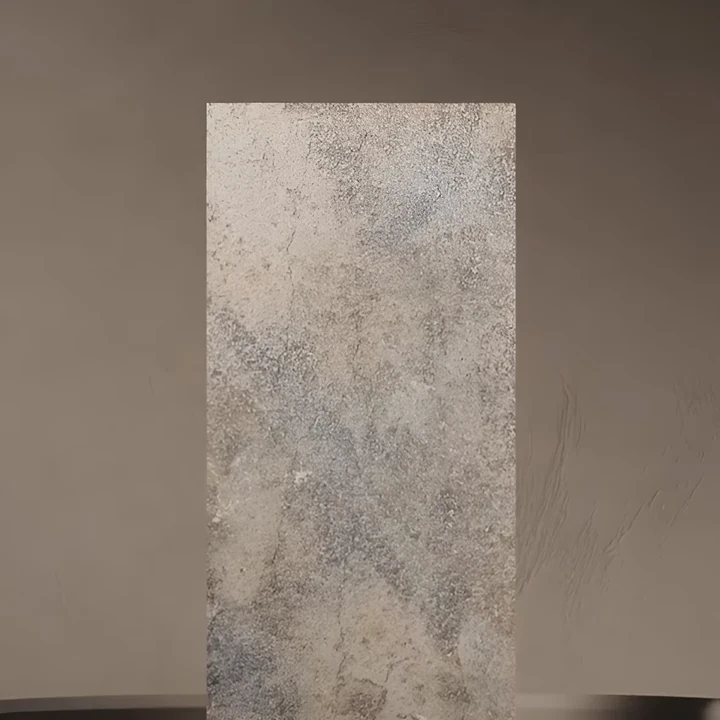
The success of a ceiling repair often depends on how closely the replacement tile matches the existing installation.
Start With Product Identification
Before shopping, gather key information.
Record:
- Tile dimensions
- Edge profile
- Surface texture
- Color
- Manufacturer name
- Product code if available
Many tiles contain markings on the back side.
Common Sources for Replacement Tiles
Building Material Stores
Large building suppliers often stock standard ceiling tile products.
Advantages include:
- Immediate availability
- In-person comparison
- Staff assistance
Ceiling Specialists
Specialty distributors may offer discontinued or commercial products.
These suppliers often provide:
- Technical support
- Product matching services
- Large project assistance
Online Suppliers
Online stores expand product options.
Benefits include:
- Larger inventory
- Access to rare products
- Convenient ordering
Matching Important Tile Features
Appearance depends on more than size alone.
Edge Type
Common edge styles include:
- Square edge
- Tegular edge
- Reveal edge
Incorrect edge profiles can create visible gaps.
Surface Texture
Texture variations may become noticeable under lighting.
Thickness
Different thicknesses affect fit and appearance.
When Exact Matches Are Unavailable
Some products are discontinued.
Possible solutions include:
- Replacing a larger section
- Mixing replacement areas strategically
- Upgrading the entire ceiling zone
Working With Commercial Suppliers
For larger projects, commercial suppliers often provide better support.
Many contractors purchase from suppliers that offer:
- Bulk pricing
- Project coordination
- Consistent inventory
- Technical specifications
Considering Future Availability
When selecting a replacement product, it is wise to think ahead.
Products with strong market presence often offer:
- Long-term availability
- Easier future maintenance
- Consistent specifications
Choosing Quality Over Price
The cheapest tile is not always the best option.
Important factors include:
- Durability
- Moisture resistance
- Acoustic performance
- Fire ratings
- Visual consistency
For commercial spaces and long-term projects, quality usually delivers better value over time.
A well-matched replacement tile should blend naturally with the surrounding ceiling. When visitors cannot identify the repaired area, the replacement has achieved its goal.
Conclusion
Replacing a tile ceiling is usually a manageable project when the right tools, safety practices, and replacement materials are used. Whether replacing a single damaged tile or restoring a larger section, careful measurement, safe removal, and proper product matching help create a professional-looking result while extending the life of the ceiling system.