Which Tile Is Better, Porcelain or Ceramic?
- Sinotiles
- 2026-06-02
Many buyers struggle to choose between porcelain and ceramic tiles. Both look similar at first glance, yet their performance, durability, and cost can be very different.
Porcelain tile is generally stronger, denser, and more water resistant than ceramic tile, making it ideal for high-traffic and moisture-prone areas. Ceramic tile is often more affordable, easier to cut, and suitable for many indoor residential applications. The better choice depends on the project requirements, budget, and installation location.
The porcelain versus ceramic debate has existed for decades in the tile industry. Understanding their differences helps importers, distributors, contractors, and homeowners select the right product for each project.
How Do Porcelain and Ceramic Tiles Differ in Durability?
Many customers focus on color and design when choosing tiles. However, durability often determines whether the installation performs well for years or develops problems after a short period.
Porcelain tiles are generally more durable than ceramic tiles because they are manufactured with denser clay materials and fired at higher temperatures. This process creates a harder surface that resists wear, impact, scratches, and heavy traffic more effectively than standard ceramic tiles.
Durability is one of the biggest factors separating porcelain from ceramic tile. Although both products belong to the ceramic tile family, their manufacturing processes create important differences.
Understanding the Manufacturing Process
The main difference begins with raw materials.
Porcelain tiles use:
- Refined clay
- Fine minerals
- Higher-pressure forming
- Higher firing temperatures
Ceramic tiles typically use:
- Standard clay mixtures
- Lower firing temperatures
- Less dense material structures
The result is a tile body that performs differently under stress.
Density Creates Strength
Porcelain’s dense structure gives it several advantages.
| Property | Porcelain Tile | Ceramic Tile |
|---|---|---|
| Density | Higher | Lower |
| Hardness | Higher | Moderate |
| Impact Resistance | Better | Good |
| Wear Resistance | Excellent | Good |
| Lifespan | Longer | Long |
A denser tile contains fewer air pockets. This helps reduce cracking and surface damage.
Performance in High-Traffic Areas
Heavy foot traffic places constant stress on flooring.
Examples include:
- Shopping malls
- Hotel lobbies
- Airports
- Commercial buildings
- Public walkways
Porcelain performs particularly well in these environments because the surface resists abrasion and wear.
Ceramic can still work effectively in residential settings such as:
- Bedrooms
- Living rooms
- Guest bathrooms
- Decorative wall applications
Resistance to Scratches
Scratches often become visible over time.
Porcelain offers advantages because many porcelain products feature through-body construction. The color extends throughout the tile body rather than remaining only on the surface.
If minor scratches occur, they are less noticeable.
Ceramic tiles usually rely on a glazed surface layer. Deep scratches may expose the underlying material and become more visible.
Long-Term Durability
A properly installed porcelain floor can maintain its appearance for decades.
Several factors contribute to longevity:
- High compressive strength
- Strong surface hardness
- Low moisture absorption
- Excellent wear resistance
Ceramic also provides long service life, but porcelain generally offers a greater margin of safety in demanding environments.
For projects that expect heavy daily use, porcelain is often the preferred choice because it delivers greater durability and lower maintenance concerns over time.
Why Is Porcelain Considered More Water Resistant?
Water resistance plays a critical role in tile selection. Moisture can affect performance, maintenance costs, and the overall lifespan of an installation.
Porcelain is considered more water resistant because it has a much lower water absorption rate than ceramic tile. Its dense composition and high-temperature firing process create fewer pores, making it difficult for water to penetrate the tile body.
Many buyers assume all tiles handle moisture equally. In reality, water absorption rates can vary significantly.
Understanding Water Absorption
The tile industry often classifies products according to water absorption levels.
Generally speaking:
| Tile Type | Water Absorption Rate |
|---|---|
| Porcelain | Less than 0.5% |
| Ceramic | Above 0.5% |
| Standard Ceramic | Often 3%-10% |
The lower the absorption rate, the more resistant the tile becomes to moisture-related issues.
Why Density Matters
Porcelain’s dense structure is the primary reason for its superior water resistance.
During manufacturing:
- Fine clay is compressed under high pressure.
- Tiles are fired at extremely high temperatures.
- Internal pores become smaller.
- Water penetration decreases dramatically.
This process creates a nearly impermeable tile body.
Advantages in Wet Environments
Porcelain performs exceptionally well in moisture-prone areas.
Common applications include:
- Bathrooms
- Showers
- Swimming pool surrounds
- Outdoor patios
- Commercial kitchens
- Laundry rooms
The low absorption rate helps reduce moisture-related damage.
Freeze-Thaw Resistance
Outdoor installations face additional challenges.
Water that enters porous materials may freeze and expand during cold weather.
Porcelain offers strong protection because very little water enters the tile.
This makes porcelain a popular option for:
- Exterior facades
- Outdoor walkways
- Garden pathways
- Balcony flooring
Ceramic may still work outdoors in certain climates, but porcelain generally provides greater reliability.
Mold and Maintenance Considerations
Lower water absorption can also simplify maintenance.
Benefits include:
- Reduced staining risk
- Easier cleaning
- Less moisture retention
- Better long-term appearance
While grout still requires maintenance, the tile itself remains highly resistant to water penetration.
For projects where moisture exposure is frequent, porcelain often delivers better performance and lower maintenance requirements than ceramic alternatives.
When Should You Choose Ceramic Over Porcelain Tile?
Porcelain receives a great deal of attention because of its strength and water resistance. However, that does not mean ceramic is the wrong choice.
Ceramic tile is often the better option when budget, ease of installation, decorative applications, or light residential use are the primary concerns. It provides attractive designs and reliable performance at a lower cost than porcelain.
Choosing the right tile is not always about selecting the strongest product. It is about matching the product to the project.
Budget-Friendly Projects
Cost remains one of ceramic tile’s biggest advantages.
Many projects require:
- Large surface coverage
- Controlled budgets
- Fast installation schedules
Ceramic often meets these requirements effectively.
Examples include:
- Apartment renovations
- Residential developments
- Rental properties
- Interior remodeling projects
Easier Cutting and Installation
Ceramic is generally easier to work with.
Installers often appreciate:
- Simpler cutting
- Reduced tool wear
- Faster shaping
- Lower installation difficulty
Porcelain’s density can increase labor time and require specialized cutting equipment.
Ideal Indoor Applications
Ceramic performs very well in many indoor environments.
Common uses include:
| Application | Ceramic Suitability |
|---|---|
| Kitchen Backsplash | Excellent |
| Bathroom Walls | Excellent |
| Bedroom Flooring | Very Good |
| Living Room Flooring | Very Good |
| Decorative Accent Walls | Excellent |
These applications usually do not demand the extreme durability of porcelain.
Design Flexibility
Ceramic manufacturers offer a huge range of styles.
Popular options include:
- Decorative patterns
- Bright colors
- Textured finishes
- Mosaic formats
- Artistic wall tiles
Many interior designers choose ceramic because it provides more decorative possibilities at competitive prices.
Lower Material Costs
For large-scale projects, even small price differences can create substantial savings.
Consider a project covering thousands of square meters.
A modest cost reduction per square meter may significantly lower overall expenses.
This makes ceramic attractive for:
- Residential builders
- Property developers
- Hospitality renovations
- Budget-conscious homeowners
When Ceramic Makes the Most Sense
Ceramic often becomes the practical choice when:
- Moisture exposure is limited
- Traffic levels are moderate
- Decorative appearance is the priority
- Installation budgets are restricted
In these situations, ceramic provides excellent value without sacrificing aesthetics.
The best tile is not necessarily the strongest tile. The best tile is the one that meets the performance needs of the project while staying within budget.
Are Porcelain Tiles More Expensive Than Ceramic Options?
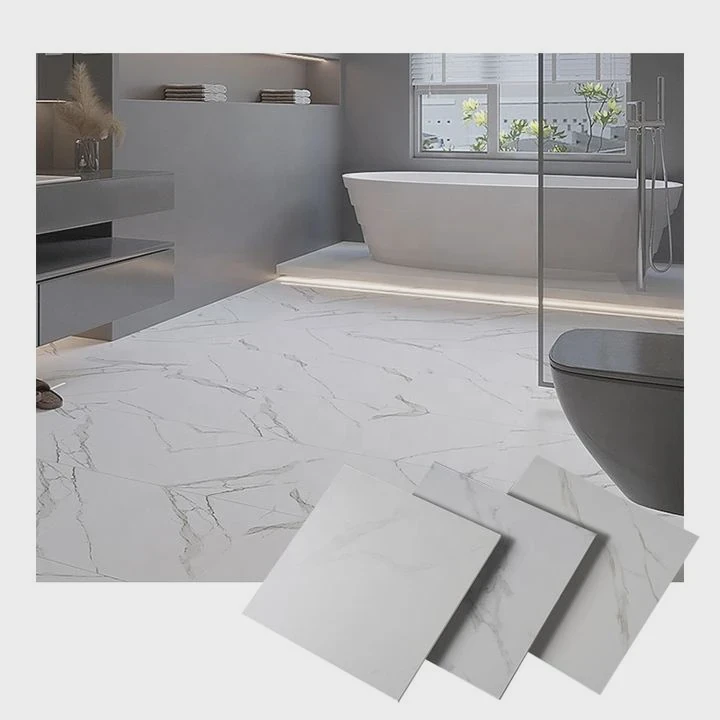
Price is often the deciding factor for many buyers. Understanding why porcelain typically costs more helps determine whether the additional investment is worthwhile.
Yes, porcelain tiles are generally more expensive than ceramic tiles. The higher cost comes from premium raw materials, more complex manufacturing processes, greater density, and superior performance characteristics. However, the long-term value may offset the higher initial investment.
Many customers notice the price difference immediately when comparing product catalogs.
Why Porcelain Costs More
Several factors contribute to higher manufacturing costs.
Premium Raw Materials
Porcelain requires carefully selected materials.
Manufacturers often use:
- Refined clay
- High-purity minerals
- Specialized additives
These materials increase production expenses.
Higher Production Requirements
Porcelain production involves:
- Greater forming pressure
- Higher firing temperatures
- Longer firing cycles
- Stricter quality controls
These processes consume more energy and resources.
Typical Cost Comparison
Pricing varies by market, design, and quality level.
A general comparison looks like this:
| Factor | Porcelain Tile | Ceramic Tile |
|---|---|---|
| Material Cost | Higher | Lower |
| Installation Cost | Higher | Lower |
| Cutting Difficulty | Higher | Lower |
| Maintenance Cost | Lower | Moderate |
| Lifespan Value | Excellent | Good |
Initial cost does not always reflect total ownership cost.
Long-Term Value Considerations
A cheaper tile is not always the least expensive solution.
Porcelain often provides savings through:
- Longer service life
- Reduced replacement needs
- Lower maintenance costs
- Better wear resistance
In commercial projects, durability can significantly impact lifetime costs.
Commercial Purchasing Perspective
Many importers and distributors evaluate tile value differently than homeowners.
Key factors include:
- Product reliability
- Customer satisfaction
- Reduced warranty claims
- Market positioning
Premium porcelain products often support higher-value projects and stronger profit margins.
When Paying More Makes Sense
Investing in porcelain often provides benefits in:
- Commercial flooring
- Luxury residential projects
- Outdoor installations
- High-traffic environments
- Moisture-prone locations
The higher purchase price may be justified by improved performance and longevity.
When Ceramic Offers Better Value
Ceramic may provide better value when:
- Budgets are limited
- Traffic levels are light
- Decorative walls are the focus
- Installation simplicity matters
The goal should always be balancing performance and cost.
A lower price today does not automatically create savings tomorrow. Likewise, paying more only makes sense when the project benefits from porcelain’s additional strengths.
Conclusion
Porcelain and ceramic tiles both offer attractive and reliable flooring solutions, but they serve different needs. Porcelain provides superior durability, water resistance, and long-term performance, while ceramic delivers affordability, design flexibility, and easier installation. The right choice depends on the project’s environment, traffic level, performance requirements, and budget.