How to Replace Tile in a Shower?
- Sinotiles
- 2026-07-01
A cracked shower tile may seem like a small problem. Yet water can enter through damaged areas and cause expensive repairs behind the wall.
To replace tile in a shower, remove the damaged tile carefully, inspect the surface behind it, restore waterproof protection if needed, install a matching tile, and apply new grout. A proper repair can extend the life of the shower without requiring a full renovation.
Many people assume that one broken tile means the entire shower must be rebuilt. In most cases, that is not true. The real challenge is understanding the correct process and avoiding mistakes that can lead to water damage later.
What Tools Are Needed to Replace Shower Tiles?
A tile replacement project often fails before it starts because the wrong tools are used. Poor preparation can damage surrounding tiles and increase repair costs.
The most important tools for replacing shower tiles include safety equipment, grout removal tools, a hammer, chisel, utility knife, tile adhesive, grout, spacers, and a replacement tile. These tools help complete the repair safely and accurately.

Before starting any tile repair, I always make sure every tool is ready. This saves time and prevents unnecessary interruptions during the work.
Basic Safety Equipment
Safety should always be the first priority. Small tile fragments can become sharp projectiles when a tile is broken.
| Tool | Purpose |
|---|---|
| Safety glasses | Protect eyes from flying debris |
| Gloves | Protect hands from cuts |
| Dust mask | Reduce dust inhalation |
| Knee pads | Improve comfort during work |
These items may seem simple, but they make the repair much safer.
Tools for Tile Removal
Removing the damaged tile requires patience and precision.
Common removal tools include:
- Grout saw
- Oscillating multi-tool
- Hammer
- Cold chisel
- Utility knife
The grout around the damaged tile should be removed first. This separates the tile from nearby tiles and lowers the risk of cracking them.
Installation Tools
After removing the damaged tile, the installation process begins.
Useful installation tools include:
- Notched trowel
- Tile adhesive
- Tile spacers
- Grout float
- Sponge
- Bucket
Each tool has a specific purpose. The notched trowel spreads adhesive evenly. Tile spacers help create consistent grout lines. The grout float presses grout into the joints.
Materials Required
The replacement tile should match the existing installation as closely as possible.
| Material | Function |
|---|---|
| Replacement tile | Replaces damaged tile |
| Thin-set mortar | Bonds tile to wall |
| Grout | Fills tile joints |
| Silicone sealant | Seals corners and movement joints |
| Waterproof membrane | Protects against moisture |
Why Preparation Matters
Many repair problems begin because tools are missing. A person may start removing a tile and then realize that grout or adhesive is not available.
Good preparation creates a smoother workflow. It also helps maintain consistent installation quality.
I learned this lesson during an early repair project. The damaged tile was removed successfully, but the replacement adhesive was not available locally. The shower remained unfinished for several days. Since then, every repair begins with a complete checklist.
Choosing Quality Materials
Not all tile products perform the same way.
When selecting materials, I look for:
- Water-resistant grout
- Reliable tile adhesive
- Matching tile dimensions
- Suitable waterproofing products
A shower environment is exposed to constant moisture. Strong materials help prevent future failures.
The right tools alone cannot guarantee success. Still, they create the foundation for a safe and professional-looking repair.
How Do You Remove Damaged Shower Tiles Safely?
Many homeowners damage additional tiles during removal. The goal is to remove only the broken tile while protecting the rest of the installation.
To remove damaged shower tiles safely, first remove the surrounding grout, break the tile from the center, and remove small pieces gradually. This method reduces pressure on nearby tiles and minimizes damage.
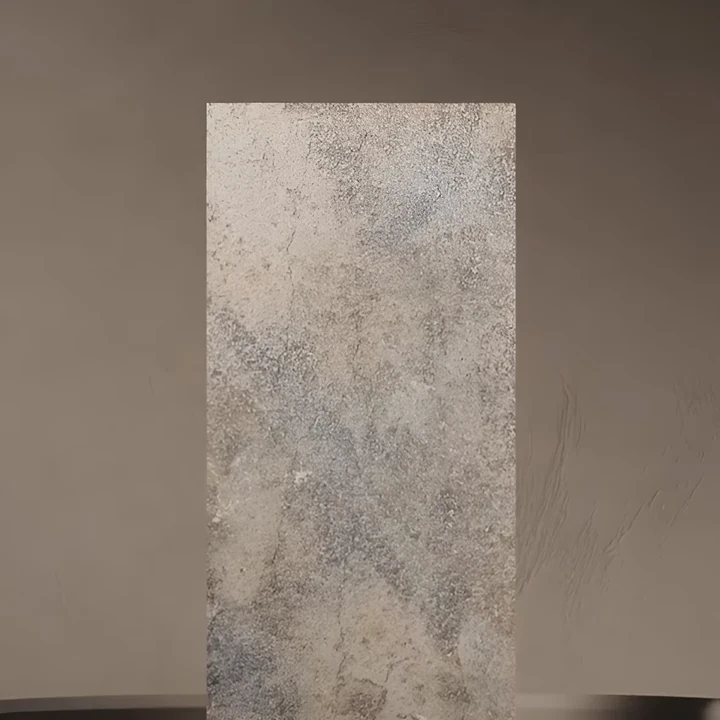
Tile removal requires patience more than strength. Slow and controlled movements usually produce the best results.
Step 1: Remove the Grout
Grout locks tiles together.
Before touching the damaged tile, remove all grout surrounding it.
A grout saw or oscillating tool works well for this task.
Removing grout creates separation between tiles and reduces the risk of spreading cracks.
Step 2: Protect the Work Area
Before breaking the tile, protect nearby surfaces.
Useful protection methods include:
- Painter’s tape around adjacent tiles
- Drop cloth on the shower floor
- Safety glasses and gloves
Small precautions can prevent larger problems.
Step 3: Break the Tile from the Center
The safest removal method begins in the center of the tile.
A hammer and punch can create a small hole.
After that, the tile can be broken into manageable sections.
Why Start in the Middle?
Breaking the tile from the edge can transfer force directly to surrounding tiles.
Starting from the center directs force inward.
This greatly reduces the chance of damaging nearby surfaces.
Step 4: Remove Tile Pieces
Once the tile is broken, remove the pieces carefully.
A chisel should be positioned at a shallow angle.
Small movements work better than aggressive strikes.
Removing pieces slowly gives greater control.
Step 5: Remove Old Adhesive
After tile removal, adhesive often remains attached to the substrate.
The surface should be scraped clean.
A flat and smooth substrate helps the replacement tile sit evenly.
Common Mistakes During Removal
| Mistake | Result |
|---|---|
| Skipping grout removal | Cracked neighboring tiles |
| Using excessive force | Damaged wall surface |
| Rushing the process | Uneven repair area |
| Ignoring safety gear | Increased injury risk |
Inspect the Substrate
Once the tile is removed, inspect the wall behind it.
Look for:
- Water stains
- Soft backing material
- Mold growth
- Loose substrate
These signs may indicate hidden moisture issues.
Several years ago, I worked on a shower where a small cracked tile appeared to be the only problem. After removal, moisture damage was visible behind the wall. The repair became larger than expected, but identifying the problem early prevented much greater damage later.
When Removal Becomes Difficult
Some older tiles are bonded extremely well.
In these situations:
- Work slowly
- Remove smaller sections
- Avoid heavy hammer strikes
- Recheck surrounding tiles often
The goal is not speed. The goal is preserving the rest of the installation.
Safe tile removal is often the most important part of the entire replacement process.
Why Is Waterproofing Important After Tile Replacement?
Many people think tiles create a waterproof barrier. In reality, the waterproof protection is usually located beneath the tile surface.
Waterproofing after tile replacement protects the wall structure from moisture penetration, mold growth, and long-term damage. Without proper waterproofing, water can enter behind the tiles and cause expensive repairs.

Waterproofing is one of the most overlooked parts of shower maintenance.
Tiles Are Not Completely Waterproof
Ceramic and porcelain tiles resist water well.
However, grout joints allow small amounts of moisture to pass through.
This is why modern showers depend on waterproof systems behind the tile layer.
Common waterproof systems include:
- Liquid waterproof membranes
- Sheet membranes
- Waterproof backer boards
These layers protect the structure from water damage.
What Happens When Waterproofing Fails?
Water intrusion can create several serious issues.
| Problem | Impact |
|---|---|
| Mold growth | Health concerns |
| Rotting wood | Structural damage |
| Loose tiles | Reduced durability |
| Stains | Poor appearance |
| Odors | Unpleasant bathroom environment |
These problems often develop slowly and remain hidden for months.
Signs of Waterproofing Damage
After removing a tile, check for:
- Torn membrane
- Soft wall board
- Dark moisture marks
- Mold spots
These signs suggest that waterproof repairs may be necessary.
Types of Waterproofing Solutions
Liquid Waterproof Membranes
Liquid membranes are easy to apply.
Benefits include:
- Flexible coverage
- Simple installation
- Good performance for small repairs
Sheet Waterproof Membranes
Sheet membranes provide consistent protection.
Benefits include:
- Uniform thickness
- Reliable waterproof barrier
- Long service life
Waterproof Backer Boards
Some showers use waterproof boards as part of the wall system.
These products combine structure and moisture protection.
Restoring Waterproof Protection
The basic repair process often follows these steps:
- Remove damaged tile.
- Clean the surface.
- Repair substrate if necessary.
- Apply waterproofing.
- Allow curing time.
- Install replacement tile.
Skipping waterproofing may save time initially, but it often creates larger problems later.
Why Waterproofing Deserves Attention
Most shower failures begin behind the tile surface.
The visible tile is often not the real issue.
Water that reaches the wall structure can remain trapped for long periods.
During one inspection, the tile surface looked nearly perfect. Yet moisture had slowly damaged the wall behind it. The repair required replacing a large section of substrate. That experience reinforced how important waterproofing is during even the smallest tile repair.
A replacement tile should never cover a waterproofing problem. The moisture barrier must be restored first.
Can You Replace One Tile Without Redoing the Shower?
Many homeowners fear that a single broken tile means a complete shower renovation. Fortunately, that is usually not the case.
Yes, one shower tile can often be replaced without redoing the entire shower. If the surrounding tiles remain secure and the waterproof structure is intact, a localized repair is usually enough.
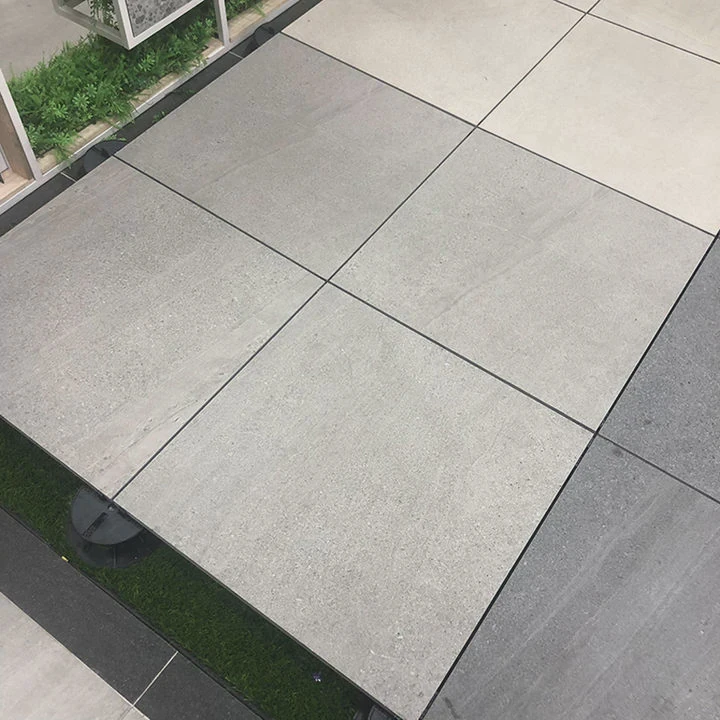
Single-tile replacement is one of the most common shower repairs.
Situations Where One Tile Can Be Replaced
A localized repair usually works when:
- Only one or two tiles are damaged
- Nearby tiles are secure
- Grout remains stable
- No major water damage exists
In these cases, replacing the affected tile is often the most practical solution.
Benefits of Replacing One Tile
Lower Cost
Only a small amount of material is needed.
Faster Repair
Many repairs can be completed within a day.
Less Disruption
Most of the shower remains untouched.
Preserved Appearance
The original installation remains largely intact.
The Biggest Challenge: Matching the Tile
Finding a matching tile is often harder than replacing it.
Use Spare Tiles
Extra tiles from the original project provide the best match.
Contact the Original Supplier
Many tile collections remain available for several years.
Compare Samples
A supplier may help identify a similar design.
Matching involves more than color.
Important factors include:
- Size
- Thickness
- Surface texture
- Finish
- Edge style
When One Tile Is Not Enough
Some situations require larger repairs.
| Condition | Recommended Solution |
|---|---|
| Multiple loose tiles | Partial wall repair |
| Mold behind wall | Remove affected area |
| Failed waterproofing | Rebuild damaged section |
| Extensive substrate damage | Larger renovation |
The condition behind the tile matters more than the crack itself.
Evaluating the Shower Condition
Before replacing a single tile, ask several questions:
- Is the damage isolated?
- Are surrounding tiles stable?
- Is the wall dry and solid?
- Is waterproofing intact?
If the answers are positive, a single-tile repair is usually a good option.
Long-Term Performance
A properly installed replacement tile can last for many years.
The key factors include:
- Correct tile removal
- Strong adhesive bond
- Proper waterproofing
- Quality grout installation
I have seen single-tile repairs perform successfully for many years when these steps were followed carefully.
A cracked tile does not automatically mean the entire shower has failed. In many cases, a targeted repair restores both appearance and function while avoiding the cost of a full renovation.
Conclusion
Replacing a shower tile is often a straightforward project when the proper tools, removal techniques, waterproofing methods, and inspection procedures are followed. A single damaged tile can frequently be repaired without rebuilding the entire shower, helping maintain both appearance and long-term performance.