How To Restore Ceramic Tile Floors?
- Sinotiles
- 2026-05-27
Old ceramic tile floors often lose their shine over time. Dirt buildup, damaged grout, stains, and surface wear can make even strong tiles look dull and neglected.
Ceramic tile floors can be restored through deep cleaning, grout repair, polishing, resealing, and proper maintenance that improve appearance, durability, and long-term floor performance.
Many homeowners, contractors, and property managers assume damaged-looking ceramic tile must be replaced. In reality, many floors only need proper restoration. Ceramic tiles are durable products with long service life. In many projects, the surface still remains structurally strong even after years of heavy foot traffic. A well-planned restoration process can save significant money compared to full floor replacement while also reducing renovation downtime.
What Methods Restore Worn Ceramic Tile Floors?
Worn ceramic tile floors often look older than they really are. Surface dirt, faded grout, scratches, and stains can hide the original appearance of the tile.
The main methods for restoring worn ceramic tile floors include deep cleaning, grout repair, polishing, replacing damaged tiles, and applying protective sealers.
Restoration starts with understanding the actual condition of the floor. Many ceramic tiles appear damaged when the real problem is dirt buildup or deteriorated grout. Before planning replacement, it is important to inspect the tile carefully.
Inspect The Floor First
A proper inspection helps identify the type of restoration needed. Some floors only need cleaning, while others require partial repairs.
Common problems include:
- Dirty grout lines
- Surface scratches
- Soap residue buildup
- Loose tiles
- Cracked grout
- Water stains
- Loss of shine
Understanding these issues helps reduce unnecessary repair costs.
Replace Broken Tiles Selectively
One damaged tile does not always require replacing the whole floor. Spot replacement is often enough.
This process usually includes:
- Removing damaged grout
- Carefully lifting broken tiles
- Cleaning adhesive residue
- Installing matching replacement tiles
- Regrouting the repaired section
This method works especially well when spare tiles are available from the original project.
Polish The Tile Surface
Some ceramic tiles lose visual brightness after years of use. Surface polishing can help improve appearance.
Polishing may:
- Remove light surface marks
- Improve reflection
- Restore cleaner appearance
- Enhance color depth
Still, ceramic tile polishing is usually less aggressive than natural stone polishing because ceramic surfaces are manufactured differently.
Repair Grout Damage
Grout strongly affects how the entire floor looks. Dirty or cracked grout often makes tiles appear much older.
Common grout restoration methods include:
| Restoration Method | Purpose |
|---|---|
| Grout cleaning | Removes stains |
| Regrouting | Repairs damaged lines |
| Grout recoloring | Improves appearance |
| Grout sealing | Protects from moisture |
In many commercial spaces, grout restoration creates the biggest visual improvement.
Use Professional Restoration Equipment
Large floor areas may require professional cleaning machines. Industrial scrubbers and steam cleaners can remove dirt more effectively than manual cleaning.
Professional equipment often helps with:
- Deep stain removal
- Large commercial projects
- Heavy grease buildup
- High-traffic areas
Hotels, malls, and office buildings often use professional floor restoration services to extend flooring lifespan.
Protect The Restored Surface
Restoration should not end after cleaning. Long-term protection is important for maintaining results.
Protective strategies include:
- Using floor mats
- Applying sealers
- Regular cleaning schedules
- Avoiding harsh chemicals
- Reducing standing water
Good maintenance helps restored floors remain attractive for many years.
How Can Deep Cleaning Improve Tile Appearance?
Many ceramic tile floors look permanently damaged when the real issue is years of trapped dirt and residue. Deep cleaning often creates dramatic improvement without expensive renovation work.
Deep cleaning improves tile appearance by removing embedded dirt, stains, grease, soap residue, and discoloration that hide the original color and finish of ceramic tiles.
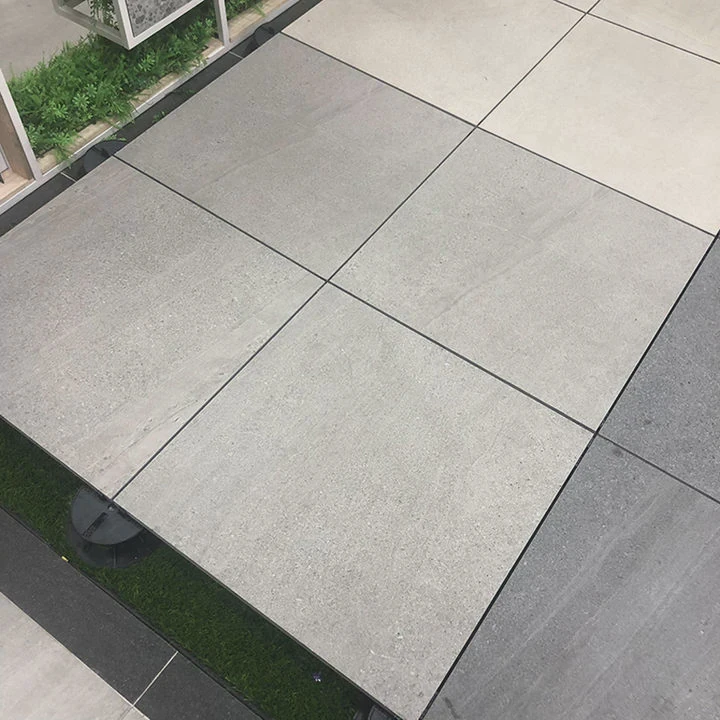
Daily mopping only removes surface dirt. Over time, grime builds inside grout lines and textured tile surfaces. This buildup changes the appearance of the entire floor.
Remove Embedded Dirt
Ceramic tile surfaces may appear smooth, but many products contain small texture variations that trap dirt.
Common dirt sources include:
- Foot traffic
- Cooking grease
- Soap residue
- Hard water minerals
- Dust buildup
Deep cleaning helps remove layers of contamination that standard cleaning cannot fully eliminate.
Steam Cleaning Works Well
Steam cleaning is popular because it uses heat and moisture instead of strong chemicals.
Benefits include:
- Breaking down dirt buildup
- Sanitizing surfaces
- Reducing bacteria
- Improving grout appearance
Steam cleaning also works well in kitchens and bathrooms where grease and moisture buildup are common.
Choose The Correct Cleaning Products
Strong acidic cleaners can damage grout or dull tile surfaces. Cleaning products should match the tile finish and floor condition.
Safe options often include:
- Neutral pH cleaners
- Mild alkaline solutions
- Tile-specific detergents
Avoiding harsh chemicals helps protect both tile and grout.
Deep Cleaning Brightens Grout Lines
Many people focus only on the tile surface, but grout affects overall floor appearance just as much.
Dirty grout creates:
- Dark floor lines
- Uneven color appearance
- Aged visual effect
Cleaning grout lines often creates immediate visual improvement.
Mechanical Scrubbing Improves Results
For heavily soiled floors, manual mopping may not be enough. Mechanical scrubbing equipment creates stronger cleaning power.
This equipment may include:
| Cleaning Tool | Main Benefit |
|---|---|
| Rotary scrubber | Removes deep dirt |
| Steam machine | Sanitizes surfaces |
| Grout brush | Cleans narrow lines |
| Wet vacuum | Removes dirty water |
Commercial cleaning teams often combine several methods together.
Deep Cleaning Extends Floor Lifespan
Dirt buildup can slowly damage grout and surface coatings over time. Regular deep cleaning helps reduce long-term wear.
Benefits of scheduled cleaning include:
- Better floor appearance
- Reduced stain buildup
- Easier maintenance
- Longer grout lifespan
- Lower replacement costs
This is especially important in commercial environments with heavy daily traffic.
Why Resealing Grout Enhances Floor Durability?
Many tile restoration projects focus only on the tile itself. Still, grout protection is equally important for long-term floor performance.
Resealing grout enhances durability by preventing moisture penetration, reducing stains, protecting against mold growth, and helping grout maintain structural strength over time.
Grout is porous by nature. Without protection, it absorbs water, dirt, grease, and bacteria. Over time, this weakens the floor system and creates visual discoloration.
Grout Absorbs Moisture Easily
Bathrooms, kitchens, and commercial spaces expose grout to constant moisture.
Unsealed grout may lead to:
- Mold growth
- Water stains
- Cracking
- Bad odors
- Loose tiles
This problem becomes more serious in humid environments.
Sealers Create Protective Barriers
Grout sealers reduce absorption by creating a protective layer.
Common sealer types include:
- Penetrating sealers
- Surface sealers
- Silicone-based sealers
Each product offers different protection levels depending on project needs.
Sealed Grout Is Easier To Clean
Dirt and grease penetrate unsealed grout more easily. Sealed grout resists staining better.
This makes maintenance easier because:
- Dirt stays on the surface
- Spills clean faster
- Less scrubbing is needed
- Mold growth slows down
In restaurants and hotels, easier cleaning saves labor costs over time.
Resealing Helps Prevent Structural Damage
Moisture penetration may weaken adhesive layers beneath the tile.
Long-term water damage may cause:
- Hollow tiles
- Tile lifting
- Cracked grout lines
- Subfloor damage
Proper grout sealing helps reduce these risks.
Grout Color Lasts Longer
Fresh grout often looks bright and clean. Over time, exposure to dirt and water changes its appearance.
Resealing helps maintain:
| Grout Benefit | Result |
|---|---|
| Color protection | Cleaner appearance |
| Moisture resistance | Lower mold risk |
| Surface strength | Longer lifespan |
| Easier cleaning | Reduced maintenance |
This is one reason many restoration professionals recommend resealing after deep cleaning.
Resealing Frequency Matters
Grout sealers do not last forever. High-traffic floors usually require resealing every one to three years depending on usage conditions.
Factors affecting sealer lifespan include:
- Foot traffic level
- Cleaning chemicals
- Moisture exposure
- Floor location
- Sealer quality
Regular maintenance keeps restored floors performing well long-term.
Which Steps Bring Tiles Back To Original Condition?
Restoring ceramic tile floors requires more than one simple cleaning process. Good results usually come from combining several restoration steps together.
Tiles return closer to original condition through inspection, cleaning, repair, grout restoration, polishing, sealing, and consistent long-term maintenance.
Successful restoration depends on following the correct process order. Skipping steps often reduces the final result quality.
Start With Full Inspection
Every restoration project should begin with careful inspection.
Important areas to check include:
- Cracked tiles
- Hollow sounds
- Loose grout
- Water damage
- Surface scratches
This helps determine whether restoration is realistic or full replacement is necessary.
Perform Deep Cleaning Before Repairs
Cleaning first allows the true floor condition to become visible. Dirt often hides cracks and grout damage.
Cleaning stages may include:
- Sweeping debris
- Applying tile cleaner
- Scrubbing grout
- Steam cleaning
- Drying the floor completely
Dry surfaces also improve repair material performance.
Repair Damaged Areas
After cleaning, damaged sections should be repaired before sealing.
Typical repairs include:
- Replacing cracked tiles
- Filling grout gaps
- Repairing loose sections
- Fixing chipped edges
Ignoring damaged areas may shorten restoration lifespan.
Restore Surface Appearance
Visual restoration may involve polishing or surface enhancement depending on tile type.
Some restoration techniques include:
- Buffing dull surfaces
- Removing residue haze
- Recoloring grout
- Applying shine enhancers
The goal is creating a cleaner and more consistent appearance.
Seal And Protect The Floor
Protective sealing is one of the final steps.
Benefits include:
- Moisture resistance
- Easier maintenance
- Better stain protection
- Improved durability
Both grout and some tile surfaces may benefit from sealing.
Create A Maintenance Schedule
Restoration results last longer with proper care.
Good maintenance habits include:
| Maintenance Task | Recommended Frequency |
|---|---|
| Sweeping | Daily |
| Damp mopping | Weekly |
| Deep cleaning | Every few months |
| Grout inspection | Yearly |
| Resealing | Every 1-3 years |
Consistent care helps prevent another full restoration cycle too soon.
Restoration Often Costs Less Than Replacement
Full tile replacement involves demolition, dust, disposal, labor, and material costs. Restoration is often much more affordable when the floor structure remains strong.
This makes restoration attractive for:
- Hotels
- Rental apartments
- Commercial spaces
- Residential remodeling
- Property resale preparation
A well-restored ceramic tile floor can look dramatically cleaner and newer without complete renovation.
Conclusion
Ceramic tile floor restoration combines deep cleaning, grout repair, polishing, resealing, and maintenance to improve appearance and durability. In many cases, restoration offers a practical and cost-effective alternative to full floor replacement.