Can U Tile on Plywood?
- Sinotiles
- 2026-05-27
Many people want to install tiles directly on plywood to save time and money. Yet poor preparation often leads to cracked grout, loose tiles, and expensive repairs later.
Yes, tiles can be installed on plywood under the right conditions. The plywood must be stable, thick enough, moisture-resistant, and properly prepared to reduce movement and support long-term tile performance.
Tiling over plywood is common in residential construction, especially on upper floors and wood-frame buildings. Still, success depends on structure, installation methods, and movement control. Understanding the risks and proper preparation steps helps avoid failures after installation.
What Conditions Allow Tiling Over Plywood?
Some tile installations over plywood last for many years, while others fail within months. The difference usually comes from the condition of the plywood structure beneath the tile.
Tiling over plywood is possible when the subfloor is strong, dry, stable, properly fastened, and thick enough to minimize flexing and moisture-related movement.
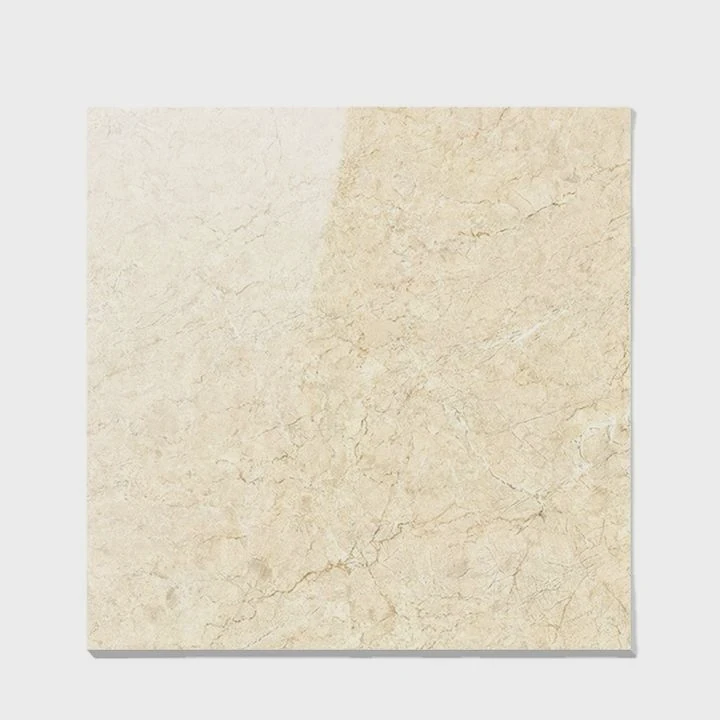
Many installers underestimate how much wood moves over time. Unlike concrete, plywood expands and contracts with humidity and temperature changes.
Plywood Thickness Matters
Thin plywood creates flexing under foot traffic. Excessive movement causes cracked grout and loose tiles.
Most professional installers recommend:
- Minimum double-layer plywood systems
- Exterior-grade plywood
- Proper joist spacing support
Recommended Plywood Structure
| Layer | Suggested Thickness |
|---|---|
| Subfloor plywood | 19 mm minimum |
| Underlayment plywood | 12 mm minimum |
| Total thickness | 31 mm or more |
Thicker floors reduce deflection and improve long-term tile durability.
Exterior-Grade Plywood Is Important
Interior plywood absorbs moisture more easily. This increases swelling risk.
Exterior-grade plywood contains stronger adhesives and performs better in changing environments such as kitchens and bathrooms.
Surface Flatness Is Critical
Tile requires a flat installation surface.
Uneven plywood may create:
- Hollow tiles
- Uneven grout lines
- Tile cracking
- Poor adhesive bonding
Installers often sand high spots and fill low areas before tiling begins.
Proper Fastening Prevents Movement
Loose plywood panels create vibration and shifting.
Fasteners should:
- Secure panels tightly to joists
- Reduce squeaking
- Eliminate panel lift
Screws usually perform better than nails because they resist loosening over time.
Moisture Control Conditions
Moisture is one of the biggest threats when tiling over wood.
Wet plywood can:
- Expand
- Warp
- Weaken adhesive bonds
Bathrooms and kitchens need extra waterproofing measures before tile installation.
Expansion Gaps Are Necessary
Wood naturally expands and contracts. Small expansion gaps between plywood sheets help reduce pressure buildup.
Without expansion space:
- Tile stress increases
- Cracking risk rises
- Surface lifting may occur
Real-World Installation Experience
In one residential renovation project, the original plywood floor used only a single thin layer. After several months, grout cracks appeared near traffic areas because the floor flexed too much. After rebuilding the subfloor with double-layer plywood and improved fastening, the replacement installation remained stable.
The structure beneath the tile matters as much as the tile itself.
How Can Backer Boards Improve Tile Stability?
Many installers avoid placing tiles directly onto plywood because wood movement creates long-term risks. Backer boards help create a more stable installation surface between the plywood and the tile.
Backer boards improve tile stability by reducing movement transfer, increasing rigidity, improving adhesive bonding, and providing a more moisture-resistant surface for tile installation.
Backer boards act as a buffer layer between wood subfloors and tile finishes.
What Are Backer Boards?
Backer boards are rigid underlayment panels installed over plywood before tiling.
Common types include:
- Cement backer boards
- Fiber cement boards
- Foam tile boards
These materials resist moisture better than plywood.
Why Direct Bonding Is Risky
Wood expands and contracts more than tile materials.
Direct bonding creates stress because:
- Tile remains rigid
- Wood moves constantly
Backer boards help separate these movement differences.
Cement Backer Boards
Cement boards remain one of the most common options.
Advantages include:
- Moisture resistance
- Strong bonding surface
- Good durability
- Stable structure
They are widely used in bathrooms and kitchens.
Foam Tile Boards
Foam boards have become more popular in modern construction.
Benefits include:
- Lightweight handling
- Waterproof properties
- Thermal insulation
- Easier cutting
Still, installers must follow manufacturer installation guidelines carefully.
Proper Installation Matters
Even the best backer board fails if installed poorly.
Correct installation usually includes:
- Thin-set mortar beneath the board
- Proper screw spacing
- Taped seams
- Waterproof treatment in wet areas
Comparison of Common Backer Boards
| Board Type | Moisture Resistance | Weight | Common Use |
|---|---|---|---|
| Cement board | High | Heavy | Floors and walls |
| Fiber cement | Medium to high | Medium | Residential floors |
| Foam board | Very high | Light | Bathrooms and wet zones |
Backer Boards Reduce Deflection
Subfloor deflection causes many tile failures.
Backer boards help:
- Spread loads evenly
- Minimize flex movement
- Strengthen tile support
This becomes especially important with large-format porcelain tiles.
Waterproofing Advantages
Bathrooms and wet areas need moisture protection.
Many installers apply waterproof membranes over backer boards before tiling.
This helps prevent:
- Mold growth
- Wood swelling
- Adhesive failure
Large Tile Installations Need Extra Stability
Large-format tiles place more stress on the substrate because they cover larger areas with fewer grout joints.
Backer boards improve support under:
- 600x1200 mm tiles
- 750x1500 mm slabs
- Large porcelain panels
Real Installation Observation
In a hotel bathroom renovation project, early designs planned direct installation over reinforced plywood. After reviewing moisture exposure and traffic conditions, the contractor added cement backer boards instead. The additional layer improved stability and reduced long-term maintenance risks.
Backer boards often add small upfront cost but reduce future repair problems.
Why Prevent Movement Before Installing Tiles?
Tile looks strong and solid after installation. Yet even small movement beneath the surface can slowly damage the entire system over time.
Preventing movement before installing tiles is important because tile and grout are rigid materials that crack or loosen when the subfloor flexes, shifts, expands, or vibrates excessively.
Movement control is one of the most important parts of successful tile installation.
Tiles Are Rigid Materials
Wood floors naturally move under:
- Foot traffic
- Humidity changes
- Temperature changes
- Structural settling
Tiles cannot flex the same way wood can.
When movement exceeds tolerance:
- Grout cracks appear
- Tiles loosen
- Corners chip
- Hollow sounds develop
Sources of Floor Movement
Several factors create movement problems.
Structural Deflection
Joists may bend slightly under weight. Excessive deflection creates stress across the tile surface.
Long joist spans increase this risk.
Moisture Expansion
Wood absorbs moisture and expands. Dry conditions later cause shrinking.
This constant movement stresses tile bonds.
Vibration and Traffic
High foot traffic creates repeated vibration over time.
Commercial spaces experience greater stress than residential rooms.
Expansion Joint Importance
Expansion joints help absorb movement safely.
Without movement joints:
- Pressure accumulates
- Tiles tent upward
- Cracks spread
Proper joint spacing becomes especially important in large spaces.
Adhesive Bond Strength Matters
Flexible thin-set mortars help absorb small movement levels.
Modified adhesives usually perform better over wood structures because they:
- Increase flexibility
- Improve bonding
- Resist cracking
Temperature Changes Also Affect Floors
Sunlight exposure near windows may heat flooring unevenly.
This thermal expansion creates additional stress between plywood and tile layers.
Signs of Excessive Movement
Common warning signs include:
- Cracked grout lines
- Loose tiles
- Popping sounds
- Uneven surfaces
- Hollow tile sounds
Early signs should not be ignored because damage often spreads.
Real-World Failure Example
One second-floor residential kitchen used large porcelain tiles directly over a flexible plywood floor. Seasonal humidity changes caused gradual subfloor movement. Within one year, grout cracking appeared around the island area where foot traffic concentrated heavily.
After reinforcement and proper underlayment installation, the replacement floor remained stable.
Stability Improves Long-Term Appearance
Movement prevention not only protects structure but also keeps:
- Grout lines cleaner
- Tile alignment consistent
- Surface appearance smooth
Good preparation creates long-lasting installations.
Which Risks Come With Tiling on Plywood?
Many successful tile projects use plywood subfloors. Still, plywood installations carry higher risks compared to concrete substrates because wood reacts more strongly to environmental changes.
The main risks of tiling on plywood include movement-related cracking, moisture damage, adhesive failure, subfloor flexing, tile loosening, and long-term structural instability.
Understanding these risks helps installers choose better preparation methods.
Cracked Grout and Tiles
The most common problem is cracking.
When plywood flexes:
- Grout joints split
- Tile corners crack
- Surface stress increases
Large-format tiles are especially sensitive because they span wider areas.
Moisture Damage
Plywood absorbs moisture faster than concrete.
Water exposure may cause:
- Swelling
- Delamination
- Rot
- Mold growth
Bathrooms and kitchens carry higher risk levels.
Adhesive Bond Failure
Tile adhesive bonds differently to wood than concrete.
Poor surface preparation may cause:
- Hollow tiles
- Bond separation
- Tile lifting
Correct primers and flexible mortars improve bonding performance.
Structural Weakness
Weak floor systems increase failure risk.
Common structural problems include:
- Wide joist spacing
- Thin plywood
- Loose fasteners
- Uneven subfloors
Proper engineering support becomes important for heavy tile systems.
Expansion and Contraction Stress
Wood changes size with humidity.
Tile remains relatively stable.
This mismatch creates continuous stress beneath the installation.
Increased Risk in Wet Areas
Wet zones increase plywood risk dramatically.
Without waterproofing:
- Moisture enters seams
- Plywood swells
- Tile bonds weaken
This is why waterproof membranes are strongly recommended in bathrooms.
Repair Complexity
Repairing failed tile over plywood can become difficult because:
- Damaged plywood may require replacement
- Tile removal can weaken surrounding areas
- Moisture damage may spread beneath surfaces
Preventive preparation is usually less expensive than future repairs.
Risk Comparison
| Risk Type | Concrete Subfloor | Plywood Subfloor |
|---|---|---|
| Moisture movement | Low | High |
| Structural flex | Low | Medium to high |
| Tile cracking risk | Lower | Higher |
| Waterproofing need | Moderate | Very important |
| Long-term stability | Strong | Depends on preparation |
Proper Preparation Reduces Risk
Despite these risks, many plywood tile installations perform well for years when:
- Structure is reinforced
- Movement is minimized
- Backer boards are used
- Waterproofing is applied correctly
Professional Planning Matters
In many modern residential projects, upper floors use wood-frame construction. Successful tile installation in these spaces depends heavily on engineering, substrate preparation, and material selection.
Careful planning reduces long-term maintenance costs and protects the appearance of the finished tile surface.
Conclusion
Tiles can be installed over plywood when the structure is stable, well-prepared, and protected against movement and moisture. Proper underlayment, reinforcement, and installation methods greatly improve long-term tile performance and reduce failure risks.