How to Seal Tile Floor?
- Sinotiles
- 2026-05-07
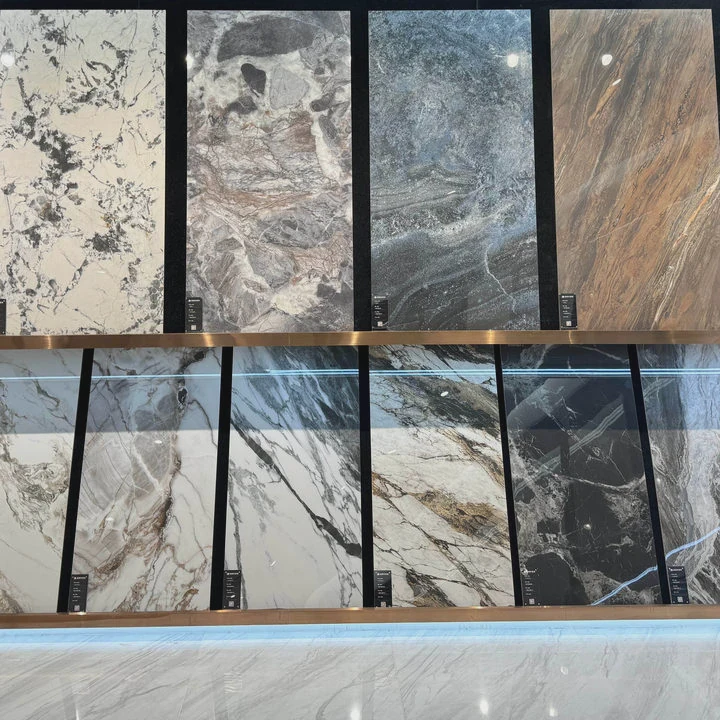
Sealing a tile floor can prevent stains and damage, but many struggle to find the right method. The wrong approach wastes time and money.
Sealing tile floors protects them from water, dirt, and stains, and it keeps tiles looking new longer. Choosing the correct sealer and applying it properly is key to success.
Proper sealing extends the life of tiles and ensures your floors remain easy to clean and maintain. Let’s explore how to seal tiles effectively and make your floors last.
What sealers are best for tile floors?
Choosing a sealer is tricky. Some are strong but leave a glossy finish, while others keep a natural look but wear faster.
The best sealers for tile floors depend on the tile type. Penetrating sealers protect without changing appearance, while topical sealers add shine and extra protection.
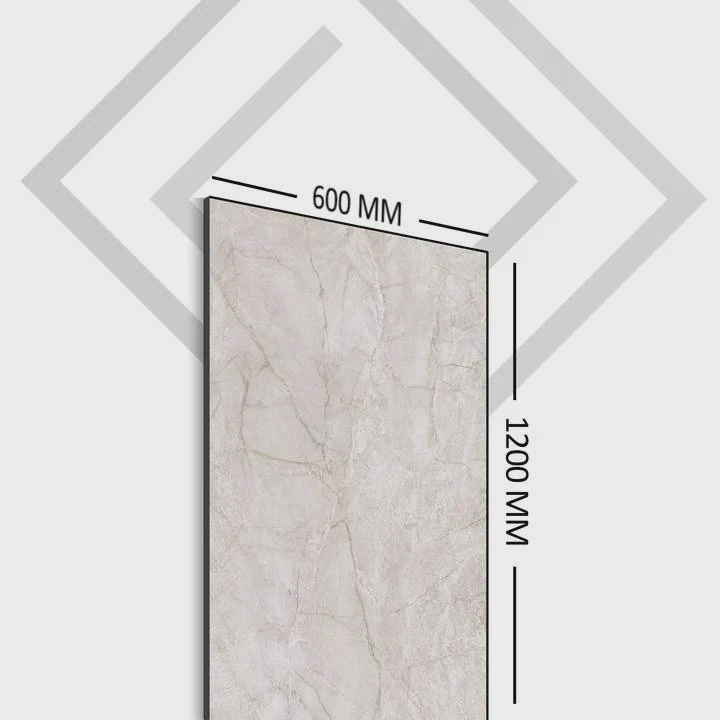
Types of Tile Sealers
| Sealer Type | Best For | Pros | Cons |
|---|---|---|---|
| Penetrating | Natural stone, unglazed tile | Absorbs into tile, invisible | Needs reapplication more often |
| Topical | Glazed tile, high traffic areas | Adds shine, strong protection | Can peel or discolor over time |
| Impregnating | Porous stone, high moisture areas | Deep protection, water repellant | Slightly changes tile look |
Penetrating sealers work by soaking into porous surfaces like marble or travertine. They create a shield that repels water and stains without altering the tile’s appearance. Topical sealers, often polyurethane-based, sit on top and form a hard layer. This type gives a glossy finish and extra durability. Impregnating sealers combine features of both, sealing deep while leaving the surface natural.
Different tiles need different protection. Porcelain and ceramic tiles are less porous, so they may not need penetrating sealers. Natural stones and unglazed tiles absorb water and stains easily, so a deeper sealer is needed. Always check the tile’s porosity before picking a product.
Professional installers often recommend testing a small area first. This ensures compatibility and prevents unexpected color changes. Also, some sealers work better in humid climates, while others are ideal for dry areas. The choice depends on tile type, location, and desired finish.
How do you apply sealer evenly on tile surfaces?
Applying sealer seems simple, but uneven coating leaves stains or patchy shine. Many first-timers apply too much in some areas and too little in others.
To apply sealer evenly, clean the floor first, use a high-quality applicator, and work in small sections. Spread the sealer consistently, following manufacturer instructions.
Steps for Even Sealer Application
- Clean the floor completely. Remove dirt, grease, or old wax.
- Use a brush, roller, or microfiber applicator.
- Work in small sections, applying a thin, even layer.
- Wipe off excess sealer to avoid streaks or pooling.
- Let the first coat dry fully before applying a second if needed.
Tips for Best Results
- Avoid applying on a hot surface or in direct sunlight.
- Keep doors and windows closed to prevent dust from settling.
- Always move in a consistent pattern, either across or along tiles.
- Check corners and grout lines carefully; these areas often need extra attention.
Uneven application can cause shiny spots or dull patches. Using a quality applicator and working methodically reduces these risks. It’s better to apply two thin coats than one thick coat. Thin coats absorb better and dry faster. Also, some sealers require buffing after drying to achieve the final look.
For grout lines, a small brush ensures the sealer reaches all areas. This prevents water or dirt from penetrating grout, which is often more porous than the tiles themselves. Regularly checking your work under bright light helps detect missed spots. This level of detail makes your tile floor look professionally sealed.
When should tile floors be resealed?
Many people forget to reseal tiles, causing them to lose protection. Without resealing, tiles stain easily and wear out faster.
Tile floors should be resealed every 1–3 years, depending on tile type, sealer used, and traffic. High-traffic areas may need more frequent resealing.
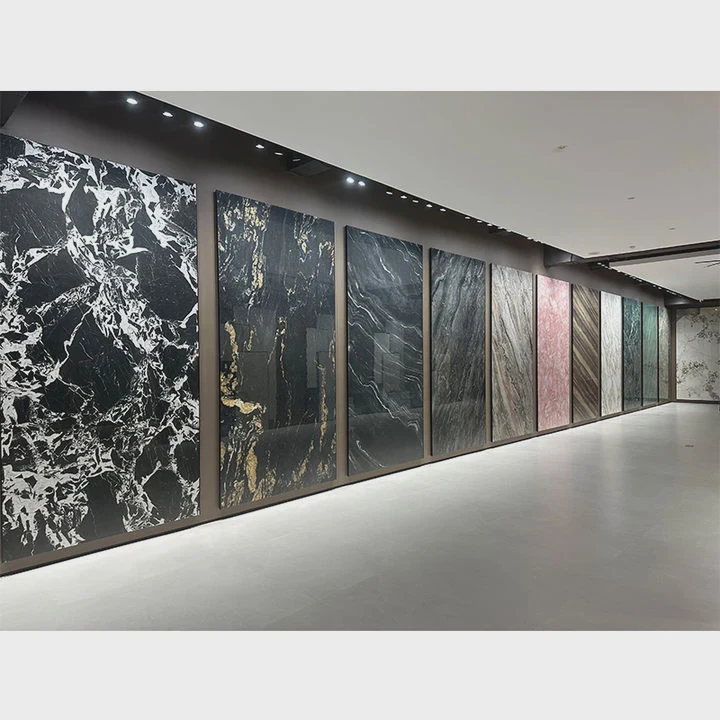
Signs That Tiles Need Resealing
- Water beads no longer form on the surface
- Stains appear quickly
- Grout starts darkening or absorbing spills
Resealing Schedule by Tile Type
| Tile Type | Sealer Type | Suggested Reseal Interval |
|---|---|---|
| Natural stone | Penetrating | Every 12 months |
| Ceramic/Porcelain | Topical | Every 2–3 years |
| Unglazed tile | Impregnating | Every 18 months |
Even the best sealer wears down over time. Floors in kitchens, bathrooms, or entryways see more spills and foot traffic, so they may need resealing sooner. Outdoor tiles exposed to rain or sun also lose protection faster.
Testing is simple. Drop a small amount of water on the tile. If it absorbs instead of beading, it’s time to reseal. Regular maintenance ensures long-lasting protection, keeps grout intact, and prevents expensive repairs. It also maintains a clean, fresh appearance that enhances the room’s style.
Can sealing improve tile durability and appearance?
Many people only seal tiles for protection. However, sealing can also improve appearance and extend life.
Sealing increases tile durability by preventing scratches, stains, and water damage. It also enhances natural colors and finishes, making floors look newer and more vibrant.
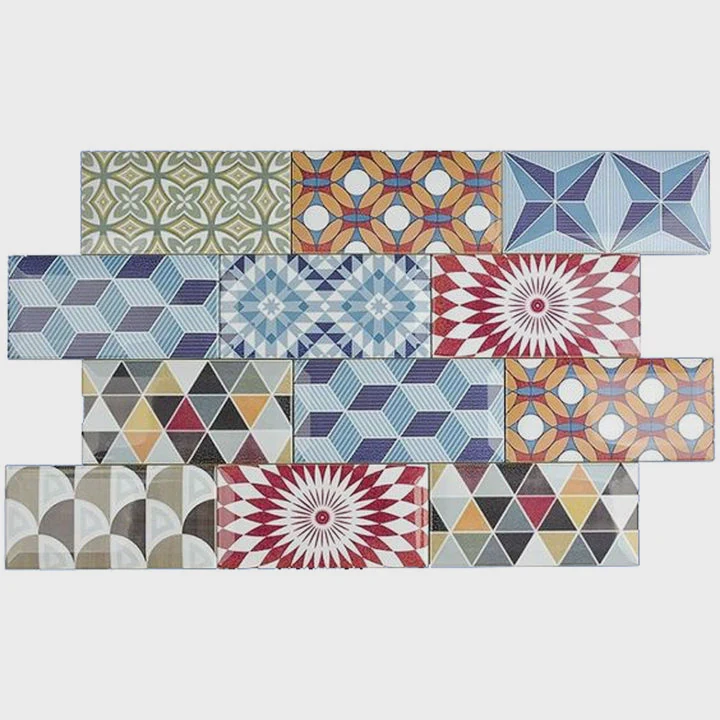
Benefits of Sealing Tiles
- Stain resistance: Spills wipe off easily.
- Water protection: Reduces moisture damage in kitchens and bathrooms.
- Enhanced appearance: Colors appear richer, surfaces look polished.
- Ease of cleaning: Dirt and grime do not stick as much.
- Longer lifespan: Prevents cracks and wear over time.
How Sealing Helps Durability
Sealers form a protective layer or penetrate deep into tile pores. This reduces wear caused by foot traffic or furniture. Some sealers even add scratch resistance to softer stone tiles. Unglazed tiles benefit more because they absorb water and dirt quickly.
Visual Enhancement
Topical sealers add shine, making tiles look freshly installed. Penetrating sealers darken stone slightly, enriching natural colors. Impregnating sealers maintain a natural look but improve surface clarity. Choosing the right sealer allows you to match durability with visual effect.
Cost and Value
| Feature | Effect |
|---|---|
| Reduced maintenance | Less frequent cleaning and repairs |
| Longer tile life | Delays replacement costs |
| Improved aesthetics | Higher property value, better first impressions |
Sealed tiles resist staining and fading. In areas like kitchens, bathrooms, and hallways, this makes cleaning much easier. Even grout stays protected, maintaining the contrast and style of the floor. Overall, sealing is both a protective and aesthetic investment, improving function and appearance for years.
Conclusion
Sealing tile floors protects them, improves durability, and enhances appearance. Choosing the right sealer, applying it carefully, and resealing at the correct intervals ensures your tiles look great and last longer.