How to Install 24x48 Tile on Wall?
- Sinotiles
- 2026-05-07
Installing large tiles can be tricky. They are heavy and unforgiving. Without proper steps, walls can crack or tiles can fall.
Large wall tiles like 24x48 inches need careful preparation, strong support, proper tools, and the right timing for grouting. Following correct steps ensures a smooth, durable finish.
Before jumping in, you must know the key steps. Large tiles need more attention than smaller ones. Let’s break down the process so mistakes are avoided.
What preparation is needed for large wall tiles?
Preparing the wall properly prevents cracks and ensures the tile sticks well. Problems happen when surfaces are uneven or dirty.
For large wall tiles, preparation involves cleaning, leveling, and priming the surface to make it ready for heavy tiles. Smooth and strong walls are a must.
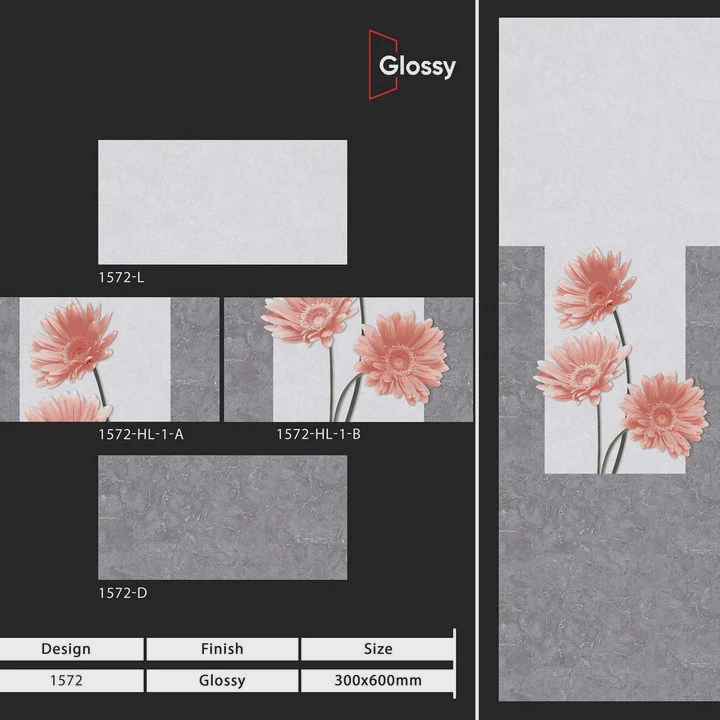
Preparation starts with cleaning the wall. Remove old paint, dust, or grease. A clean wall gives better adhesion. Next, check for flatness. Large tiles cannot follow a bumpy surface; uneven walls will show gaps or lippage. Use a level or straight edge to find high and low spots. Fill low areas with a patching compound and sand high spots. Priming the wall helps bonding. Use a primer that suits your wall type and the adhesive. Some large tiles require a back-butter technique, applying adhesive to both the tile and the wall. This ensures full coverage. Also, plan your layout carefully. Mark vertical and horizontal lines to guide tile placement. A balanced layout reduces cutting and uneven gaps. Large tiles are harder to move once placed, so measuring and marking first prevents mistakes. Skipping prep can cost time and money. Proper preparation also includes checking the substrate. Walls must support heavy tiles; drywall may need reinforcement. Cement board is a good option. Make sure all materials are dry before applying adhesive. Moisture can weaken bonding. Finally, gather all tools and tiles before starting. This saves stops and reduces risk of errors.
How do you ensure proper support for heavy tiles?
Large tiles can fall if walls cannot hold their weight. Support is essential.
Proper support for heavy tiles comes from using reinforced walls, mechanical anchors if needed, and high-quality adhesive applied correctly.
Heavy tiles like 24x48 inches place stress on walls. They need strong backing. Drywall alone often cannot handle the weight. Use cement board or reinforced gypsum board. Attach the boards securely to studs with screws at recommended intervals. For extra-large tiles, consider a wire lath or mesh on walls to improve adhesion. Adhesive choice is critical. Use a medium-bed or large-format tile adhesive designed for heavy tiles. It spreads evenly and supports weight. Back-buttering each tile ensures the entire surface contacts the wall. Mechanical anchors or clips may be used temporarily to hold tiles while adhesive sets, especially at higher rows. Some installers use horizontal ledgers or temporary wooden strips to support lower tiles. Remove them after adhesive cures. Spacing is also important. Large tiles expand slightly, so leave uniform gaps using tile spacers. Uneven weight distribution can cause stress points, leading to cracks. Regularly check that tiles are level and aligned. Using a laser level or straight edge helps maintain even placement. Safety matters too. Wear gloves and have a helper when moving large tiles. Proper handling reduces breakage and injury. Without strong support, even high-quality tiles and adhesive can fail.
Table: Wall Support Options for Large Tiles
| Support Type | Use Case | Notes |
|---|---|---|
| Cement board | Drywall replacement | Strong, moisture-resistant |
| Reinforced gypsum board | Medium-weight walls | Easy to cut, less heavy |
| Mechanical anchors | Extra-large tiles | Temporary or permanent hold |
| Wire mesh | Additional adhesion | Works with adhesive, prevents slippage |
Which trowel size suits large format tiles?
The right trowel ensures adhesive coverage. Wrong size causes poor bonding.
For 24x48 wall tiles, a 1⁄2 inch x 1⁄2 inch square-notched trowel is standard. This size spreads enough adhesive for proper support.
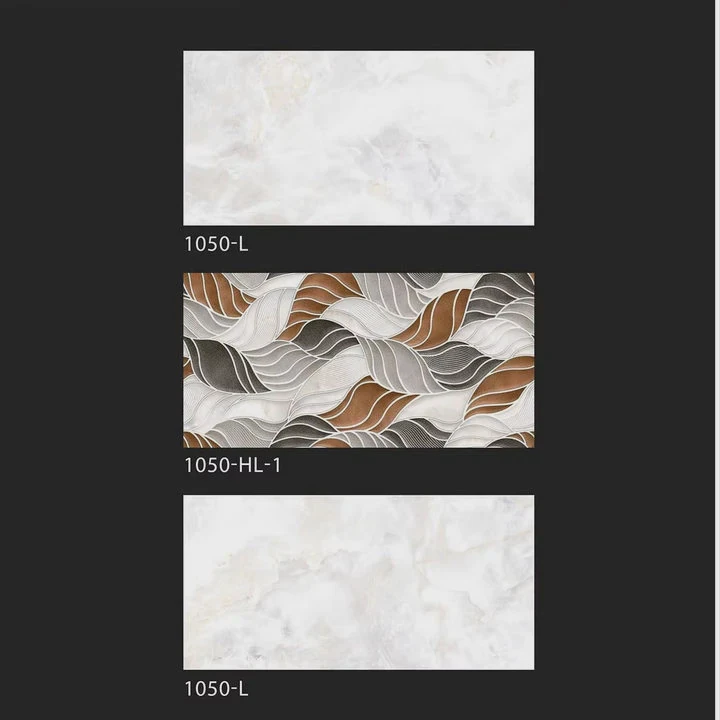
Large tiles need full adhesive contact. Small trowels leave gaps, which can trap air and cause tiles to fall or crack. A 1⁄2 inch x 1⁄2 inch notched trowel spreads enough mortar to cover the back of the tile. Apply adhesive in straight lines and then comb it with the notched edge. Some installers prefer a “back-butter” method, adding a thin layer of adhesive on the tile itself. This ensures complete coverage. Check for voids under tiles using a rubber mallet gently tapping the surface. Proper trowel technique also prevents excessive adhesive squeeze-out. Too much adhesive creates unevenness. Remember, applying adhesive evenly is more important than speed. Adjust the amount according to wall flatness. On walls with slight imperfections, increase adhesive thickness. Keep a damp sponge or cloth nearby to clean any adhesive that comes out of joints immediately. Misusing trowel size or method can lead to tiles not bonding fully and future problems like cracks or tiles falling. Following trowel guidelines saves time and ensures safety.
Table: Trowel Sizes for Different Tile Types
| Tile Size | Wall/Floor | Trowel Type | Notch Size |
|---|---|---|---|
| 12x12 | Wall | Square | 1⁄4 inch |
| 24x24 | Wall | Square | 3⁄8 inch |
| 24x48 | Wall | Square | 1⁄2 inch |
| Large format floor | Floor | U-notch | 1⁄2 inch or more |
When should grout be applied after installation?
Grouting too early can push tiles out. Waiting too long slows project.
Grout should be applied after adhesive has fully cured, usually 24–48 hours depending on product and temperature, to avoid movement and ensure strong joints.
After tiles are installed, let adhesive set completely. Check the manufacturer’s instructions for curing time. Large tiles may need longer because the adhesive layer is thicker. Apply grout in sections to avoid drying too fast. Use a rubber float to press grout into gaps, keeping lines even. Remove excess grout with a sponge before it hardens. Waiting too long makes cleaning harder. For very large tiles, a two-step grouting process can be used. First, fill gaps lightly, then finish smoothing after initial set. This prevents grout from sagging or leaving voids. Also, consider temperature and humidity. High heat may speed drying but reduce workability. Cold or damp conditions slow curing, so adjust timing. Sealing grout may be done after it hardens, protecting it from stains and moisture. Proper timing ensures tiles remain firmly bonded while grout creates a clean finish. Ignoring this can lead to loose tiles, cracks, or uneven joints. Good grouting enhances durability and appearance.
Table: Grout Timing and Notes
| Tile Size | Adhesive Cure Time | Grout Application | Notes |
|---|---|---|---|
| Small wall tile | 12–24 hours | After cure | Standard curing |
| Large wall tile | 24–48 hours | After cure | Consider thicker adhesive |
| High humidity | May need longer | Check adhesive | Prevents shifting |
| Cold environment | May slow curing | Adjust timing | Avoid early grouting |
Conclusion
Installing 24x48 wall tiles needs careful prep, strong support, correct trowel, and proper grouting. Following these steps ensures safe, beautiful, long-lasting results.