How to Tile a Bathroom?
- Sinotiles
- 2026-04-25
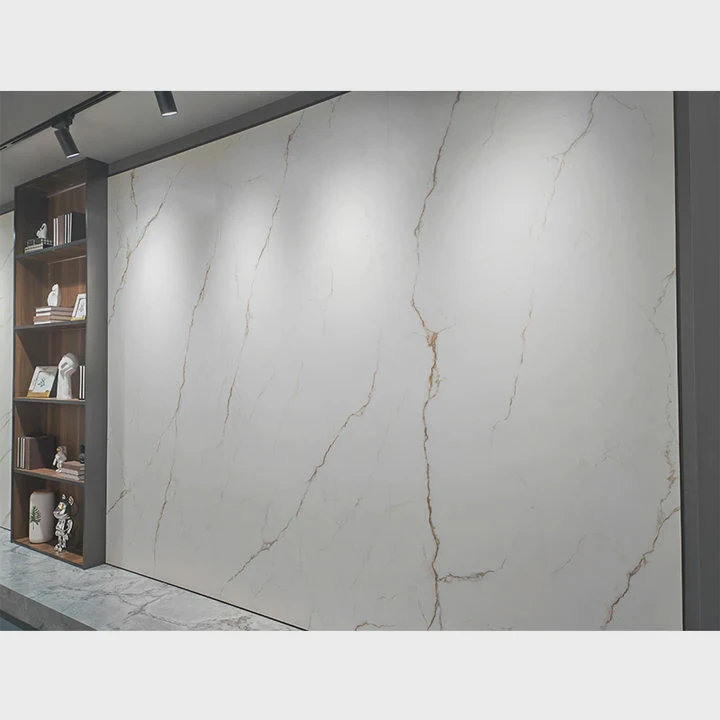
Bathroom tiling can feel overwhelming. Mistakes are costly and messy. Many homeowners worry about leaks and uneven tiles.
Tiling a bathroom is manageable with the right preparation, materials, and step-by-step method. Correct planning avoids common issues like water damage and cracked tiles.
Proper techniques improve durability and aesthetics. Let’s explore how to tile a bathroom efficiently and safely.
What steps are required for bathroom tiling?
Tiling involves more than just sticking tiles to walls or floors. Skipping steps often leads to uneven surfaces or peeling tiles.
The essential steps include surface preparation, layout planning, adhesive application, tile placement, and finishing touches.
Step-by-Step Tiling Process
- Prepare the surface – Clean, dry, and level walls or floors.
- Plan the layout – Measure and mark tile positions to minimize cuts.
- Apply adhesive – Use tile adhesive evenly with a notched trowel.
- Set tiles – Press tiles firmly and use spacers for uniform gaps.
- Cut tiles – Measure carefully and cut using a wet saw or tile cutter.
- Check alignment – Adjust tiles before adhesive sets.
- Let adhesive dry – Follow manufacturer’s drying time instructions.
- Grouting – Fill gaps with grout once tiles are secure.
- Cleaning – Remove excess grout and polish tiles.
- Seal edges – Apply silicone or sealant where tiles meet fixtures.
Tiles must be installed from a reference line to ensure level alignment. Planning prevents uneven rows and wasted materials.
Common Mistakes to Avoid
- Skipping surface leveling
- Applying too little adhesive
- Ignoring spacing between tiles
- Rushing grout drying
Careful step-by-step work ensures a professional finish and reduces the need for repairs later.
How do you ensure waterproofing before tiling?
Bathrooms are high-moisture areas. Without proper waterproofing, leaks and mold can develop behind tiles.
Waterproofing layers protect walls and floors from water damage, extending bathroom life and keeping tiles intact.
Waterproofing Techniques
- Seal joints – Apply waterproof tape to corners and joints.
- Membrane application – Spread liquid or sheet waterproofing over walls and floors.
- Check for gaps – Ensure coverage around drains, pipes, and edges.
- Drying time – Allow membrane to cure fully before tiling.
Benefits of Proper Waterproofing
| Feature | Benefit |
|---|---|
| Liquid membranes | Easy to coat complex areas |
| Sheet membranes | Strong barrier for floors |
| Silicone seals | Prevents leaks at joints |
| Drain protection | Stops water penetration under tiles |
Waterproofing may involve multiple layers. First, a primer layer, then membrane, then corners sealed. This approach avoids costly water damage and protects both tiles and subfloor.
Which materials are best for bathroom durability?
Tile selection impacts longevity and maintenance. Bathrooms experience moisture, heat, and daily wear.
Ceramic, porcelain, and natural stone are top choices. They balance water resistance, strength, and design versatility.
Material Comparison
| Material | Durability | Water Resistance | Best Use |
|---|---|---|---|
| Ceramic | Medium | High | Walls, low-traffic floors |
| Porcelain | High | Very High | Floors, showers, heavy use |
| Natural stone | High | Medium | Decorative walls, floors with sealant |
| Glass mosaic | Medium | Very High | Accent walls, backsplashes |
Porcelain is dense and less porous, making it ideal for floors and wet areas. Natural stone offers a luxury look but requires sealing to prevent staining. Ceramic tiles are easy to cut and install, perfect for walls.
Selecting the right adhesive and grout also ensures tiles remain secure under moisture and temperature changes. A strong combination of material and installation method guarantees durability.
When should grout and sealant be applied?
Grout fills the spaces between tiles, while sealant protects edges from water. Applying them at the correct time is critical.
Grout is applied after adhesive dries; sealant is used at edges and corners after grouting, ensuring a waterproof finish.
Timing Guidelines
- Adhesive cure – Wait 24-48 hours after tiling.
- Grouting – Mix and apply grout, then clean excess.
- Grout drying – Allow grout to set 24 hours.
- Sealant application – Apply silicone at corners, edges, and junctions.
- Final drying – Sealant cures in 24 hours before water exposure.
Grout and Sealant Table
| Task | Recommended Time | Notes |
|---|---|---|
| Grouting | 24–48 hrs after tiling | Ensure tiles are firmly set |
| Grout cleaning | Immediately after application | Prevent haze or buildup |
| Sealant | After grout fully dries | Focus on corners, bath edges |
| Water test | 24 hrs post-sealant | Confirm waterproofing success |
Applying grout too early can cause movement or cracking. Sealant protects vulnerable edges, preventing water from seeping behind tiles. Following these steps ensures a lasting, clean bathroom surface.
Conclusion
Tiling a bathroom requires preparation, waterproofing, and careful material selection. Following correct steps, applying grout, and sealing edges ensures durable, beautiful results that last for years.