How to Tile a Walk In Shower?
- Sinotiles
- 2026-06-30
A poorly tiled walk-in shower can lead to leaks, mold, and expensive repairs. Many people focus on the tiles but forget the steps that matter most before installation.
The best way to tile a walk-in shower is to prepare the surface carefully, create the correct drainage slope, apply a reliable waterproofing system, and choose slip-resistant tiles that improve both safety and durability.
A beautiful shower is more than a good tile design. Every layer under the tile affects the final result. When each step is done correctly, the shower will stay strong, dry, and easy to maintain for many years.
What Preparation Is Needed for Walk In Shower Tiling?
Many shower problems begin before the first tile is installed. Uneven walls, weak subfloors, or poor planning often cause cracked grout, loose tiles, or water damage later.
Good preparation includes checking the structure, leveling the surface, installing suitable backer boards, planning the layout, and gathering the right materials before any tile is installed.
Preparation is the part that many people rush through. From my experience, this step decides whether the finished shower lasts for decades or starts showing problems after only a few years.
Inspect the Structure
The first job is checking the walls and floor. Every surface should be solid and stable. Any movement can crack grout joints and damage waterproofing layers.
Wall studs should be straight. Damaged wood should be replaced before moving forward.
Install the Correct Backer Board
Drywall is not suitable inside a shower.
Most professional installers use cement backer board or foam tile backer boards because these materials resist moisture much better.
Plan the Tile Layout
Planning before installation saves time and reduces waste.
A simple layout plan should include:
| Preparation Step | Purpose |
|---|---|
| Measure the shower | Calculate tile quantity |
| Find the center line | Create balanced tile layout |
| Dry lay several rows | Check cuts before installation |
| Mark plumbing openings | Reduce installation mistakes |
| Check grout joint width | Keep spacing consistent |
A good layout also makes the shower look more balanced. Small tile cuts hidden in corners usually create a cleaner appearance.
Prepare the Shower Base
The shower base must already include the correct slope before waterproofing starts.
The drain should be positioned correctly. Every part of the floor must guide water toward the drain without creating low spots.
Gather All Materials
Preparation also means having every material ready before installation begins.
Typical materials include:
- Cement board
- Waterproof membrane
- Thin-set mortar
- Tile spacers
- Tile leveling system
- Tile cutter
- Grout
- Silicone sealant
- Drain accessories
Stopping halfway through installation because materials are missing often causes unnecessary delays.
Good preparation may take an entire day, but it usually prevents much larger problems later.
How to Ensure Proper Drainage Slope?
Standing water is one of the biggest signs of poor shower installation. Even expensive tiles cannot solve drainage problems if the shower floor is not built correctly.
A proper drainage slope normally falls about 1⁄4 inch per foot toward the drain, allowing water to flow naturally without pooling anywhere on the shower floor.
Water always follows gravity. The floor should help water reach the drain quickly instead of allowing puddles to remain after every shower.
Understand the Standard Slope
The industry recommendation is simple.
The shower floor should slope approximately:
- 1⁄4 inch per foot (around 2%)
- Evenly from every direction
- Without sudden dips or high spots
Too little slope leaves standing water.
Too much slope feels uncomfortable to stand on.
Build the Shower Pan Carefully
The shower pan forms the foundation of the floor.
Many installers create the slope using mortar before waterproofing begins.
The surface should be smooth enough that every tile sits flat.
Check the Slope Before Tiling
I always believe it is easier to fix problems before tiles are installed.
Several simple tools help verify the slope:
- Spirit level
- Straight edge
- Laser level
- Measuring tape
Small corrections made early save hours of repair work later.
Tile Size Matters
Large-format tiles look beautiful on walls.
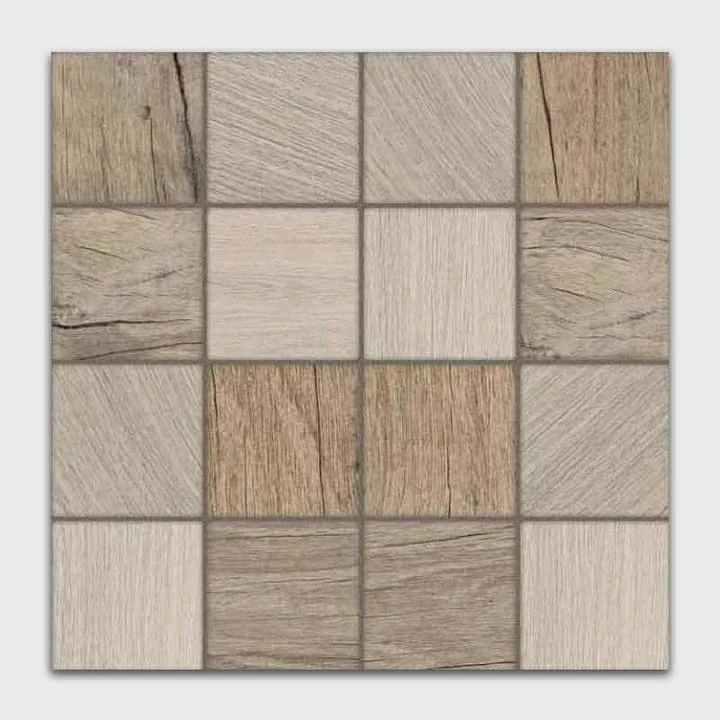
Small mosaic tiles usually work better on shower floors because they follow the floor slope much more easily.
Their additional grout joints also improve traction.
Common Drainage Mistakes
The following issues appear frequently during shower renovations.
| Mistake | Result |
|---|---|
| Flat floor | Water pools after every shower |
| Uneven mortar bed | Tiles rock or become uneven |
| Drain installed too high | Water cannot flow properly |
| Wrong tile size | Difficult installation on sloped floor |
| Low spots | Permanent puddles remain |
A proper drainage slope is almost invisible after installation, but it works every day without anyone noticing it.
Can Waterproofing Prevent Leaks Effectively?
Many people think tiles stop water. In reality, tiles and grout are not completely waterproof. Water can slowly pass through grout joints over time.
A complete waterproofing system placed beneath the tile surface is the most effective way to prevent leaks and protect the shower structure from moisture damage.
Waterproofing is one of the most valuable investments during shower construction.
Skipping this step often leads to expensive repairs hidden behind finished walls.
Tiles Are Decorative, Not Waterproof
Many first-time installers misunderstand this point.
Ceramic and porcelain tiles resist water very well.
However, grout joints can absorb moisture.
That is why the waterproof layer belongs underneath the tile.
Types of Waterproofing Systems
Several systems are commonly used today.
Liquid Waterproof Membranes
These products are rolled or brushed onto the surface.
After drying, they form a continuous waterproof coating.
Sheet Membranes
These waterproof sheets are bonded to walls and floors using thin-set mortar.
Many professionals prefer them because they provide consistent thickness.
Waterproof Foam Boards
Some modern backer boards already include waterproof surfaces.
This reduces installation time while simplifying the overall system.
Critical Areas Need Extra Attention
Certain parts of the shower experience more movement than others.
These include:
- Wall corners
- Floor corners
- Pipe penetrations
- Shower niches
- Bench connections
- Drain connection
Manufacturers often provide reinforcing tape or special corner pieces for these locations.
Waterproofing Inspection
Before any tile is installed, the waterproof layer should be checked carefully.
Many contractors perform a flood test by filling the shower base with water for about 24 hours.
If the water level remains unchanged, the waterproofing is usually performing correctly.
Finding leaks before tiling is much easier than repairing them after the shower is complete.
A reliable waterproofing system works quietly in the background. It protects wood framing, insulation, drywall, and nearby rooms from long-term moisture damage.
Why Choose Slip Resistant Tiles for Showers?
A beautiful shower should also be safe. Wet surfaces become slippery very quickly, especially when soap is added. Choosing the wrong tile can increase the risk of accidents.
Slip-resistant tiles provide better grip under wet conditions, making walk-in showers safer while maintaining an attractive appearance and long-term durability.
Safety should never be treated as an optional feature.
A shower is used every day by children, adults, and older family members.
Surface Texture Improves Grip
Slip-resistant tiles usually have textured surfaces.
The extra texture increases friction between feet and the tile.
Water drains more easily across these surfaces instead of creating a slippery film.
Tile Size Also Affects Safety
Many shower floors use small mosaic tiles.
This design offers two advantages.
First, the tiles follow the floor slope easily.
Second, the many grout joints create additional grip while walking.
Understanding Slip Ratings
Many tile manufacturers publish slip resistance ratings.
Although different countries use different testing methods, higher slip resistance generally means better performance in wet areas.
When choosing shower floor tiles, checking these ratings is always worthwhile.
Balancing Safety and Cleaning
Some people worry that textured tiles are difficult to clean.
Modern porcelain tiles often provide both good slip resistance and easy maintenance.
The key is selecting products designed specifically for wet environments.
Choosing the Right Shower Floor Tile
Several factors should be considered before making a final decision.
| Factor | Recommendation |
|---|---|
| Material | Porcelain performs very well |
| Finish | Matte or textured surface |
| Size | Small mosaics work well on slopes |
| Water absorption | Low absorption improves durability |
| Maintenance | Choose surfaces that clean easily |
A shower floor should not only match the wall design. It should also provide confidence every time someone steps inside.
Many modern porcelain tiles successfully combine attractive appearance, excellent durability, stain resistance, moisture resistance, and dependable slip resistance. This balance allows homeowners, designers, and contractors to create showers that are both stylish and practical for everyday use.
Conclusion
Tiling a walk-in shower requires much more than placing tiles on the wall. Careful preparation, accurate floor slope, reliable waterproofing, and slip-resistant floor tiles all work together to create a shower that remains beautiful, safe, and durable for many years.