How to Use a Tile Cutter?
- Sinotiles
- 2026-06-30
Cutting tiles looks simple at first. Many people crack tiles, waste materials, and lose time because they use the wrong method or tool.
A tile cutter works best when the correct cutter is matched with the tile type, the tile is scored properly, and steady pressure is used during the cut. Both beginners and professionals can achieve clean results by following a few basic steps.
Many tile projects fail because of poor cutting techniques rather than poor tiles. Understanding the tools and the process can save money, reduce waste, and improve the final appearance of any installation.
What Types of Tile Cutters Are Available?
Many people start a tile project without knowing which cutter fits their job. This often leads to chipped edges, broken tiles, and frustration.
The main types of tile cutters include manual tile cutters, electric wet saws, snap cutters, handheld tile cutters, and tile nippers. Each option suits different tile materials, sizes, and project requirements.
Choosing the right tile cutter is the first step toward a successful installation. Over the years, many buyers have focused only on price. In reality, the tile material often matters more than the cutter cost.
Manual Tile Cutters
Manual tile cutters are among the most popular options. They are simple to use and do not require electricity. The user scores the tile surface and then applies pressure to snap the tile along the score line.
These cutters work well for:
- Ceramic tiles
- Some porcelain tiles
- Small and medium projects
- Indoor installations
Electric Wet Saws
Electric wet saws use a diamond blade and water cooling system. They provide greater cutting power and cleaner edges.
These cutters are suitable for:
- Thick porcelain tiles
- Large-format tiles
- Natural stone
- Professional installations
Tile Nippers
Tile nippers remove small pieces from a tile edge. They are useful when creating curved shapes around pipes or fixtures.
Handheld Tile Cutters
These are compact tools designed for light work. They are affordable but usually less accurate than larger manual cutters.
Comparison of Common Tile Cutters
| Tile Cutter Type | Best For | Difficulty Level | Cutting Accuracy |
|---|---|---|---|
| Manual Cutter | Ceramic and porcelain | Easy | Good |
| Electric Wet Saw | Porcelain and stone | Medium | Excellent |
| Tile Nippers | Curves and small trims | Medium | Fair |
| Handheld Cutter | Small repairs | Easy | Basic |
Choosing the Right Cutter
Several factors affect the decision.
Tile Material
Hard porcelain often requires stronger equipment than ceramic.
Tile Thickness
Thicker tiles need greater cutting force.
Project Size
A small bathroom renovation may only require a manual cutter. A large commercial project may justify an electric wet saw.
Budget
Manual cutters generally cost less and require little maintenance.
A good tile cutter should match both the tile and the project. When these factors align, cutting becomes faster, easier, and far more consistent.
How to Score Tile Correctly Before Cutting?
Many cutting problems happen before the tile even breaks. Poor scoring creates uneven edges and causes tiles to crack in the wrong direction.
Correct scoring requires a straight guide, steady pressure, and a single continuous pass across the tile surface. Multiple scoring passes often reduce cutting quality and increase breakage.
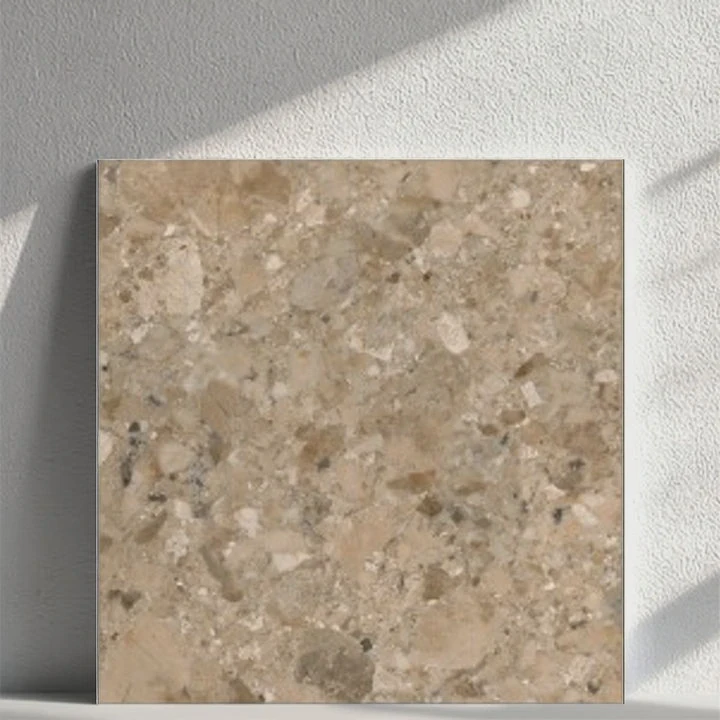
Scoring is the most important part of the manual cutting process. A clean score line creates a weak point that guides the tile break. When the score is poor, even the best cutter may struggle.
Step 1: Measure Carefully
Accurate measurements come first.
Every successful cut starts with proper planning. Checking dimensions twice before cutting helps avoid expensive mistakes and wasted tiles.
Important checks include:
- Tile size
- Grout joint allowance
- Expansion gaps
- Wall alignment
Step 2: Mark the Cut Line
Use a pencil or washable marker.
A visible line helps keep the scoring wheel on track from start to finish.
Step 3: Position the Tile Properly
Place the tile firmly against the cutter guide.
The tile should not move during scoring. Even slight movement can create an uneven break line.
Step 4: Apply Consistent Pressure
Many beginners think harder pressure creates better results. In reality, excessive force can damage the glaze and increase the risk of chipping.
The goal is simple:
- Apply firm pressure
- Maintain constant speed
- Keep the wheel on the marked line
Step 5: Score Only Once
This is one of the most common mistakes.
A single scoring pass creates a clean break line. Repeating the scoring action can produce rough edges and uneven breaks.
Common Scoring Mistakes
| Mistake | Result | Solution |
|---|---|---|
| Too much pressure | Chipped glaze | Use moderate force |
| Too little pressure | Weak score line | Apply steady pressure |
| Multiple passes | Rough break | Score once only |
| Crooked scoring | Uneven cut | Follow guide carefully |
Why Consistency Matters
The scoring wheel creates a controlled weakness in the tile surface. The break follows this weak point.
Consistent Speed
A smooth movement helps create an even score.
Stable Position
Movement during scoring can shift the line and affect accuracy.
Clean Equipment
Dust and debris may affect wheel performance and reduce cutting quality.
Many professional installers agree that scoring is not about strength. It is about control. A smooth and straight score usually produces a cleaner cut than aggressive force. Once the scoring technique becomes consistent, tile cutting becomes much more predictable. This reduces material waste and improves installation quality. Good scoring also helps maintain clean edges, which is especially important when working with visible wall tiles and decorative surfaces.
Can Beginners Use Tile Cutters Easily?
Many first-time users worry that tile cutting requires professional skills. This fear often delays projects or increases installation costs.
Most beginners can learn basic tile cutting quickly. Modern manual tile cutters are designed for simple operation, and a few practice cuts are usually enough to build confidence.

Tile cutting may seem intimidating at first, but the learning curve is often shorter than expected. The process follows a simple pattern: measure, mark, score, and snap.
Why Beginners Often Succeed
Modern tile cutters are designed with user-friendly features.
These include:
- Adjustable guides
- Measurement scales
- Stable cutting rails
- Comfortable handles
Such features reduce the chance of user error and help users achieve more consistent results.
Common Beginner Challenges
Inaccurate Measurements
Many mistakes happen before the tile reaches the cutter.
Taking extra time to verify dimensions improves results significantly.
Uneven Pressure
New users sometimes push too lightly or too hard.
Practice helps develop the correct feel and improves confidence.
Fear of Breaking Tiles
Many beginners hesitate when snapping the tile.
Ironically, hesitation often creates poor cuts. A confident and controlled snapping action usually works best.
Simple Practice Method
When learning, practicing on spare tiles is a good idea.
Try these steps:
- Mark several straight lines.
- Score each line once.
- Snap the tile.
- Inspect the edge quality.
- Adjust technique if needed.
Within a few attempts, most users notice clear improvement.
Safety Tips for Beginners
Safety should always come first.
Important precautions include:
- Wear safety glasses
- Use gloves when necessary
- Keep the work area clean
- Inspect tools before use
Skills That Improve Results
| Skill | Importance | Learning Difficulty |
|---|---|---|
| Measuring | High | Easy |
| Marking | High | Easy |
| Scoring | High | Medium |
| Snapping | Medium | Easy |
| Edge Finishing | Medium | Medium |
Building Confidence
A successful first project often comes from starting small.
Begin With Straight Cuts
Straight cuts are easier to control and easier to evaluate.
Use Ceramic Tiles First
Ceramic tiles generally cut more easily than dense porcelain tiles.
Learn Tool Limits
Every cutter has a maximum tile size and thickness.
Understanding these limits prevents unnecessary frustration and helps users choose the correct equipment.
Many first-time users discover that patience makes a bigger difference than experience. Rushing through measurements or cuts often causes mistakes. Taking time to follow each step carefully usually leads to better results. After a short period of practice, most beginners can perform straight cuts with confidence and accuracy. This makes tile cutters one of the easiest tile installation tools to learn.
Why Choose Manual Versus Electric Cutters?
Many buyers struggle to decide between manual cutters and electric cutters. The wrong choice can increase costs or slow down the installation process.
Manual tile cutters offer speed, simplicity, and lower costs, while electric cutters provide greater cutting power, precision, and versatility for hard materials and complex projects.
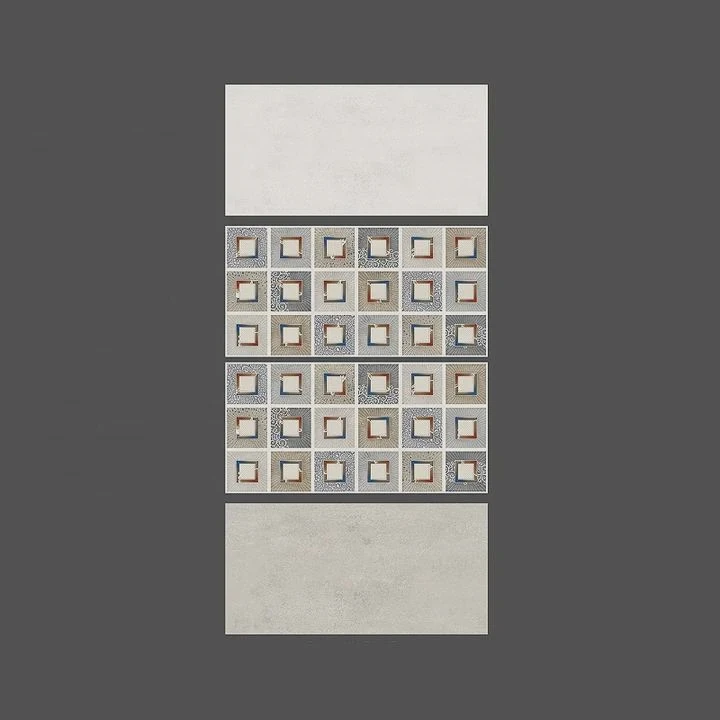
The choice between manual and electric cutters depends on several practical factors. Neither option is automatically better. Each serves a different purpose and performs best under certain conditions.
Advantages of Manual Tile Cutters
Manual cutters remain popular because they are simple and efficient.
Benefits include:
- No electricity required
- Low maintenance
- Fast straight cuts
- Portable design
- Lower operating costs
These features make them ideal for many residential and light commercial projects.
Advantages of Electric Tile Cutters
Electric cutters provide greater flexibility and cutting power.
They can handle:
- Thick porcelain
- Large-format tiles
- Marble
- Granite
- Complex cutting patterns
The rotating diamond blade allows smoother cutting through hard materials.
Performance Comparison
| Feature | Manual Cutter | Electric Cutter |
|---|---|---|
| Purchase Cost | Lower | Higher |
| Portability | Excellent | Moderate |
| Maintenance | Low | Medium |
| Cutting Power | Moderate | High |
| Curved Cuts | Limited | Better |
| Large Tiles | Good | Excellent |
When Manual Cutters Make Sense
Small Renovations
A bathroom or kitchen backsplash project often requires mostly straight cuts.
Budget-Conscious Projects
Manual cutters reduce equipment costs while maintaining good efficiency.
Fast Production Work
Many installers use manual cutters for repetitive straight cuts because they are quick and convenient.
When Electric Cutters Make Sense
Hard Materials
Dense porcelain and natural stone often require stronger cutting capability.
Large Commercial Projects
Electric saws support high-volume production and long working hours.
Precision Work
Complex cuts benefit from blade control and cutting power.
Cost Versus Value
Many buyers focus only on tool price.
A better approach is to compare:
- Project size
- Tile material
- Labor efficiency
- Waste reduction
A higher-priced electric cutter may save money on a large project by reducing breakage and increasing productivity.
Long-Term Considerations
Several factors influence long-term value.
Durability
Quality equipment typically lasts longer and performs more consistently.
Replacement Parts
Availability of blades and accessories matters for ongoing use.
Future Projects
Some contractors and distributors expect continuous installation work.
In these cases, investing in stronger equipment may provide better value over time.
Many professional tile installers use both manual and electric cutters. Manual cutters handle daily straight cuts efficiently. Electric cutters solve specialized cutting challenges and work well with difficult materials. Understanding the strengths and limits of each option helps improve efficiency, reduce waste, and achieve better installation results.
Conclusion
Using a tile cutter successfully starts with choosing the right tool, scoring correctly, and practicing proper technique. Whether using a manual cutter or an electric saw, careful preparation and consistent cutting methods help produce cleaner edges, less waste, and more professional-looking tile installations.