Is Ceramic Tile Good for Shower Walls?
- Sinotiles
- 2026-05-21
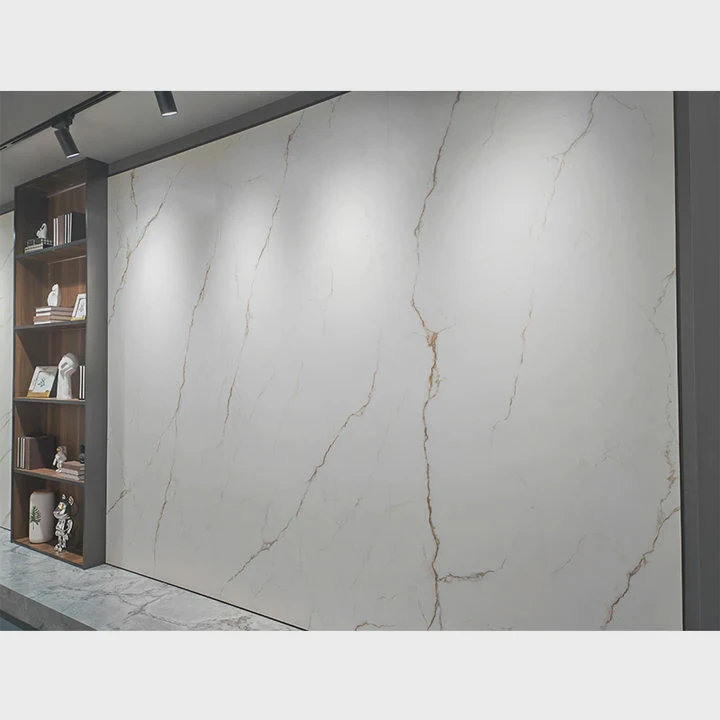
Many homeowners worry that shower walls may develop mold, stains, or water damage over time. Choosing the wrong wall material often creates expensive repair problems later.
Ceramic tile is a good choice for shower walls because it offers moisture resistance, easy maintenance, decorative flexibility, and long-term durability when installed and sealed properly.
Shower walls face constant exposure to water, steam, soap residue, and cleaning chemicals. A reliable wall material must handle all these conditions without losing appearance or performance. Ceramic tiles remain one of the most widely used options in residential and commercial bathrooms because they balance cost, durability, and design variety very well.
What Benefits Do Ceramic Tiles Offer Shower Walls?
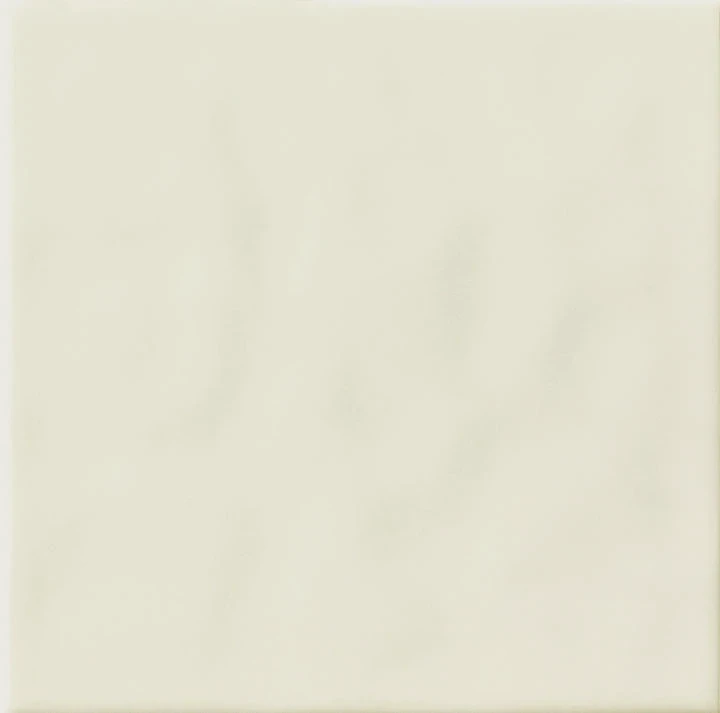
Some wall materials may look attractive at first but quickly show water stains, mold growth, or surface damage in humid bathroom environments.
Ceramic tiles offer shower walls benefits such as water resistance, easy cleaning, decorative versatility, affordable pricing, and long-lasting surface durability.
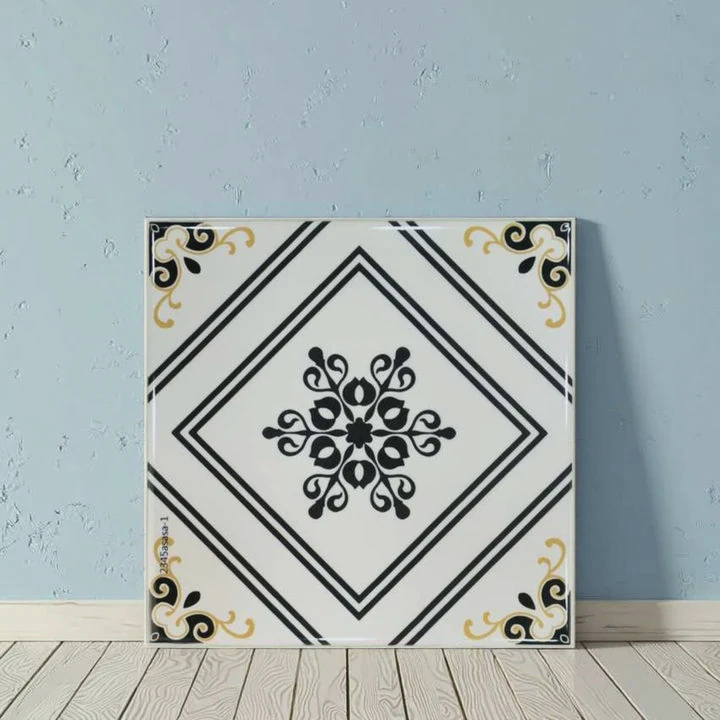
Ceramic tiles have been used in bathrooms for decades because they perform well under wet conditions. Modern manufacturing technology has also expanded the range of colors, textures, and patterns available for shower wall designs.
Ceramic Tiles Are Easy to Maintain
One major reason people choose ceramic tile is simple maintenance. The glazed surface helps resist soap stains, shampoo residue, and everyday dirt.
Regular cleaning usually requires only:
- Mild detergent
- Soft sponge
- Warm water
- Non-abrasive cleaner
Unlike painted walls or wallpaper, ceramic tiles do not absorb moisture easily. This reduces long-term staining problems.
Wide Design Variety
Ceramic wall tiles are available in many styles.
Popular options include:
| Tile Style | Common Shower Design |
|---|---|
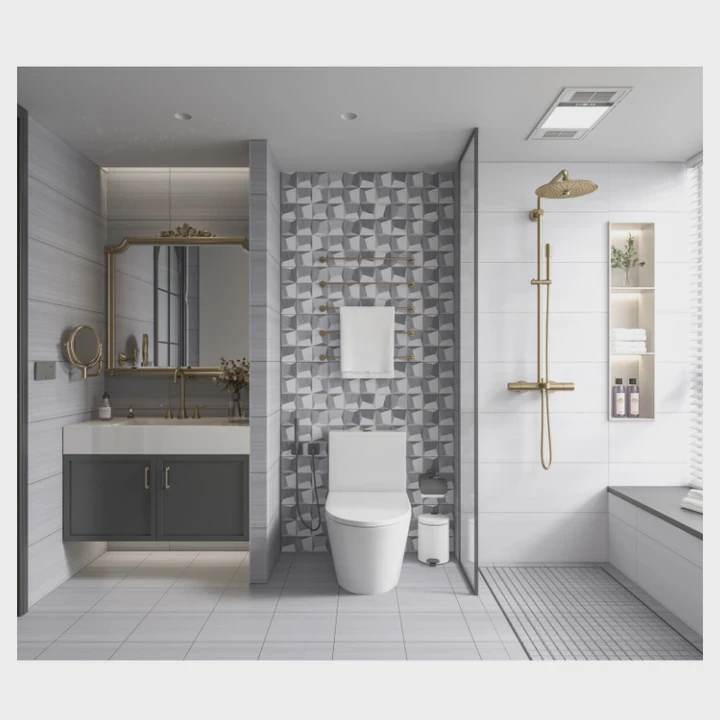
| Glossy white tile | Modern minimalist bathrooms |
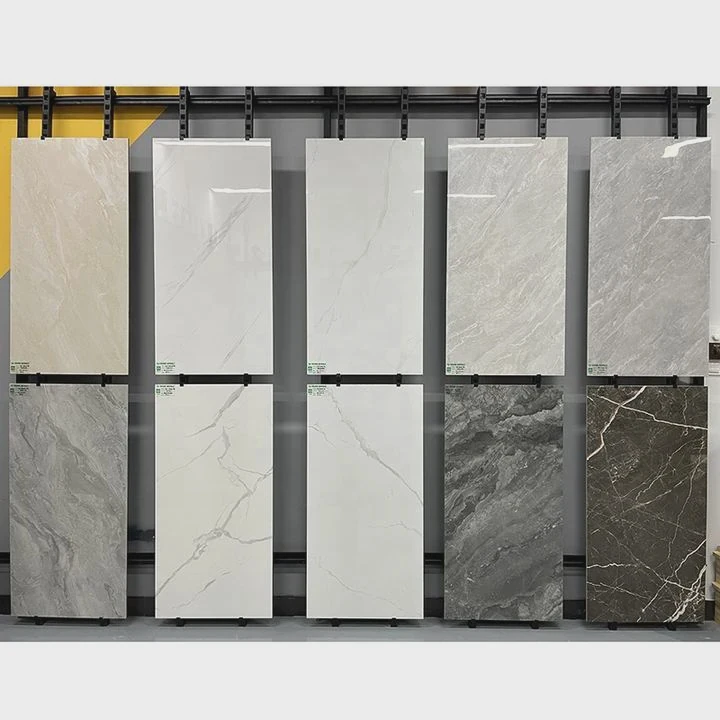
| Marble-look ceramic | Luxury spa-style showers |
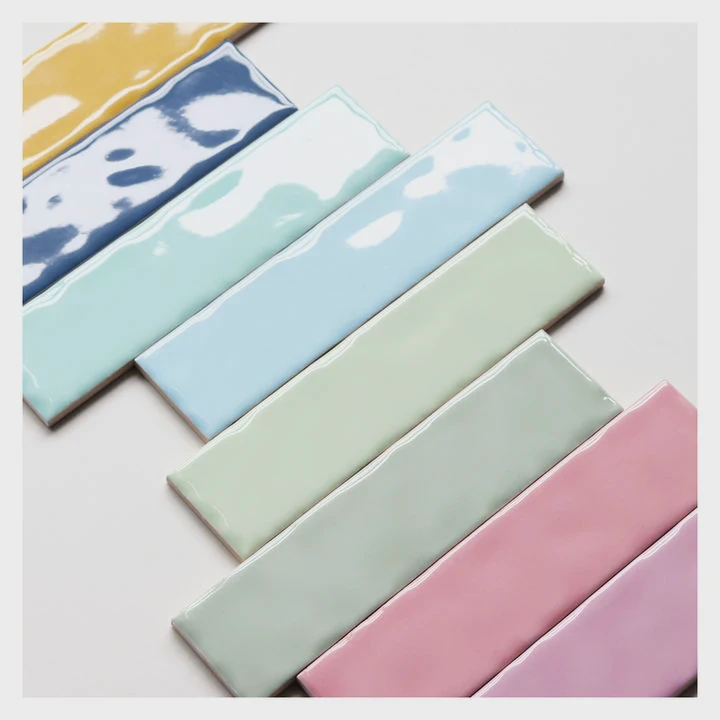
| Subway tile | Classic residential bathrooms |
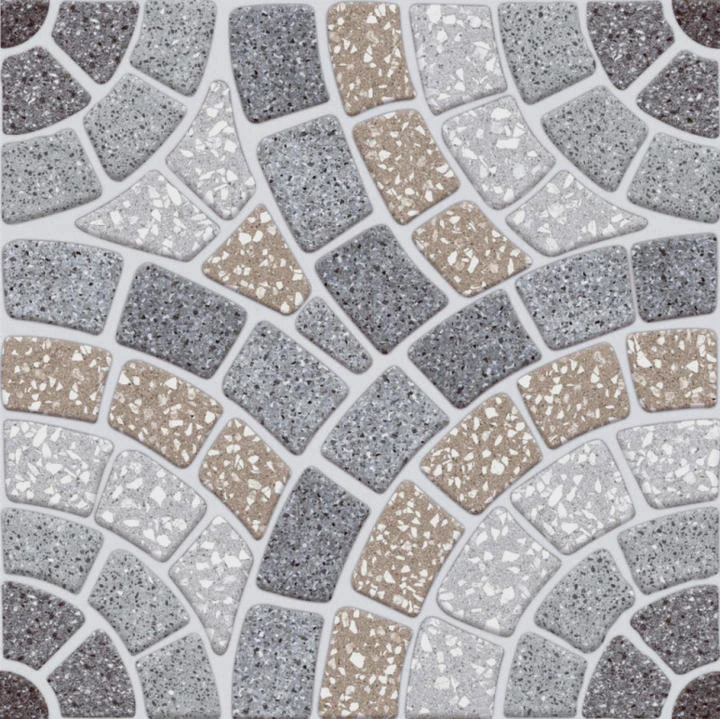
| Textured ceramic tile | Natural contemporary spaces |
This variety allows designers and homeowners to match many interior decoration styles.
Affordable Compared With Some Materials
Natural stone shower walls often cost much more than ceramic tiles. Ceramic provides a similar decorative effect at a lower price.
This cost advantage becomes very important in:
- Apartment projects
- Hotels
- Residential developments
- Renovation work
Many contractors prefer ceramic wall tiles because they offer good visual results while helping control project budgets.
Ceramic Tiles Have Good Durability
Properly installed ceramic shower walls can last many years.
Quality ceramic tiles resist:
- Moisture exposure
- Surface scratches
- Color fading
- Daily cleaning chemicals
This durability makes them suitable for both residential and commercial bathrooms.
Ceramic Tiles Support Flexible Layouts
Ceramic tiles come in many sizes, including:
- 300x600mm
- 600x600mm
- Mosaic formats
- Large wall panels
Large tiles reduce grout lines and create a cleaner modern appearance. Smaller mosaic tiles add decorative detail and design flexibility.
Installation Is Widely Understood
Most professional tile installers already have strong experience with ceramic wall tile installation.
This helps reduce:
- Installation mistakes
- Project delays
- Labor training issues
Availability of experienced installers also helps maintain more stable installation costs.
Ceramic Tiles Improve Property Appearance
A well-designed tiled shower often increases bathroom appeal.
Modern ceramic wall tiles can imitate:
- Marble
- Wood
- Concrete
- Natural stone
- Metallic finishes
This allows designers to create high-end bathroom styles without extremely high material costs.
Long-Term Value Matters
Many property owners focus not only on installation cost but also on maintenance expenses over time.
Ceramic shower walls usually require less maintenance than painted drywall or low-quality waterproof panels. This helps reduce future renovation costs and keeps bathrooms attractive for longer periods.
How Does Ceramic Tile Resist Moisture Exposure?
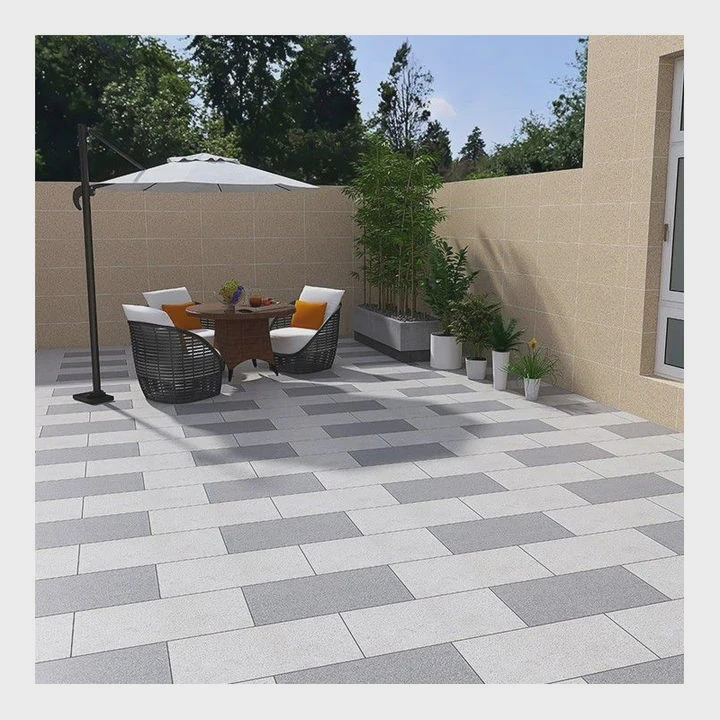
Bathrooms produce constant humidity and direct water exposure every day. Weak wall materials often develop mold, swelling, or peeling after long-term use.
Ceramic tile resists moisture exposure through its glazed protective surface, low water absorption rate, dense body structure, and waterproof installation system.
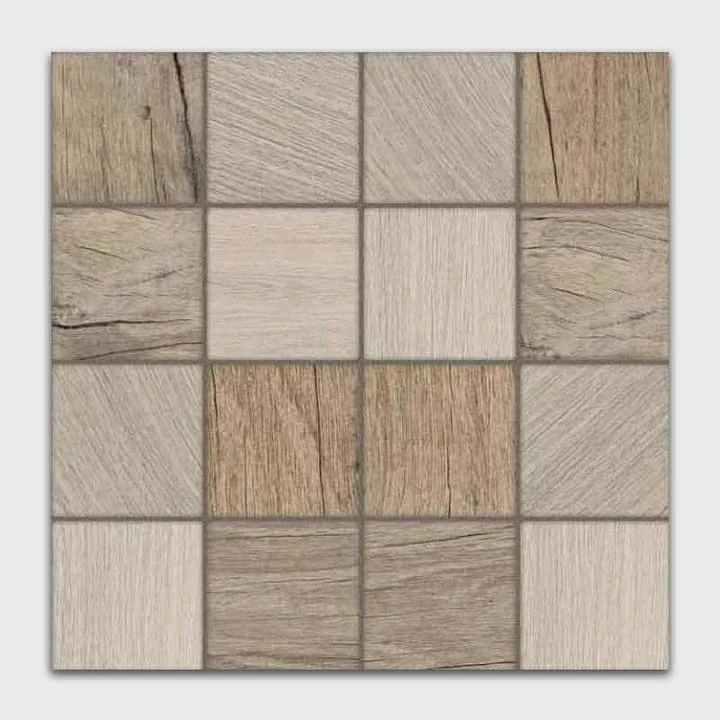
Moisture resistance is one of the most important reasons ceramic tile remains popular in shower installations. Water enters shower walls repeatedly through splashing, steam, and condensation. Ceramic tiles help block this moisture from damaging the wall structure behind them.
Glazed Surfaces Create Protection
Most ceramic shower wall tiles include a glazed top layer.
This glaze helps protect against:
- Water penetration
- Surface stains
- Soap buildup
- Mold growth
Glossy glazed tiles are especially popular because water tends to run off the surface more easily.
Low Water Absorption Helps Stability
Ceramic tiles absorb far less water than many wall materials.
This helps reduce risks such as:
| Moisture Problem | Ceramic Tile Performance |
|---|---|
| Wall swelling | Strong resistance |
| Surface peeling | Minimal risk |
| Mold growth | Lower probability |
| Water staining | Easier to prevent |
Porcelain tiles usually absorb even less water than standard ceramic tiles, but ceramic still performs very well for many shower wall applications.
Proper Installation System Matters
Tiles alone are not fully waterproof. The complete installation system is equally important.
Professional shower wall systems usually include:
- Waterproof membrane
- Cement backer board
- Tile adhesive
- Grout
- Sealant
These layers work together to prevent hidden water damage behind the wall.
Grout Maintenance Helps Moisture Protection
Grout joints sit between the tiles and may absorb water over time.
Regular grout maintenance helps:
- Reduce mold growth
- Prevent water penetration
- Maintain clean appearance
Some projects use epoxy grout because it provides stronger water resistance compared with standard cement grout.
Ceramic Handles Humid Conditions Well
Bathrooms experience repeated temperature and humidity changes.
Ceramic tiles stay stable under:
- Hot steam
- Cold water
- Daily humidity cycles
- Frequent cleaning
This stability helps reduce cracking and surface deterioration.
Mold Resistance Improves Hygiene
Because ceramic surfaces are non-porous, they are less likely to trap moisture and bacteria.
This creates a cleaner environment compared with absorbent wall materials.
Hotels and commercial properties often prefer ceramic wall systems partly because they are easier to sanitize regularly.
Tile Size Can Influence Moisture Protection
Large format ceramic tiles reduce the number of grout joints.
Fewer grout joints often mean:
- Easier cleaning
- Lower moisture penetration risk
- More modern appearance
Many luxury shower designs now use larger wall tiles for both visual and maintenance advantages.
Long-Term Moisture Resistance Saves Repair Costs
Water damage repairs inside bathrooms can become very expensive.
Common repair issues include:
- Mold remediation
- Wall replacement
- Waterproofing failure
- Structural damage
Properly installed ceramic shower walls help reduce these risks significantly over many years of use.
Why Use Proper Sealing for Shower Installations?
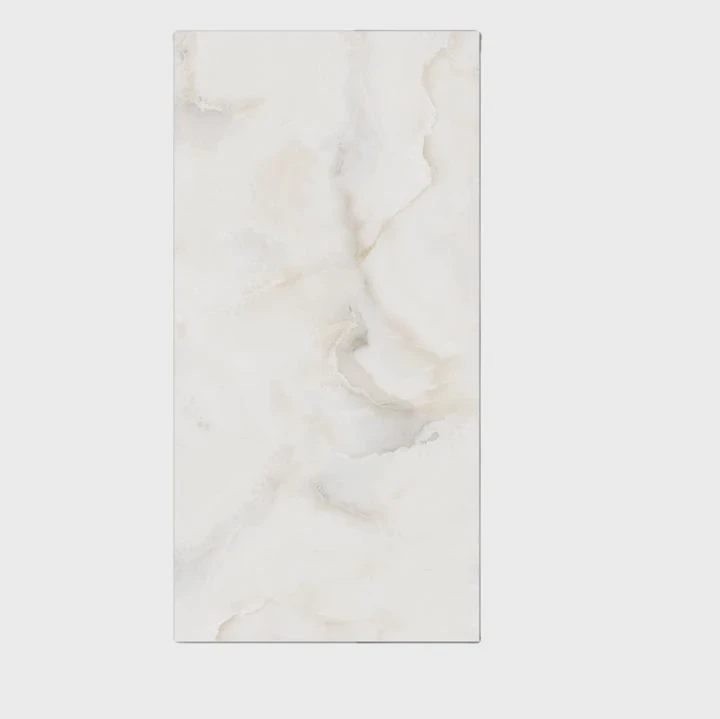
Even high-quality ceramic tiles can experience water problems if sealing work is ignored. Small gaps may allow moisture to reach deeper wall layers over time.
Proper sealing protects shower installations by preventing water penetration, reducing mold growth, strengthening grout performance, and extending the life of ceramic tile systems.
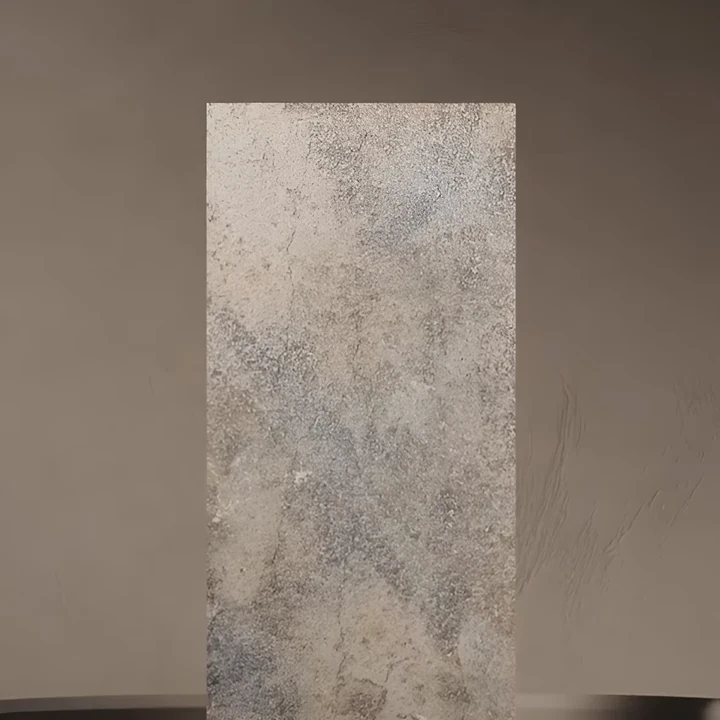
Many people believe ceramic tile itself creates a fully waterproof shower wall. In reality, sealing and waterproofing systems play a critical role in protecting the entire installation.
Sealants Protect Vulnerable Areas
Water usually enters through joints instead of through the tile body itself.
Critical sealing areas include:
- Tile corners
- Pipe penetrations
- Shower niches
- Floor-to-wall connections
- Grout joints
Without proper sealing, hidden moisture may slowly damage the wall structure.
Silicone Sealants Provide Flexibility
Bathrooms experience small structural movements caused by temperature changes and building settling.
Flexible silicone sealants help absorb this movement without cracking.
Rigid materials may fail more easily under constant expansion and contraction.
Waterproof Membranes Add Extra Protection
Professional shower installations usually include waterproof membranes behind the tiles.
Common membrane types include:
| Waterproofing System | Main Advantage |
|---|---|
| Liquid membrane | Easy application |
| Sheet membrane | Strong waterproof barrier |
| Cement waterproof coating | Good durability |
| Foam backer systems | Lightweight installation |
These systems create additional protection behind the tile layer.
Sealing Helps Prevent Mold
Moisture trapped behind shower walls creates ideal conditions for mold growth.
Good sealing reduces:
- Water intrusion
- Damp wall cavities
- Hidden bacterial growth
- Long-term odor problems
This is especially important in bathrooms with poor ventilation.
Grout Sealing Extends Durability
Traditional cement grout may absorb moisture slowly over time.
Grout sealing helps:
- Improve stain resistance
- Reduce water absorption
- Simplify cleaning
- Extend grout lifespan
Some commercial projects schedule regular grout resealing as part of preventive maintenance.
Shower Niches Need Special Attention
Built-in shampoo niches create additional corners and seams where water may collect.
Improperly sealed niches often become common leak points.
Professional installers usually apply extra waterproofing reinforcement around these areas.
Cheap Sealants Often Fail Early
Low-quality sealants may crack, shrink, or discolor after long-term exposure to steam and cleaning products.
This may lead to:
- Water leakage
- Loose tiles
- Mold growth
- Expensive repairs
Reliable materials help avoid these long-term maintenance problems.
Proper Sealing Improves Overall Bathroom Value
A properly sealed shower system not only performs better but also helps maintain property value.
Buyers and property managers often inspect bathrooms carefully because hidden water damage can become very costly later.
Strong waterproofing systems create more confidence in the long-term durability of the bathroom installation.
Which Finishes Improve Safety in Wet Areas?
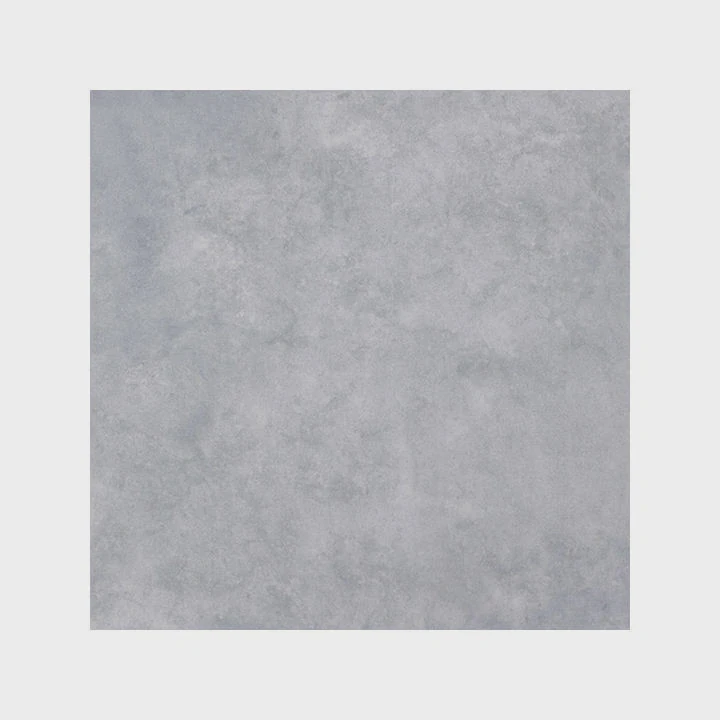
Some glossy tiles become slippery when wet. Poor finish selection may increase accident risks inside shower spaces, especially for children and elderly users.
Safer shower tile finishes include matte surfaces, textured finishes, anti-slip coatings, mosaic patterns, and slip-resistant ceramic textures designed for wet environments.
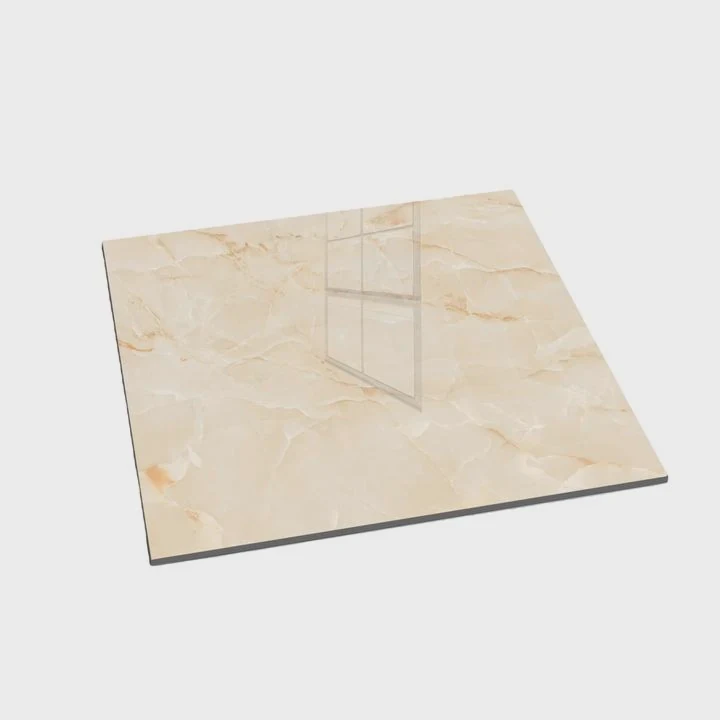
Safety is extremely important in shower design. Wet bathroom surfaces naturally increase slipping risks. Tile finish selection helps improve traction and reduce accidents.
Matte Finishes Improve Grip
Matte ceramic tiles provide more surface friction than highly polished finishes.
This helps improve footing in wet areas.
Many residential bathrooms now prefer matte wall and floor combinations because they create both modern appearance and practical safety benefits.
Textured Tiles Add Slip Resistance
Textured ceramic surfaces create tiny grip points that help reduce slipping.
Popular textured finishes include:
- Stone-look texture
- Sandblasted texture
- Soft grip matte finish
- Structured geometric patterns
These finishes work especially well in walk-in showers.
Mosaic Tiles Improve Foot Stability
Mosaic tiles create many grout lines, which increase traction underfoot.
This makes mosaics popular for:
| Area | Reason |
|---|---|
| Shower floors | Better grip |
| Spa areas | Improved drainage |
| Pool surrounds | Slip reduction |
| Wet room zones | Safer walking surface |
Although this article focuses on shower walls, matching floor finishes also contribute to overall bathroom safety.
Glossy Tiles Work Better on Walls
Glossy ceramic finishes remain popular for vertical shower walls because they:
- Reflect light well
- Look brighter
- Clean easily
- Resist staining
However, glossy finishes are usually less suitable for shower floors where slipping risk is higher.
Anti-Slip Ratings Help Product Selection
Many ceramic tiles now include slip-resistance ratings.
Commercial projects often review these ratings carefully before selecting products for hotels, gyms, or public bathrooms.
Higher slip resistance generally improves safety but may slightly increase cleaning difficulty due to stronger surface texture.
Rounded Tile Edges Improve Comfort
Some ceramic tile collections feature softened or rounded edges.
These edges may reduce injury risks in tight bathroom spaces and create a smoother overall design appearance.
Good Lighting Also Supports Safety
Bathroom lighting affects how safely people move in wet areas.
Poor lighting may hide water puddles or uneven surfaces.
Many modern shower designs combine:
- Bright overhead lighting
- Reflective wall tiles
- Light-colored ceramic surfaces
This creates safer visibility during daily use.
Balanced Design Creates Better Bathrooms
Safety and appearance should work together in shower design.
The best shower installations combine:
- Durable ceramic materials
- Proper waterproofing
- Slip-resistant finishes
- Easy maintenance
- Attractive design
This balanced approach creates bathrooms that remain safe, functional, and visually appealing for many years.
Conclusion
Ceramic tile is an excellent option for shower walls because it offers moisture resistance, design flexibility, easy maintenance, and long-term durability. With proper sealing, safe finishes, and professional installation, ceramic shower walls can provide both reliable performance and attractive bathroom design for many years.