Can I Put Peel And Stick Over Tile?
- Sinotiles
- 2026-05-21
Many old tile surfaces look outdated, but full renovation costs are often too high. People want a faster and cheaper way to improve kitchens, bathrooms, and walls without major demolition work.
Yes, peel and stick products can often be installed over existing tile if the surface is smooth, clean, dry, and stable. Proper preparation is critical because uneven grout lines, moisture, dirt, and damaged tiles can weaken adhesion and reduce long-term performance.
Peel and stick materials have become popular because they save time and reduce labor costs. Many homeowners and commercial property managers use them for quick updates. Still, successful installation depends heavily on the condition of the original tile surface. A poor base can cause lifting, bubbles, or early failure even when the peel and stick material itself is high quality.
What Conditions Allow Peel And Stick Over Tiles?
Some tile surfaces work very well with peel and stick products. Others create major adhesion problems almost immediately after installation.
Peel and stick materials work best over tiles that are flat, smooth, dry, firmly attached, and free from heavy texture or deep grout joints. Stable surfaces allow stronger bonding and better long-term appearance.
Before installation, the existing tile surface must be evaluated carefully. Many failures happen because people focus only on appearance while ignoring surface condition.
Smooth Tile Surfaces Perform Better
Flat ceramic or porcelain tiles usually provide the best results. Smooth surfaces allow the adhesive backing to maintain full contact.
Problems often appear when tiles have:
- Deep grout joints
- Rough textures
- Uneven edges
- Raised patterns
- Cracks or loose sections
The more uneven the surface becomes, the harder it is for peel and stick products to maintain proper adhesion.
Tile Stability Is Very Important
Loose or hollow tiles should never be covered directly. Movement underneath weakens the adhesive layer over time.
A stable base is essential because peel and stick materials depend entirely on surface contact for bonding strength.
Moisture Conditions Matter
Bathrooms, kitchens, and laundry rooms often contain high humidity levels. Excess moisture can weaken adhesives slowly over time.
This becomes more serious in areas exposed to:
- Steam
- Standing water
- Frequent cleaning chemicals
- Temperature changes
Some premium peel and stick products resist moisture better than standard residential-grade materials.
Glossy Tiles May Need Extra Preparation
Very glossy tile surfaces sometimes reduce adhesive grip because the surface becomes too smooth.
In some projects, installers lightly sand glossy tiles to improve bonding strength. Surface primers may also help increase adhesion.
Existing Grout Lines Affect Appearance
Even when the adhesive bonds correctly, deep grout lines may still become visible through thin peel and stick materials.
This issue appears more often with:
| Surface Condition | Possible Result |
|---|---|
| Deep grout joints | Visible lines |
| Uneven tile surface | Air bubbles |
| Loose tiles | Adhesive failure |
| Wet environment | Edge lifting |
Many installers apply skim coating or leveling compound before installation to reduce grout visibility.
Commercial Projects Require More Evaluation
In commercial settings such as retail stores, rental apartments, or offices, traffic levels become another important factor.
Heavy rolling loads, constant foot traffic, and aggressive cleaning routines may reduce product lifespan.
Successful peel and stick installation always begins with proper surface evaluation. A smooth and stable tile base greatly improves final performance.
How Can Surface Preparation Improve Adhesion?
Many adhesive problems do not come from the product itself. Most failures start because the surface was not prepared correctly before installation.
Proper surface preparation improves peel and stick adhesion by removing contaminants, leveling uneven areas, reducing moisture issues, and creating stronger contact between the adhesive backing and tile surface.
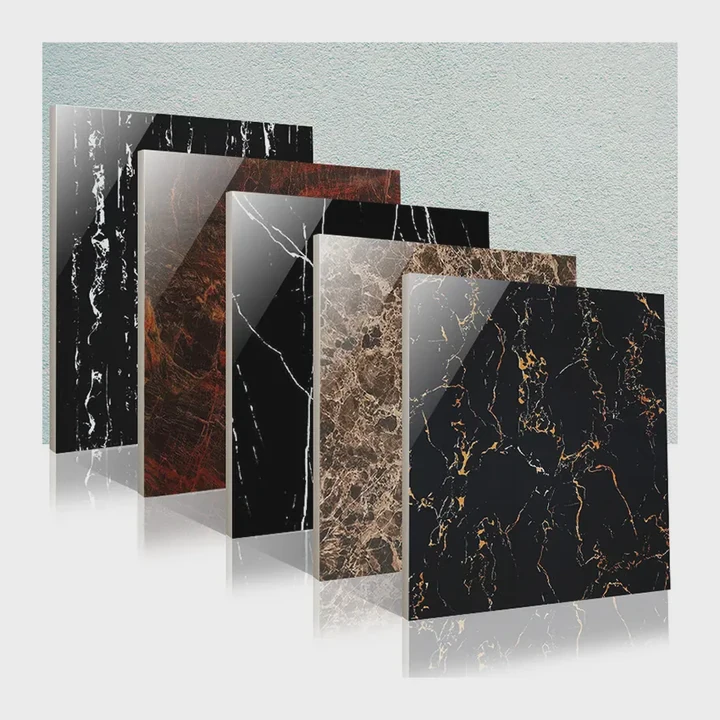
Preparation is often the difference between a peel and stick installation that lasts several years and one that starts peeling within weeks.
Cleaning Is Only The First Step
Many people think basic cleaning is enough. In reality, preparation often includes several stages.
A professional preparation process may involve:
- Degreasing
- Removing soap residue
- Repairing loose tiles
- Filling grout joints
- Sanding glossy surfaces
- Drying the area completely
Skipping even one step can weaken adhesive strength.
Grout Lines Need Attention
Deep grout joints create one of the biggest challenges.
When peel and stick material bridges over low grout lines, air gaps may form underneath. Over time, pressure and temperature changes can make those weak areas visible.
Many installers use patching compound to create a smoother base before installation.
Dust And Grease Reduce Bonding
Kitchen walls often contain invisible grease layers from cooking oils. Bathroom walls may hold soap film or cleaning chemical residue.
Even when the surface looks clean, contaminants may still remain.
This reduces direct adhesive contact.
Sanding Improves Grip On Glossy Tile
High-gloss ceramic and porcelain tiles sometimes resist adhesive bonding because the surface becomes too slick.
Light sanding creates microscopic texture that improves grip.
Installers usually avoid aggressive sanding because deep scratches may show through thin materials later.
Dry Surfaces Bond Better
Moisture trapped beneath peel and stick products can cause bubbling or lifting later.
Professional installers often wait until the surface becomes fully dry before application.
This is especially important in:
- Bathrooms
- Laundry rooms
- Basement walls
- Kitchen backsplashes
Temperature Also Affects Adhesion
Adhesive materials usually perform best within recommended temperature ranges.
Cold surfaces can reduce bonding strength during installation.
Here is a simple preparation overview:
| Preparation Step | Purpose |
|---|---|
| Degreasing | Removes oils |
| Sanding | Improves grip |
| Filling grout lines | Creates flat surface |
| Drying | Prevents moisture issues |
| Repairing loose tiles | Improves stability |
Better Preparation Creates Longer Lifespan
Many peel and stick products are designed for convenience, but convenience should not replace proper preparation.
Careful surface preparation improves:
- Adhesion strength
- Appearance quality
- Moisture resistance
- Edge stability
- Long-term durability
A few extra preparation hours often prevent major repair work later.
Why Ensure Tiles Are Clean Before Installation?
A peel and stick product depends entirely on adhesive contact. Dirt, grease, and moisture create invisible barriers that weaken bonding immediately.
Clean tiles improve peel and stick installation by allowing direct adhesive contact with the surface, reducing lifting risks, preventing bubbles, and supporting stronger long-term bonding performance.
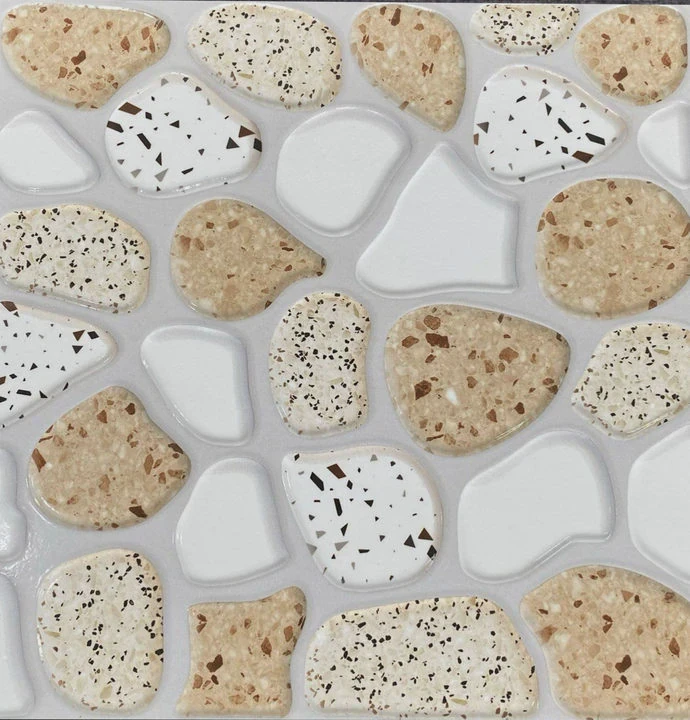
Surface cleanliness affects almost every adhesive product in the construction industry. Peel and stick materials are especially sensitive because they use pressure-sensitive adhesives.
Invisible Contamination Causes Problems
Many tile surfaces appear clean but still contain hidden contaminants.
Common examples include:
- Cooking grease
- Soap residue
- Dust particles
- Wax coatings
- Cleaning chemical film
- Moisture buildup
Even thin contamination layers reduce adhesive strength.
Kitchen Tiles Often Need Deep Cleaning
Kitchen backsplashes and walls collect airborne grease from cooking over time.
This grease may not feel obvious by touch, but it creates a slippery barrier between the tile and adhesive.
Professional installers often use degreasers instead of regular household cleaners.
Bathroom Moisture Creates Additional Challenges
Bathrooms contain moisture, soap film, and mildew residue.
If moisture remains trapped during installation, the adhesive bond may weaken gradually.
This can lead to:
- Curling edges
- Bubble formation
- Mold growth behind the material
- Early adhesive failure
Some Cleaning Products Leave Residue
Ironically, some cleaning agents leave behind chemical residue that also affects adhesion.
Strong polishing products or wax-based cleaners may create a protective coating on the tile surface.
This coating reduces direct adhesive grip.
Drying Is Just As Important As Cleaning
After cleaning, the tile surface must dry fully.
Many installers wait several hours before application, especially in humid rooms.
Fans or ventilation systems may help speed drying.
Commercial Spaces Require More Care
Retail stores, restaurants, and rental properties often contain years of layered contamination.
Heavy foot traffic and frequent cleaning chemicals may leave residue buildup over time.
Commercial projects usually require more aggressive preparation methods.
Clean Surfaces Improve Final Appearance
Proper cleaning not only improves adhesion but also creates smoother visual results.
A clean surface helps prevent:
| Poor Cleaning Result | Possible Issue |
|---|---|
| Grease buildup | Weak adhesion |
| Dust particles | Air bubbles |
| Moisture residue | Edge lifting |
| Soap film | Uneven bonding |
Clean surfaces allow the adhesive backing to perform as designed.
Strong adhesion starts with direct surface contact. Without proper cleaning, even premium peel and stick materials may fail much earlier than expected.
Which Limitations Affect Peel And Stick Performance?
Peel and stick products offer convenience, but they also have limitations. Not every environment or surface supports long-term performance equally well.
Peel and stick performance can be limited by moisture exposure, temperature changes, heavy traffic, textured surfaces, weak adhesives, and poor substrate conditions that reduce long-term bonding stability.
Understanding limitations helps buyers choose realistic applications for peel and stick materials.
Moisture Is One Of The Biggest Risks
Constant water exposure weakens many adhesive systems over time.
This issue becomes more serious in:
- Shower interiors
- Steam rooms
- Outdoor walls
- Pool areas
Even water-resistant products may eventually struggle under continuous moisture exposure.
Heat Can Affect Adhesives
High temperatures may soften some adhesive layers.
Kitchen areas near:
- Ovens
- Stovetops
- Dishwashers
- Direct sunlight
often create additional stress on peel and stick materials.
Temperature expansion and contraction can also affect edge stability.
Heavy Traffic Reduces Lifespan
Floor applications experience more pressure than wall installations.
Rolling carts, furniture movement, and constant foot traffic may cause:
- Corner lifting
- Surface wear
- Adhesive fatigue
- Seam separation
Commercial floors often require stronger permanent flooring systems instead.
Textured Tiles Create Weak Bonding
Rough or decorative tiles reduce direct adhesive contact.
Peel and stick materials perform best on smooth surfaces. Deep texture creates air gaps that weaken long-term stability.
Product Quality Varies Significantly
Not all peel and stick products perform equally.
Lower-cost materials may use weaker adhesives or thinner wear layers.
Premium commercial-grade products usually offer:
- Better moisture resistance
- Stronger adhesives
- Thicker protective layers
- Improved dimensional stability
Temporary Solutions Have Practical Limits
Many property owners use peel and stick materials as temporary renovation solutions.
They work well for:
- Rental property upgrades
- Quick remodels
- Budget renovations
- Decorative refresh projects
Still, they may not replace traditional tile in demanding long-term environments.
Surface Movement Can Cause Failure
Buildings naturally expand and shift slightly over time.
If the original tile substrate moves or cracks, peel and stick products installed above may also fail.
Expectations Should Match Application
Peel and stick materials can deliver attractive results when installed properly on suitable surfaces.
Still, buyers should understand both strengths and limitations before installation.
A realistic approach helps avoid disappointment and improves overall project success.
Conclusion
Peel and stick products can work successfully over tile when the surface is smooth, clean, dry, and stable. Proper preparation improves adhesion and appearance, while understanding environmental limitations helps create longer-lasting and more reliable installation results.