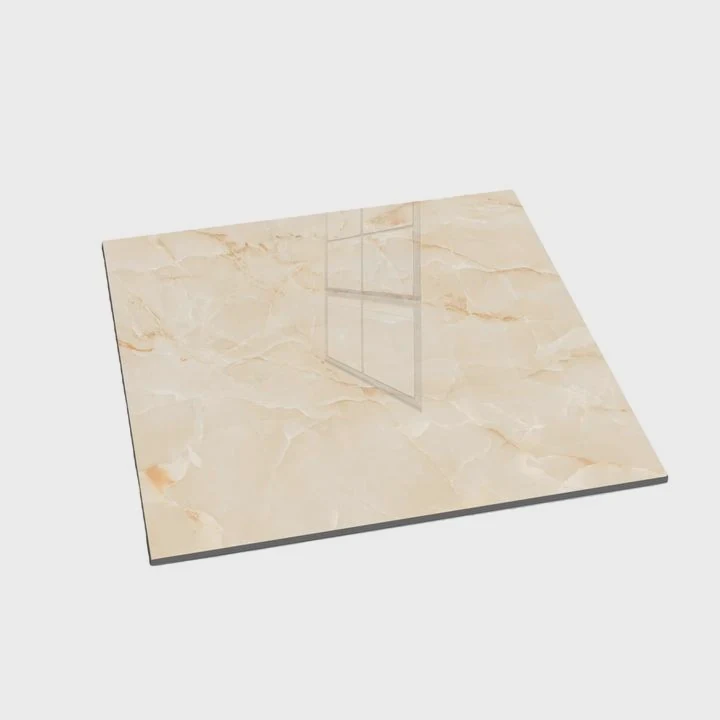
Is Porcelain Tile Heat Resistant?
- Sinotiles
- 2026-08-22

Heat can damage many building materials over time. Many homeowners and designers want to know if porcelain tile can handle high temperatures safely.
Porcelain tile is highly heat resistant because it is fired at extremely high temperatures during production. It can handle heat from kitchens, fireplaces, outdoor spaces, and other demanding environments.
Porcelain tile has become a popular choice for residential and commercial projects because of its strength and stable performance. The manufacturing process creates a dense tile structure with very low water absorption. This structure helps porcelain tile resist heat, moisture, and daily wear.
However, heat resistance does not mean every porcelain tile can be used in every extreme environment. The tile type, installation method, thickness, and surrounding materials all affect performance. Understanding these factors helps buyers choose the right product for their projects.
What temperature levels can porcelain withstand?
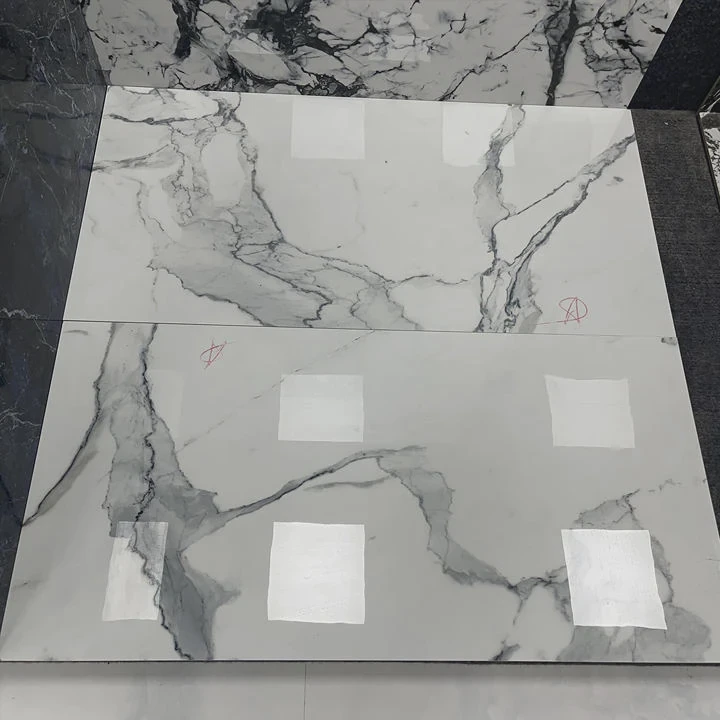
Porcelain tile can withstand very high temperatures because it is fired at temperatures usually above 1,200°C during manufacturing. This process creates a dense and strong ceramic surface.
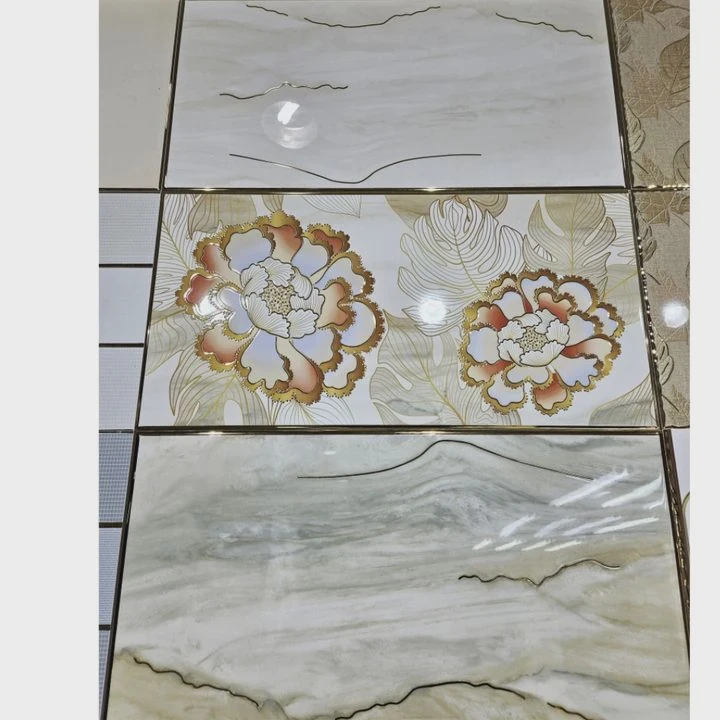
The heat resistance of porcelain tile starts during the production process. Manufacturers use selected raw materials and fire the tiles at extremely high temperatures. This high-temperature treatment changes the internal structure of the tile and creates a harder surface.
Because of this process, porcelain tile can handle normal household heat exposure without problems. Hot cookware, sunlight, heated floors, and temperature changes usually do not damage quality porcelain tiles.
Typical heat resistance performance
| Application | Heat condition | Porcelain tile performance |
|---|---|---|
| Kitchen flooring | Daily cooking heat | Excellent |
| Fireplace area | Higher local heat | Suitable with correct installation |
| Outdoor areas | Sun and temperature changes | Excellent |
| Heated flooring systems | Controlled heat | Suitable |
Porcelain tile does not easily burn, melt, or release harmful gases under normal conditions. This makes it different from many materials such as wood, vinyl, or some types of plastic flooring.
The dense structure of porcelain also helps reduce expansion problems. Temperature changes can cause some materials to expand and contract. High-quality porcelain tile has strong dimensional stability, which helps maintain its shape.
Factors that affect porcelain heat performance
Although porcelain tile is naturally heat resistant, several factors influence the final result:
- Tile thickness
- Installation quality
- Adhesive selection
- Surface temperature
- Environmental conditions
A professional installation is important in high-temperature areas. The tile itself may resist heat well, but poor installation can create cracks or movement problems.
Can porcelain handle sudden temperature changes?
Porcelain tile performs well under many temperature changes because it has a dense structure and low moisture content. Low water absorption reduces the risk of damage caused by freezing and heating cycles.
This feature makes porcelain suitable for outdoor applications where surfaces experience sunlight during the day and cooler temperatures at night.
However, extreme thermal shock situations should still be considered carefully. Very rapid temperature changes combined with installation problems may create stress on any material.
How does porcelain compare to ceramic heat resistance?
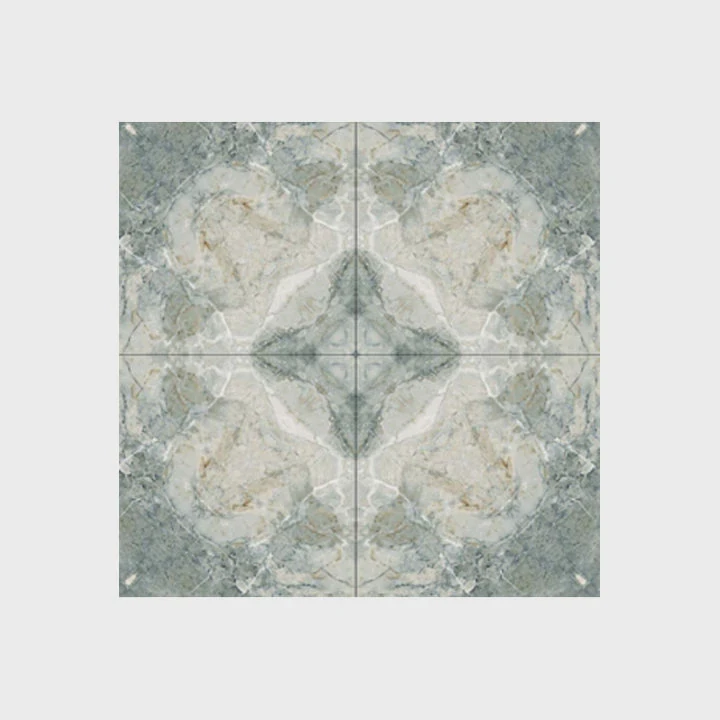
Porcelain and ceramic tiles are both made from clay materials, but porcelain usually provides better heat resistance because it is denser and fired at higher temperatures.
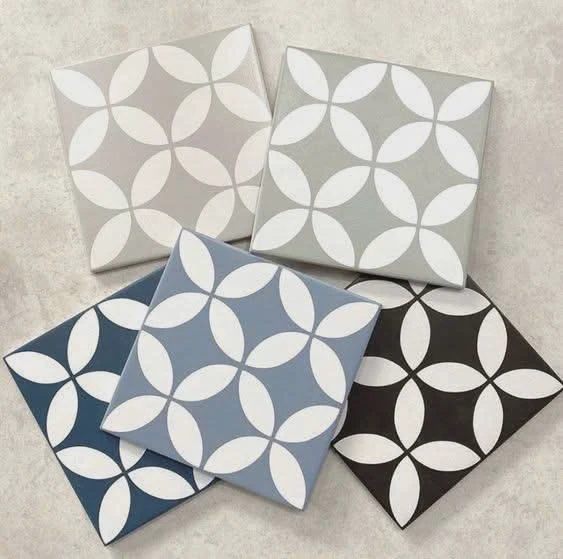
Many people compare porcelain and ceramic tiles because they look similar. Both materials are popular flooring and wall solutions. However, their internal structures are different.
Porcelain tile uses refined clay and other minerals. Manufacturers fire porcelain at higher temperatures, which creates a harder and less porous material. Ceramic tile is also durable, but it usually has a higher absorption rate and a softer structure.
This difference affects performance in high-heat environments.
Porcelain vs ceramic heat resistance comparison
| Feature | Porcelain tile | Ceramic tile |
|---|---|---|
| Firing temperature | Higher | Lower |
| Density | Very high | Medium to high |
| Water absorption | Very low | Higher |
| Heat resistance | Excellent | Good |
| Outdoor suitability | Strong | Depends on product |
Porcelain is often selected for areas where temperature changes are common. Outdoor patios, commercial kitchens, and fireplace surroundings usually require materials with stronger performance.
Ceramic tile can still work well in many indoor areas. Bathroom walls, living rooms, and decorative spaces often use ceramic products successfully. The choice depends on the project requirements.
Why porcelain has stronger heat performance
The main reason is density. The manufacturing process removes more moisture and creates a tighter tile structure. This structure gives porcelain better resistance against heat, pressure, and environmental changes.
Another advantage is low porosity. When materials absorb water, temperature changes can create stress inside the material. Porcelain reduces this risk because it absorbs very little moisture.
Choosing between porcelain and ceramic
The decision should depend on the application.
| Project condition | Recommended choice |
|---|---|
| Indoor decorative wall | Ceramic or porcelain |
| Kitchen floor | Porcelain preferred |
| Outdoor terrace | Porcelain preferred |
| High-traffic commercial space | Porcelain preferred |
When buyers choose tiles for demanding environments, porcelain usually provides a safer long-term solution. It offers better durability while maintaining attractive designs.
Why is porcelain suitable for high-heat areas?
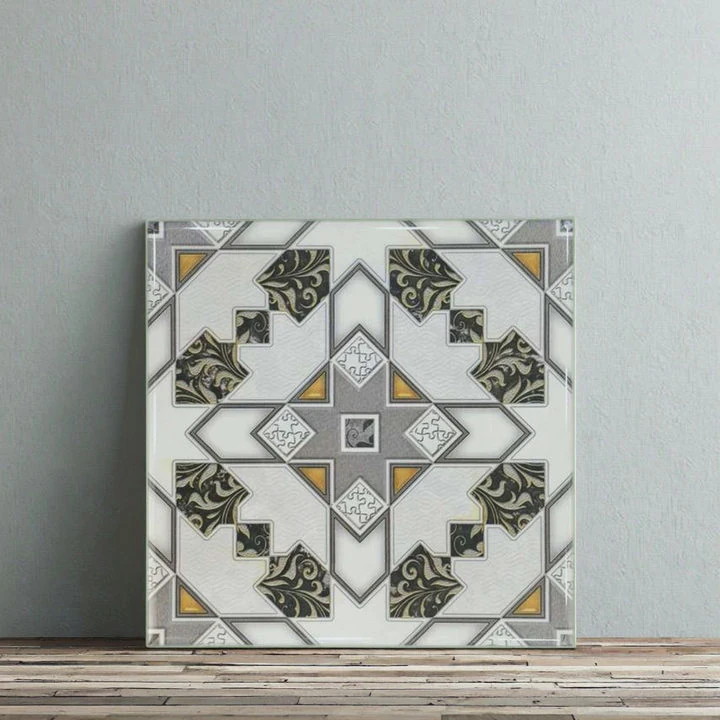
Porcelain tile is suitable for high-heat areas because it combines strong thermal resistance, low water absorption, and high durability.
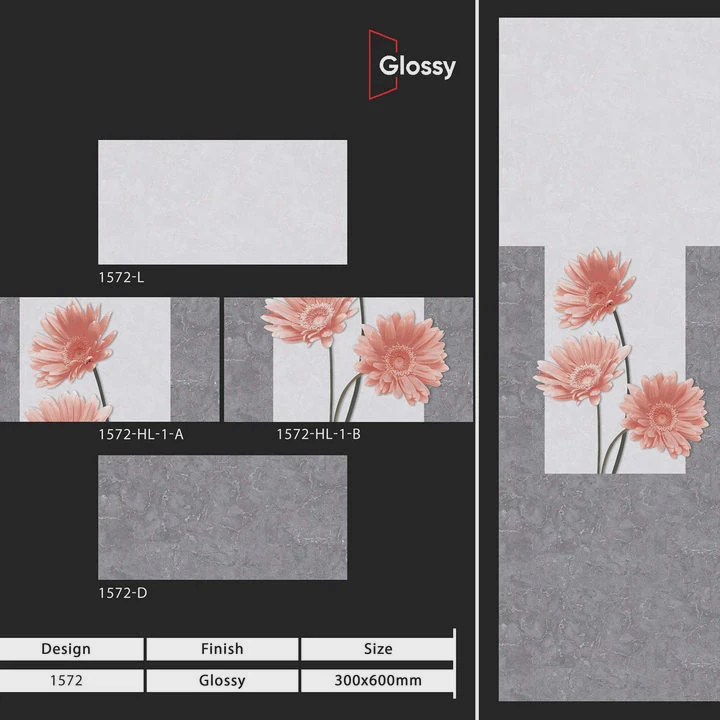
High-heat areas require materials that can handle repeated temperature exposure. Kitchens, outdoor spaces, and fireplace zones often experience heat changes every day. Porcelain tile performs well in these conditions because of its strong physical properties.
The surface of porcelain tile is hard and resistant to many types of damage. It does not easily scratch, stain, or change color when exposed to normal heat conditions.
Advantages of porcelain in hot environments
Porcelain tile provides several benefits:
- Strong resistance to heat
- Low moisture absorption
- Easy cleaning
- Long service life
- Stable appearance
In kitchens, porcelain tile works well around cooking areas because it can handle heat from appliances and hot objects. Many homeowners choose porcelain countertops, backsplashes, and floors because the material provides both function and style.
Outdoor heat performance
Outdoor spaces create special challenges. Tiles may experience:
- Direct sunlight
- Rain
- Temperature changes
- Seasonal weather conditions
Porcelain tile is suitable for outdoor areas because it has strong resistance to these changes. Its low absorption rate helps reduce problems caused by moisture and temperature cycles.
Porcelain tile and fire areas
Many designers use porcelain tile around fireplaces because it provides a clean appearance and strong heat performance. However, the installation design must consider the exact heat source.
The tile should not directly replace materials that are specifically required for fire protection. Instead, porcelain works as a durable surface material when combined with correct construction methods.
Design flexibility in high-temperature spaces
One reason porcelain tile is popular is that it combines performance with appearance. Manufacturers can create many designs, including:
- Natural stone patterns
- Wood textures
- Concrete styles
- Marble effects
This allows architects and designers to create attractive spaces without sacrificing durability.
Which applications benefit from heat-resistant tiles?
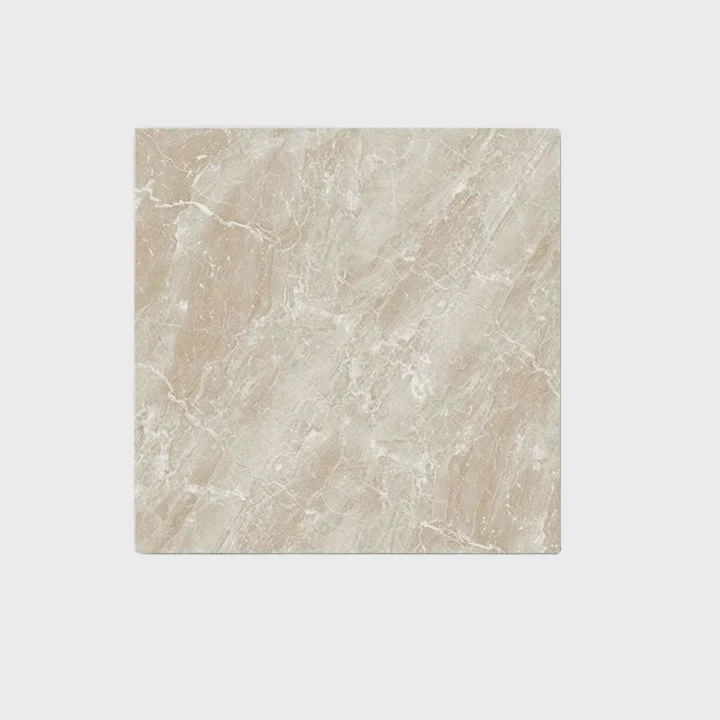
Heat-resistant porcelain tiles benefit many applications, including kitchens, outdoor areas, commercial buildings, and industrial spaces where durability matters.
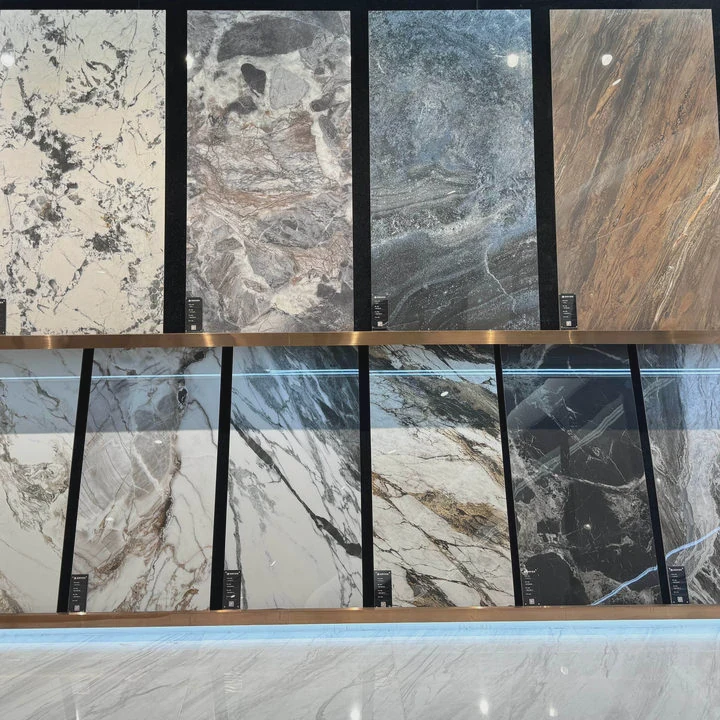
Porcelain tile is widely used because it meets the needs of many different environments. Its heat resistance makes it valuable in areas where ordinary materials may not perform well.
Common applications for heat-resistant porcelain tile
| Application | Why porcelain works well |
|---|---|
| Residential kitchens | Handles heat and daily cleaning |
| Outdoor patios | Resists sunlight and weather |
| Restaurants | Supports heavy use and heat exposure |
| Hotels | Provides durability and design options |
| Commercial buildings | Handles high traffic |
Kitchens are one of the most common applications. Floors, walls, and countertops often face heat, spills, and frequent cleaning. Porcelain provides a practical surface that maintains appearance over time.
Restaurants and hotels also benefit from porcelain tile. These spaces need materials that can handle daily pressure while keeping a professional appearance.
Large format porcelain applications
Large porcelain slabs have become increasingly popular in modern architecture. These products create seamless visual effects and provide strong performance for walls, floors, and countertops.
Large format porcelain is especially useful for:
- Luxury kitchens
- Hotel interiors
- Shopping centers
- Office buildings
The combination of heat resistance and design flexibility makes porcelain a valuable material for modern construction.
Why professionals choose porcelain
Architects, builders, and designers often select porcelain because it provides a balance between beauty and performance.
A good tile material should not only look attractive. It should also handle real-world conditions. Porcelain provides strength, easy maintenance, and reliable heat performance.
When selecting tiles for a project, I always suggest looking at the complete environment. Heat resistance is important, but other factors such as installation, design, cleaning needs, and expected use should also be considered.
Conclusion
Porcelain tile is highly heat resistant and suitable for many demanding environments. Its strong structure, low absorption, and durability make it a reliable choice for kitchens, outdoor spaces, and commercial projects.