What Cleans Tile Grout Best?
- Sinotiles
- 2026-04-08

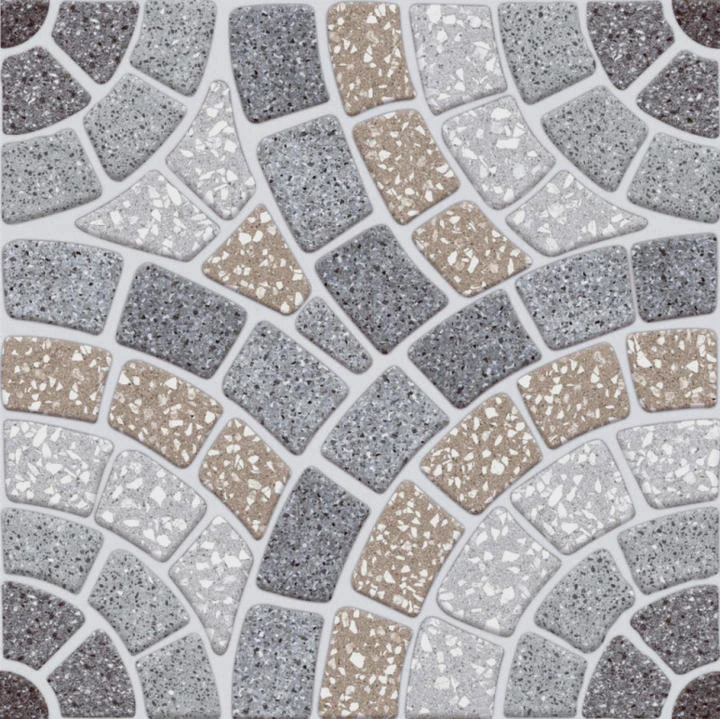
Dirty grout ruins the look of any tile. Even new tiles can appear old when grout lines turn dark and stained.
The best way to clean tile grout is by using effective cleaners like alkaline solutions, oxygen bleach, or specialized grout cleaners, combined with proper scrubbing tools.
Many people try random methods and see poor results. The key is using the right cleaner for the right type of stain.
Which cleaners are most effective for grout?
Grout absorbs dirt easily. Regular cleaners often fail to remove deep stains.
The most effective grout cleaners include alkaline cleaners for grease, oxygen bleach for stains, and professional grout cleaners for heavy buildup.

Different stains require different solutions. Using the wrong cleaner wastes time and effort.
Types of grout cleaners
| Cleaner Type | Best For | Strength Level |
|---|---|---|
| Alkaline Cleaner | Grease, kitchen grime | Medium |
| Oxygen Bleach | Organic stains, mildew | High |
| Acidic Cleaner | Mineral deposits, hard water | High |
| Neutral Cleaner | Daily maintenance | Low |
How each cleaner works
Alkaline cleaners
These break down grease and oils. They are ideal for kitchen floors and backsplashes.
Oxygen bleach
This releases oxygen bubbles that lift stains from grout. It works well for bathroom mold and organic dirt.
Acidic cleaners
These dissolve mineral deposits. They are useful in areas with hard water buildup. However, they must be used carefully to avoid damaging grout.
Choosing the right cleaner
The correct choice depends on the problem:
- Greasy grout → alkaline cleaner
- Dark organic stains → oxygen bleach
- White crust or residue → acidic cleaner
Important precautions
- Always test on a small area
- Avoid mixing different chemicals
- Follow manufacturer instructions
Practical insight
In many projects, professionals combine cleaning methods. They start with alkaline cleaners, then use oxygen bleach for deeper stains.
This layered approach improves results without damaging grout.
How do you remove deep stains from grout lines?
Surface cleaning often fails on deep stains. Dirt penetrates into grout pores.
To remove deep stains from grout lines, use a strong cleaner like oxygen bleach, allow it to dwell, scrub thoroughly, and repeat if necessary.
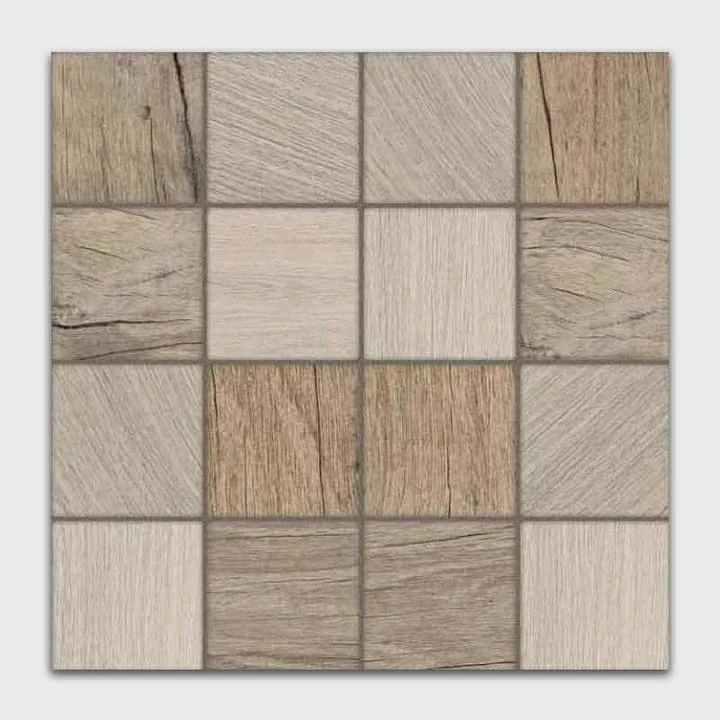
Deep cleaning requires patience. Quick cleaning methods rarely work.
Step-by-step deep cleaning process
1. Pre-clean the surface
Remove loose dirt and debris. This allows the cleaner to reach deep stains.
2. Apply the cleaning solution
Spread the cleaner evenly across grout lines. Ensure full coverage.
3. Let it sit (dwell time)
Allow 5-15 minutes. This helps break down embedded dirt.
4. Scrub thoroughly
Use a stiff brush to agitate the grout.
5. Rinse and repeat
Rinse with clean water. Repeat if stains remain.
Why dwell time matters
| Step | Effect |
|---|---|
| Immediate scrub | Limited cleaning |
| 5-10 minutes | Moderate stain removal |
| 10-15 minutes | Deep stain breakdown |
Common mistakes
- Rushing the process
- Using weak cleaners
- Skipping repeat cleaning
Advanced techniques
For very stubborn stains:
- Use steam cleaning
- Apply grout-specific stain removers
- Consider grout recoloring
Real-world experience
In commercial cleaning, teams often repeat the process multiple times. One pass is rarely enough for heavily stained grout.
Consistency is key. Gradual cleaning produces better results than aggressive single attempts.
Are natural solutions effective for grout cleaning?
Many people prefer natural cleaning methods. They want safer and eco-friendly options.
Natural solutions like baking soda and vinegar can clean light grout stains, but they are less effective for deep or heavy buildup.

Natural methods are popular, but they have limits.
Common natural cleaners
| Natural Solution | Effectiveness | Best Use Case |
|---|---|---|
| Baking Soda Paste | Moderate | Light stains |
| Vinegar | Moderate | Mineral deposits |
| Lemon Juice | Low | Mild cleaning |
| Hydrogen Peroxide | Medium | Organic stains |
How natural cleaning works
Baking soda
Acts as a mild abrasive. It helps scrub away surface dirt.
Vinegar
Breaks down mineral deposits. However, it can weaken grout if overused.
Hydrogen peroxide
Releases oxygen, similar to oxygen bleach but weaker.
Pros and cons
Advantages
- Safe for daily use
- Low cost
- Easy to find
Limitations
- Slower results
- Less effective on deep stains
- May require repeated application
Best use strategy
Natural solutions work best for:
- Regular maintenance
- Light cleaning
- Preventing buildup
Practical insight
In many cases, natural cleaning is used as a first step. If stains remain, stronger cleaners are applied.
This balanced approach reduces chemical use while maintaining effectiveness.
Which tools work best for grout scrubbing?
Using the wrong tool reduces cleaning efficiency. It can also damage grout.
The best tools for grout scrubbing include stiff-bristle brushes, electric scrubbers, and steam cleaners, depending on the level of dirt and project size.
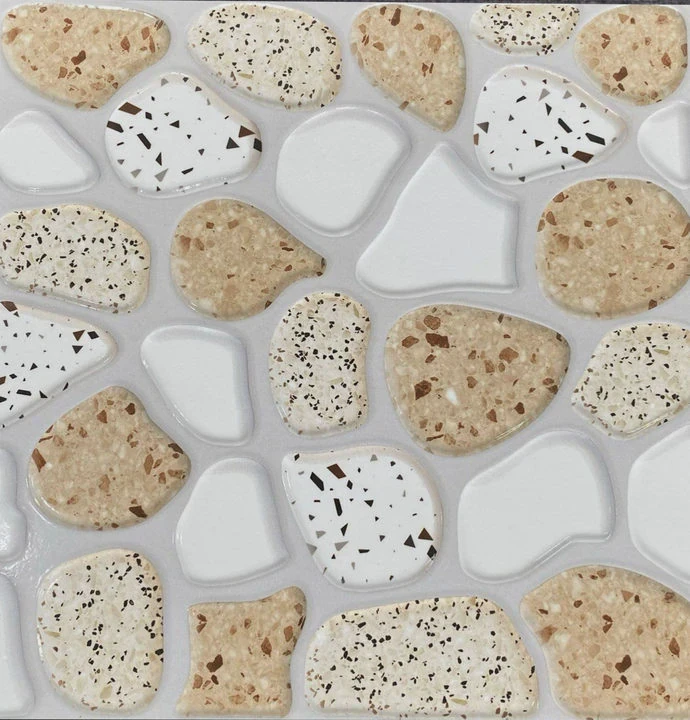
Tools play a critical role in cleaning performance. Even the best cleaner fails without proper scrubbing.
Common grout cleaning tools
| Tool Type | Effectiveness | Best For |
|---|---|---|
| Manual Brush | Medium | Small areas |
| Electric Scrubber | High | Medium to large areas |
| Steam Cleaner | Very High | Deep cleaning |
| Toothbrush | Low | Detail work |
Choosing the right tool
Manual brushes
These are simple and affordable. They provide good control but require effort.
Electric scrubbers
These save time and reduce physical strain. They are ideal for larger spaces.
Steam cleaners
These use heat and pressure to remove deep dirt. They also sanitize surfaces.
Key features to look for
- Stiff but not damaging bristles
- Comfortable grip
- Durable construction
Common mistakes
- Using metal brushes (too harsh)
- Applying too much pressure
- Using worn-out brushes
Efficiency tips
- Work in sections
- Combine tools with proper cleaners
- Clean tools regularly
Real-world application
In large projects, teams often combine tools. They use electric scrubbers for main areas and manual brushes for corners.
This combination improves speed and ensures detailed cleaning.
Conclusion
Cleaning grout effectively requires the right cleaner, proper technique, and suitable tools. Strong cleaners handle deep stains, while natural solutions work for maintenance. Consistent cleaning and the correct approach keep grout looking clean and long-lasting.