How to install bathroom wall tile?
- Sinotiles
- 2026-04-08
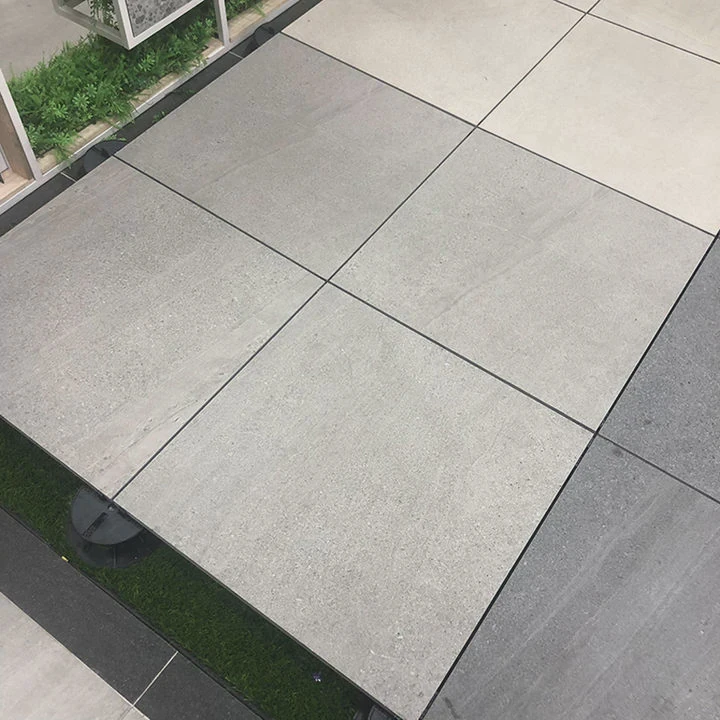
Installing bathroom wall tiles can feel overwhelming. Many people worry about uneven tiles, weak bonding, or water damage. Mistakes here can be costly and hard to fix later.
Bathroom wall tile installation requires proper surface preparation, accurate leveling, the right adhesive, and correct timing for grouting to ensure durability and a clean finish.
The process is not difficult once each step is clear. With the right method, even large wall areas can be installed with confidence and consistent results.
What preparation is required for bathroom walls?
Many tile failures start before installation even begins. Poor surface preparation leads to loose tiles, uneven layouts, and long-term water damage.
Proper preparation includes cleaning the wall, repairing damage, ensuring a flat surface, and applying waterproofing where needed to create a stable base for tile installation.
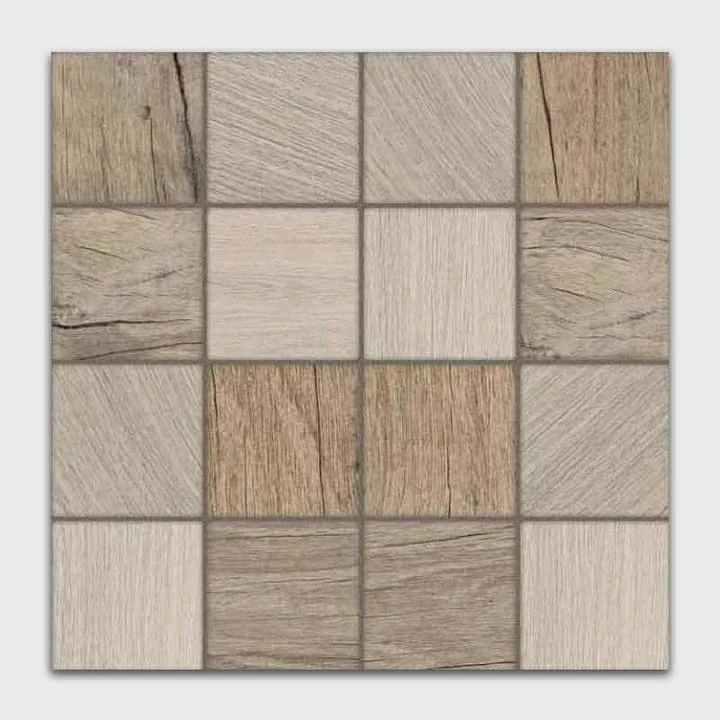
Preparation is the foundation of the entire project. Skipping this step almost always leads to problems later.
Clean and inspect the wall
Before anything else, the wall must be clean and solid.
Remove:
- Dust
- Grease
- Old adhesive
- Loose paint
Then inspect for:
- Cracks
- Moisture damage
- Weak drywall
A clean and stable surface ensures proper bonding.
Repair and level the surface
Walls are rarely perfect. Even small uneven areas can affect tile alignment.
Fix issues by:
- Filling holes with patching compound
- Sanding rough spots
- Using leveling compound if needed
Flatness is critical. Tiles follow the wall shape. If the wall is uneven, tiles will be uneven too.
Check moisture resistance
Bathrooms are wet environments. Water protection is essential.
Apply:
- Waterproof membrane
- Cement board if needed
Especially in shower areas, this step prevents long-term damage.
Plan tile layout
Do not start installing tiles randomly.
Plan:
- Starting point
- Tile alignment
- Edge cuts
Dry layout helps avoid small tile cuts at edges.
Mark guidelines
Use a level and pencil to draw:
- Horizontal lines
- Vertical reference lines
These guides keep tiles aligned during installation.
Preparation checklist
| Task | Why It Matters | Result |
|---|---|---|
| Clean wall | Improves adhesion | Strong bond |
| Repair damage | Prevents failure | Stable surface |
| Level wall | Ensures alignment | Straight tiles |
| Waterproofing | Stops moisture issues | Long durability |
Common preparation mistakes
Avoid:
- Installing on dirty walls
- Ignoring uneven surfaces
- Skipping waterproofing
These mistakes cause most installation failures.
How do you keep tiles level during installation?
Uneven tiles ruin the entire look. Even small misalignment becomes very visible once the wall is complete.
Tiles are kept level by using spacers, leveling systems, guide lines, and frequent checks with a spirit level throughout the installation process.
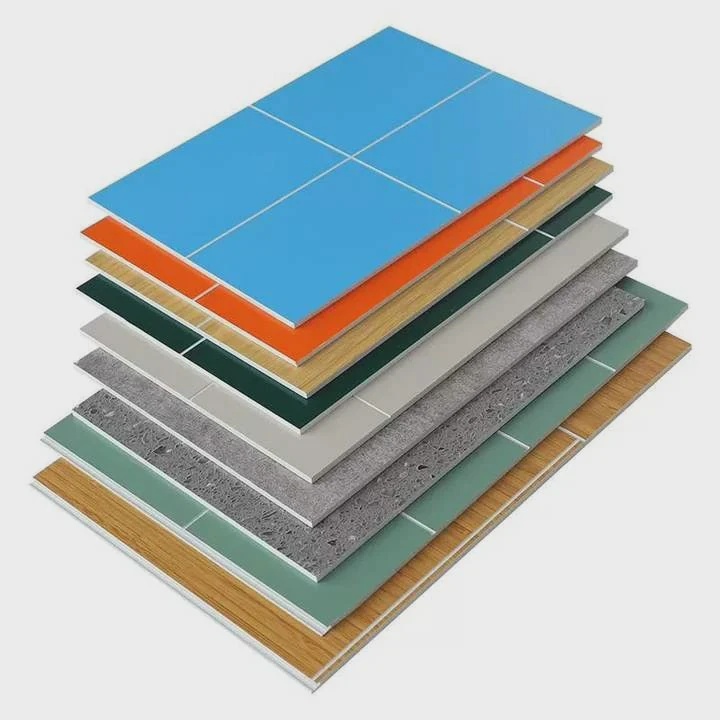
Leveling is not a one-time step. It must be checked continuously.
Start with a straight base line
The first row determines everything.
Instead of starting from the floor:
- Use a level to draw a straight line
- Install a support board if needed
This ensures the first row is perfectly straight.
Use tile spacers
Spacers create even gaps between tiles.
Benefits:
- Consistent spacing
- Better grout lines
- Improved appearance
Common sizes:
- 2mm
- 3mm
- 5mm
Choose based on tile design.
Use tile leveling systems
Modern leveling systems include:
- Clips
- Wedges
They help keep tiles flush with each other.
Advantages:
- Reduce lippage (uneven edges)
- Maintain flat surface
- Improve final finish
Check alignment constantly
Do not wait until the end.
After placing each tile:
- Check with a level
- Adjust immediately if needed
Small corrections early prevent big issues later.
Work in small sections
Avoid installing too many tiles at once.
Install:
- 3 to 5 tiles
- Then check alignment
This keeps control over the process.
Maintain consistent pressure
When pressing tiles:
- Apply even pressure
- Avoid pushing one side too hard
Uneven pressure causes tiles to tilt.
Leveling tools comparison
| Tool | Function | Advantage |
|---|---|---|
| Spirit level | Check straightness | High accuracy |
| Tile spacers | Control gaps | Easy to use |
| Leveling clips | Keep tiles even | Professional finish |
Common leveling mistakes
Avoid:
- Skipping guide lines
- Not checking each tile
- Rushing installation
Precision is more important than speed.
Which adhesives work best for wet areas?
Using the wrong adhesive is a major risk in bathrooms. Moisture can weaken bonding and cause tiles to fall.
Cement-based thin-set mortar and waterproof tile adhesives are best for wet areas because they provide strong bonding and resistance to moisture exposure.
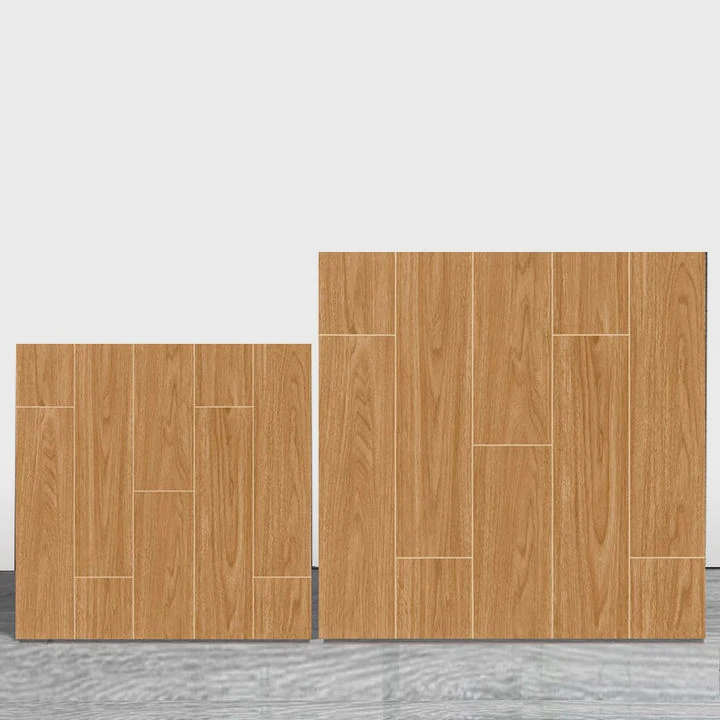
Adhesive choice directly affects durability.
Types of tile adhesives
Common options include:
- Cement-based thin-set mortar
- Pre-mixed adhesive
- Epoxy adhesive
Each has different properties.
Best choice for bathrooms
Cement-based thin-set mortar is the most reliable.
Reasons:
- Strong bonding strength
- Water resistance
- Suitable for most tile types
For high-moisture areas like showers, modified thin-set is recommended.
Adhesive comparison
| Adhesive Type | Water Resistance | Best Use |
|---|---|---|
| Thin-set mortar | High | Showers, wet walls |
| Pre-mixed adhesive | Medium | Dry or low-moisture areas |
| Epoxy adhesive | Very high | Heavy-duty or commercial use |
Proper adhesive application
Use a notched trowel to apply adhesive.
Steps:
- Spread adhesive evenly
- Hold trowel at 45-degree angle
- Create ridges for better grip
These ridges help tiles bond securely.
Work time matters
Adhesive has a limited open time.
Do not:
- Apply too much at once
- Let it dry before placing tiles
Work in small sections.
Back buttering for large tiles
For large format tiles:
- Apply adhesive on tile back as well
This improves coverage and bonding.
Avoid common adhesive mistakes
Do not:
- Use wall glue not designed for tiles
- Apply uneven layers
- Ignore drying time
These mistakes reduce strength.
When should grout be applied after tiling?
Grouting too early can ruin tile alignment. Grouting too late can delay the project unnecessarily.
Grout should be applied after the adhesive has fully cured, usually 24 to 48 hours after tile installation, depending on the adhesive type and conditions.
Timing is critical for a clean and durable finish.
Why waiting is important
Adhesive needs time to set.
If grout is applied too soon:
- Tiles may shift
- Bonding may weaken
Waiting ensures tiles are stable.
Standard waiting time
Typical guidelines:
- 24 hours for standard thin-set
- 48 hours for thicker layers or humid conditions
Always check product instructions.
Signs tiles are ready
Before grouting, check:
- Tiles do not move when pressed
- Adhesive feels firm
- Surface is dry
These signs confirm readiness.
Grouting process overview
Steps include:
- Mix grout properly
- Apply with rubber float
- Fill all gaps evenly
- Remove excess grout
- Clean surface with sponge
Work carefully to avoid uneven joints.
Grout type selection
Different grout types serve different needs:
| Grout Type | Best For | Feature |
|---|---|---|
| Sanded grout | Wide joints | Strong and durable |
| Unsanded grout | Narrow joints | Smooth finish |
| Epoxy grout | Wet areas | High water resistance |
Cleaning after grouting
After application:
- Wipe tiles with damp sponge
- Remove haze after drying
Proper cleaning improves appearance.
Final curing stage
Grout also needs time to cure.
Avoid:
- Water exposure
- Heavy cleaning
Wait at least 24-72 hours.
Common grouting mistakes
Avoid:
- Grouting too early
- Using too much water when cleaning
- Leaving excess grout on tiles
These errors affect both look and durability.
Conclusion
Installing bathroom wall tiles requires careful preparation, precise leveling, proper adhesive selection, and correct grouting timing. Each step builds on the previous one, ensuring a strong, water-resistant, and visually clean final result.