What Does Rectified Tile Mean?
- Sinotiles
- 2026-06-01
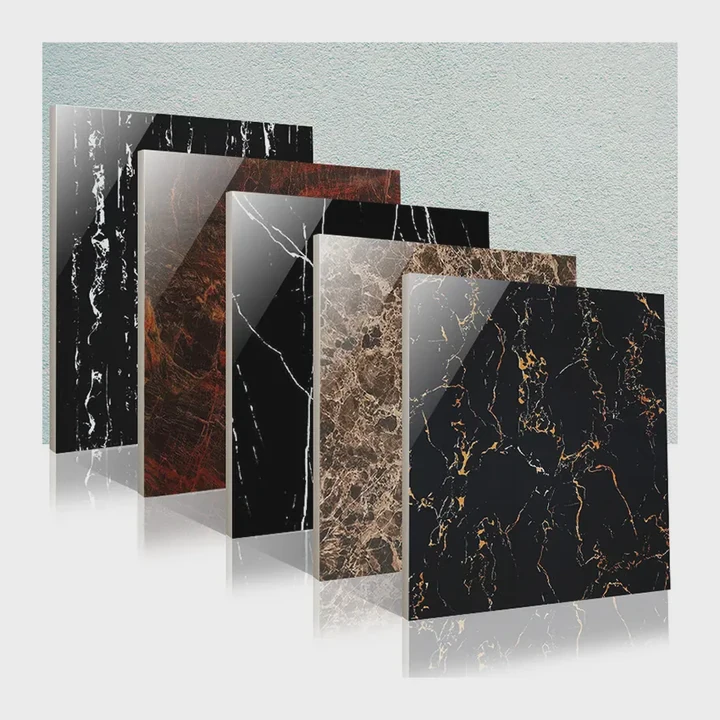
Many buyers see the term “rectified tile” on a product sheet but do not fully understand what it means. This confusion can lead to wrong product choices and installation problems.
A rectified tile is a tile that has been mechanically cut after firing to achieve precise and uniform dimensions. This process creates clean edges and allows tighter grout joints compared to standard tiles.
The term appears often in modern residential and commercial projects. Yet many importers, distributors, and contractors still ask whether rectified tiles are worth the extra cost. Understanding the production process, benefits, pricing, and installation advantages helps buyers make better decisions.
How Are Rectified Tiles Manufactured Differently?
A small difference in tile size can create major installation issues. Uneven grout joints and poor alignment often become visible once the project is complete.
Rectified tiles go through an additional cutting and grinding process after firing. This step creates highly accurate dimensions and straight edges that standard tiles usually do not have.
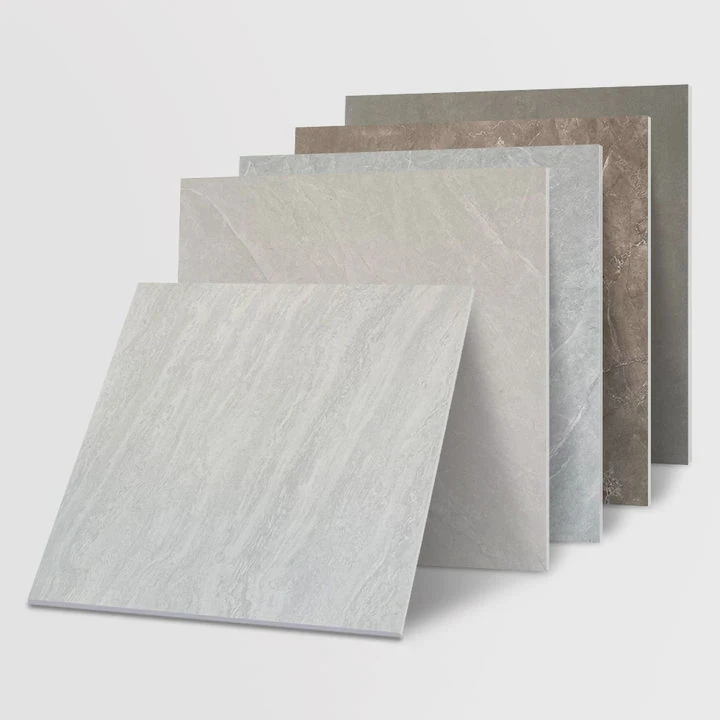
Most ceramic and porcelain tiles start with a similar production process. Raw materials are mixed, pressed, dried, glazed if needed, and fired at high temperatures. During firing, tiles naturally expand and shrink. Even with advanced production technology, slight size variations can occur.
Standard tiles leave the kiln and are sorted according to size tolerances. These tolerances are acceptable for many applications. However, rectified tiles go one step further.
The Additional Rectification Process
After firing, specialized diamond cutting machines trim all four sides of the tile. This process removes tiny dimensional differences and creates perfectly straight edges.
The result is a tile with:
| Feature | Standard Tile | Rectified Tile |
|---|---|---|
| Edge Shape | Slightly rounded | Sharp and straight |
| Size Accuracy | Small variations possible | Very precise |
| Grout Joint Width | Wider joints needed | Narrow joints possible |
| Visual Appearance | Traditional look | Modern look |
Why Tile Size Changes During Firing
Many buyers assume every tile exits the kiln at exactly the same size. In reality, high-temperature firing causes natural movement within the tile body.
Several factors influence final dimensions:
- Firing temperature
- Material composition
- Moisture content
- Production batch conditions
Because of these variables, manufacturers often classify standard tiles into different caliber groups.
Rectification eliminates much of this variation by trimming every tile to the same final size.
Quality Control During Rectification
The rectification stage requires strict monitoring. Machines must maintain consistent cutting depth and edge quality.
In many factories, technicians check:
- Length and width accuracy
- Edge straightness
- Corner squareness
- Surface integrity
This extra quality control contributes to the premium reputation of rectified porcelain and ceramic tiles.
Why This Matters for Large Format Tiles
Large format products have become increasingly popular in modern construction. Sizes such as 600x1200mm, 750x1500mm, and 900x1800mm are now common in residential and commercial projects.
With larger sizes, even small dimensional differences become more visible. A slight variation on one tile can create noticeable alignment issues across an entire wall or floor.
This is one reason why many large-format porcelain tiles are produced as rectified products. The precise dimensions help installers create cleaner lines and a more seamless appearance.
Why Choose Rectified Tiles for Projects?
Many projects aim for a modern and premium appearance. Yet inconsistent tile edges can reduce the overall visual effect and make a finished space look less refined.
Rectified tiles are often chosen because they provide a cleaner appearance, tighter grout joints, better alignment, and a more contemporary design style.
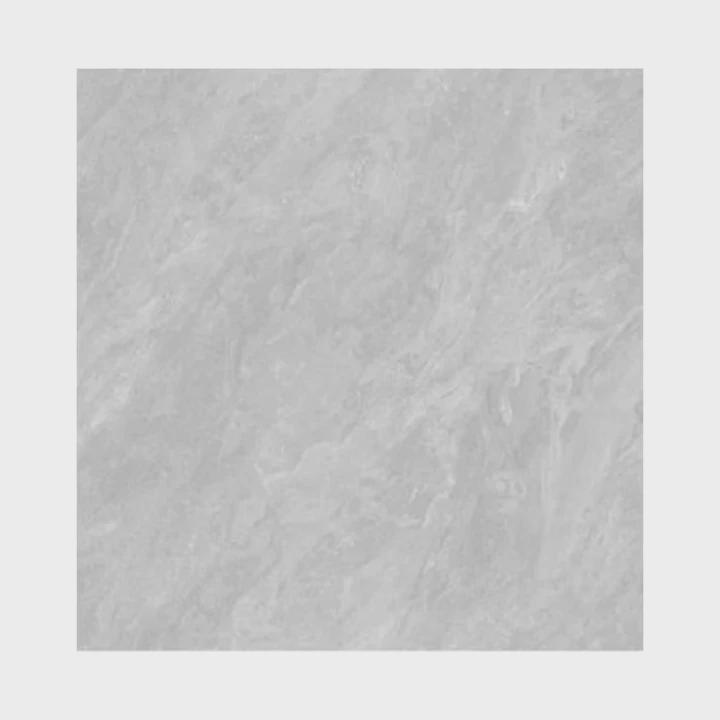
When architects, designers, contractors, and distributors select tile products, appearance is only one factor. Installation quality, long-term performance, and customer satisfaction also matter.
Rectified tiles offer several advantages that support these goals.
A More Modern Appearance
Modern design trends often favor clean surfaces and minimal visual interruption.
Because rectified tiles have precise edges, installers can position them closer together. This creates a smoother and more continuous look.
Many luxury projects use rectified tiles for:
- Hotel lobbies
- Shopping centers
- Office buildings
- Modern homes
- High-end apartments
The finished surface often resembles natural stone slabs while maintaining the durability of porcelain tile.
Better Alignment Across Large Areas
In large floor installations, tile alignment becomes very important.
Even small size differences can accumulate across a room. After several rows, grout joints may appear uneven.
Rectified tiles reduce this risk because dimensions remain highly consistent.
Improved Design Flexibility
Designers often want flexibility when creating visual effects.
Rectified products allow:
| Design Goal | Benefit of Rectified Tiles |
|---|---|
| Minimalist Interiors | Narrow grout joints |
| Large Open Spaces | Better alignment |
| Luxury Projects | Premium appearance |
| Wall Applications | Cleaner lines |
| Commercial Areas | Uniform aesthetics |
This flexibility makes rectified tiles popular across many market segments.
Better Compatibility with Large Formats
Large-format tiles continue to dominate design trends.
Many clients request surfaces that look expansive and uninterrupted. Rectified tiles support this objective by minimizing visible grout lines.
In several projects I have worked on, buyers specifically requested rectified large-format porcelain because they wanted a natural stone appearance without the maintenance concerns associated with real stone.
Enhanced Perceived Value
Customers often associate precision with quality.
When grout lines remain consistent and tile edges align perfectly, the finished installation feels more professional.
This perceived quality can benefit:
- Property developers
- Interior designers
- Contractors
- Tile distributors
- Building material retailers
A better-looking finished project often leads to stronger customer satisfaction and repeat business.
Are Rectified Tiles More Expensive?
Many buyers worry that rectified tiles may exceed their project budget. Cost concerns become even more important when purchasing large quantities for commercial developments.
Yes, rectified tiles are usually more expensive than standard tiles because they require additional machinery, processing, quality control, and manufacturing steps.
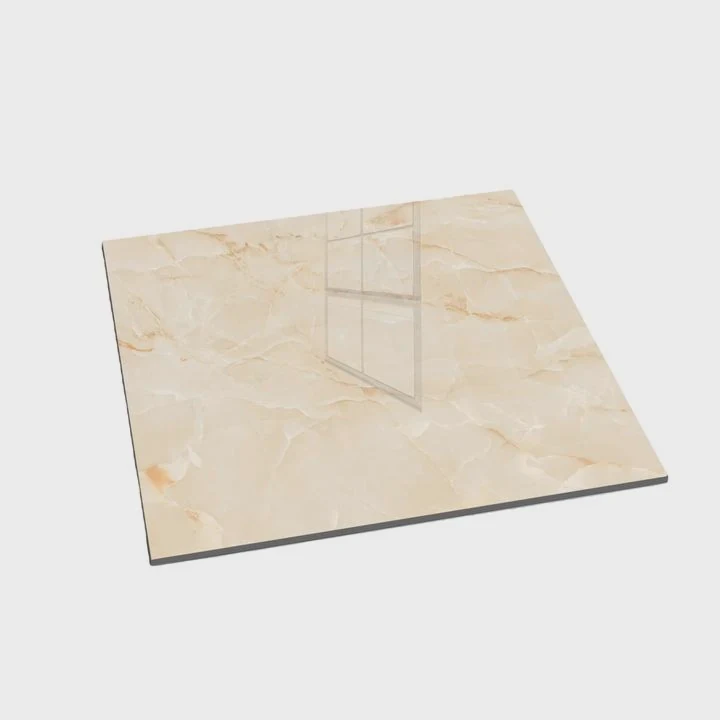
Price differences vary depending on product category, size, country of origin, and manufacturing technology.
While rectified tiles often cost more upfront, the total project value should also be considered.
Why Rectified Tiles Cost More
The additional rectification process adds several expenses:
Extra Equipment
Factories need specialized cutting and grinding systems.
These machines represent a significant investment and require regular maintenance.
Additional Labor
Operators and quality inspectors monitor the rectification line to ensure precision.
This creates additional labor costs compared with standard production.
Material Loss
The cutting process removes small portions from the tile edges.
Although the amount removed is minimal, it still represents material waste that must be accounted for in production costs.
Higher Quality Standards
Manufacturers generally apply stricter inspections to rectified products.
This increased quality control also contributes to higher production costs.
Comparing Cost and Value
Many buyers focus only on unit price. However, evaluating value often produces a different conclusion.
Consider the following comparison:
| Factor | Standard Tile | Rectified Tile |
|---|---|---|
| Purchase Price | Lower | Higher |
| Visual Quality | Good | Excellent |
| Design Appeal | Traditional | Modern |
| Grout Line Width | Wider | Narrower |
| Premium Market Position | Moderate | Strong |
Installation Considerations
One point that buyers sometimes overlook is installation precision.
Rectified tiles require skilled installers.
Because grout joints are smaller, installation errors become more visible.
A professional installer should carefully:
- Prepare a flat substrate
- Use proper leveling systems
- Maintain consistent spacing
- Check alignment frequently
These requirements can slightly increase installation costs.
Long-Term Business Perspective
For distributors and importers, rectified tiles often appeal to higher-end customers.
These customers usually focus on:
- Design quality
- Modern appearance
- Property value
- Project image
As a result, rectified products can support better margins and stronger market positioning.
For commercial projects, hotels, luxury residences, and premium retail spaces, many decision-makers view the additional cost as a worthwhile investment.
Can Rectified Tiles Reduce Grout Lines?
Many property owners want a floor or wall surface that appears almost seamless. Large grout joints can interrupt the visual flow and make a space feel less modern.
Yes, rectified tiles can significantly reduce grout line width because their precise dimensions allow tiles to be installed much closer together than standard tiles.

This is one of the most important reasons why rectified tiles have become so popular.
Understanding Grout Joint Requirements
Every tile installation requires grout joints.
Some buyers mistakenly believe tiles can be installed without grout. In reality, grout serves important purposes:
- Accommodates movement
- Absorbs minor dimensional differences
- Protects tile edges
- Helps prevent cracking
The goal is not to eliminate grout completely. The goal is to reduce grout width while maintaining proper performance.
Why Rectified Tiles Allow Narrower Joints
Because rectified tiles have consistent dimensions and straight edges, installers can use narrower grout joints with confidence.
Standard tiles often require wider joints because slight size differences need to be hidden.
Rectified tiles reduce this concern.
Typical installations may use grout joints in the range of:
| Tile Type | Typical Grout Joint |
|---|---|
| Standard Tile | 3-5 mm or more |
| Rectified Tile | 1.5-3 mm |
Actual recommendations vary by product and installation conditions.
Creating a Seamless Look
The visual impact of narrow grout joints is significant.
A floor with minimal grout lines appears:
- Larger
- Cleaner
- More modern
- More luxurious
This effect becomes especially noticeable with large-format porcelain tiles.
Many architects use rectified products specifically to achieve this seamless appearance.
Important Installation Factors
Even though rectified tiles support narrow grout joints, successful results depend on proper installation.
Surface Flatness
The substrate must be level and stable.
Uneven surfaces can create lippage, where adjacent tiles sit at different heights.
Tile Leveling Systems
Many installers use leveling clips and wedges to improve consistency.
These systems help maintain alignment across large surfaces.
Skilled Labor
Rectified tiles provide less room for installation mistakes.
An experienced installer can maximize the visual benefits while minimizing potential issues.
Common Misunderstandings
Some buyers believe rectified tiles eliminate all grout lines.
That is not correct.
Grout remains necessary for structural and practical reasons.
The real advantage is that grout joints become less visible.
As a result, the overall installation looks cleaner and more continuous.
In modern residential projects, commercial buildings, hotels, and retail spaces, this visual improvement often becomes one of the strongest selling points of rectified porcelain tiles.
Conclusion
Rectified tiles are mechanically cut after firing to achieve precise dimensions and straight edges. This process creates cleaner installations, narrower grout joints, and a more modern appearance. While rectified tiles usually cost more, many projects benefit from their superior aesthetics, consistency, and premium market appeal.