What Size Tile for Shower Floor?
- Sinotiles
- 2026-06-01
Choosing the wrong shower floor tile size can lead to slippery surfaces, poor drainage, and costly repairs that many homeowners only notice after installation.
The best shower floor tile size is usually between 1x1 inch and 2x2 inches. Smaller tiles follow the shower slope more easily, improve grip through more grout lines, and help water drain efficiently toward the shower drain.
Many people focus on tile color and design first. Yet tile size has a direct effect on safety, comfort, maintenance, and long-term performance. Understanding how tile size works can help avoid common shower floor problems and create a better bathroom experience.
Which Tile Sizes Are Safest for Shower Floors?
Many homeowners worry about slipping in the shower. This concern becomes even more important when children, older adults, or guests use the bathroom regularly.
Tiles between 1x1 inch and 2x2 inches are generally considered the safest option for shower floors because they provide more grout lines, better traction, and easier adaptation to the shower floor slope.
When discussing shower floor safety, tile size matters more than many people expect. The main reason is traction. A shower floor is exposed to water every day. Even tiles with textured surfaces can become slippery when soap and shampoo build up.
Why Grout Lines Improve Safety
Smaller tiles create more grout joints across the floor. These grout lines add texture and grip underfoot.
For example, a shower floor covered with hundreds of small mosaic tiles has significantly more surface interruptions than a floor covered with a few large tiles. These interruptions help reduce slipping.
Common Safe Tile Sizes
| Tile Size | Safety Level | Typical Use |
|---|---|---|
| 1x1 inch | Very High | Residential showers |
| 2x2 inch | High | Most shower floors |
| 3x3 inch | Moderate | Larger shower areas |
| 4x4 inch and larger | Lower | Requires careful design |
Many professional installers prefer mosaic sheets made from 1x1-inch or 2x2-inch tiles. These sheets are easy to install and provide excellent grip.
Surface Finish Also Matters
Tile size alone does not determine safety.
Other important factors include:
- Tile texture
- Slip-resistance rating
- Grout condition
- Cleaning frequency
- Shower slope quality
A textured porcelain mosaic often performs better than a polished stone tile, even if both use the same dimensions.
Real-World Considerations
In many bathroom renovation projects, the safest results come from balancing comfort and functionality. Extremely small tiles can create many grout joints that require maintenance. Very large tiles can reduce traction and create installation challenges.
For this reason, many experienced installers view the 2x2-inch tile as the practical middle ground. It provides enough grout coverage for grip while keeping cleaning requirements manageable.
Safety should always come before visual trends. A beautiful shower floor is important, but a safe shower floor is essential. Selecting an appropriate tile size from the beginning helps reduce accidents and improves everyday comfort.
How Does Tile Size Affect Drainage?
Water that remains on a shower floor can create mold, mildew, staining, and maintenance issues. Many drainage problems actually begin with tile size selection.
Smaller tiles improve drainage because they conform more easily to the shower floor slope. Larger tiles are harder to fit on angled surfaces and may create areas where water collects.
Drainage is one of the most important functions of a shower floor. Every shower floor must direct water efficiently toward the drain. To accomplish this, the floor is built with a slight slope.
Understanding Shower Floor Slope
Most shower floors slope approximately one-quarter inch per foot toward the drain.
The challenge is that the slope changes direction from multiple sides. The closer the floor gets to the drain, the more noticeable these angle changes become.
Small tiles naturally adapt to these changing angles.
Large tiles do not.
Why Smaller Tiles Follow Slopes Better
Each small tile covers a limited area. Because of this, the installer can easily place hundreds of small pieces across the floor while maintaining consistent contact with the sloped surface.
This flexibility helps create smooth drainage paths.
Benefits include:
- Faster water movement
- Fewer puddles
- Reduced standing water
- Lower mold risk
- Better long-term performance
Problems Caused by Large Tiles
Large-format tiles often resist bending across multiple slope planes.
As a result, installers may encounter:
- Lippage between tiles
- Uneven edges
- Water pooling
- Complex cutting requirements
In some cases, installers must create additional cuts around the drain area to make larger tiles fit properly.
Drain Location Makes a Difference
The relationship between tile size and drainage also depends on drain placement.
Center Drains
Center drains require slopes from all directions.
This design usually favors smaller mosaic tiles.
Linear Drains
Linear drains create a single-direction slope.
This design can accommodate larger tiles more easily.
Tile Size and Drainage Comparison
| Tile Size | Drainage Performance | Installation Difficulty |
|---|---|---|
| 1x1 inch | Excellent | Easy |
| 2x2 inch | Excellent | Easy |
| 3x3 inch | Good | Moderate |
| 12x12 inch | Fair | Difficult |
| 24x24 inch | Variable | Difficult |
Long-Term Impact
Many homeowners only notice drainage problems months after installation. Small puddles can seem harmless at first. Over time, these wet spots encourage mold growth and mineral deposits.
A properly sized shower floor tile helps water leave the surface quickly. That simple advantage can reduce maintenance work for many years.
When drainage is the top priority, smaller tiles remain the most reliable choice.
Are Small Tiles Better for Slip Resistance?
Slip resistance is one of the biggest reasons small tiles dominate shower floor design. Many people assume texture alone prevents slips, but tile size plays an important role as well.
Yes, small tiles are generally better for slip resistance because they create more grout lines that increase foot traction and improve stability on wet surfaces.
The connection between tile size and slip resistance is straightforward. More grout joints mean more points of contact between the foot and the floor.
How Grout Helps Prevent Slipping
Grout is usually slightly rougher than the tile surface.
When a person stands on a mosaic shower floor, the foot contacts both tile and grout. This combination creates additional friction.
The result is better grip, especially when:
- Water is present
- Soap residue exists
- Bare feet are used
- The user changes direction suddenly
Comparing Different Tile Sizes
Imagine standing on two shower floors.
The first floor contains 1x1-inch mosaics.
The second floor contains 12x12-inch tiles.
The mosaic floor may contain hundreds of grout joints beneath the feet. The larger floor may have only a few.
That difference directly affects traction.
The Science Behind Friction
Slip resistance depends on friction between the foot and the floor.
Several elements contribute:
| Factor | Impact on Slip Resistance |
|---|---|
| More grout lines | Increases grip |
| Textured surface | Increases grip |
| Polished finish | Reduces grip |
| Standing water | Reduces grip |
| Proper cleaning | Improves grip |
Small tiles support higher friction because they naturally increase grout coverage.
Balance Between Safety and Maintenance
There is one trade-off.
More grout means:
- More cleaning
- More sealing in some materials
- More maintenance over time
Yet many homeowners consider this trade-off worthwhile because safety remains the higher priority.
Modern Mosaic Options
Today’s market offers many mosaic formats that improve both appearance and safety.
Popular options include:
Square Mosaic Tiles
The classic solution.
Hexagon Mosaics
A modern design with strong traction.
Pebble Tiles
Natural appearance with excellent grip.
Textured Porcelain Mosaics
A balance between durability and safety.
User Comfort
Some people worry that small tiles feel uncomfortable underfoot.
In reality, most modern mosaic products use smooth edges and consistent installation methods. When installed correctly, they provide a comfortable walking surface while maintaining strong slip resistance.
For households with elderly family members or young children, the extra traction offered by small-format tiles often provides valuable peace of mind.
Can Large Tiles Work in Shower Floors?
Large-format tiles have become extremely popular in modern bathroom design. Their clean appearance and minimal grout lines appeal to many homeowners.
Yes, large tiles can work on shower floors, but they require careful planning, proper drainage design, and experienced installation. They are generally more suitable when linear drains are used.
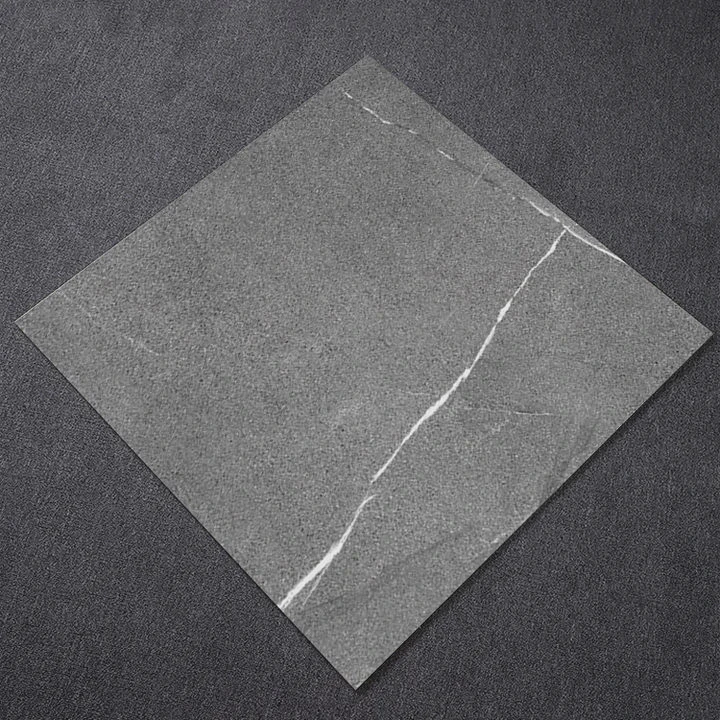
Large tiles are often associated with luxury bathrooms. They create a seamless look and can make small spaces appear larger.
However, appearance and performance are not always the same thing.
Why Designers Like Large Tiles
Large tiles offer several visual benefits.
These include:
- Fewer grout lines
- Cleaner appearance
- Modern style
- Easier visual continuity
- Spacious feeling
Many contemporary bathroom projects use the same large-format tile on both walls and floors to create a unified design.
The Installation Challenge
A shower floor is not flat.
Every floor must direct water toward the drain.
Large tiles struggle because they cannot easily adapt to multiple slope directions.
As tile size increases, cutting complexity also increases.
When Large Tiles Work Best
Large tiles often perform well under specific conditions.
Linear Drain Systems
A linear drain usually requires a single directional slope.
This design allows larger tiles to sit more naturally on the surface.
Large Walk-In Showers
Bigger shower areas provide more space for gradual slopes.
This makes large-format installations more practical.
Experienced Installers
Installation quality becomes even more important when using larger tiles.
Precise measurements and cutting are essential.
Potential Risks
Large tiles may introduce:
- Reduced traction
- Water pooling
- More complex installation
- Higher labor costs
- Increased waste during cutting
These risks do not automatically make large tiles a bad choice. They simply require additional planning.
Choosing the Right Large Tile
If a large tile look is desired, many professionals recommend sizes that balance style and function.
Popular choices include:
| Tile Size | Suitability for Shower Floors |
|---|---|
| 2x2 inch | Excellent |
| 4x4 inch | Good |
| 6x6 inch | Moderate |
| 12x24 inch | Challenging |
| 24x24 inch | Advanced installation |
Design Versus Performance
Many bathroom trends focus heavily on aesthetics. Yet shower floors are functional surfaces first.
A successful project balances:
- Visual appeal
- Safety
- Drainage
- Maintenance
- Budget
In many cases, homeowners achieve the best results by using large tiles on shower walls and smaller mosaics on the shower floor. This combination preserves modern design while maintaining reliable drainage and slip resistance.
Large tiles can absolutely work. They simply require more attention to technical details than traditional mosaic shower floors.
Conclusion
The ideal shower floor tile size is usually between 1x1 inch and 2x2 inches because it offers the best combination of safety, drainage, and slip resistance. Large tiles can work in certain designs, especially with linear drains, but smaller mosaic tiles remain the most practical and reliable choice for most shower floors.