What Does Tile Stand For?
- Sinotiles
- 2026-04-02
Many people feel confused when they hear the word “tile.” Some think it is an acronym. Others see it used in tech or design and feel unsure about its meaning.
Tile is not an acronym in most cases. It is a general term that refers to thin materials used for covering surfaces like floors, walls, or roofs. In different industries, the meaning can change slightly based on context.
The word “tile” seems simple. Yet, it carries different meanings depending on where it is used. This article breaks it down step by step so the meaning becomes clear in every context.
Is tile an acronym or a general term?
Many people assume “tile” must stand for something. This confusion often comes from the way modern industries use short words and abbreviations.
Tile is a general term, not an acronym. It comes from the Latin word “tegula,” which refers to baked clay used for roofing. Over time, it evolved into a common word for flat surface materials.
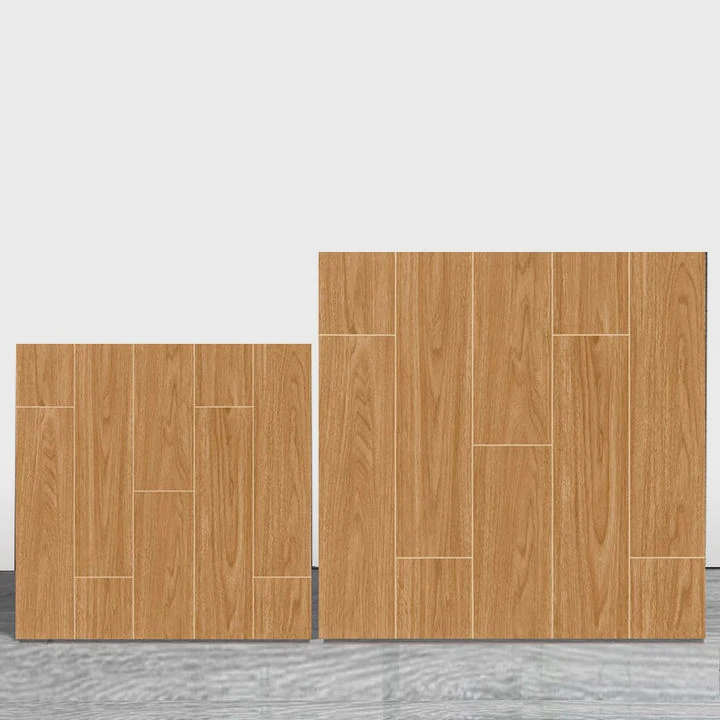
When looking at the origin of the word, it becomes clear that “tile” was never designed as an abbreviation. Instead, it developed naturally through language over centuries.
The linguistic origin of tile
The word “tile” has a long history. It started from Latin and moved into Old French before becoming part of English. Each stage kept the core meaning related to construction materials.
Why people think tile is an acronym
There are a few reasons for this confusion:
- Modern tech brands use short words
- Some industries use capital letters (TILE)
- Software and apps reuse common words
For example, in technology, “Tile” may refer to tracking devices or UI elements. This creates the false idea that it stands for something.
Comparison: Acronym vs General Term
| Aspect | Acronym | General Term (Tile) |
|---|---|---|
| Meaning Source | Initial letters of words | Language evolution |
| Example | NASA, HTML | Tile, Brick, Stone |
| Usage | Specific definition | Broad and flexible |
| Context Dependency | High | Medium |
Practical understanding
In daily use, “tile” simply refers to a material. It does not require decoding. This makes it easier for global communication, especially in construction and trade.
From experience in the tile export industry, using a clear and simple word like “tile” helps reduce misunderstanding between buyers and suppliers. No one needs to guess its meaning.
How is tile defined in construction context?
Many beginners struggle to understand what tile really means in construction. They often mix it with stone, concrete, or other materials.
In construction, tile refers to thin, flat pieces of material used to cover surfaces such as floors, walls, and roofs. These materials are designed for durability, protection, and decoration.
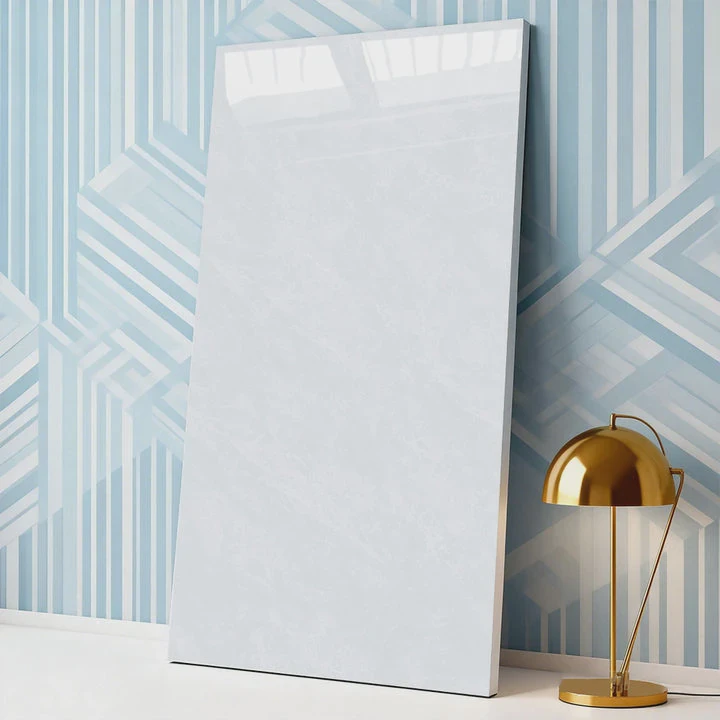
The construction definition is practical and based on function rather than language origin.
Key characteristics of tiles
Tiles share several common features:
- Flat and thin structure
- Uniform size and shape
- Easy to install in patterns
- Resistant to wear and moisture
These features make tiles one of the most widely used materials in buildings.
Types of tiles in construction
Different projects require different types of tiles. Each type has its own properties.
| Tile Type | Main Material | Common Use Area | Key Feature |
|---|---|---|---|
| Ceramic Tile | Clay + glaze | Walls, bathrooms | Easy to clean |
| Porcelain Tile | Dense clay | Floors, outdoor | High strength |
| Polished Tile | Refined surface | Living rooms | Glossy finish |
| Rustic Tile | Natural look clay | Decorative spaces | Textured design |
| Mosaic Tile | Small pieces | Artistic walls | Flexible patterns |
Functional role in buildings
Tiles are not just decorative. They serve several functions:
- Protect surfaces from water
- Improve durability
- Enhance visual design
- Simplify maintenance
In large projects, such as hotels or malls, tiles must meet strict standards. Size accuracy, surface quality, and strength all matter.
Real-world application insight
From working with global buyers, it is clear that different markets focus on different features. Some prioritize price. Others focus on design or durability.
For example:
- Middle East projects prefer large-format tiles
- European buyers focus on design and texture
- American markets value consistency and stock availability
Understanding the construction definition of tile helps buyers make better decisions.
Why does tile have different meanings in industries?
The word “tile” becomes confusing because it appears in many industries. Each industry adapts the meaning based on its needs.
Tile has different meanings because industries reuse simple words to describe similar concepts, such as flat units, modular pieces, or repeated patterns.
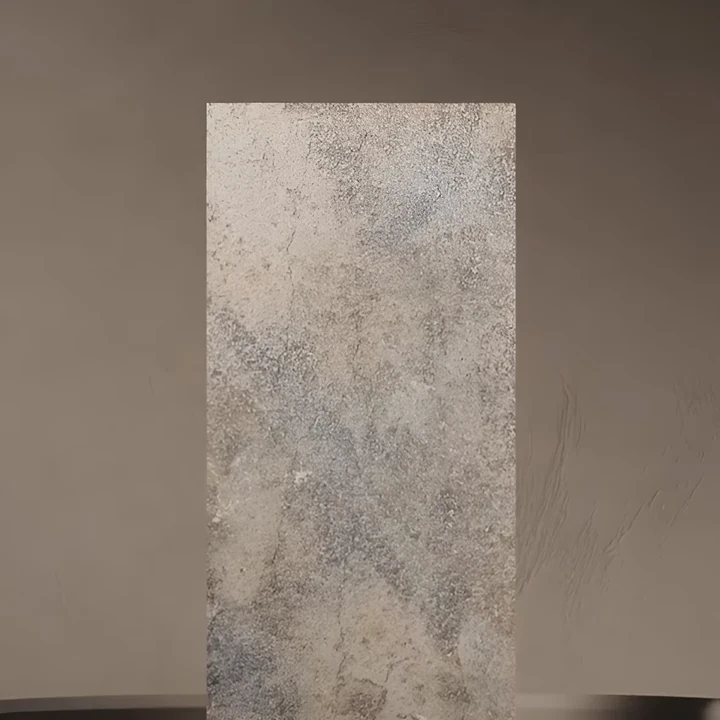
This flexibility makes the word useful but also creates confusion.
Tile in different industries
Here are some examples:
- Construction: surface material
- Technology: UI elements or tracking devices
- Gaming: grid-based map units
- Printing: repeated design blocks
Each meaning connects to the idea of a “small unit forming a larger whole.”
Common concept behind all meanings
Even though the industries differ, the core idea stays the same:
A tile is a modular piece that combines with others to create a complete structure.
This shared idea explains why the same word appears across fields.
Industry comparison
| Industry | Meaning of Tile | Core Idea |
|---|---|---|
| Construction | Surface covering material | Protection + decoration |
| Software UI | Interface block | Organized layout |
| Gaming | Map unit | Grid structure |
| Printing | Design repeat unit | Pattern creation |
Why industries reuse simple words
Simple words are easy to remember. They help users quickly understand new concepts.
Instead of creating new technical terms, industries often reuse familiar words. This reduces learning time.
Business impact
From a business point of view, this creates both advantages and challenges:
- Advantage: easier communication
- Challenge: possible misunderstanding
For example, a buyer searching “tile” online may see both building materials and tech products. This can lead to confusion.
Clear communication becomes very important, especially in international trade.
Where is the term tile most commonly used?
Even though “tile” appears in many industries, its most common use remains in construction and building materials.
The term tile is most commonly used in construction, interior design, and architecture, where it refers to materials used for floors, walls, and decorative surfaces.

This is the primary meaning recognized worldwide.
Main usage areas
Tiles are widely used in:
- Residential homes
- Commercial buildings
- Hotels and resorts
- Shopping malls
- Public infrastructure
Each space uses tiles differently depending on function and design.
Interior vs exterior use
Tiles can be used both inside and outside buildings.
Interior:
- Bathrooms
- Kitchens
- Living rooms
Exterior:
- Building facades
- Outdoor floors
- Swimming pools
Why construction dominates usage
There are several reasons why construction is the main field:
- High demand for durable materials
- Wide range of applications
- Long product lifespan
- Strong global supply chain
Tiles are essential in almost every building project. This keeps the demand stable across regions.
Global market perspective
Different regions use tiles differently:
- Asia: large-scale production and export
- Europe: design and innovation focus
- Middle East: luxury and large formats
- America: balance of price and quality
This diversity keeps the tile industry active and competitive.
Practical insight for buyers
Buyers should always clarify the context when using the word “tile.” This avoids confusion, especially in international communication.
For example:
- “Ceramic tile” clearly means construction material
- “UI tile” refers to software
Clear wording leads to smoother business cooperation.
Conclusion
Tile is a simple word with a long history. It is not an acronym. Its meaning depends on context, but it mainly refers to construction materials used worldwide for durable and decorative surfaces.