Can Floor Tile Be Used on the Wall?
- Sinotiles
- 2026-04-02
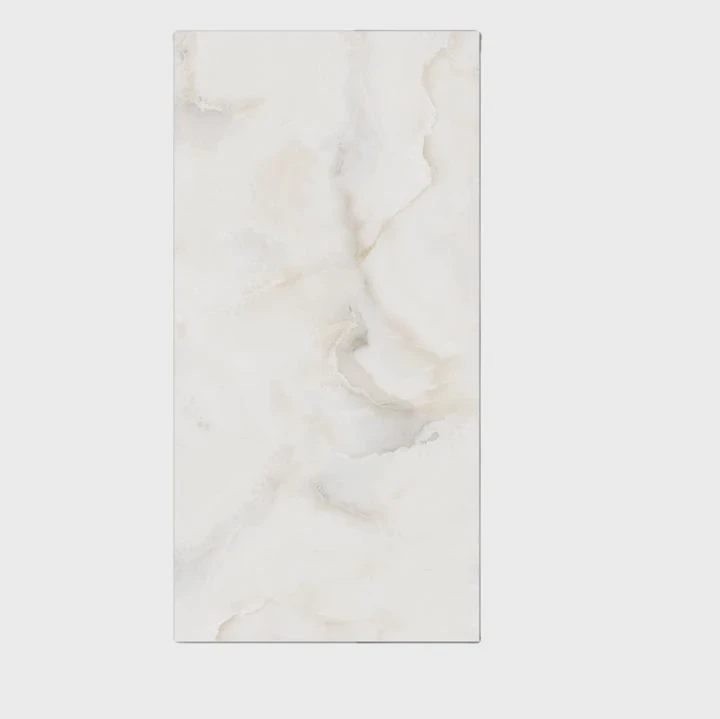
Many people feel confused when they want one tile style everywhere. They worry about safety, cost, and performance. Choosing the wrong tile can lead to cracks, falling tiles, or wasted money.
Yes, floor tiles can be used on walls, but only when weight, size, and installation conditions are carefully considered. Not all floor tiles are suitable for vertical use, and proper adhesive and support are critical for safety and durability.
This topic often comes up when clients want a clean, continuous design. It looks simple, but there are hidden risks. So it is important to break this down step by step before making a decision.
What factors determine tile suitability for walls?
Many buyers assume all tiles are universal. That idea can cause serious issues. Wall applications need different performance compared to floors.
Tile suitability for walls depends on weight, thickness, size, water absorption, and surface finish. Lighter tiles with proper backing and lower density are usually safer and easier to install on vertical surfaces.
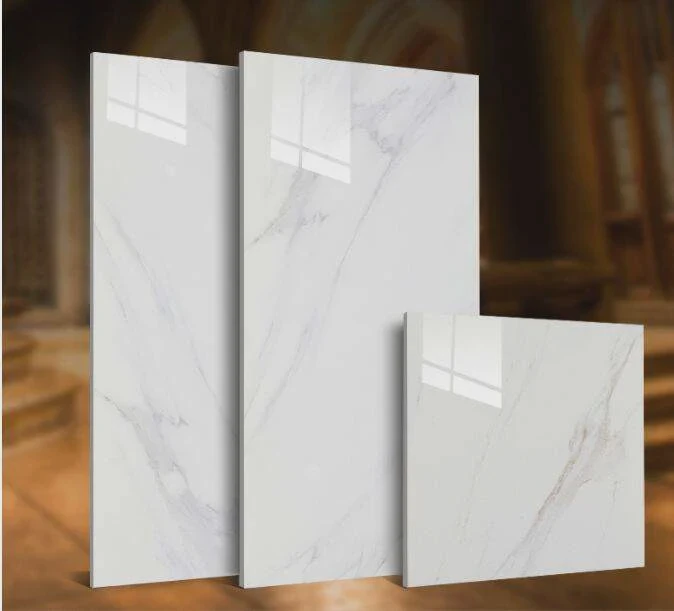
When evaluating whether a tile works on a wall, several technical factors must be reviewed carefully. It is not only about appearance. It is about long-term safety and installation feasibility.
Key Technical Factors
1. Weight and Density
Wall tiles must stay attached against gravity. Heavy tiles increase the risk of failure.
- Floor tiles are usually denser
- Porcelain tiles are heavier than ceramic
- Large format tiles add extra load
2. Tile Size
Large tiles look modern, but they are harder to fix on walls.
| Tile Size | Wall Suitability | Notes |
|---|---|---|
| 300×600mm | High | Easy to install |
| 600×600mm | Medium | Needs strong adhesive |
| 600×1200mm | Medium-Low | Requires skilled labor |
| 900×1800mm | Low | Needs mechanical support |
3. Surface Finish
Some floor tiles have anti-slip textures. These are not ideal for walls.
- Rough surfaces trap dirt
- Cleaning becomes difficult
- Visual effect may look too heavy
4. Water Absorption
Tiles used in bathrooms or kitchens must handle moisture.
- Low absorption = better durability
- Porcelain performs better than ceramic
Practical Insight
In many projects, clients want to use the same tile on both floor and wall. This creates a seamless design. That idea works well only when the tile meets all wall safety conditions.
A past project showed this clearly. A client selected 800×800 polished porcelain tiles for both floor and wall. The design looked perfect. But during installation, extra adhesive and leveling systems were required. Without them, tiles would have slipped.
So, suitability is not only about the tile itself. It is also about how it behaves during installation.
How does weight affect wall tile installation?
Weight is often ignored in early planning. But it becomes the biggest problem during installation. Heavy tiles can fail if not handled properly.
Tile weight directly impacts installation safety, adhesive performance, and long-term stability. Heavier tiles require stronger bonding materials and sometimes mechanical support to prevent detachment.
Understanding weight is essential before choosing floor tiles for walls. Gravity constantly pulls tiles downward. This creates stress on adhesive and substrate.
Why Weight Matters
1. Adhesive Strength Limits
Every adhesive has a load limit.
- Standard adhesive supports light tiles
- Heavy tiles need reinforced adhesive
- Incorrect adhesive leads to tile slipping
2. Wall Structure Capacity
Not all walls can carry heavy tiles.
| Wall Type | Load Capacity | Recommendation |
|---|---|---|
| Concrete wall | High | Suitable for heavy tiles |
| Cement board | Medium | Use caution |
| Drywall | Low | Avoid heavy tiles |
3. Installation Difficulty
Heavy tiles increase labor complexity.
- Harder to align
- Requires leveling systems
- Needs more workers
Real Installation Challenges
In large projects, installers often face tile sliding during fixing. This happens when the adhesive cannot hold the tile immediately.
To solve this, professionals use:
- Tile spacers
- Leveling clips
- Temporary supports
For very large tiles, mechanical fixing systems may be added. These include anchors or brackets.
Risk of Failure
If weight is not managed properly, problems appear later:
- Tiles may detach
- Cracks can form
- Safety risks increase
This is especially dangerous in commercial spaces like hotels or malls.
So, weight is not just a number. It directly affects safety, cost, and installation method.
Which tiles are best for vertical surfaces?
Choosing the right tile for walls is not only about safety. It also affects design, maintenance, and long-term value.
The best tiles for walls are lightweight ceramic tiles, thin porcelain tiles, and specially designed wall tiles. These options provide easier installation, better adhesion, and improved safety.
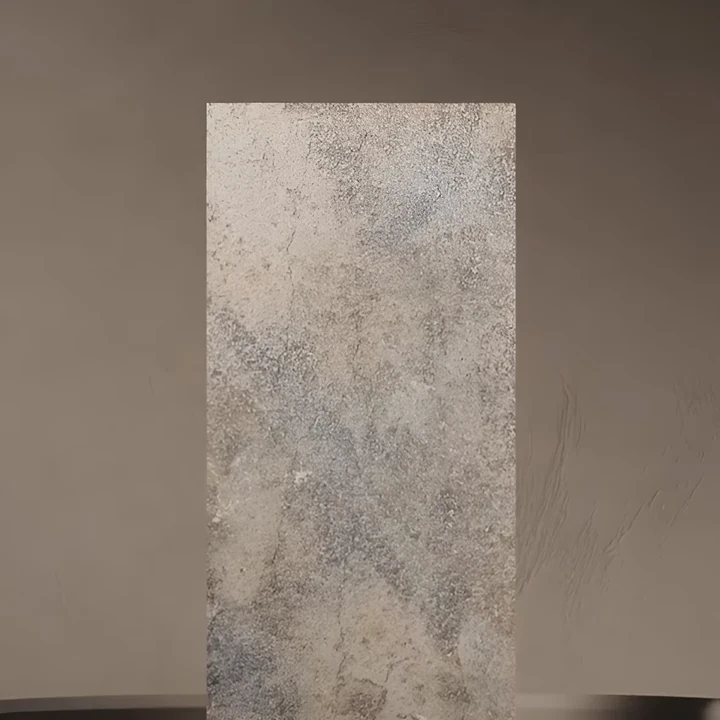
Different tile types perform differently on walls. Some are designed specifically for vertical use.
Recommended Tile Types
1. Ceramic Wall Tiles
These are the most common choice.
- Lightweight
- Easy to cut
- Cost-effective
2. Thin Porcelain Tiles
Modern and stylish option.
- Thickness reduced
- Strong but lighter
- Ideal for large formats
3. Mosaic Tiles
Used for decoration.
- Small pieces reduce weight
- Flexible design
- Good for curved surfaces
Comparison Table
| Tile Type | Weight | Cost | Installation Ease | Best Use |
|---|---|---|---|---|
| Ceramic | Light | Low | Easy | Bathrooms, kitchens |
| Porcelain | Heavy | Medium | Medium | Feature walls |
| Thin Porcelain | Medium | High | Medium | Modern designs |
| Mosaic | Light | Medium | Easy | Decorative areas |
Design Considerations
Wall tiles are more visible than floor tiles. So design matters more.
- Glossy tiles reflect light
- Matte tiles give a soft look
- Large tiles create a clean space
However, large tiles must be handled carefully. They need flat walls and skilled installation.
Market Trend Insight
Many buyers today prefer large-format tiles for walls. This creates a luxury look. But this trend also increases technical requirements.
In practice, a balance is needed:
- Design vs safety
- Size vs installation difficulty
The best choice is not always the largest tile. It is the one that fits both design and structural conditions.
Can adhesives support floor tiles on walls?
Adhesive performance is the key factor in this decision. Many failures happen because the wrong adhesive is used.
Yes, adhesives can support floor tiles on walls if high-strength tile adhesive is used correctly. The adhesive must match the tile weight, size, and wall surface conditions.
Adhesive technology has improved a lot in recent years. This allows more flexibility in tile applications.
Types of Tile Adhesives
1. Standard Cement Adhesive
- Suitable for small tiles
- Not ideal for heavy floor tiles
2. Modified Adhesive (Polymer-based)
- Stronger bonding
- Better flexibility
- Ideal for large tiles
3. Epoxy Adhesive
- Very high strength
- Water-resistant
- Used in demanding environments
Adhesive Selection Guide
| Tile Type | Recommended Adhesive | Notes |
|---|---|---|
| Small ceramic | Standard adhesive | Easy application |
| Medium porcelain | Modified adhesive | Better grip |
| Large floor tile | High-strength adhesive | Must use leveling system |
| Heavy slabs | Epoxy or mechanical fixing | Maximum safety |
Application Techniques
Using the right adhesive is not enough. Application method also matters.
- Back buttering improves bonding
- Full coverage prevents air gaps
- Proper curing time is required
Critical Mistakes to Avoid
Many problems come from shortcuts:
- Using cheap adhesive
- Applying uneven layers
- Ignoring curing time
These mistakes lead to tile detachment.
Real-World Insight
In one project, a contractor used standard adhesive for large floor tiles on a wall. The tiles looked fine at first. After a few weeks, some tiles started to slide.
The issue was not the tile. It was the adhesive choice.
After switching to a high-strength adhesive and reinstallation, the problem was solved.
This shows a simple truth:
The success of using floor tiles on walls depends more on installation than on the tile itself.
Conclusion
Floor tiles can be used on walls, but only with proper planning, correct adhesive, and careful installation. Weight, size, and wall condition must always be checked to ensure safety and long-term performance.