What Is a Subway Tile?
- Sinotiles
- 2026-06-11

Many people see subway tiles in kitchens and bathrooms every day. Yet many buyers are not fully sure what makes a tile a true subway tile.
A subway tile is a rectangular wall tile known for its simple shape, clean lines, and versatile appearance. It is commonly used in kitchens, bathrooms, and commercial spaces because it suits many design styles and remains popular over time.
The popularity of subway tiles has lasted for more than a century. Designers, homeowners, builders, and tile distributors continue to choose them because they offer a balance of beauty, practicality, and affordability.
What Defines a Subway Tile Design?
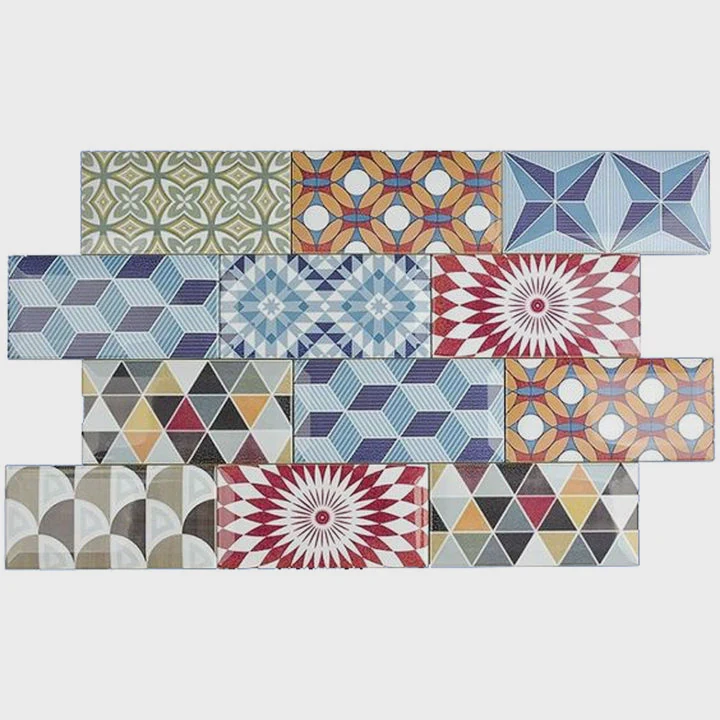
Many tile styles come and go. Subway tiles remain popular because their design is simple and easy to adapt to different spaces.
A subway tile design is defined by its rectangular shape, clean edges, smooth surface, and brick-like installation pattern. While sizes and finishes vary, simplicity remains its most recognizable feature.
The story of subway tiles began in the early twentieth century. The original tiles appeared in underground transportation stations in New York City. Architects wanted wall surfaces that looked clean, reflected light, and were easy to maintain. The rectangular white ceramic tile became the perfect solution.
Key Characteristics of Subway Tiles
Several features help identify a subway tile.
| Feature | Description |
|---|---|
| Shape | Rectangular |
| Surface | Smooth or lightly textured |
| Appearance | Clean and simple |
| Installation Pattern | Usually offset like bricks |
| Application | Mostly walls |
The traditional subway tile size was 3x6 inches. Today, manufacturers produce many different sizes while maintaining the same basic rectangular form.
Common Subway Tile Sizes
Modern projects often use various dimensions.
| Tile Size | Typical Application |
|---|---|
| 3x6 inch | Traditional walls |
| 4x8 inch | Contemporary kitchens |
| 2x8 inch | Decorative accents |
| 3x12 inch | Modern backsplashes |
| 4x12 inch | Large wall areas |
Why Simplicity Works
Simple designs tend to last longer than trendy designs.
When homeowners renovate a kitchen or bathroom, they often want materials that will still look attractive many years later. Subway tiles achieve this because they do not depend on complex patterns or bold graphics.
Design Flexibility
One reason many buyers choose subway tiles is flexibility.
They can fit into:
- Modern interiors
- Traditional homes
- Farmhouse kitchens
- Luxury hotels
- Commercial buildings
- Apartment projects
Surface Options
The classic subway tile is glossy white ceramic. Today, buyers can choose many finishes.
Popular options include:
- Glossy
- Matte
- Textured
- Crackle glaze
- Handmade appearance
- Stone-look surfaces
This flexibility allows designers to create different visual effects while maintaining the recognizable subway tile shape.
As a tile supplier, many customers request subway tiles because they offer a safe design choice. Trends change, but the clean rectangular profile continues to work across different markets and decoration styles.
How Are Subway Tiles Typically Installed?
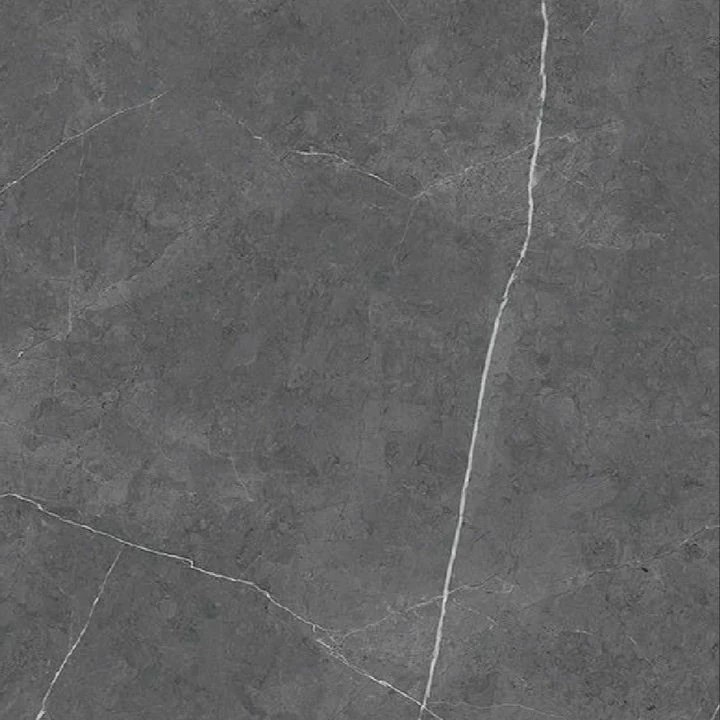
Even the most beautiful tile can look unattractive if it is installed incorrectly. Installation pattern plays a major role in the final appearance.
Subway tiles are typically installed using a running bond pattern, where each tile is offset by half its length. Other patterns such as vertical stack, horizontal stack, and herringbone are also common in modern designs.
The installation process starts long before the first tile reaches the wall. Proper surface preparation helps ensure a durable and professional result.
Preparing the Surface
The wall must be:
- Clean
- Dry
- Flat
- Structurally sound
Installers often use cement board or other suitable backing materials in wet areas.
Traditional Running Bond Pattern
The most recognizable subway tile layout is the running bond pattern.
In this layout:
- Each row shifts by half a tile.
- Vertical joints do not align.
- The design resembles a brick wall.
This arrangement creates visual movement while maintaining a clean appearance.
Popular Installation Patterns
Modern designers often experiment with different layouts.
| Pattern | Appearance |
|---|---|
| Running Bond | Traditional brick style |
| Horizontal Stack | Clean and modern |
| Vertical Stack | Contemporary look |
| Herringbone | Decorative and dynamic |
| Basket Weave | Unique visual texture |
Grout Selection Matters
Many people focus only on tile color. Grout can dramatically affect the final design.
For example:
Matching Grout
Matching grout creates a seamless appearance.
Benefits include:
- Softer visual effect
- Larger-looking spaces
- Minimal contrast
Contrasting Grout
Dark grout with white tiles creates a bold look.
Benefits include:
- Strong pattern visibility
- Contemporary style
- Architectural emphasis
Installation Steps
A standard subway tile installation often follows these steps:
- Prepare the wall.
- Mark layout lines.
- Apply tile adhesive.
- Install tiles carefully.
- Check alignment frequently.
- Allow adhesive to cure.
- Apply grout.
- Clean excess grout.
- Seal if necessary.
Common Installation Mistakes
Several mistakes can affect the final result.
| Mistake | Potential Problem |
|---|---|
| Uneven spacing | Poor appearance |
| Weak substrate | Tile failure |
| Excess adhesive | Difficult cleaning |
| Poor alignment | Unprofessional finish |
| Incorrect grout choice | Design imbalance |
Many successful projects depend as much on installation quality as on tile quality. Even a simple subway tile can create an impressive wall when installed with care and attention to detail.
Why Are Subway Tiles Popular in Kitchens?
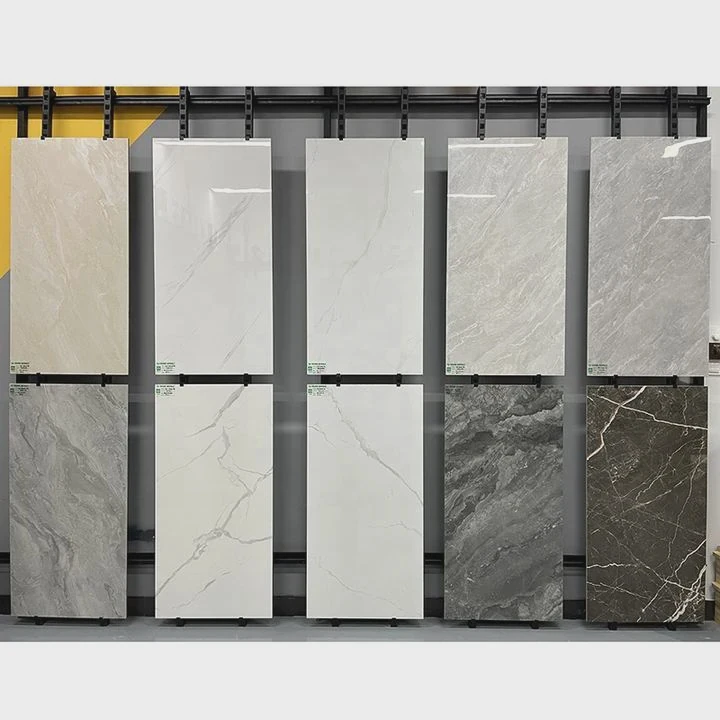
Kitchen design trends change frequently. Some materials become fashionable for a few years and then disappear. Subway tiles continue to remain one of the most requested options worldwide.
Subway tiles are popular in kitchens because they are affordable, easy to clean, visually versatile, and suitable for both modern and traditional interior styles.
Many kitchen renovations begin with the backsplash. Homeowners want a material that protects the wall while also improving the appearance of the room.
Easy Maintenance
One major reason for subway tile popularity is ease of cleaning.
Kitchen walls often face:
- Cooking oil
- Water splashes
- Food stains
- Steam exposure
The smooth surface of subway tiles allows quick cleaning with simple household products.
Timeless Appearance
Many homeowners avoid designs that may feel outdated after a few years.
Subway tiles offer long-term appeal because they are based on simple geometry rather than short-term trends.
Cost Efficiency
Subway tiles are available across a wide range of budgets.
This makes them suitable for:
- Residential renovations
- Apartment projects
- Rental properties
- Commercial kitchens
- Hospitality projects
Compatibility with Different Styles
Subway tiles work with many kitchen designs.
Modern Kitchens
Large-format subway tiles with thin grout lines create a clean and contemporary appearance.
Farmhouse Kitchens
Classic white subway tiles complement natural wood elements and warm colors.
Industrial Kitchens
Dark grout and textured subway tiles create a stronger visual statement.
Luxury Kitchens
Marble-look subway tiles provide an upscale appearance without overwhelming the space.
Popular Kitchen Color Choices
| Color | Design Effect |
|---|---|
| White | Bright and clean |
| Gray | Modern and neutral |
| Black | Bold and dramatic |
| Beige | Warm and inviting |
| Blue | Decorative accent |
Light Reflection Benefits
Glossy subway tiles reflect light effectively.
This helps:
- Small kitchens appear larger
- Dark spaces feel brighter
- Artificial lighting work more efficiently
Strong Market Demand
From a supplier’s perspective, subway tiles remain one of the most stable product categories.
Importers, distributors, and contractors continue to purchase them because customer demand remains consistent across different regions.
While new tile trends appear every year, subway tiles continue to perform well because they combine practical benefits with broad visual appeal.
Which Materials Are Used for Subway Tiles?
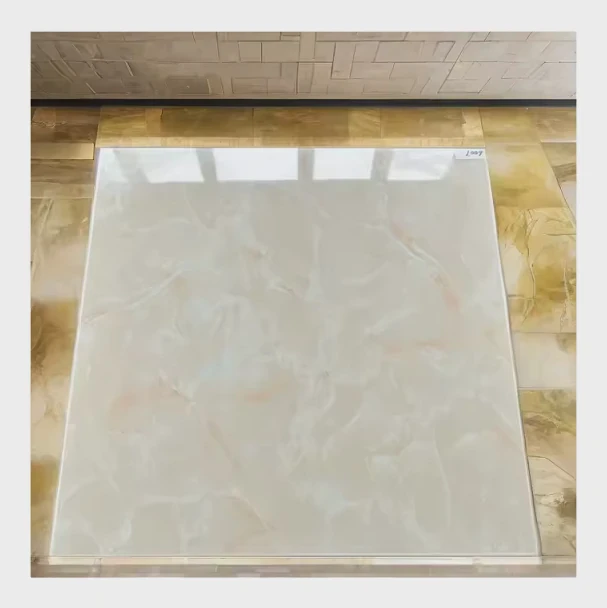
Many people assume all subway tiles are made from the same material. In reality, manufacturers produce subway tiles using several different materials to meet various design and performance requirements.
Subway tiles can be made from ceramic, porcelain, glass, natural stone, and other specialty materials. Each material offers different benefits related to durability, appearance, maintenance, and cost.
Material selection often depends on the project’s budget, design goals, and usage conditions.
Ceramic Subway Tiles
Ceramic is the most common subway tile material.
Benefits include:
- Affordable pricing
- Wide color selection
- Easy installation
- Simple maintenance
Many residential kitchens and bathrooms use ceramic subway tiles because they provide excellent value.
Porcelain Subway Tiles
Porcelain is a denser material than standard ceramic.
Advantages include:
- Lower water absorption
- Higher durability
- Better stain resistance
- Greater strength
Porcelain subway tiles are often selected for commercial projects and high-traffic environments.
Glass Subway Tiles
Glass subway tiles create a different visual effect.
Benefits include:
- Strong light reflection
- Bright appearance
- Modern design
- Vibrant colors
Many designers use glass subway tiles as kitchen backsplashes and decorative feature walls.
Natural Stone Subway Tiles
Natural stone provides a premium appearance.
Common stone options include:
- Marble
- Travertine
- Limestone
- Slate
Each piece contains unique natural patterns.
Material Comparison
| Material | Durability | Maintenance | Cost Level |
|---|---|---|---|
| Ceramic | Good | Easy | Low |
| Porcelain | Excellent | Easy | Medium |
| Glass | Good | Easy | Medium |
| Marble | Good | Moderate | High |
| Travertine | Moderate | Moderate | High |
Choosing the Right Material
Several factors influence material selection.
Budget
Ceramic often offers the most economical solution.
Location
Wet areas may benefit from porcelain because of its low water absorption.
Design Goals
Glass and marble can create more decorative effects.
Maintenance Expectations
Some natural stones require periodic sealing and additional care.
Current Market Trends
Many international buyers now request:
- Large-format subway tiles
- Marble-look porcelain subway tiles
- Matte-finish subway tiles
- Handmade-style subway tiles
- Textured surfaces
These options allow projects to maintain the classic subway tile shape while introducing more contemporary design elements.
The material choice ultimately depends on balancing appearance, performance, and budget. Understanding the strengths of each option helps buyers select the most suitable subway tile for their project.
Conclusion
Subway tiles are rectangular wall tiles valued for their simple design, installation flexibility, timeless appearance, and wide material selection. Their ability to fit many interior styles has made them one of the most popular tile choices for kitchens, bathrooms, and commercial spaces around the world.