What Is a Tile Made Of?
- Sinotiles
- 2026-05-18
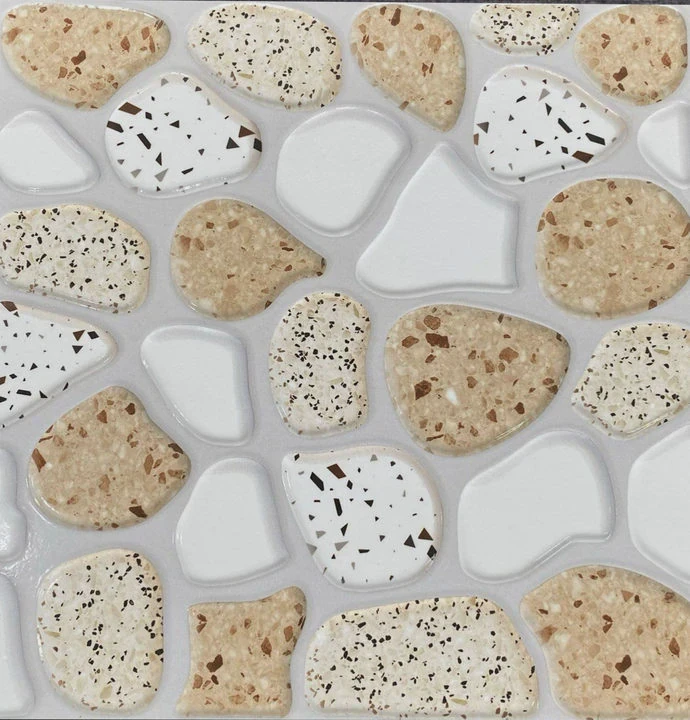
Many buyers choose tiles by color or price. Later, they face cracks, stains, or fast wear because they never checked what the tile was actually made of.
Tiles are usually made from clay, feldspar, silica sand, and other natural minerals. Different materials and production methods change the tile’s strength, water absorption, durability, and design style.
Most people see tiles as simple surface products. In reality, the raw materials inside the tile decide how the tile performs in homes, hotels, malls, and large projects. A small change in material formula can change the tile’s strength, finish, and lifespan. That is why experienced importers and project buyers often ask more about composition than appearance.
What Materials Are Commonly Used in Tile Production?
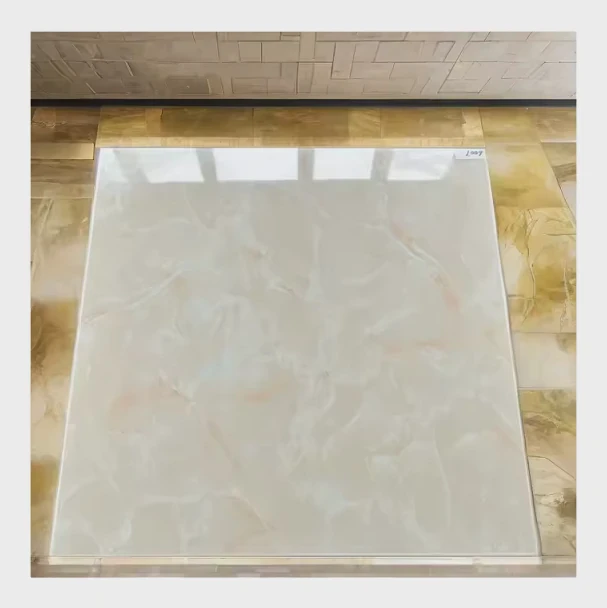
Many tile buyers only compare tile sizes and prices. They later discover that low-quality raw materials often lead to unstable quality and customer complaints.
Most ceramic and porcelain tiles are made from clay, feldspar, silica sand, kaolin, and mineral pigments. Each material plays a different role in strength, color, texture, and water absorption.
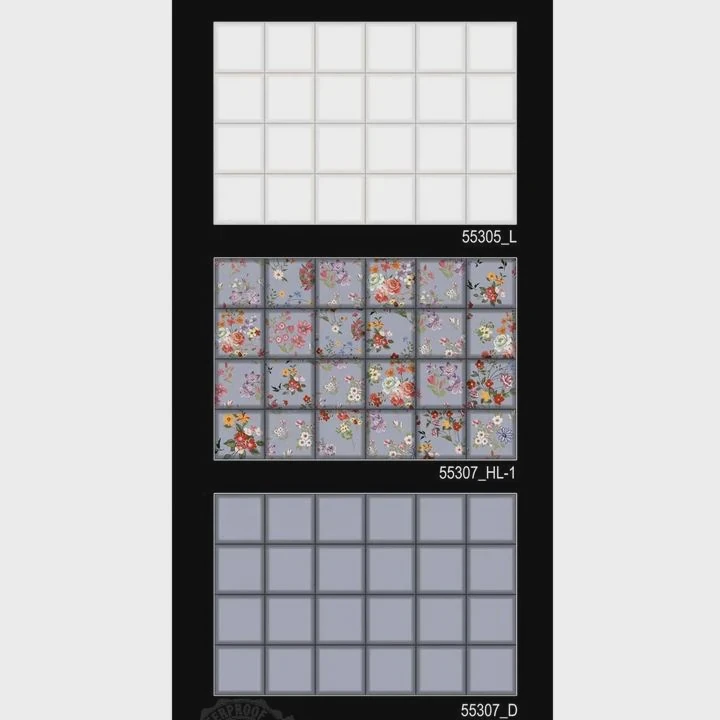
Tile production starts with raw materials. The final tile quality depends heavily on the purity and balance of these ingredients. Different factories may use slightly different formulas, but most modern tiles use a similar group of natural minerals.
Clay Forms the Main Structure
Clay is the base material in almost every ceramic tile. It gives the tile its shape during pressing and molding. Different clay types create different results.
Here are some common clay categories used in tile manufacturing:
| Material | Main Function | Common Use |
|---|---|---|
| Ball Clay | Improves plasticity | Ceramic wall tiles |
| Kaolin Clay | Adds whiteness and purity | Porcelain tiles |
| Red Clay | Creates darker body color | Rustic tiles |
| Fire Clay | Handles high temperature | Heavy-duty tiles |
The quality of clay directly affects tile density and water absorption. High-grade porcelain tiles often use refined kaolin because it creates a cleaner and denser body after firing.
Feldspar Helps Tiles Become Stronger
Feldspar acts as a flux material. During firing, it melts and helps bind all ingredients together. This process reduces pores inside the tile body.
Without feldspar, tiles would stay weak and absorb too much water. Porcelain tiles usually contain a higher feldspar percentage because they require lower water absorption and stronger density.
Silica Sand Improves Hardness
Silica sand controls shrinkage during firing. It also improves surface hardness and wear resistance.
Factories carefully balance silica content. Too much silica can make tiles brittle. Too little silica can reduce hardness.
Mineral Pigments Create Colors and Designs
Modern tiles use mineral oxides to create patterns and shades. Iron oxide creates red and brown tones. Cobalt oxide creates blue shades. Chromium oxide creates green colors.
Digital printing technology now allows factories to create marble looks, wood looks, and concrete designs with very realistic surfaces.
Additional Additives Improve Performance
Some factories add extra materials to improve production stability or product performance:
- Zircon for brighter glaze
- Alumina for hardness
- Talc for thermal stability
- Recycled ceramic powder for sustainability
Material Choice Depends on Market Needs
Different export markets often prefer different tile formulas.
For example:
| Market | Common Preference | Material Focus |
|---|---|---|
| Middle East | Heat resistance | Dense porcelain body |
| Europe | Design and sustainability | Refined raw materials |
| Africa | Cost-effective durability | Balanced ceramic formula |
| North America | Large format tiles | High-strength porcelain |
This is why professional tile manufacturers rarely use one universal formula for all customers. Product composition changes based on climate, project type, and customer expectations.
How Does Manufacturing Affect Tile Durability?
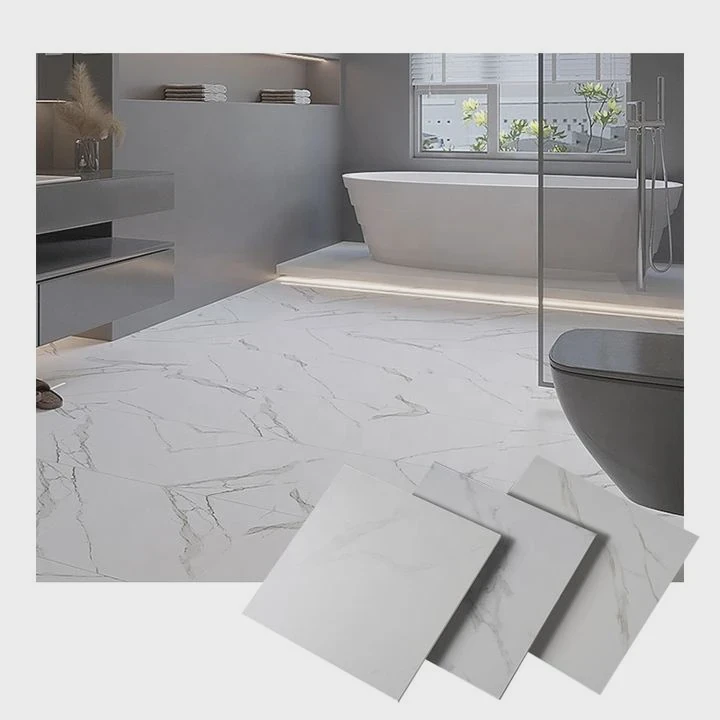
Some buyers focus only on raw materials. Later, they find that even good materials can still produce weak tiles if the manufacturing process is poor.
Tile durability depends heavily on manufacturing steps like grinding, pressing, drying, glazing, and firing. Proper production creates stronger, denser, and longer-lasting tiles.
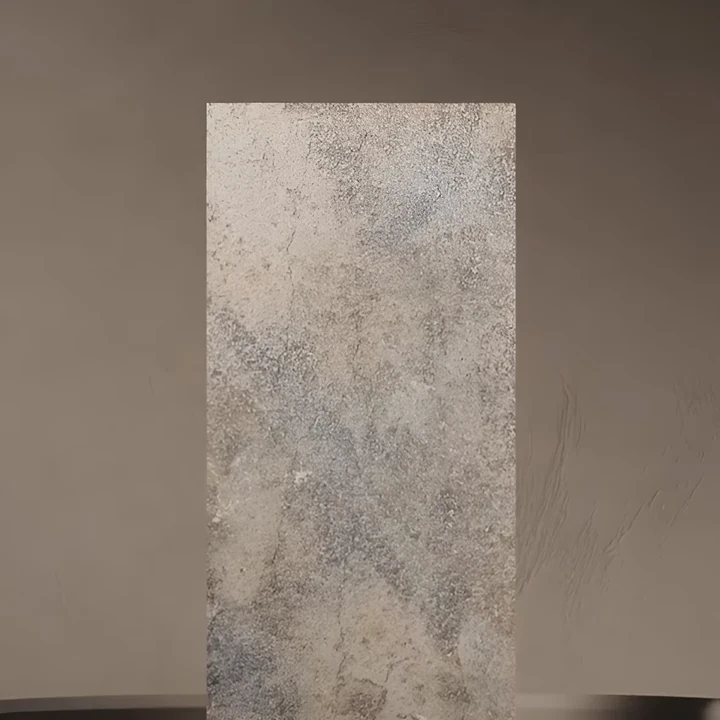
Manufacturing is where raw materials become finished tiles. Even if two factories use similar materials, their final products can perform very differently because of process control.
Grinding and Mixing Affect Consistency
Factories first grind raw materials into fine powder. Uniform particle size is very important.
If the powder is uneven:
- Tiles may crack during firing
- Surface quality becomes unstable
- Water absorption increases
Modern factories use ball mills and spray drying systems to create stable powder quality.
High Pressure Improves Density
After drying, the powder enters hydraulic presses. High pressure compresses the material into tile shapes.
Porcelain tile production usually uses much higher pressing pressure than standard ceramic tiles.
Higher density creates:
- Better impact resistance
- Lower water absorption
- Longer service life
Low-pressure pressing often produces weak internal structures.
Drying Removes Internal Moisture
Before firing, tiles must dry slowly and evenly.
Fast drying can create:
- Hidden cracks
- Tile warping
- Surface defects
Advanced factories use controlled drying chambers to avoid sudden moisture loss.
Firing Temperature Changes Tile Strength
Firing is one of the most important production stages. Tiles enter kilns at temperatures often above 1200°C.
High-temperature firing helps materials melt and bond together. This process is called vitrification.
Different Tile Types Use Different Firing Levels
| Tile Type | Typical Firing Temperature | Result |
|---|---|---|
| Ceramic Wall Tile | 1000–1100°C | Lighter body |
| Porcelain Tile | 1200–1250°C | Dense structure |
| Rustic Tile | Variable firing | Textured appearance |
| Polished Tile | High-temperature vitrification | Smooth dense surface |
Porcelain tiles become harder because higher temperatures reduce internal pores.
Glazing Also Affects Durability
The glaze layer protects the tile surface from stains and scratches.
Good glaze quality improves:
- Wear resistance
- Chemical resistance
- Easy cleaning
- Color stability
Poor glazing may lead to peeling, dull surfaces, or uneven textures.
Quality Control Determines Final Reliability
Strong quality control separates reliable suppliers from unstable suppliers.
Professional factories test:
- Water absorption
- Breaking strength
- Surface flatness
- Abrasion resistance
- Slip resistance
In many export projects, buyers ask for full inspection reports before shipment. This helps avoid future installation and warranty problems.
Why Are Different Tile Types Made From Different Materials?
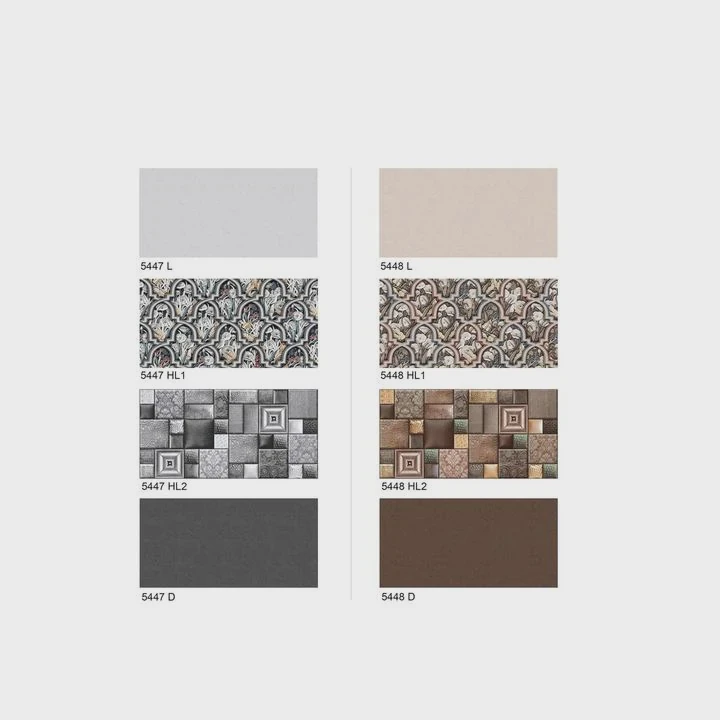
Some people think all tiles are basically the same. Then they use the wrong tile in the wrong space and face fast damage or poor performance.
Different tile materials exist because wall tiles, floor tiles, outdoor tiles, and decorative tiles all require different strength, absorption, texture, and design properties.
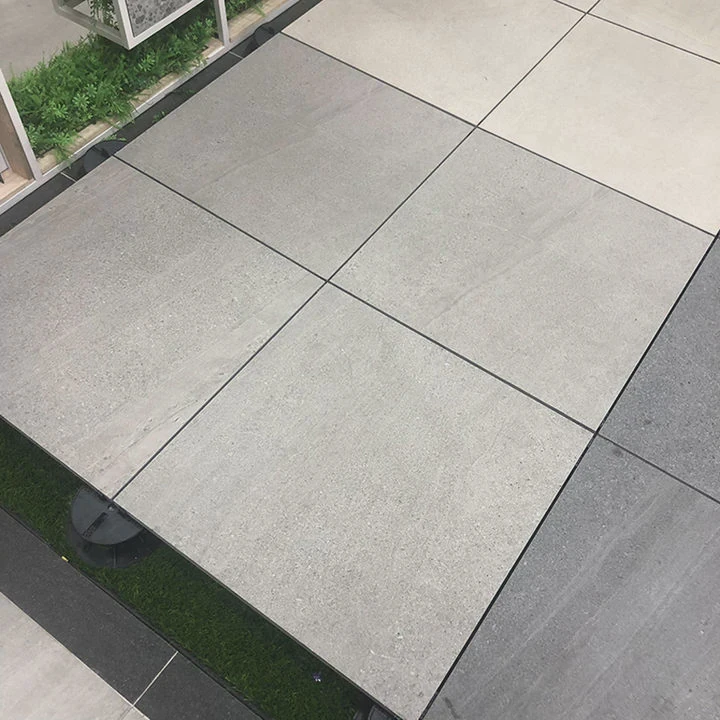
Tile products serve many different environments. A bathroom wall tile does not need the same strength as a shopping mall floor tile. Because of this, factories adjust materials and production methods for each category.
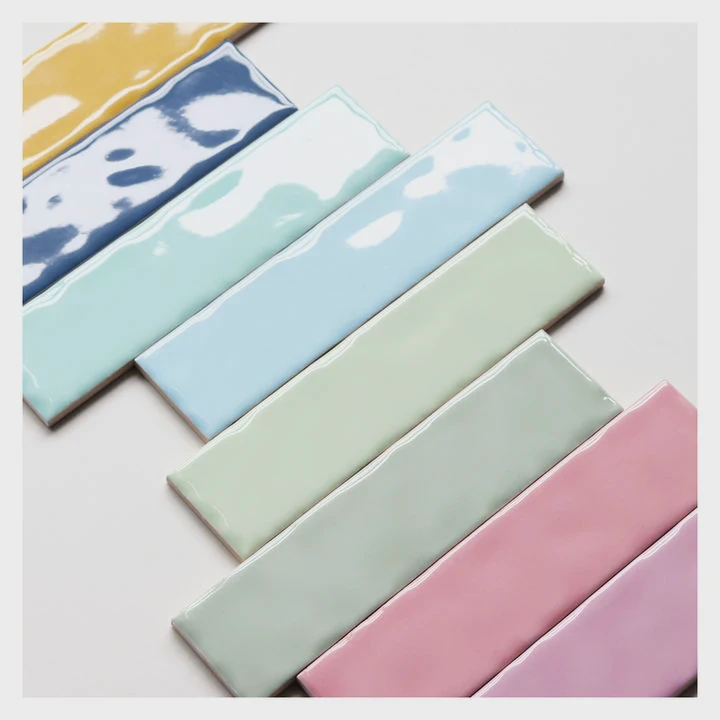
Ceramic Wall Tiles Focus on Light Weight
Wall tiles usually prioritize:
- Easy installation
- Decorative appearance
- Lower cost
These tiles often use lighter clay formulas and lower firing temperatures. They are easier to cut and install on vertical surfaces.
However, they are not ideal for heavy foot traffic because their density is lower.
Porcelain Tiles Prioritize Strength
Porcelain tiles use refined materials and higher firing temperatures.
Their advantages include:
- Very low water absorption
- High hardness
- Strong wear resistance
- Better frost resistance
This makes porcelain suitable for:
- Commercial floors
- Outdoor spaces
- Hotels
- Airports
- High-traffic projects
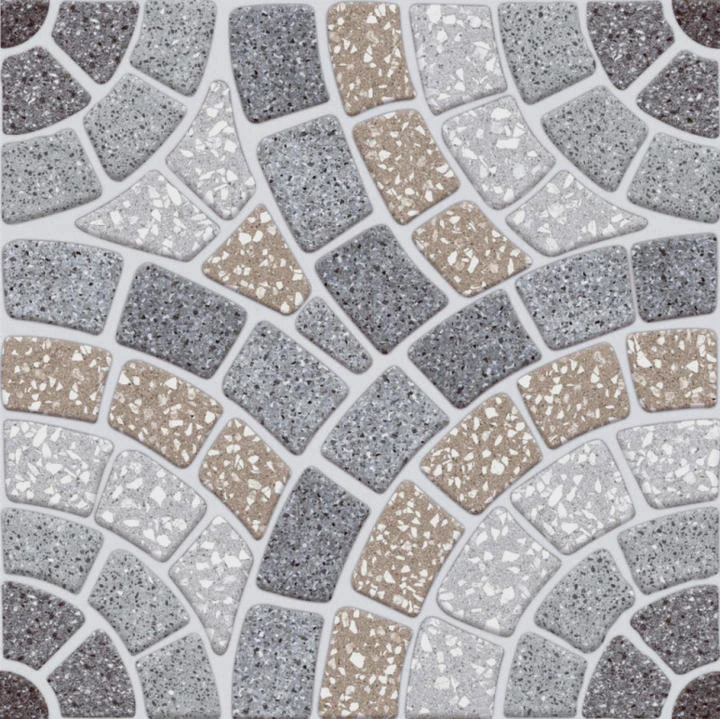
Rustic Tiles Focus on Surface Texture
Rustic or antique tiles often use special clay blends and textured finishes.
These tiles aim to create:
- Natural stone appearance
- Handmade visual style
- Better slip resistance
Many restaurants, villas, and outdoor projects prefer this style because it creates warmth and character.
Polished Tiles Require Dense Bodies
Polished tiles go through additional grinding and polishing after firing.
To survive polishing, the tile body must be:
- Dense
- Uniform
- Hard enough to resist cracking
Factories often use high feldspar content and strict kiln control for polished porcelain products.
Mosaic Tiles Need Different Material Flexibility
Mosaic tiles come in:
- Ceramic
- Glass
- Stone
- Porcelain
- Metal combinations
Small mosaic pieces require materials that maintain color consistency and precise sizing.
Different Spaces Need Different Performance
Here is a simple comparison:
| Application Area | Main Requirement | Recommended Material |
|---|---|---|
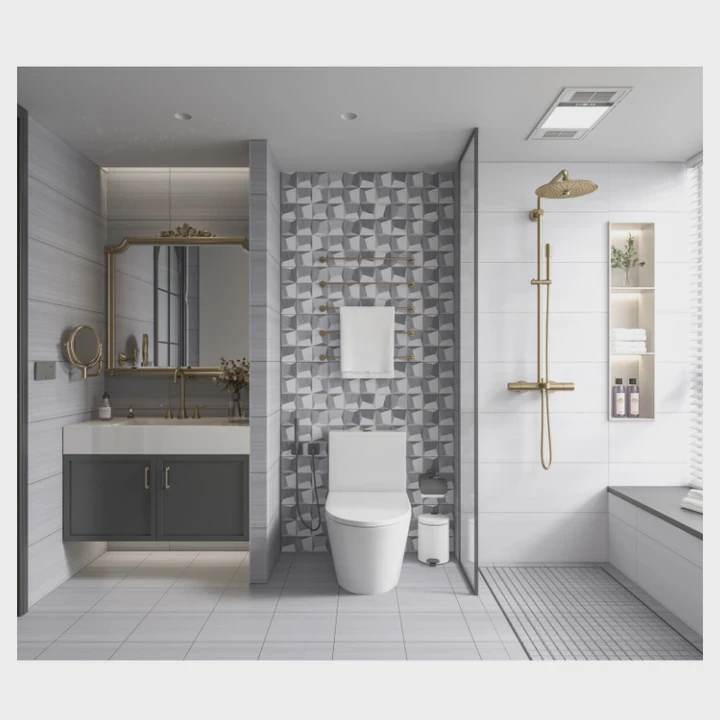
| Bathroom Walls | Light weight and decoration | Ceramic |
| Living Room Floors | Wear resistance | Porcelain |
| Outdoor Areas | Frost resistance | Full-body porcelain |
| Swimming Pools | Water resistance | Glass mosaic |
| Commercial Buildings | Heavy-duty durability | Polished porcelain |
Material selection is not only about beauty. It is mainly about long-term performance and installation conditions.
Climate Also Changes Material Choice
Cold countries often require frost-resistant porcelain. Hot climates may focus more on heat resistance and color stability.
Large commercial projects also prefer stable raw materials because color consistency becomes very important across large quantities.
Which Materials Offer the Best Performance for Tiles?
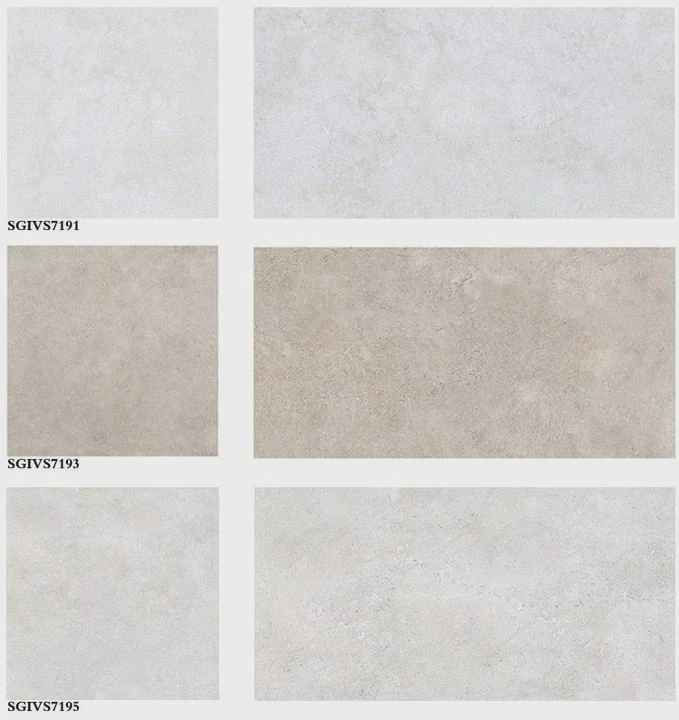
Many buyers search for the “best” tile material. Later, they realize there is no single perfect option for every project or market.
Porcelain materials usually offer the best overall tile performance because they provide high density, low water absorption, strong durability, and long service life. However, different applications may require different materials.
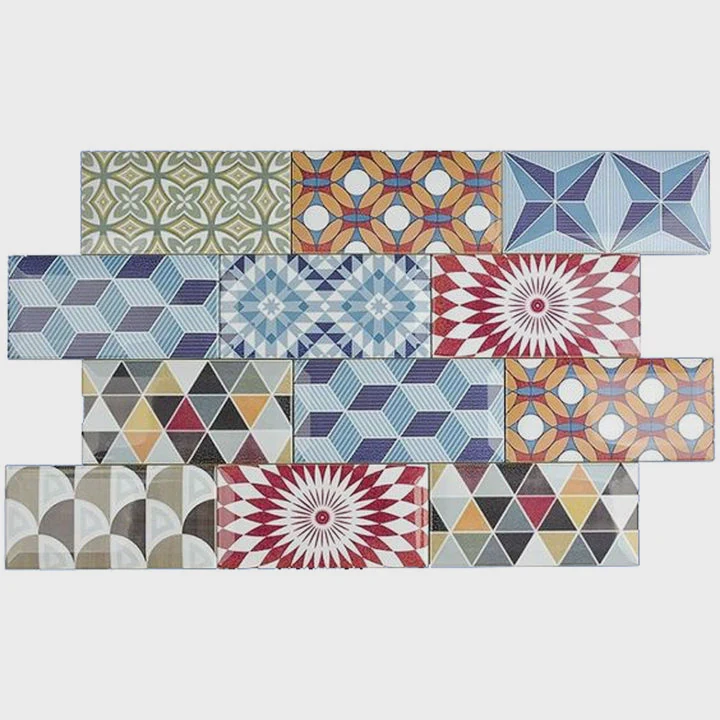
Performance depends on where and how the tile will be used. A luxury hotel lobby and a residential bathroom do not need the same specifications.
Porcelain Delivers the Strongest Overall Balance
Porcelain tiles are widely considered premium products because of their compact structure.
Their advantages include:
- Water absorption below 0.5%
- Excellent wear resistance
- High load-bearing strength
- Better stain resistance
- Long lifespan
This is why porcelain dominates many commercial and export markets.
Full-Body Porcelain Performs Better in Heavy Traffic
Full-body porcelain has consistent color throughout the tile body. Even if the surface wears down, the internal color remains similar.
This makes it suitable for:
- Airports
- Shopping malls
- Public buildings
- Industrial areas
Glazed Porcelain Combines Design and Durability
Glazed porcelain adds decorative flexibility while maintaining strong performance.
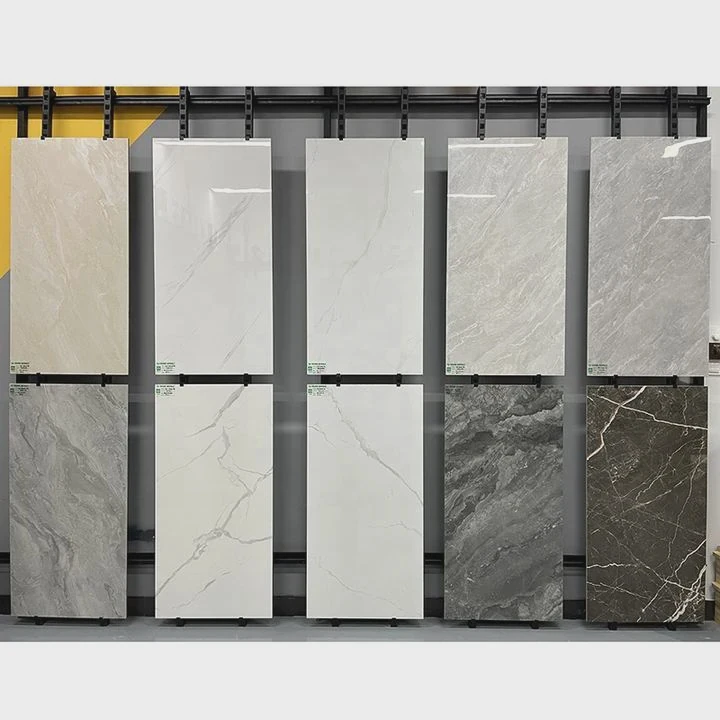
Modern digital glazing can imitate:
- Marble
- Wood
- Cement
- Natural stone
This category is now one of the fastest-growing tile segments worldwide.
Ceramic Tiles Still Offer Good Value
Ceramic tiles remain popular because they are affordable and easy to install.
They work well in:
- Residential walls
- Light-use spaces
- Decorative applications
For many importers, ceramic tiles still provide strong business opportunities because of lower production costs.
Glass Mosaic Performs Best in Wet Areas
Glass mosaics resist water very well. Their reflective surfaces also create bright visual effects.
They are commonly used in:
- Swimming pools
- Spa projects
- Shower walls
- Decorative accents
Performance Depends on Multiple Factors
The best tile material also depends on:
- Installation quality
- Maintenance
- Surface finish
- Tile thickness
- Traffic level
A high-quality porcelain tile installed poorly may still fail early.
Buyers Should Match Material to Project Goals
Here is a practical comparison:
| Material | Best Advantage | Typical Use |
|---|---|---|
| Porcelain | High durability | Commercial flooring |
| Ceramic | Cost efficiency | Interior walls |
| Glass Mosaic | Water resistance | Pools and spas |
| Rustic Tile | Slip resistance | Outdoor spaces |
| Polished Tile | Luxury appearance | Hotel lobbies |
Experienced buyers usually focus on long-term value instead of only initial pricing. Stronger materials often reduce maintenance and replacement costs over time.
Conclusion
Tiles are made from carefully selected natural minerals, but raw materials alone do not decide quality. Manufacturing methods, firing temperatures, and material formulas all work together to shape durability, appearance, and long-term performance.