What Is Backsplash Tile?
- Sinotiles
- 2026-06-11
Many homeowners focus on floors and countertops but overlook the wall space behind sinks and stoves. Without proper protection, these areas can quickly become stained, damaged, and difficult to clean.
A backsplash tile is a decorative and protective wall covering installed behind kitchen or bathroom countertops. Its main purpose is to shield walls from water, grease, food splashes, and daily wear while enhancing the overall design of the space.
A backsplash may cover only a small section of wall, yet it plays a major role in both function and appearance. From simple ceramic tiles to large-format porcelain slabs, backsplash materials can transform an ordinary kitchen into a more practical and attractive space.
What Is the Purpose of Backsplash Tiles?
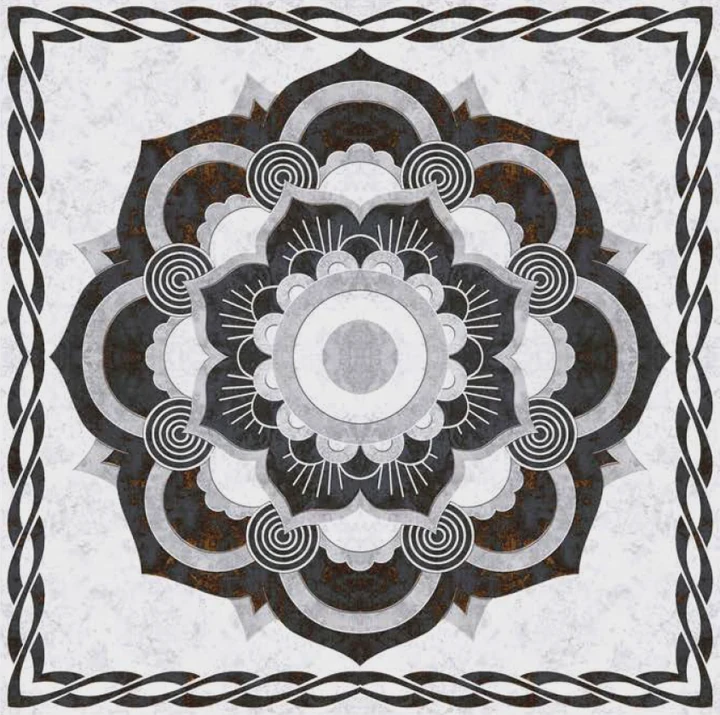
Water stains, cooking oil, and food splashes can quickly damage painted walls. Many property owners discover this problem only after discoloration and maintenance issues appear.
The primary purpose of backsplash tiles is to protect walls from moisture, grease, stains, and heat exposure. At the same time, backsplash tiles add visual appeal and help create a finished, professional-looking kitchen or bathroom design.
When people hear the term “backsplash,” they often think only about decoration. In reality, protection is the main reason backsplash tiles became popular in kitchens and bathrooms.
Wall Protection
Kitchen activities create constant exposure to:
- Water
- Steam
- Oil
- Food residue
- Cleaning chemicals
Without a protective surface, painted drywall can absorb moisture and become damaged over time.
A tiled backsplash creates a barrier between the wall and these daily hazards.
Easier Cleaning
One of the biggest advantages of backsplash tiles is simple maintenance.
Consider the area behind a cooktop. During cooking, oil droplets and food particles frequently reach the wall surface.
Cleaning painted walls can be difficult because stains may penetrate the finish.
Tile surfaces are different.
Most backsplash tiles can be cleaned using:
- Mild detergent
- Warm water
- Soft cloths
- Non-abrasive cleaners
This makes regular maintenance much easier.
Moisture Resistance
The area behind sinks experiences frequent water exposure.
Over time, repeated moisture can cause:
- Paint peeling
- Mold growth
- Wall staining
- Surface deterioration
Properly installed backsplash tiles help prevent these issues by creating a water-resistant surface.
Heat Protection
Backsplashes also provide additional protection near cooking areas.
While tiles are not designed to replace fire-resistant building materials, many ceramic and porcelain products tolerate normal kitchen heat better than painted walls.
This makes them a practical choice behind ranges and cooktops.
Design Enhancement
Beyond protection, backsplash tiles contribute significantly to interior design.
They can:
- Add texture
- Introduce color
- Create focal points
- Complement countertops
- Connect design elements
Many designers use backsplash areas to introduce personality without overwhelming the entire room.
Long-Term Value
Over the years, many property owners discover that a quality backsplash reduces maintenance costs.
A protected wall generally requires:
- Less repainting
- Fewer repairs
- Less cleaning effort
Because of these benefits, backsplash tiles remain one of the most practical upgrades for kitchens and bathrooms.
How Are Backsplash Tiles Installed in Kitchens?
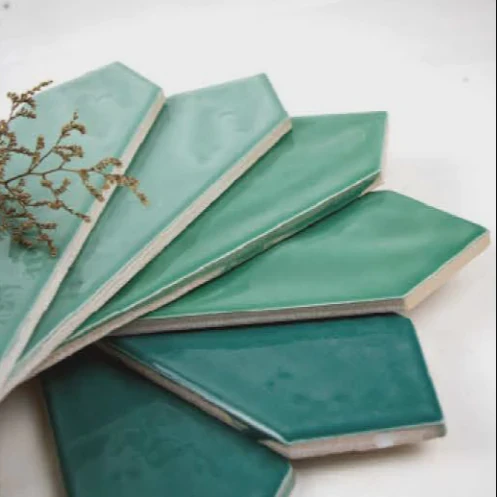
A beautiful backsplash starts with proper installation. Even high-quality tiles can look poor if the surface preparation and layout are not handled correctly.
Backsplash tiles are typically installed by preparing the wall, planning the layout, applying adhesive, setting the tiles, adding grout, and sealing the finished surface when necessary. Proper installation ensures durability, appearance, and long-term performance.
The installation process may appear simple, but several steps determine the final result.
Step 1: Prepare the Wall
The wall must be clean and stable before installation begins.
Installers usually remove:
- Dust
- Grease
- Loose paint
- Debris
The surface should be flat and dry.
Uneven walls can create alignment problems during installation.
Step 2: Measure the Area
Accurate measurements help determine:
- Tile quantity
- Layout positioning
- Cutting requirements
A well-planned layout reduces visible mistakes and creates a balanced appearance.
Many professional installers establish center lines before placing any tile.
Step 3: Dry Layout Planning
Before adhesive is applied, tiles are often positioned temporarily.
This step helps identify:
- Edge cuts
- Pattern alignment
- Outlet locations
- Corner transitions
Good planning prevents awkward tile sizes at the ends of a backsplash.
Step 4: Apply Adhesive
Tile adhesive or thin-set mortar is spread onto the wall using a notched trowel.
The trowel creates ridges that improve bonding.
Different tile types may require different adhesive products.
Step 5: Set the Tiles
Tiles are pressed firmly into the adhesive.
Spacers are commonly used to maintain consistent grout joints.
Installers continuously check:
- Alignment
- Levelness
- Pattern consistency
Small adjustments during installation help avoid larger problems later.
Step 6: Cutting Around Obstacles
Kitchen backsplashes often contain:
- Electrical outlets
- Switches
- Windows
- Cabinets
Tiles near these features require precise cutting.
Accurate cuts contribute greatly to a professional appearance.
Step 7: Grouting
After the adhesive cures, grout is applied between the tiles.
Grout serves several functions:
| Function | Benefit |
|---|---|
| Joint filling | Stabilizes tile layout |
| Moisture resistance | Helps reduce water penetration |
| Appearance | Creates a finished look |
| Flexibility | Accommodates minor movement |
Excess grout is removed before curing.
Step 8: Final Cleaning and Sealing
Some tile and grout types benefit from sealing.
Sealers can improve:
- Stain resistance
- Water resistance
- Ease of cleaning
The final cleaning reveals the completed backsplash design.
A properly installed backsplash can remain attractive and functional for many years with minimal maintenance.
Why Choose Tile for Backsplash Areas?

Many materials can be used behind countertops, including paint, glass, metal, and stone. However, tile continues to dominate the market because it balances cost, durability, and design flexibility.
Tile is a popular backsplash material because it is durable, easy to clean, moisture-resistant, cost-effective, and available in a wide range of colors, textures, sizes, and styles.
Choosing the right backsplash material affects both appearance and long-term maintenance.
Durability
Kitchen walls experience daily wear.
Backsplash tiles resist:
- Scratches
- Moisture
- Heat
- Household cleaning products
This durability makes tile a practical investment.
Porcelain and ceramic products are especially popular because they perform well in demanding environments.
Design Flexibility
Tile offers one of the largest design selections available.
Common options include:
- Glossy finishes
- Matte finishes
- Textured surfaces
- Stone-look designs
- Marble-look designs
- Wood-look styles
This variety allows homeowners and designers to match almost any interior concept.
Cost Efficiency
Tile solutions are available across many budget levels.
Basic ceramic products provide economical choices.
Premium options include:
- Large-format porcelain
- Decorative mosaics
- Designer collections
This broad price range makes tile accessible for both budget and luxury projects.
Easy Maintenance
A backsplash should simplify cleaning rather than create additional work.
Tile surfaces are generally easy to maintain.
Most everyday spills can be removed quickly.
Common kitchen contaminants include:
- Cooking oil
- Coffee
- Sauce splashes
- Water spots
Quality tile surfaces handle these challenges well.
Moisture Protection
Water exposure is unavoidable near sinks and food preparation areas.
Tile creates a protective layer that helps reduce moisture-related damage.
This protection contributes to longer wall life and lower maintenance requirements.
Compatibility with Modern Designs
One reason many designers continue choosing tile is its versatility.
Tile works well with:
- Contemporary kitchens
- Traditional kitchens
- Industrial interiors
- Scandinavian styles
- Luxury residential projects
Few materials offer such broad compatibility.
Comparison of Common Backsplash Materials
| Material | Durability | Maintenance | Design Variety |
|---|---|---|---|
| Tile | High | Easy | Very High |
| Paint | Low | Moderate | Moderate |
| Stainless Steel | High | Moderate | Limited |
| Glass Panels | High | Easy | Moderate |
| Natural Stone | High | Moderate | High |
When evaluating functionality, aesthetics, and cost together, tile often provides the most balanced solution for backsplash applications.
Which Styles Are Popular for Backsplash Tiles?
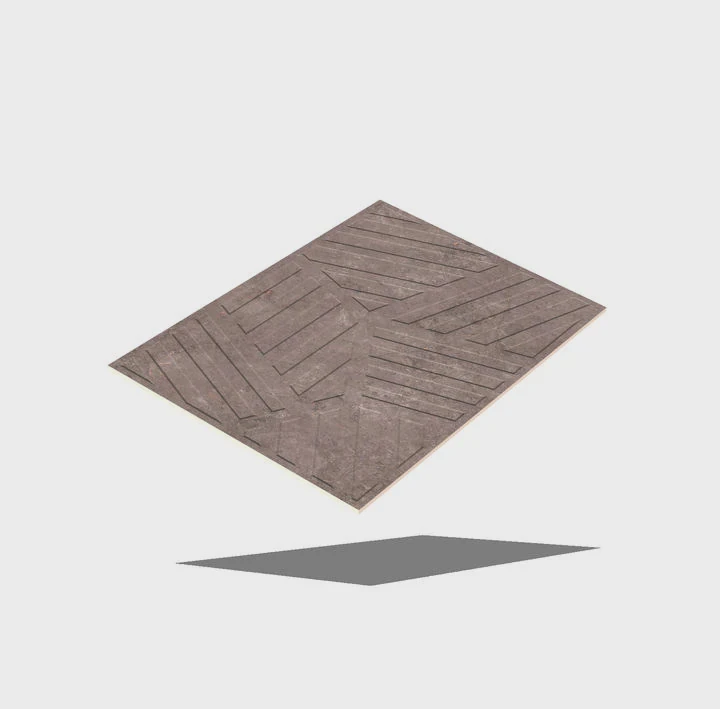
Backsplash trends continue to evolve as homeowners seek designs that combine practicality with visual impact. Choosing the right style can dramatically change the character of a kitchen.
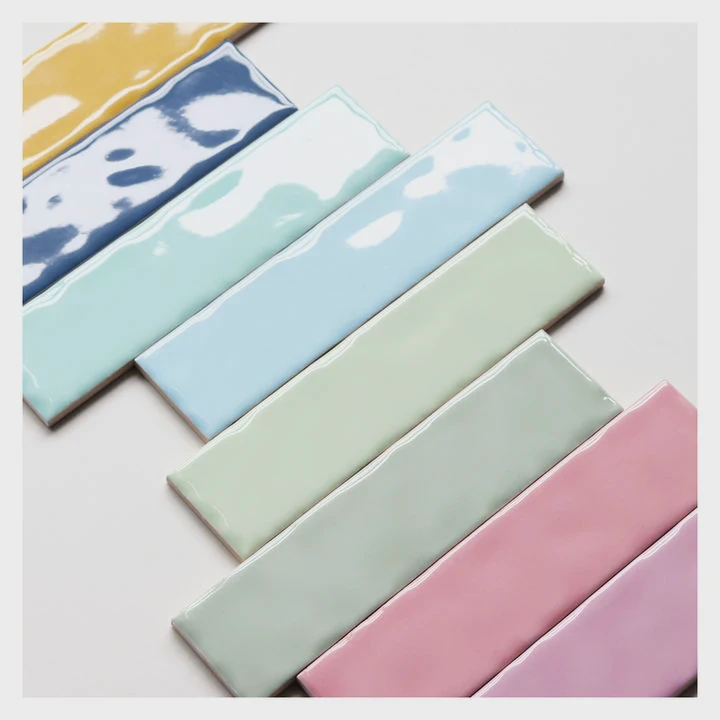
Popular backsplash tile styles include subway tiles, marble-look porcelain, mosaic tiles, large-format tiles, geometric patterns, and natural stone-inspired designs. Each style offers unique visual and functional benefits.
The growing variety of tile designs gives homeowners more creative freedom than ever before.
Subway Tiles
Subway tiles remain one of the most widely used backsplash options.
Their popularity comes from:
- Clean appearance
- Affordable cost
- Timeless design
- Easy maintenance
Common layouts include:
- Horizontal brick pattern
- Vertical stack pattern
- Herringbone arrangement
These simple tiles work well in both modern and traditional spaces.
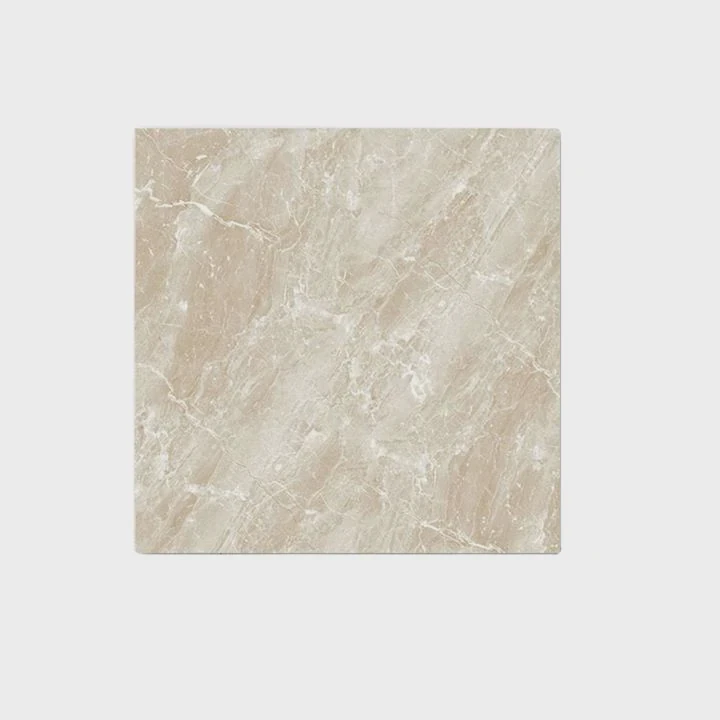
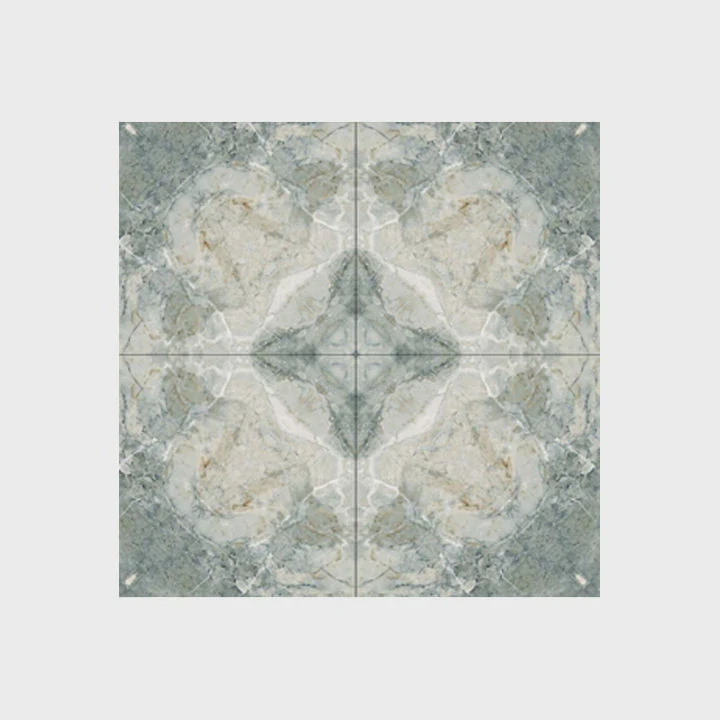
Marble-Look Porcelain Tiles
Many homeowners love the appearance of marble but prefer easier maintenance.
Marble-look porcelain provides:
- Elegant veining
- Lower maintenance
- Better stain resistance
- Competitive pricing
This style remains highly popular in upscale residential projects.
Mosaic Tiles
Mosaic backsplashes create visual texture and detail.
Popular materials include:
- Glass
- Porcelain
- Ceramic
- Stone blends
Mosaics are frequently used as accent areas behind cooktops.
Large-Format Tiles
Large-format porcelain tiles have gained significant attention in recent years.
Benefits include:
- Fewer grout joints
- Cleaner appearance
- Modern aesthetics
- Easier cleaning
Many designers use sizes such as:
- 600x1200mm
- 750x1500mm
- 900x1800mm
These larger formats create a seamless look.
Geometric Patterns
Geometric designs bring personality to a space.
Popular shapes include:
- Hexagons
- Diamonds
- Chevron patterns
- Arabesque designs
These styles often become the focal point of the kitchen.
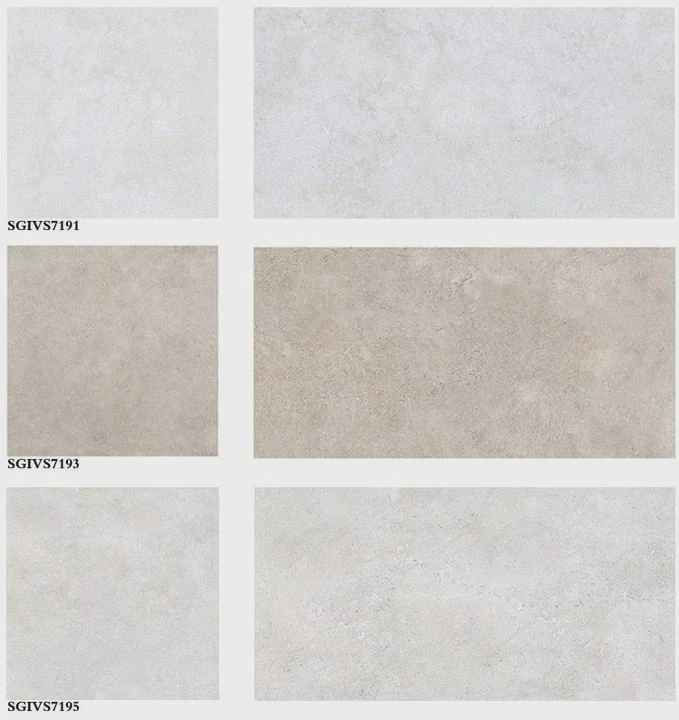
Natural Stone Looks
Natural materials continue to influence design trends.
Tile manufacturers now produce realistic reproductions of:
- Marble
- Travertine
- Slate
- Limestone
These products deliver the appearance of natural stone while offering easier maintenance.
Color Trends
Current backsplash color trends include:
- White
- Gray
- Beige
- Black
- Earth tones
Neutral colors remain popular because they pair well with a wide range of cabinet and countertop styles.
Choosing the Right Style
The best backsplash style depends on several factors:
- Kitchen size
- Cabinet color
- Countertop material
- Lighting conditions
- Budget
- Personal taste
Many successful projects focus on creating balance rather than following short-term trends.
A backsplash should enhance the overall design rather than compete with other elements in the room. When style, function, and durability are considered together, tile remains one of the most versatile choices available.
Conclusion
Backsplash tiles protect walls from moisture, grease, stains, and daily wear while adding beauty and value to kitchens and bathrooms. With countless materials, colors, patterns, and installation options available, tile remains one of the most practical and stylish solutions for modern interior spaces.