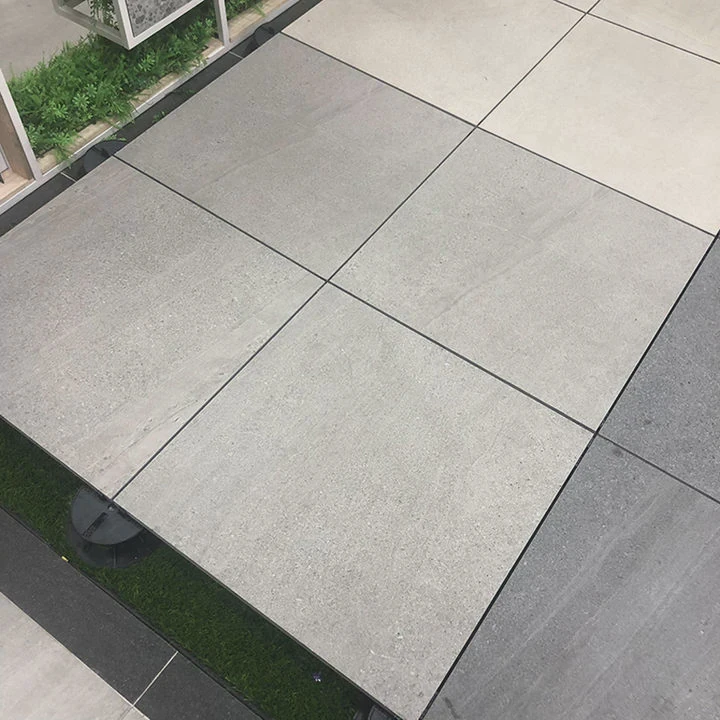
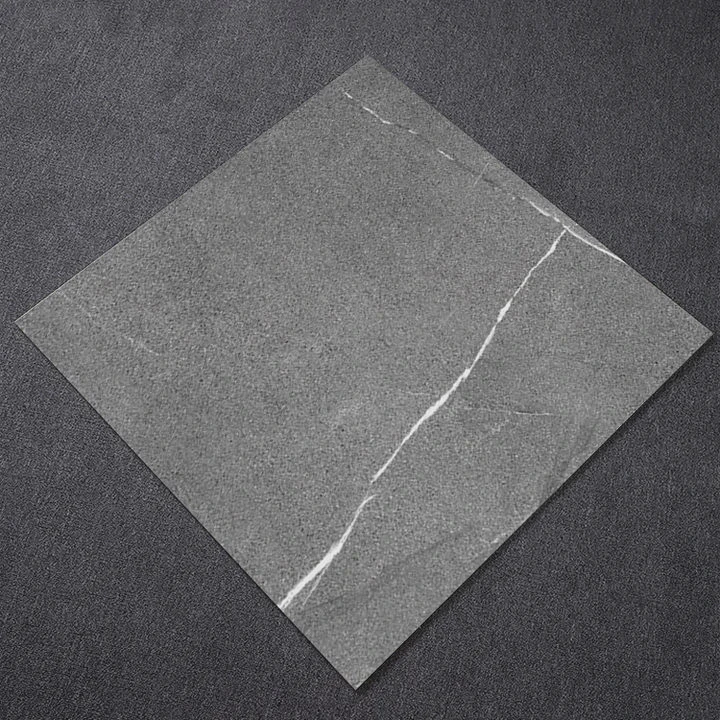
What is carpet tile?
- Sinotiles
- 2026-07-15
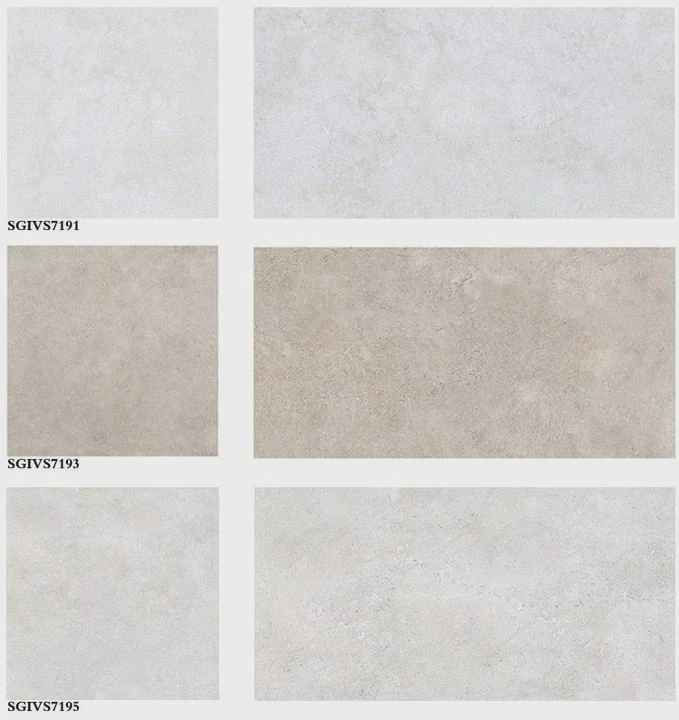
Carpet flooring often creates problems in maintenance and replacement, and this leads to higher long-term cost for many spaces.
Carpet tile offers a modular solution that allows easier installation, repair, and design flexibility in modern flooring systems.
This article explains how carpet tile works, where it is used, and why it is often chosen instead of traditional carpet.
What are carpet tiles used for in flooring?
Carpet tiles are used to create modular flooring systems that are easy to install, replace, and maintain in both commercial and residential spaces.
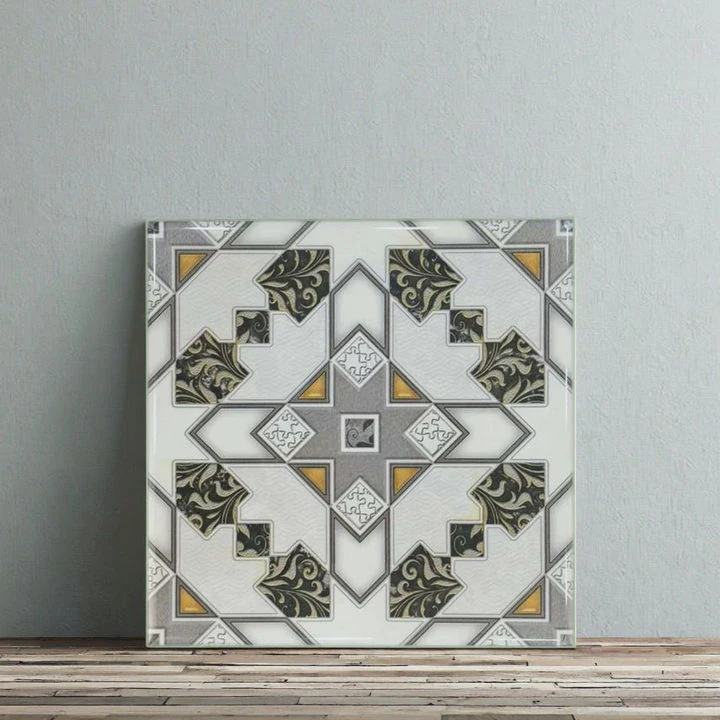
Carpet tiles are mainly used for offices, hotels, schools, and homes where easy maintenance and flexible design are needed. They replace wall-to-wall carpet in many modern interiors.
Carpet tiles are widely used in modern flooring systems because they support flexible design and easy maintenance. Many building owners choose them for spaces with high foot traffic. The main value comes from simple replacement. A single damaged tile can be replaced without touching the full floor. This reduces downtime and cost. Carpet tiles also support pattern design. Different colors and textures can be combined to create visual layouts. This is useful in offices that want branding on the floor.
Common use cases
- Office flooring systems
- Hotel corridors and rooms
- School classrooms and libraries
- Residential living spaces
- Exhibition and retail areas
Use case comparison table
| Environment | Main benefit | Reason for use |
|---|---|---|
| Offices | Easy maintenance | High foot traffic areas |
| Hotels | Design flexibility | Premium interior appearance |
| Schools | Durability | Frequent movement of people |
| Retail stores | Fast replacement | Damage control and updates |
Carpet tiles also help reduce waste during renovation. Traditional carpets often require full removal. Carpet tiles allow partial replacement. This makes them more sustainable. Many companies also choose them for cost control. The installation process is faster, so labor cost is lower. In large buildings, this difference becomes important.
Another important point is acoustic control. Carpet tiles help reduce noise in busy environments. Offices benefit from this feature because sound control improves focus. Hotels also use them to reduce hallway noise. The material structure helps absorb sound better than hard flooring.
Design flexibility is another reason for usage. Many architects use carpet tiles to create zones inside a space. Different colors can define work areas, meeting zones, or walkways. This makes the floor part of the design system instead of just a surface.
How are carpet tiles installed efficiently?
Carpet tiles are installed efficiently using a grid layout system that allows fast placement without glue or complex tools.
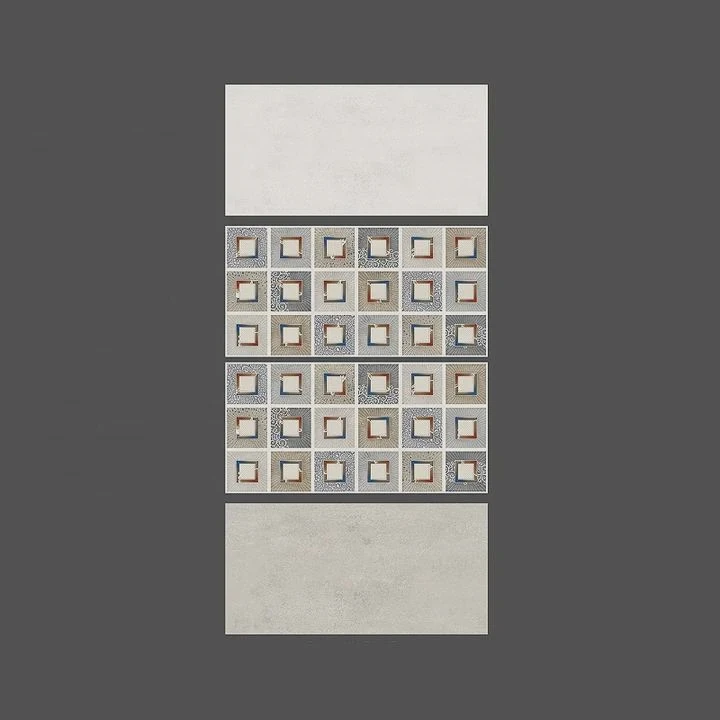
Installation is simple and usually follows a dry-lay or peel-and-stick method, which makes the process faster than traditional carpet installation.
Carpet tile installation is designed to reduce labor time and simplify the process. Most systems use a grid layout. The installer marks a center point and starts placing tiles outward. This method ensures alignment and symmetry. The floor does not require full adhesive in many cases. Some tiles use backing systems that stick lightly to the surface. This allows easy removal later.
Installation steps
- Prepare and clean the subfloor
- Mark center lines for alignment
- Lay tiles in a grid pattern
- Press tiles firmly into place
- Cut edge tiles for fitting
The process is efficient because it does not require large rolls of material. Each tile is handled separately. This reduces physical effort and waste. It also allows installation in small sections. Large buildings can remain partially open during installation, which reduces downtime.
Carpet tile installation also supports replacement efficiency. If a tile is damaged, only that tile is removed. This avoids full floor disruption. Maintenance teams often keep extra tiles for future repairs.
The subfloor condition is important. A flat and clean surface ensures better adhesion and alignment. Dust or uneven surfaces may cause gaps between tiles. Professional installers always check moisture levels before starting.
Efficiency comparison
| Factor | Carpet Tiles | Traditional Carpet |
|---|---|---|
| Installation time | Fast | Slow |
| Tools required | Minimal | Heavy equipment |
| Repair process | Individual tiles | Full section |
| Waste level | Low | High |
Carpet tiles also support phased installation. Large projects can be completed area by area. This is useful in office buildings that cannot close completely. Teams can install one floor at a time without stopping operations.
Why choose carpet tiles over traditional carpets?
Carpet tiles are often chosen over traditional carpets because they offer better flexibility, lower maintenance cost, and easier replacement options.
Carpet tiles provide modular benefits that traditional carpets cannot offer, especially in repair, design flexibility, and long-term cost control.
Carpet tiles provide many advantages compared to traditional wall-to-wall carpets. One of the main reasons is repair efficiency. Traditional carpet requires cutting and re-stretching when damaged. Carpet tiles only require replacing one piece. This reduces time and cost. Another reason is design control. Carpet tiles allow mixing colors and patterns easily. Traditional carpet comes in fixed designs.
Carpet tiles also support better lifecycle management. In high-traffic areas, wear happens in specific zones. Carpet tiles allow those zones to be replaced without affecting the rest of the floor. This improves long-term appearance. Maintenance teams prefer this system because it reduces full-floor maintenance.
Key comparison table
| Feature | Carpet Tiles | Traditional Carpet |
|---|---|---|
| Repair method | Replace single tile | Replace full section |
| Design options | High flexibility | Limited patterns |
| Installation | Modular system | Continuous roll |
| Maintenance | Easy and fast | Time-consuming |
Carpet tiles also support better sustainability. Less material is wasted during replacement. This helps reduce environmental impact. Many companies now include sustainability in their building standards.
Cost control is another major reason. Although initial cost may be similar, long-term cost is lower for carpet tiles. Labor cost for repair is also reduced. In large buildings, this difference becomes significant over time.
Another benefit is mobility. Office layouts often change. Carpet tiles can be lifted and reused when spaces are redesigned. Traditional carpets cannot support this level of flexibility. This makes carpet tiles more suitable for modern dynamic workspaces.
Which environments benefit from carpet tile flooring?
Carpet tile flooring benefits environments with high traffic, frequent layout changes, and strong maintenance requirements such as offices, schools, hotels, and commercial spaces.

Carpet tiles perform best in environments where durability, flexibility, and easy maintenance are required for daily operations.
Carpet tiles are widely used in environments that need durability and flexibility. Offices are one of the most common users. Workspaces change often, and carpet tiles allow quick adjustments. Schools also benefit because classrooms experience heavy daily use. Damage can be repaired quickly without closing the entire room.
Hotels use carpet tiles in corridors and rooms. The reason is simple maintenance and design consistency. If one area is damaged, it can be fixed without disturbing guests. Retail stores also benefit from fast replacement. High foot traffic causes wear, and carpet tiles help maintain appearance.
Environment suitability overview
| Environment | Reason for benefit | Performance advantage |
|---|---|---|
| Offices | Layout flexibility | Easy redesign |
| Hotels | Fast maintenance | Guest comfort |
| Schools | Heavy usage | Durable surface |
| Retail stores | Visual appearance | Quick replacement |
Carpet tiles also work well in public buildings such as airports and libraries. These places require noise control and strong durability. Carpet tiles help reduce sound levels while handling large crowds.
Healthcare facilities also use carpet tiles in certain areas. Cleanability and replacement speed are important. While not used in all medical zones, they support waiting areas and offices.
Another important factor is climate adaptation. Carpet tiles perform well in both warm and cool environments. They help regulate floor comfort and reduce echo in large open areas.
Many modern architects choose carpet tiles because they support long-term building flexibility. As buildings change over time, flooring must adapt. Carpet tiles allow this adaptation without full renovation. This makes them a practical solution for many industries.
Conclusion
Carpet tiles offer flexible, durable, and cost-efficient flooring solutions for modern spaces. Their modular design supports easy installation, repair, and design freedom across many environments.