What Is Field Tile?
- Sinotiles
- 2026-06-11
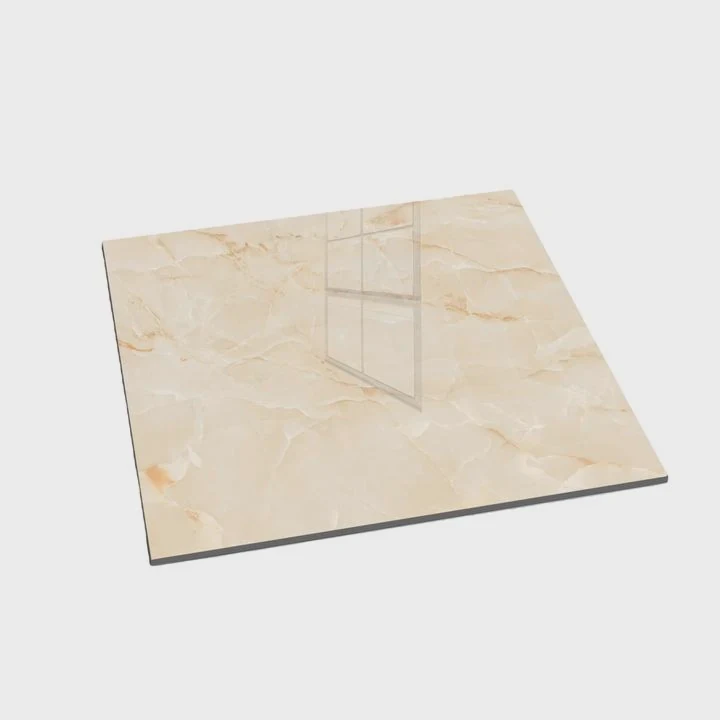
Many people get confused when shopping for tiles. They see beautiful designs but don’t know what “field tile” really means. Using the wrong type can ruin a project.
Field tile is the standard, primary tile used to cover most of a wall or floor surface. It is usually simple, uniform, and versatile, forming the main area of the installation.
Understanding field tile is essential for both homeowners and professionals. Choosing the right type impacts cost, aesthetics, and ease of installation.
How Is Field Tile Different From Decorative Tiles?
People often mix field tiles and decorative tiles, thinking they are the same. The difference is more than just design.
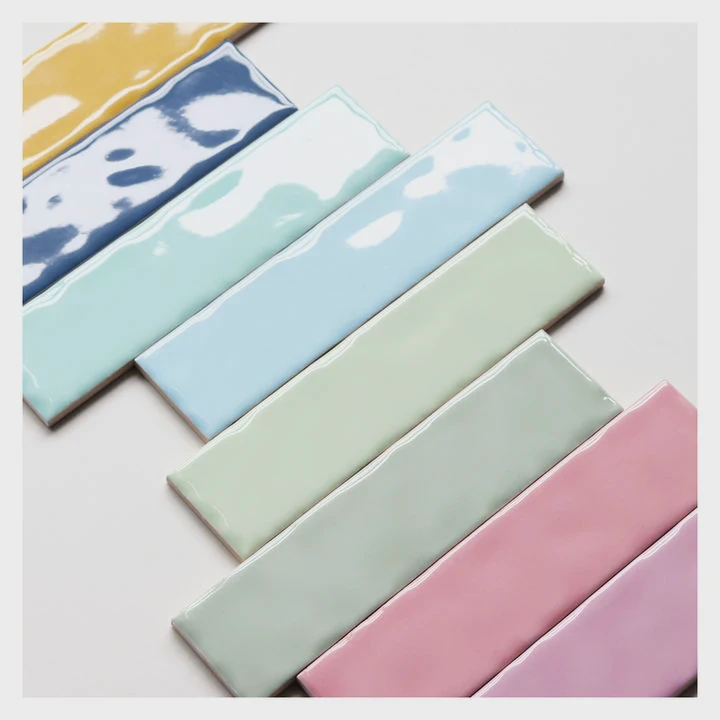
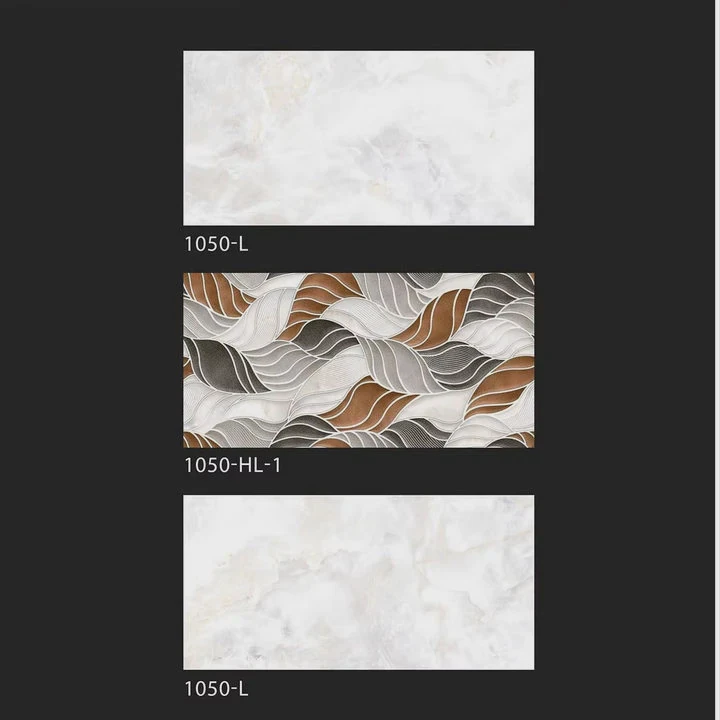
Field tile is usually plain or subtly textured, covering large areas. Decorative tiles are smaller, patterned, or highly styled, used as accents or borders.
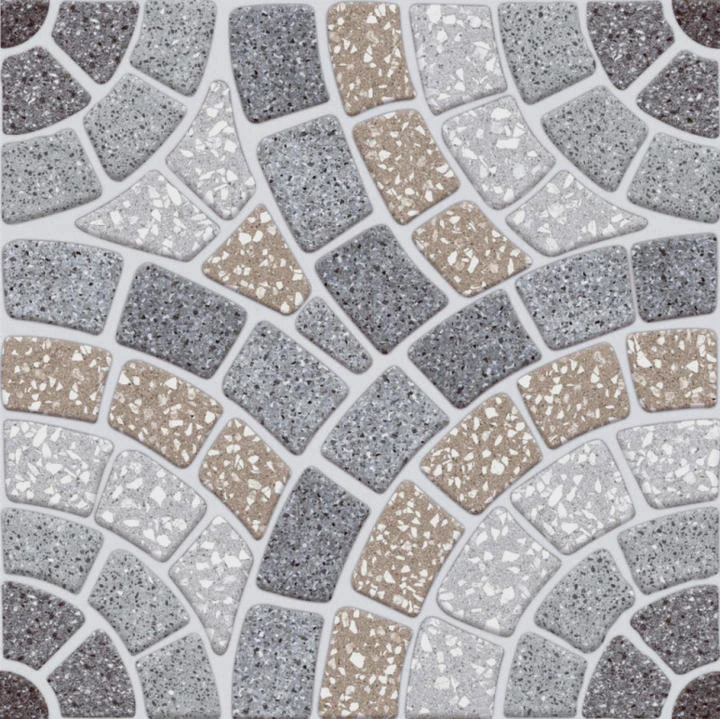
Core Differences
| Feature | Field Tile | Decorative Tile |
|---|---|---|
| Size | Large, standard | Small, accent sizes |
| Pattern | Minimal or plain | Patterned, colorful |
| Purpose | Cover main surfaces | Highlight or create visual interest |
| Installation | Repetitive layout | Used sparingly |
| Cost per tile | Usually lower | Often higher |
Field tile provides a consistent look and durability across a room. Decorative tiles are more expensive and focus on style.
Practical Examples
- Bathroom wall: White subway field tiles cover most of the wall. A decorative mosaic strip adds interest.
- Kitchen backsplash: Neutral field tiles form the base. Patterned tiles accent the counter area.
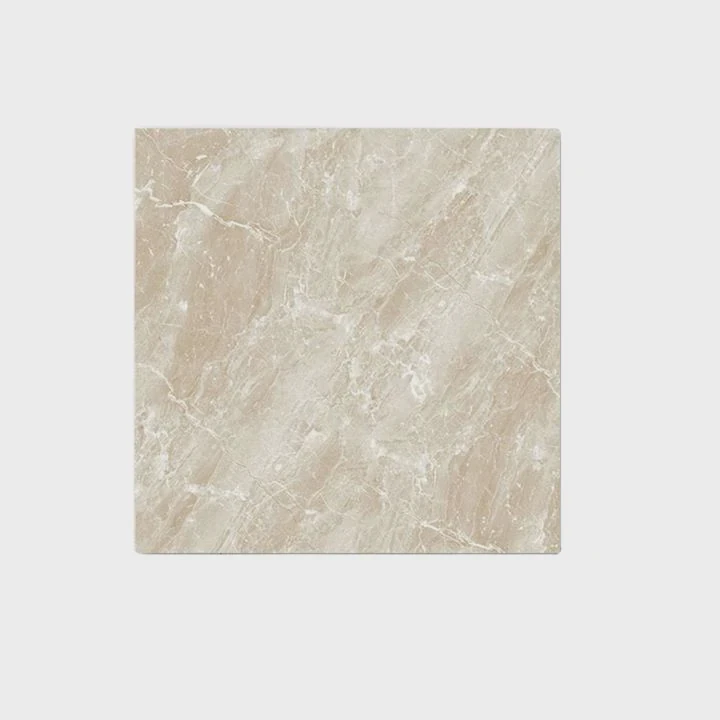
- Living room floor: Large beige field tiles give a uniform look. Small decorative insets create a focal point.
Why People Confuse Them
Sometimes decorative tiles are also used in large quantities. If all tiles are patterned, it can appear as a full field tile installation. The key is function: field tiles are designed for area coverage, not just beauty.
Material Considerations
Field tiles are usually durable and easy to maintain. Common materials include:
- Porcelain
- Ceramic
- Natural stone
- Vinyl (for commercial or residential flooring)
Decorative tiles may use the same materials but often include glass, metallic accents, or special glazes, making them less practical for large coverage.
Where Is Field Tile Commonly Used in Projects?
Field tiles are versatile. They appear in almost every type of residential or commercial project.
Field tiles are used on floors and walls where large, uniform surfaces are needed. They appear in kitchens, bathrooms, lobbies, hallways, and commercial spaces.
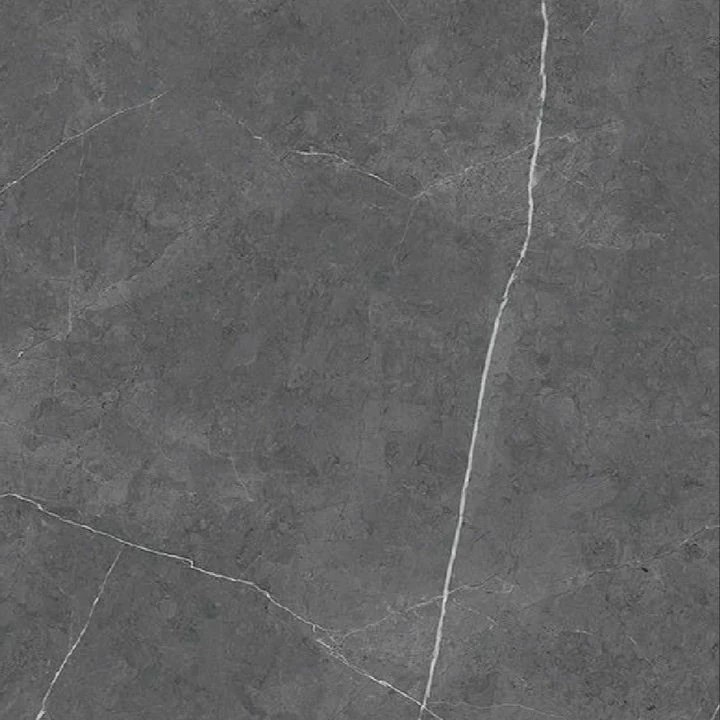
Typical Applications
- Residential bathrooms: Cover entire shower walls or bathroom floors.
- Kitchen floors and backsplashes: Provide a consistent base layer.
- Commercial lobbies and offices: Durable porcelain field tiles handle high foot traffic.
- Retail stores and restaurants: Large tiles for easy cleaning and uniform aesthetics.
Benefits of Field Tile in Projects
- Cost-effective: Less expensive than decorative tiles per square foot.
- Durable: Withstands traffic and cleaning.
- Easy installation: Straightforward layout minimizes mistakes.
- Flexible design: Works with accent tiles or patterns.
Residential vs. Commercial Use
| Space Type | Example | Reason for Field Tile |
|---|---|---|
| Residential | Bathroom walls | Large coverage, simple design |
| Residential | Kitchen floors | Easy to clean, durable |
| Commercial | Hotel lobby | High traffic durability |
| Commercial | Office floor | Simple and neutral aesthetic |
Field tiles are usually selected first. Accent or decorative tiles are added later to create style, borders, or focal points.
Why Choose Field Tile for Large Surfaces?
Covering large areas with decorative tiles is expensive and complicated. Field tiles provide a practical solution.
Field tiles are ideal for large surfaces because they are uniform, easier to install, and cost-effective while providing a clean, continuous look.
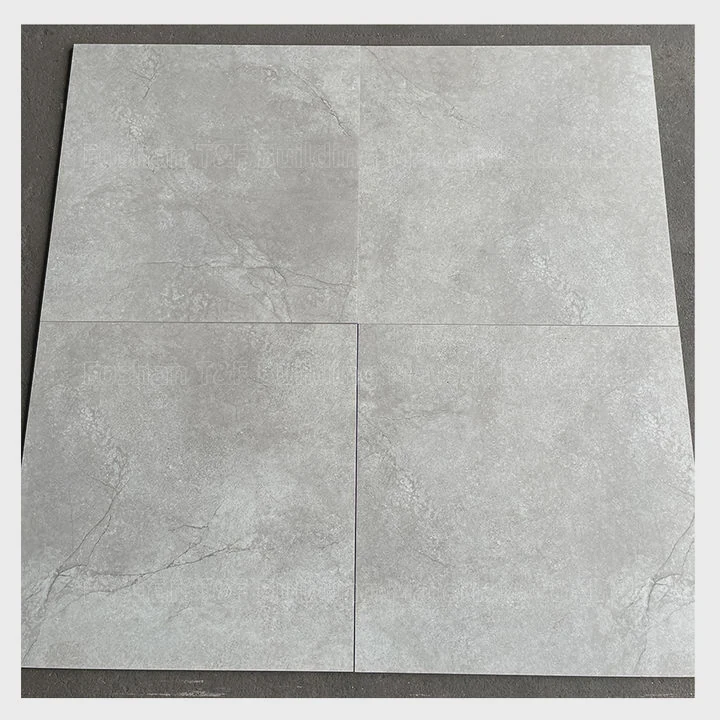
Advantages for Large Spaces
Cost Savings
Field tiles are generally less expensive. Large rooms require many tiles, so choosing a practical option reduces total cost.
Simplicity of Installation
Large areas covered with the same tile minimize cutting and fitting time. Installers can work faster and with fewer mistakes.
Uniform Aesthetic
Field tiles provide consistency across walls and floors. Large spaces look balanced and professional. Repeating patterns create a calm and neutral effect.
Durability and Maintenance
Field tiles are often designed for high performance. They resist:
- Scratches
- Moisture
- Heavy foot traffic
- Cleaning chemicals
This makes them ideal for kitchens, bathrooms, commercial halls, and other large surfaces.
Recommended Tile Sizes
| Room Size | Recommended Field Tile Size |
|---|---|
| Small bathroom | 4” x 4” to 6” x 6” |
| Medium kitchen | 12” x 12” |
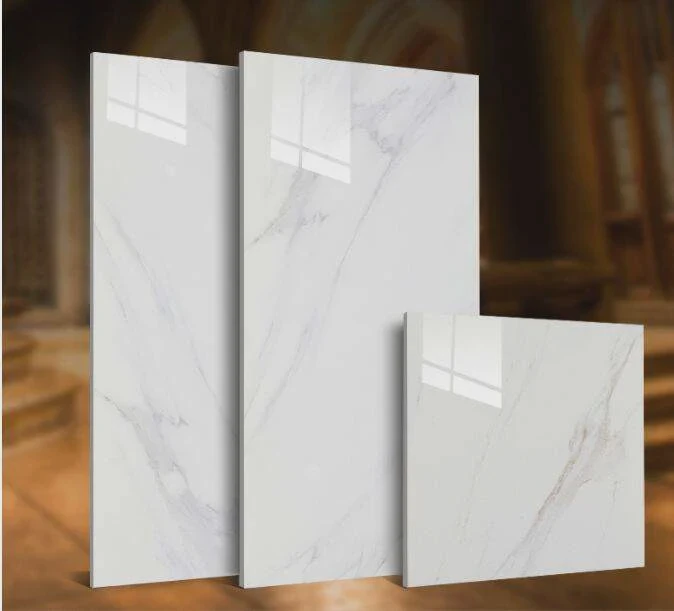
| Large living room | 18” x 18” to 24” x 24” |
| Commercial hall | 24” x 24” or larger |
Larger tiles reduce grout lines and make cleaning easier. Smaller tiles may be chosen for design effects or irregular spaces.
Color and Finish Considerations
- Neutral tones are common for field tiles.
- Matte finishes reduce slip risk in floors.
- Gloss finishes work well for walls.
- Consistent texture helps create seamless large areas.
Can Field Tile Be Combined With Accent Tiles?
Field tiles rarely appear alone in a finished project. Accent tiles add style and interest to the space.
Yes, field tiles can be combined with accent or decorative tiles to create patterns, borders, or focal points while maintaining overall uniformity.
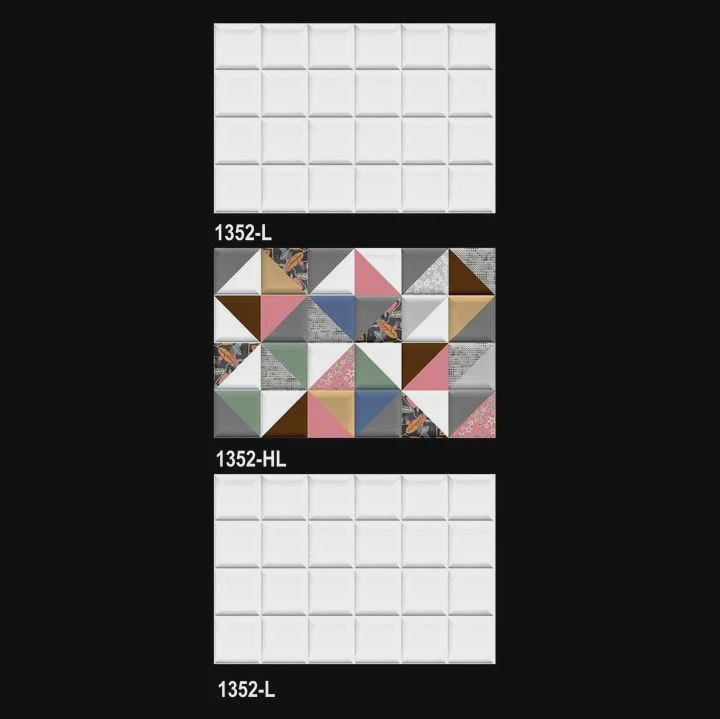
Methods for Combining Tiles
Borders
Accent tiles create lines or edges around a room.
- Baseboards or chair rails in bathrooms
- Countertop backsplash edges in kitchens
Inlays
Small decorative patterns inside field tiles can break monotony.
- Geometric shapes
- Color contrasts
- Mosaic inserts
Patterns
Combining accent tiles in repeating intervals with field tiles creates a rhythm.
- Horizontal or vertical stripes
- Diamond patterns
- Checkerboard effects
Practical Example
- Field tile: White 12” x 12” ceramic
- Accent tile: Blue 4” x 4” mosaic
- Layout: One row of accent tiles every five rows of field tiles on bathroom wall
This layout keeps the space simple yet visually interesting.
Design Tips
- Use accent tiles sparingly to avoid clutter.
- Match colors and materials for cohesion.
- Ensure consistent grout lines for professional results.
- Plan the layout before installation to avoid misalignment.
Cost and Material Planning
Accent tiles are usually more expensive. Using them with field tiles allows striking designs while controlling budget.
| Tile Type | Purpose | Impact on Cost |
|---|---|---|
| Field | Coverage | Low cost per sq ft |
| Accent | Style | Higher cost per sq ft |
Using field tiles as the main surface and accent tiles for decoration creates a balanced solution for both aesthetics and budget.
Maintenance Considerations
- Field tiles are easier to clean and maintain than decorative tiles.
- Accent tiles may require special care depending on materials like glass or metallic finishes.
- Combining tiles wisely reduces long-term maintenance effort.
Combining field and accent tiles is a practical way to enhance design while keeping installation and cleaning manageable.
Conclusion
Field tiles are the main, uniform tiles used to cover most wall or floor surfaces. They are durable, cost-effective, and versatile. Using them with decorative or accent tiles creates style without excessive cost. Understanding field tiles ensures smarter design choices and smoother installations.