What is pencil tile?
- Sinotiles
- 2026-08-14
Many tile projects look unfinished because the edges and transitions do not have a clear design. A simple tile surface may need a small detail to create a complete and professional appearance.
Pencil tile is a narrow decorative tile piece with a rounded shape that is used to create borders, edges, and design transitions. It helps finish tile installations and adds a clean visual line between different areas.
Pencil tiles are popular in kitchens, bathrooms, walls, and commercial spaces because they provide both function and decoration. They can create a finished edge, highlight a tile pattern, or separate different materials.
When I review tile designs, I often notice that small details create the biggest difference. Pencil tile may not cover a large area, but it can improve the overall style and make a project look more complete.
Where are pencil tiles commonly used?
Pencil tiles are commonly used in areas where tile edges need a decorative finish. Their narrow shape makes them suitable for many design applications.
Pencil tiles are often used in bathrooms, kitchens, shower walls, backsplashes, and feature walls. They work as borders, transitions, and decorative lines that connect different tile sections.
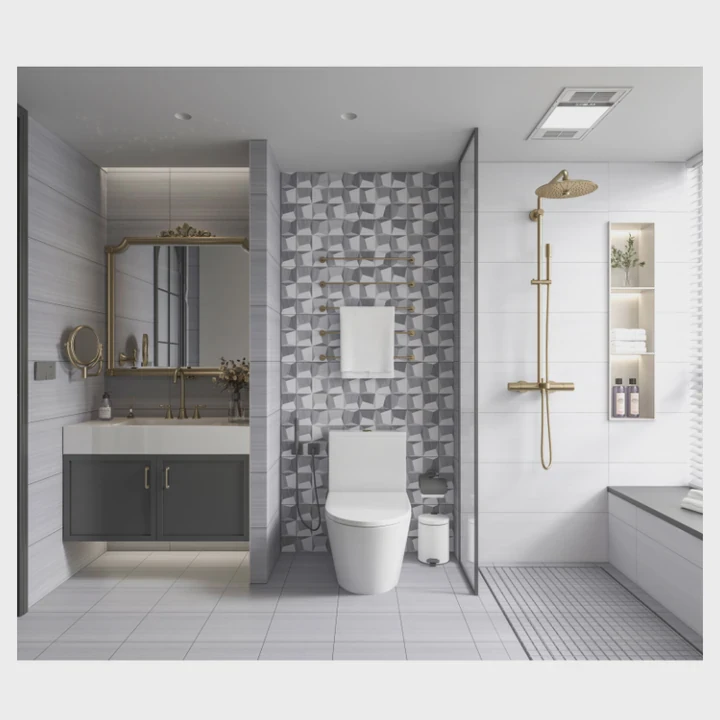
The small size of pencil tile gives designers more flexibility. It can fit into areas where regular tiles cannot create a smooth transition.
Common applications of pencil tile
| Application Area | Purpose | Design Effect |
|---|---|---|
| Kitchen backsplash | Creates a border around tile areas | Clean and finished look |
| Shower walls | Protects and decorates edges | Professional appearance |
| Bathroom walls | Separates tile sections | Adds visual layers |
| Feature walls | Creates decorative lines | Highlights design details |
In kitchens, pencil tiles are often installed around backsplashes. They create a frame that makes the tile area look more organized. For example, a marble backsplash with a matching pencil tile border can create a luxury appearance.
In bathrooms, pencil tiles are commonly used around shower walls or bathtub areas. They help connect different tile styles and create a smooth transition between materials.
Pencil tiles are also useful for feature walls. A designer may use them to create horizontal or vertical lines that guide attention to specific areas.
Why location matters?
The location of pencil tile affects the material and color choice. A wet area may require a durable ceramic or porcelain pencil tile. A decorative wall may allow more creative options, including glass or stone materials.
The size of the surrounding tile also matters. Large-format tiles may need a stronger border design, while small mosaic tiles may work better with thinner pencil pieces.
The main purpose of pencil tile is not only decoration. It also solves practical design problems by covering unfinished edges and creating smooth transitions.
How do pencil tiles enhance tile design?
Pencil tiles enhance tile design by adding detail, structure, and a finished appearance. They can transform a simple tile installation into a more carefully planned design.
Pencil tiles create visual boundaries between different tile areas and help highlight important design features. They add depth without taking too much attention away from the main tile surface.
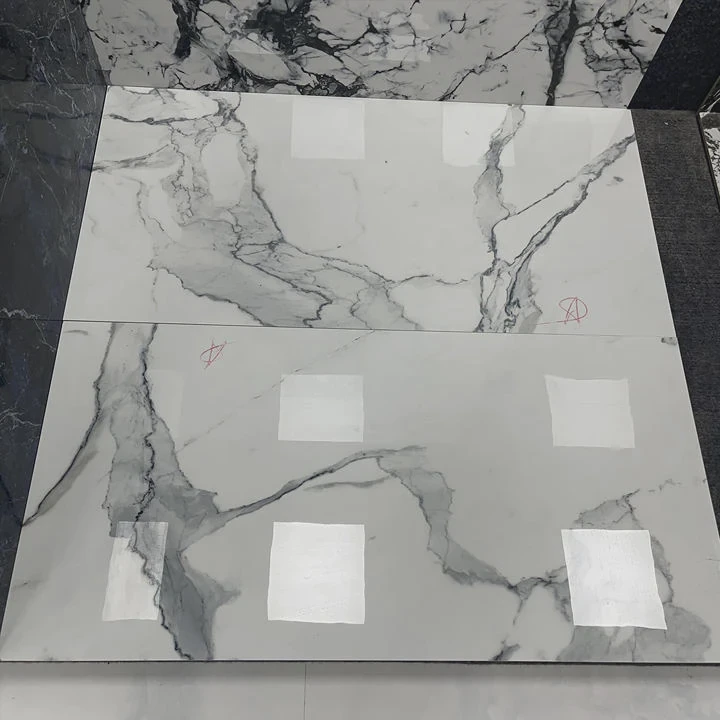
Many tile projects use large areas of one material. Without small decorative elements, the design may feel flat. Pencil tile introduces a small but effective visual change.
Design benefits of pencil tiles
Creating visual separation
Pencil tiles can divide different colors or materials. For example, a bathroom wall may combine white subway tiles and patterned tiles. A pencil border can separate these two areas clearly.
Adding texture and depth
The rounded shape of pencil tile creates a soft shadow effect. This small change adds depth to a flat wall surface.
Improving design balance
A pencil tile border can help balance a room. It creates a clear line that connects different design elements.
Pencil tile design options
| Pencil Tile Material | Style | Common Use |
|---|---|---|
| Ceramic pencil tile | Simple and practical | Residential projects |
| Porcelain pencil tile | Durable and strong | High-use areas |
| Glass pencil tile | Modern and decorative | Feature walls |
| Natural stone pencil tile | Luxury appearance | Premium projects |
Color selection is also important. A matching pencil tile creates a smooth transition. A contrasting color creates a stronger design statement.
For example, white pencil tile with white subway tile creates a clean and simple appearance. A black pencil tile with white tile creates a bold modern style.
The shape of pencil tile also helps create a professional finish. Regular tiles often have sharp edges, but pencil tiles provide a softer transition.
I believe good tile design depends on balance. Decorative pieces should support the main tile instead of making the space look crowded. Pencil tile works well because it adds detail while keeping the overall design simple.
A successful tile project does not always need many decorative materials. Sometimes one small border can improve the entire appearance.
Can pencil tiles be used as trim pieces?
Pencil tiles can be used as trim pieces because their narrow shape and rounded edges are designed for finishing tile installations.
Yes, pencil tiles are commonly used as trim pieces to cover exposed tile edges, create borders, and provide a smooth transition between surfaces.
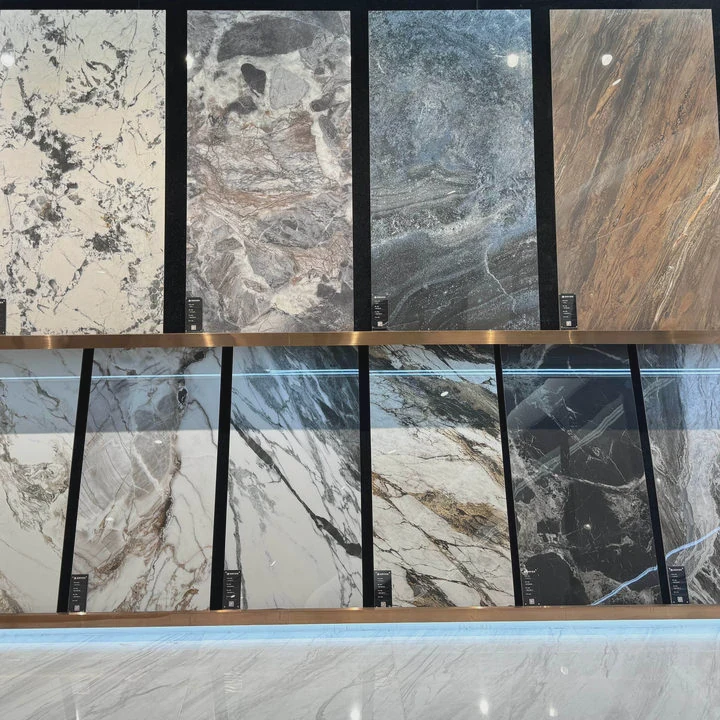
When tiles end at an open edge, the unfinished side may look rough. Pencil tile creates a clean border that improves both appearance and protection.
How pencil tiles work as trim
Pencil tiles are usually installed along the outside edge of a tiled area. They create a visual frame and cover areas where the main tile edge is visible.
Common trim applications include:
- Shower wall edges
- Backsplash borders
- Wall corners
- Decorative frames
- Transition areas between materials
Benefits of using pencil tile as trim
A pencil tile trim provides several advantages.
First, it creates a finished appearance. The rounded edge gives the installation a professional look and removes sharp visual lines.
Second, it protects tile edges. Exposed tile edges may be more likely to chip or collect dirt. A trim piece adds an extra layer of protection.
Third, it improves design consistency. A matching pencil tile can connect different parts of the room and create a complete style.
Pencil tile vs other trim options
| Trim Type | Appearance | Best Feature |
|---|---|---|
| Pencil tile | Rounded and decorative | Adds design detail |
| Metal trim | Modern and sharp | Creates clean edges |
| Bullnose tile | Traditional finish | Matches tile surfaces |
| Stone trim | Natural appearance | Luxury design |
The best trim choice depends on the project style. Pencil tile is a good option when the design needs a decorative touch.
However, installation quality is important. The pencil tile should align correctly with surrounding tiles. Poor alignment can reduce the final appearance.
Professional installers usually plan trim placement before starting the tile work. This approach helps avoid uneven edges and unnecessary adjustments.
Pencil tile is more than a decorative piece. It is a practical solution for finishing tile edges while improving the overall design.
Why choose pencil tile for edging?
Pencil tile is a popular choice for edging because it combines function and style. It provides a clean finish while adding a decorative element to tile installations.
Pencil tile is chosen for edging because it creates smooth transitions, protects tile edges, and gives projects a professional appearance.
Tile edges can strongly affect the final quality of a project. Even high-quality tiles may look incomplete if the edges are not properly finished.
Main reasons to choose pencil tile edging
Better visual finish
Pencil tiles create a clear ending point for tile areas. This makes walls and surfaces look more organized.
Flexible design options
Because pencil tiles come in many colors, materials, and finishes, they can match different interior styles.
Easy combination with different tiles
Pencil tiles work with subway tiles, marble tiles, mosaic tiles, and large-format tiles. This flexibility makes them useful for many projects.
Important factors before choosing pencil tile
| Factor | Consideration |
|---|---|
| Tile style | Choose a pencil tile that matches the main tile |
| Installation area | Select suitable material for the environment |
| Color choice | Decide between matching or contrasting designs |
| Budget | Compare material options and installation costs |
Pencil tile edging is especially useful for projects that need a customized appearance. It allows designers and homeowners to create details without changing the main tile layout.
For commercial projects, pencil tiles can also improve brand style. Hotels, restaurants, and retail spaces often use decorative tile borders to create unique environments.
For residential projects, pencil tiles help homeowners achieve a more finished look without using complicated designs.
The choice of edging may seem small, but it affects the complete tile installation. A good edge treatment improves appearance, protects materials, and increases long-term satisfaction.
Pencil tile remains popular because it offers a simple solution to a common design challenge. It creates a professional finish with a small amount of material.
Conclusion
Pencil tile is a narrow decorative tile used for borders, trims, and tile edges. It improves tile design by adding detail, protecting edges, and creating a complete professional finish.