What Is Photo Tile?
- Sinotiles
- 2026-08-24
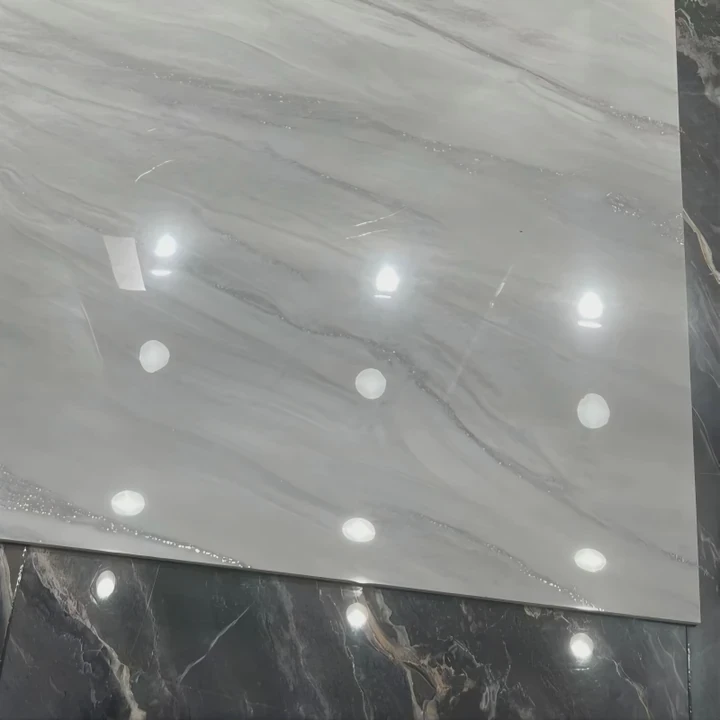
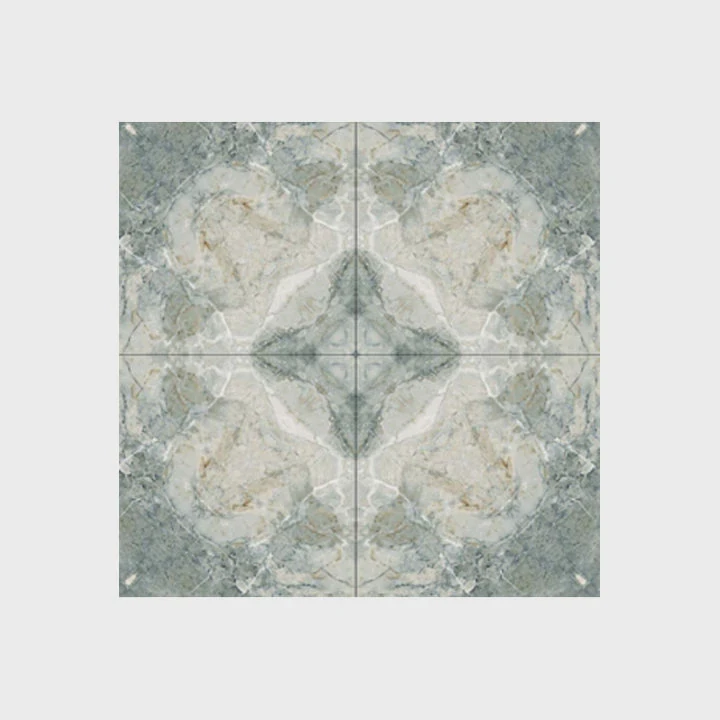
Photo tile is a type of decorative tile that uses printed images, patterns, or custom designs on the tile surface. It allows walls and floors to become more personal, creative, and visually attractive.
Photo tiles are ceramic or porcelain tiles with high-quality images applied through advanced printing technology. They are widely used for home decoration, commercial spaces, hotels, and customized design projects.
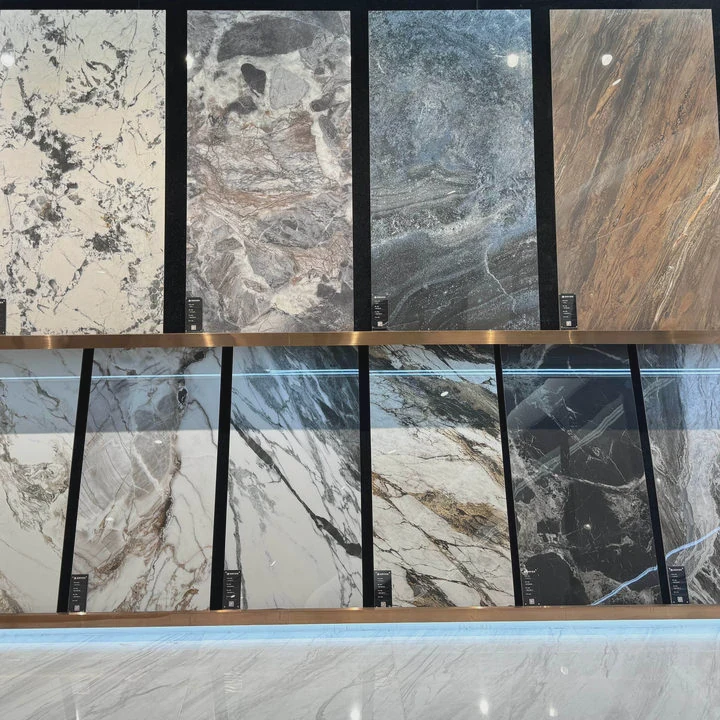
Traditional tiles mainly focus on color, texture, and shape. Photo tiles add another design option because they can display pictures, natural patterns, artwork, logos, and personalized images. This feature makes them different from standard tile products.
When I look at modern interior trends, I notice that customers want more than simple building materials. They want products that can express ideas and create unique spaces. Photo tiles meet this demand because they combine the strength of ceramic materials with the creativity of digital design.
A well-made photo tile can create a strong visual impact while keeping the practical benefits of ceramic surfaces. It can resist moisture, support easy cleaning, and provide long-term decorative value.
What materials are used in photo tiles?
Photo tiles are usually made from ceramic or porcelain materials because these surfaces provide strength, durability, and a suitable base for high-quality image printing.
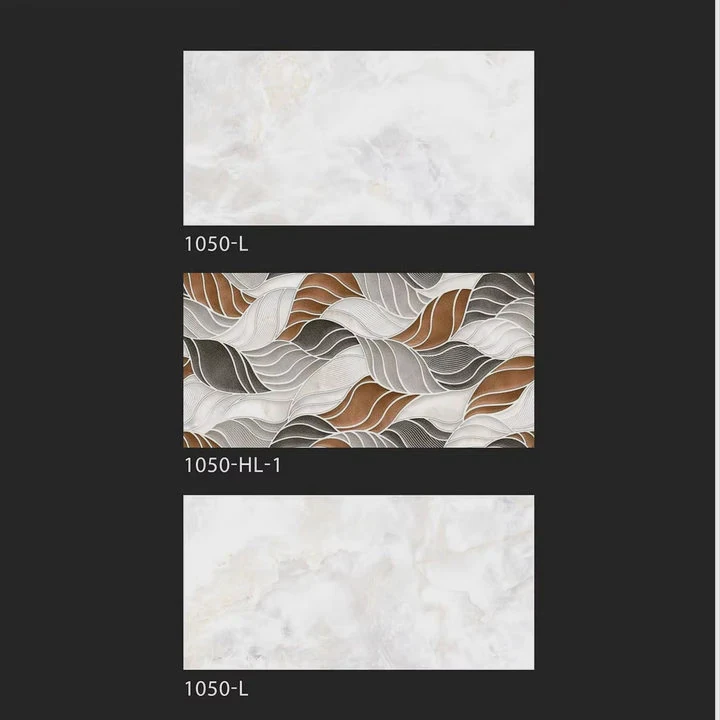
The base material is one of the most important parts of a photo tile. The printing quality depends not only on the image technology but also on the tile surface itself.
Most photo tiles use porcelain or ceramic bodies. These materials have different characteristics, so manufacturers choose them based on the final application.
Common materials used in photo tiles
| Material | Main Features | Typical Applications |
|---|---|---|
| Porcelain tile | Strong, low water absorption, durable | Floors, outdoor areas, commercial spaces |
| Ceramic tile | Easy to produce, flexible designs | Walls, residential decoration |
| Glass tile | Smooth surface and bright appearance | Decorative walls and artistic designs |
| Mosaic tile | Small pieces with creative patterns | Feature walls and special designs |
Porcelain is often selected for high-demand areas because it has strong performance. It can handle heavy traffic and temperature changes better than many other materials.
Ceramic tiles are also popular because they provide many design possibilities. They are commonly used for interior walls, kitchens, bathrooms, and decorative areas.
Why the tile body matters
The image is important, but the tile structure also affects the final result. A weak tile base can reduce the lifespan of the product even if the image looks beautiful.
A quality photo tile should have:
- Stable tile structure
- Smooth surface
- Good printing compatibility
- Strong color performance
- Resistance to daily wear
The surface treatment also affects the appearance. Glossy surfaces can make colors look brighter, while matte surfaces can create a softer and more natural feeling.
Choosing the right material for different projects
Different spaces require different tile materials. A hotel lobby may need porcelain photo tiles because of heavy foot traffic. A bedroom wall may use ceramic photo tiles because decoration is the main purpose.
I believe the best photo tile choice should balance design and function. A beautiful image needs a strong material behind it to create long-term value.
How are images transferred onto tile surfaces?
Images are transferred onto tile surfaces through advanced printing methods such as digital inkjet printing, heat transfer technology, and surface glazing processes. These methods create detailed and durable designs on ceramic tiles.
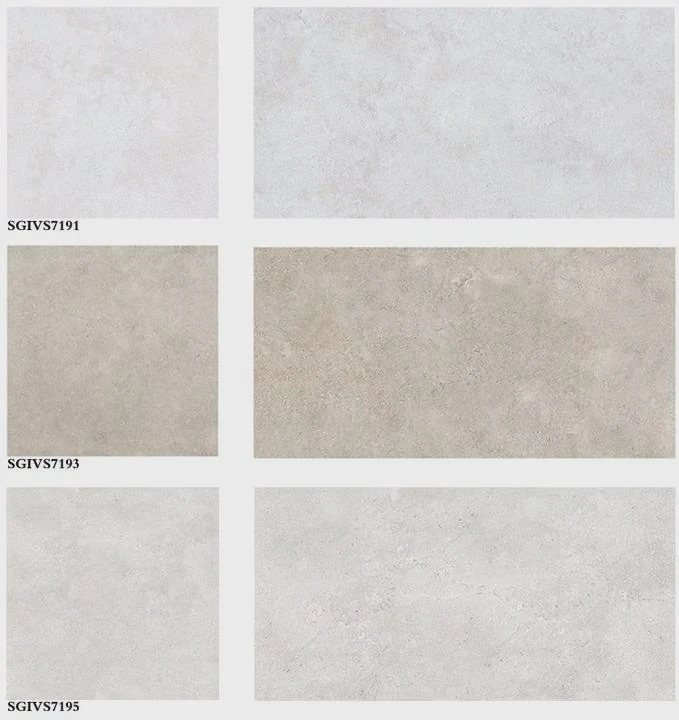
Modern photo tile production has changed significantly because of digital printing technology. In the past, creating custom tile designs required complex processes and limited patterns. Today, manufacturers can produce detailed images with more flexibility.
Digital printing allows tile producers to transfer high-resolution images directly onto tile surfaces. This technology makes it possible to create realistic textures, natural images, and customized designs.
Main steps of photo tile production
The production process usually includes several stages:
- Tile body preparation
- Surface treatment
- Digital image printing
- Protective glazing
- High-temperature firing
- Quality inspection
Each step affects the final product quality. The tile surface must be prepared properly because the image needs a smooth and stable foundation.
Digital inkjet printing technology
Digital inkjet printing is one of the most common methods used today. It works similarly to a professional printer but uses special ceramic inks.
This technology provides several benefits:
- High image detail
- Flexible design options
- Custom pattern support
- Better color control
- Faster production adjustment
Manufacturers can create different designs without changing traditional production molds. This makes custom orders easier for projects that require unique decoration.
How the image becomes permanent
After printing, the tile usually goes through a firing process. High temperatures help bond the design with the tile surface.
This process improves:
- Color stability
- Surface protection
- Wear resistance
- Long-term appearance
The quality of ceramic ink, printing equipment, and firing control all influence the final performance.
Custom image printing
One major advantage of photo tiles is customization. Customers can provide their own images, patterns, or brand designs.
For example:
- Hotels can add artistic wall designs
- Restaurants can create themed spaces
- Companies can display logos
- Homeowners can use personal artwork
This flexibility makes photo tiles valuable for both residential and commercial projects.
Why are photo tiles popular for decor?
Photo tiles are popular for decoration because they combine creative design, strong performance, and customization. They allow people to create unique spaces that traditional tiles cannot easily achieve.
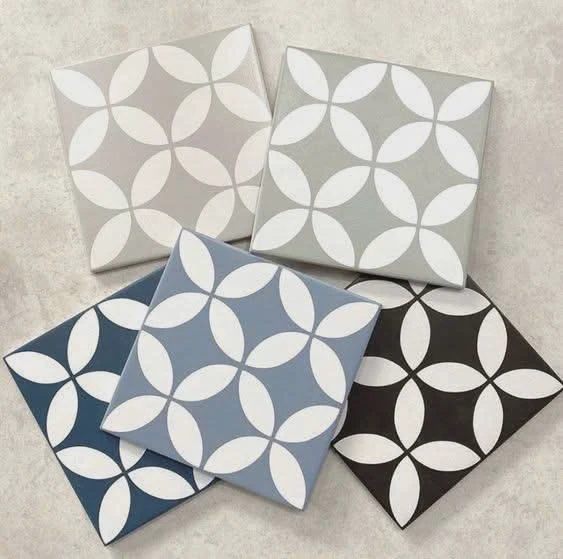
Interior design has become more personalized in recent years. Many customers no longer want spaces that look the same as everyone else. They want materials that show their style and create memorable environments.
Photo tiles provide this opportunity because they turn ordinary surfaces into design features.
Benefits of photo tiles in decoration
Photo tiles offer several advantages:
- Unique visual effects
- Custom design options
- Easy maintenance
- Moisture resistance
- Long service life
Unlike wallpaper or some painted surfaces, ceramic photo tiles can handle moisture and cleaning better. This makes them suitable for areas where traditional decorative materials may have limitations.
Creating emotional connections
A photo tile can represent more than a design choice. It can create an emotional connection with a space.
For example, a family may use a custom image wall in a home. A hotel may use local cultural images to create a special guest experience.
The design becomes part of the environment instead of just a surface covering.
Photo tiles and modern trends
Modern architecture often focuses on creating unique experiences. Designers use materials to tell stories and create different feelings.
Photo tiles support this idea because they can display:
- Natural landscapes
- Stone patterns
- Wood textures
- Artistic images
- Cultural designs
- Brand graphics
| Design Style | Photo Tile Example | Suitable Space |
|---|---|---|
| Natural style | Forest, stone, water images | Hotels, homes |
| Modern style | Abstract patterns | Offices, restaurants |
| Luxury style | Marble or artistic designs | Villas, high-end projects |
| Brand style | Custom logos and graphics | Commercial spaces |
The popularity of photo tiles comes from their ability to combine function and creativity. They are not only construction materials but also design elements.
Which applications suit photo tiles best?
Photo tiles are suitable for many applications, including residential decoration, hotels, restaurants, commercial buildings, and custom design projects. They work especially well in spaces that need unique visual effects.
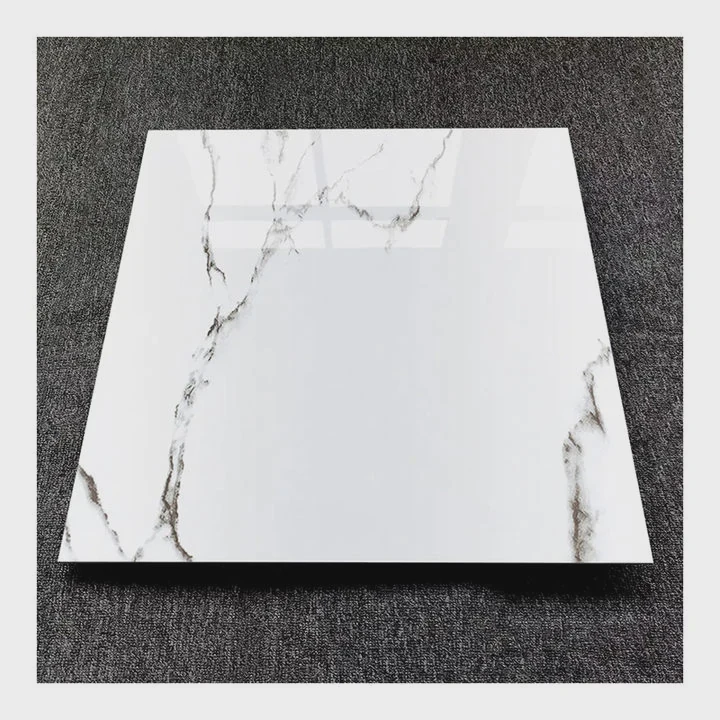
The application area affects the type of photo tile that should be selected. Different environments have different requirements for durability, cleaning, and design impact.
Residential applications
In homes, photo tiles are commonly used for feature walls, kitchens, bathrooms, and living areas.
Popular uses include:
- Decorative TV walls
- Kitchen backsplashes
- Bathroom feature walls
- Bedroom decoration
- Entryway designs
Homeowners often choose photo tiles because they create a customized appearance without requiring difficult maintenance.
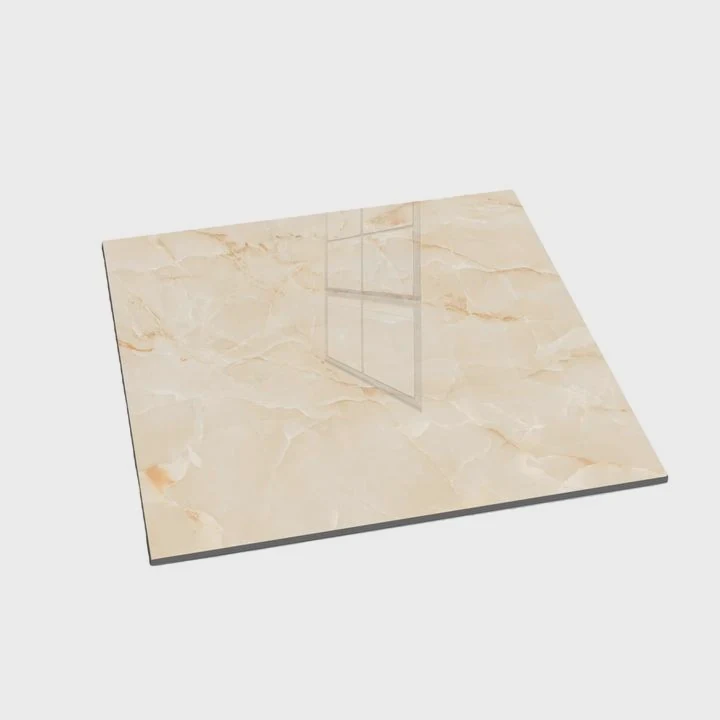
A natural stone image, for example, can create a luxury feeling while keeping the easy-care benefits of porcelain tile.
Commercial applications
Commercial projects often use photo tiles because they need strong visual identity.
Common locations include:
- Hotels
- Shopping centers
- Restaurants
- Office buildings
- Exhibition spaces
Businesses can use custom photo tiles to improve customer experience. A restaurant can create a special atmosphere through themed wall designs. A hotel can use local images to create cultural character.
Outdoor applications
Some porcelain photo tiles can also be used outdoors because porcelain has strong resistance to weather conditions.
Possible outdoor uses include:
- Garden decoration
- Exterior feature walls
- Public art areas
However, outdoor projects need careful material selection. The tile must have suitable strength and weather resistance.
Choosing the right photo tile for a project
The best photo tile depends on several factors:
| Project Factor | Question to Consider |
|---|---|
| Location | Indoor or outdoor use? |
| Traffic level | How much daily pressure will it receive? |
| Design goal | Decoration or functional surface? |
| Maintenance | How often will cleaning happen? |
A successful project balances appearance and performance. A beautiful design should also match the environment where it will be installed.
Photo tiles continue to grow in popularity because they give designers and customers more freedom. They transform simple surfaces into creative spaces while keeping the reliable features of ceramic materials.
Conclusion
Photo tiles combine ceramic strength with creative image designs. They use advanced printing technology to create customized surfaces for homes, hotels, and commercial spaces. Their flexibility makes them a valuable choice for modern decoration.