What is the best product to clean tile floors?
- Sinotiles
- 2026-07-31

Tile floors often look strong, but dirt, stains, and wrong cleaning products can slowly damage the surface. Many homeowners use random cleaners and later find dull finishes or damaged grout.
The best product to clean tile floors depends on the tile type, stain level, and cleaning purpose. Mild pH-neutral cleaners are usually the safest choice because they remove dirt while protecting the tile surface and grout.
When I help customers choose tile care solutions, I always consider the material first. Ceramic tile, porcelain tile, natural stone, and decorative tiles can react differently to cleaning products. A suitable cleaner keeps the floor beautiful and extends its service life.
Which cleaners are most effective for tile floors?
Choosing an effective tile cleaner is not only about removing dirt quickly. A good product should clean the surface without creating damage or leaving unwanted residue.
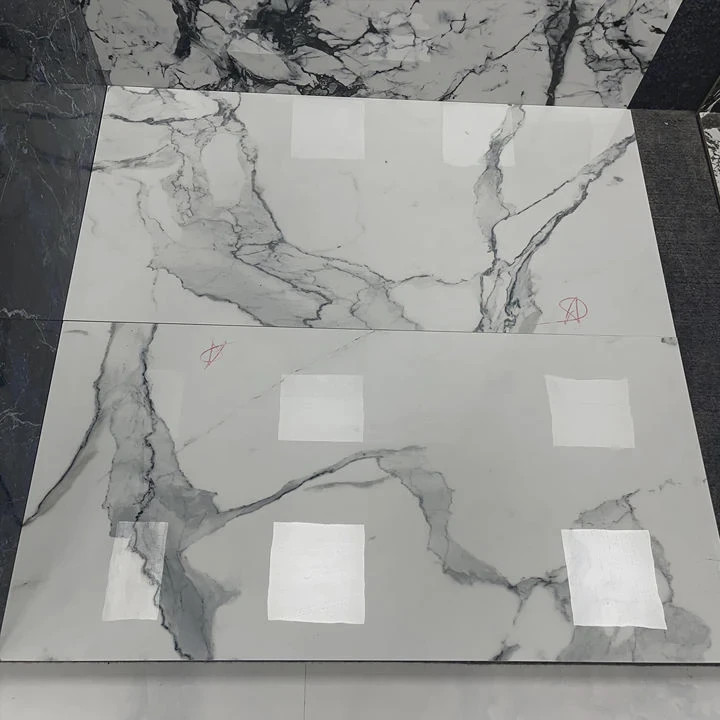
The most effective tile floor cleaners are usually pH-neutral cleaners, mild detergent-based products, and tile-specific cleaning solutions. They remove daily dirt, grease, and stains while protecting tile surfaces and grout lines.
When I select a tile cleaner, I first look at the cleaning problem. A kitchen floor may need grease removal, while a bathroom floor may need help with soap residue and water marks. Different situations need different solutions.
Common tile cleaning products
| Cleaner Type | Main Benefit | Suitable Tile Type |
|---|---|---|
| pH-neutral tile cleaner | Safe daily cleaning | Ceramic and porcelain tile |
| Mild detergent cleaner | Removes normal dirt | Most tile surfaces |
| Heavy-duty tile cleaner | Removes strong stains | Commercial areas |
| Grout cleaner | Targets dirty joints | Tile with stained grout |
pH-neutral cleaners are often the best choice for regular maintenance. They are gentle but effective. They do not usually affect the tile glaze or create surface problems when used correctly.
Porcelain and ceramic tiles are common flooring materials, and they usually work well with neutral cleaners. These tiles have strong surfaces, but the wrong chemicals can still reduce their appearance over time.
For areas with heavy traffic, stronger cleaners may be needed. Commercial spaces such as shopping centers, restaurants, and offices often collect more dirt. In these cases, professional cleaning products can provide better results.
Factors to consider before choosing a cleaner
| Factor | Why It Matters |
|---|---|
| Tile material | Different surfaces need different care |
| Stain type | Grease and mineral stains need different solutions |
| Cleaning frequency | Daily cleaning needs gentle products |
| Floor location | Kitchens and bathrooms have different challenges |
I also recommend checking the cleaner instructions before use. Some products need dilution, while others can damage surfaces if applied directly.
Another important point is residue control. A cleaner that leaves a sticky layer can attract more dirt. A good tile cleaner should leave the surface clean and natural after drying.
The best product is not always the strongest product. A balanced cleaner that protects the tile while removing dirt usually provides better long-term results.
Are natural solutions suitable for tile cleaning?
Many people prefer natural cleaning methods because they want simple ingredients and fewer chemicals at home. However, natural solutions are not suitable for every tile surface.
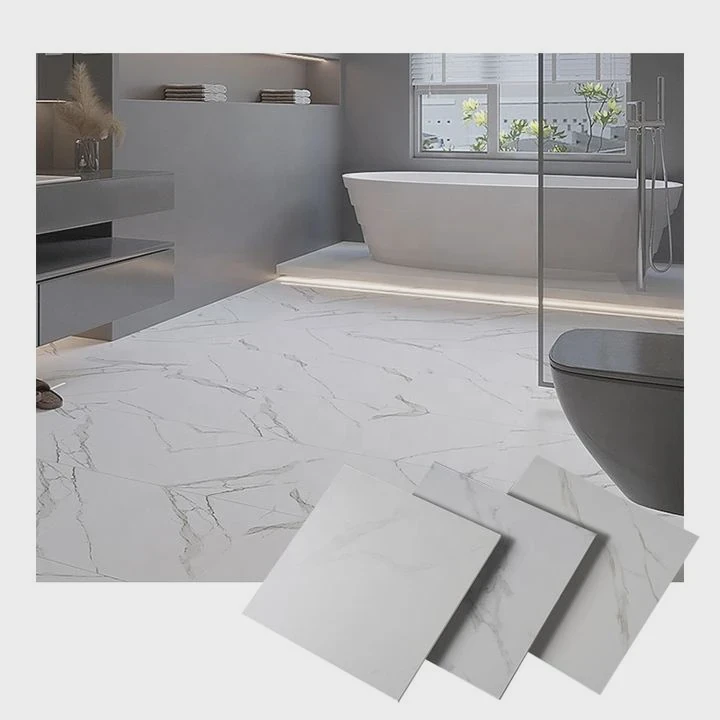
Natural solutions such as diluted vinegar, baking soda, and warm water can clean some tile floors, but they should be used carefully. Acidic ingredients may damage certain tiles, especially natural stone surfaces.
When I discuss natural cleaning methods, I always remind people that “natural” does not always mean “safe.” Some natural ingredients have strong chemical properties that can affect tile finishes.
Common natural cleaning solutions
| Natural Solution | Cleaning Effect | Possible Risk |
|---|---|---|
| White vinegar | Helps remove mineral deposits | Can damage stone tiles |
| Baking soda | Helps remove light stains | May scratch some surfaces |
| Warm water | Safe daily cleaning | Limited stain removal |
| Lemon juice | Removes some marks | High acidity risk |
Vinegar is one of the most popular DIY tile cleaners. It can work well on some ceramic or porcelain surfaces because its acidity helps remove mineral buildup. However, it should not be used on marble, limestone, or other natural stone tiles.
Baking soda is another common option. It can help with stubborn spots because of its mild abrasive quality. However, excessive scrubbing may create small scratches on sensitive surfaces.
When natural solutions may work
- Light daily dirt
- Small areas
- Ceramic tile surfaces
- Short-term cleaning needs
Natural solutions can be useful for simple cleaning tasks. They are affordable and easy to find. However, they may not provide the same performance as professional tile cleaners for heavy stains.
I often suggest testing any DIY solution on a small hidden area first. A small test can show whether the tile reacts badly before cleaning the entire floor.
Another issue is consistency. Homemade solutions usually do not have a controlled formula. Commercial products are designed with specific concentrations, while DIY mixtures can vary.
Natural cleaning methods can be part of a tile care routine, but they should match the tile material. Understanding the surface is more important than choosing a product based only on its natural label.
How do commercial cleaners compare to DIY options?
Commercial cleaners and DIY solutions both have advantages. The better choice depends on cleaning goals, tile type, budget, and maintenance needs.
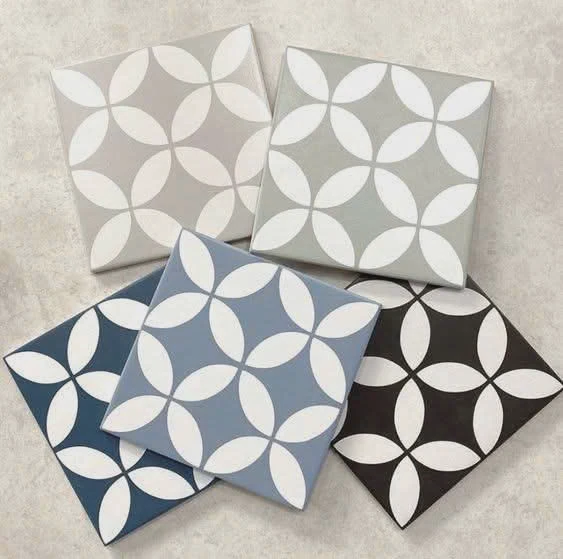
Commercial tile cleaners usually provide more consistent results because they are developed for specific cleaning problems. DIY options can be affordable and convenient but may have limited cleaning ability.
When I compare commercial and DIY cleaners, I focus on performance and safety. A low-cost solution may seem attractive, but it may not always protect the tile over time.
Commercial cleaners vs DIY cleaners
| Category | Commercial Cleaners | DIY Solutions |
|---|---|---|
| Cleaning power | Usually stronger and more consistent | Good for light cleaning |
| Cost | Higher product cost | Lower cost |
| Safety control | Designed for specific surfaces | Depends on ingredients |
| Convenience | Ready to use | Requires preparation |
Commercial cleaners often include ingredients designed to break down grease, dirt, and stains. They can be especially useful in kitchens, bathrooms, and high-traffic areas.
DIY cleaners provide more control over ingredients. Many homeowners prefer them because they are simple and inexpensive. However, they require more knowledge about tile compatibility.
Situations for commercial cleaners
- Large floor areas
- Heavy stains
- Commercial buildings
- Regular professional maintenance
Situations for DIY cleaners
- Small cleaning jobs
- Light surface dirt
- Temporary solutions
- Routine home care
I believe the best approach is not choosing only one option. Many homeowners use mild commercial cleaners for regular maintenance and simple DIY methods for small cleaning tasks.
For commercial projects, professional cleaning products are usually more practical. Large buildings need reliable results, and inconsistent cleaning can affect the appearance of the entire space.
For residential projects, the choice depends on personal preference. The important point is using a product that matches the tile material.
A good cleaning method combines the right product, correct amount, and proper technique. Even the best cleaner cannot perform well if it is used incorrectly.
What ingredients should be avoided on tile floors?
Using the wrong cleaning ingredients can create long-term problems. Some chemicals may remove dirt quickly but damage the tile surface, grout, or protective finish.

Tile floors should avoid harsh acids, strong bleach solutions, abrasive powders, and unsuitable chemicals. These ingredients can cause discoloration, surface damage, or weaker grout over time.
When I recommend tile care products, I always focus on protection first. A cleaner should solve the problem without creating a new one.
Ingredients that may harm tile floors
| Ingredient | Possible Damage |
|---|---|
| Strong acids | Damage tile surface and grout |
| Excess bleach | Causes discoloration |
| Abrasive powders | Creates scratches |
| Oil-based cleaners | Leaves residue |
Strong acids are especially risky for natural stone tiles. Materials such as marble and limestone can react with acidic cleaners and lose their natural appearance.
Bleach is another product that requires caution. It may remove some stains, but repeated use can affect grout color and surface appearance.
Abrasive powders can also create problems. They may remove dirt, but the rough particles can scratch polished tile surfaces.
Better cleaning habits
- Use suitable cleaners for the tile type.
- Avoid mixing different chemicals.
- Follow product instructions.
- Use soft cleaning tools.
- Rinse the floor after strong cleaning.
I also recommend avoiding unnecessary chemical strength. A stronger cleaner does not always mean a better result. Regular maintenance with a suitable product is often more effective.
Tile floors are designed to last for many years. Proper cleaning helps maintain their color, texture, and overall appearance.
The best tile cleaning routine focuses on prevention. Removing dirt regularly, using safe products, and avoiding harmful ingredients can reduce future maintenance problems.
Conclusion
The best tile floor cleaner is one that matches the tile material and cleaning need. pH-neutral products are usually the safest choice, while careful product selection protects tile beauty and durability.