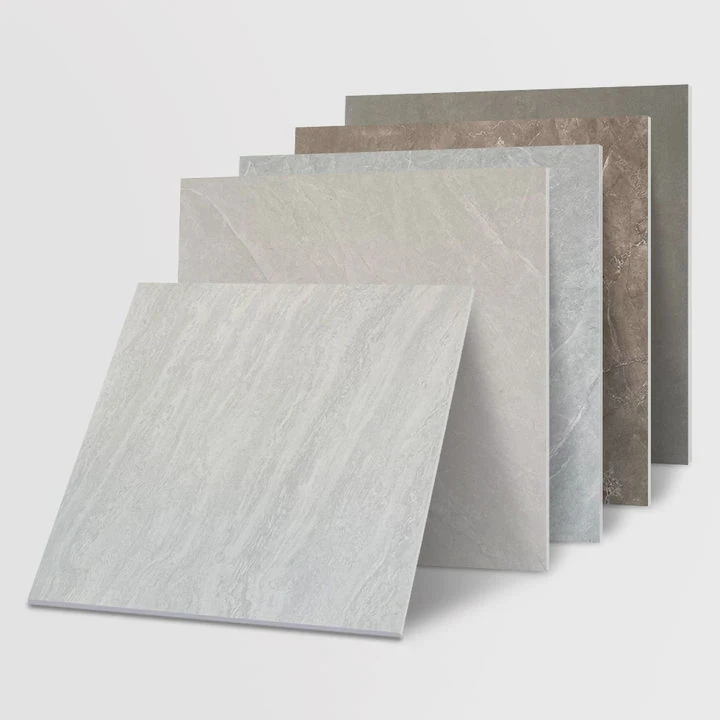
How to install tile outside?
- Sinotiles
- 2026-07-31
Outdoor tile installation creates beautiful spaces for patios, walkways, balconies, and outdoor areas. However, exterior environments create more challenges than indoor spaces because tiles must handle rain, temperature changes, sunlight, and heavy use.
Installing tile outside requires proper surface preparation, weather-resistant tiles, effective drainage planning, and suitable installation conditions to create a durable outdoor surface.
I have seen many outdoor tile projects fail because the installation process focused only on appearance. Outdoor tiles need more than a beautiful design. They need strong materials and a stable foundation that can handle changing weather conditions.
What preparation is needed for outdoor tile installation?
Preparation is the most important step before installing outdoor tile. Exterior surfaces experience movement caused by temperature changes and moisture, so the base needs to be strong and stable.
Outdoor tile installation requires a clean, level, strong, and properly prepared surface before tiles are placed. Good preparation helps prevent cracks, loose tiles, and water damage.
When I plan an outdoor tile project, I first check the existing surface condition. A weak base can create problems even when high-quality tiles are used.
Inspect the installation area
The first step is checking the outdoor surface. The installer needs to understand whether the tile will be installed on concrete, a balcony slab, a terrace, or another base.
Important inspection points include:
| Inspection item | Why it matters |
|---|---|
| Surface strength | Supports tile weight and daily use |
| Flatness | Prevents uneven tile placement |
| Cracks | Shows possible movement problems |
| Moisture condition | Prevents future damage |
| Drainage direction | Controls water flow |
A concrete base is usually a common choice for outdoor tile because it provides strong support. However, new concrete needs enough time to cure before tile installation.
Clean and prepare the surface
The surface must be free from dust, oil, dirt, and loose materials. These contaminants can reduce adhesive performance.
Preparation steps usually include:
- Remove dirt and debris.
- Repair cracks and damaged areas.
- Check surface level.
- Apply suitable waterproof protection if needed.
- Plan tile layout.
Consider movement and expansion
Outdoor surfaces move more than indoor surfaces. Heat can expand materials, while cold temperatures can create contraction.
For this reason, outdoor tile projects need proper expansion joints and flexible installation materials.
I believe preparation is where many long-term problems can be avoided. A few extra hours spent preparing the base can prevent expensive repairs later.
A strong foundation gives outdoor tiles a better chance to handle years of weather exposure.
Which tiles are suitable for exterior environments?
Not all tiles are suitable for outdoor use. Exterior tiles need to resist moisture, temperature changes, sunlight, and physical impact.
Porcelain tiles, outdoor ceramic tiles, and some natural stone tiles are suitable for exterior environments because they offer strong durability and weather resistance.
When choosing outdoor tiles, I focus on performance first and design second. A tile that looks attractive but cannot handle outdoor conditions may create problems quickly.
Compare common outdoor tile options
| Tile type | Advantages | Suitable areas |
|---|---|---|
| Porcelain tile | Low water absorption and strong durability | Patios, terraces, walkways |
| Outdoor ceramic tile | Many designs and good performance | Covered outdoor areas |
| Natural stone tile | Unique appearance | Luxury outdoor spaces |
| Concrete tile | Strong and practical | Large outdoor surfaces |
Why porcelain tiles are popular outdoors
Porcelain tiles are often selected for outdoor applications because they have low water absorption. This feature helps them handle rain and moisture.
Other benefits include:
- Strong surface hardness
- Good stain resistance
- Many design options
- Long service life
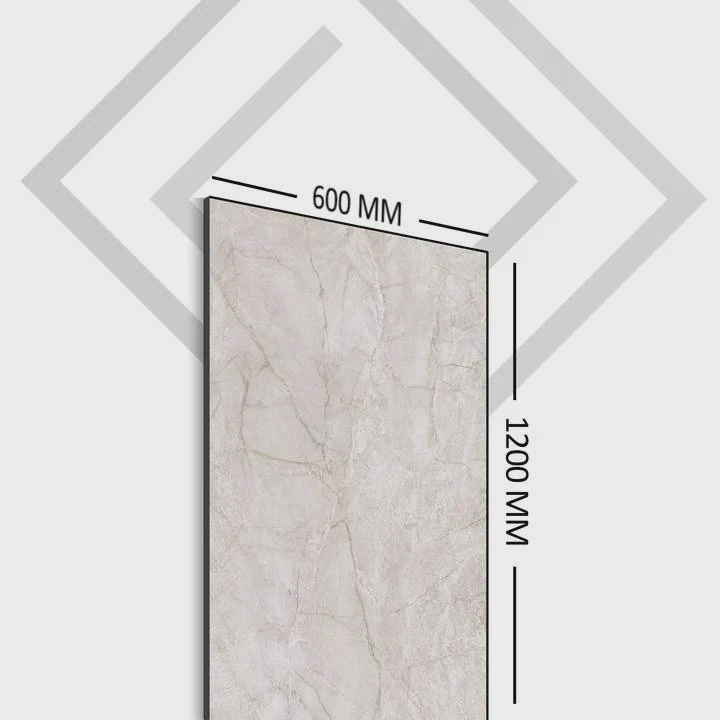
Large-format porcelain tiles are also becoming popular for outdoor spaces. Sizes such as 600x1200mm and 900x1800mm can create a modern appearance with fewer grout lines.
Choose tiles based on climate
The local environment affects tile selection.
| Environment | Recommended consideration |
|---|---|
| Cold areas | Choose frost-resistant tiles |
| Wet areas | Select low-absorption products |
| Sunny areas | Use UV-resistant surfaces |
| High traffic areas | Choose stronger tiles |
Slip resistance is also important. Outdoor surfaces can become dangerous when wet. Textured or anti-slip tiles can improve safety around pools, gardens, and entrances.
Avoid unsuitable indoor tiles
Some indoor tiles are not designed for outdoor conditions. They may absorb too much water or become damaged during temperature changes.
I always recommend checking product specifications before installation. A tile should be selected based on where it will be used, not only based on appearance.
The right outdoor tile combines beauty, strength, and practical performance.
How do you ensure proper drainage for outdoor tile?
Water management is one of the most important parts of outdoor tile installation. Poor drainage can create standing water, tile movement, and surface damage.
Proper outdoor tile drainage requires a suitable slope, correct installation methods, and water-resistant systems that allow moisture to move away from the surface.
When I evaluate outdoor tile projects, I always check how water will leave the surface. Tiles themselves may be waterproof, but trapped water can damage the layers underneath.
Create the correct slope
Outdoor tile surfaces usually need a slight slope to guide water away.
The slope should:
- Move water toward drainage areas.
- Prevent standing water.
- Protect nearby structures.
A completely flat outdoor surface may look clean, but it can create water problems after rain.
Use proper drainage methods
Different outdoor areas need different drainage solutions.
| Drainage method | Application |
|---|---|
| Surface slope | Patios and walkways |
| Drain channels | Large outdoor areas |
| Waterproof membrane | Balconies and terraces |
| Drainage layers | Heavy moisture areas |
Pay attention to waterproof protection
Outdoor tile systems often need waterproof layers below the tile surface. This is especially important for balconies and areas above living spaces.
Waterproof protection helps prevent moisture from entering the structure.
Use suitable grout and joints
Grout lines also affect outdoor tile performance. Outdoor grout should handle moisture and temperature changes.
Expansion joints are also necessary because outdoor materials move with weather conditions.
I have found that many tile problems are not caused by the tile itself. They are caused by water that cannot escape properly.
Good drainage planning protects the entire installation system. It helps tiles stay stable and reduces future maintenance.
Does weather impact outdoor tile installation process?
Weather conditions directly affect outdoor tile installation. Temperature, rain, and humidity can influence adhesive performance and installation quality.
Weather impacts outdoor tile installation because extreme heat, cold temperatures, rain, and high moisture can affect bonding, curing, and final tile performance.
Outdoor installation requires better timing than indoor installation. The environment changes during the day, and these changes can affect materials.
Avoid extreme temperatures
Very hot weather can cause adhesive to dry too quickly. This may reduce bonding strength.
Very cold weather can slow curing and affect material performance.
| Weather condition | Possible problem |
|---|---|
| High heat | Adhesive dries too fast |
| Heavy rain | Moisture enters installation layers |
| Freezing temperatures | Material performance decreases |
| High humidity | Longer drying time |
Rain and moisture concerns
Rain is one of the biggest risks during outdoor tile installation. Fresh adhesive and grout need time to cure properly.
Installing tiles before a rain event may create:
- Weak bonding
- Water trapped under tiles
- Uneven surfaces
I recommend checking weather conditions before starting outdoor work. A stable weather window allows materials to perform better.
Seasonal planning
Different seasons create different installation challenges.
Spring and autumn are often comfortable periods because temperatures are usually moderate. Summer and winter projects may require extra planning.
Protect new tile after installation
After installation, the tile surface still needs protection. Heavy rain, freezing temperatures, or strong sunlight during curing can affect results.
Temporary covers can help protect new installations from unexpected weather.
I believe outdoor tile installation is a balance between material choice, technical skill, and environmental planning. Good timing improves the chance of creating a long-lasting outdoor surface.
Conclusion
Outdoor tile installation requires careful preparation, durable materials, proper drainage, and suitable weather conditions. A complete installation plan helps create a strong and attractive exterior surface.