What Is the Best Tile Adhesive for Outdoor Use?
- Sinotiles
- 2026-06-06
Outdoor tiles face constant exposure to rain, sunlight, temperature changes, and moisture. Using the wrong adhesive can lead to cracked tiles, loose installations, and costly repairs.
The best tile adhesive for outdoor use is a high-performance polymer-modified thinset mortar designed for exterior applications. It provides strong bonding, weather resistance, flexibility, and durability under changing environmental conditions.
Outdoor tile projects require more than attractive tiles. The adhesive beneath the surface plays a major role in the long-term success of the installation. Understanding which adhesives perform best outdoors helps avoid common failures and ensures a durable result.
Which Adhesives Withstand Outdoor Weather?
Outdoor environments can be harsh. Rain, heat, freezing temperatures, and UV exposure constantly stress tiled surfaces. Many standard indoor adhesives simply cannot survive these conditions.
Polymer-modified thinset mortars and high-performance exterior-grade tile adhesives are the most reliable choices for outdoor installations because they offer flexibility, water resistance, and strong bonding strength.
Many tile failures happen because installers select an adhesive based on price rather than performance. Outdoor installations require products specifically designed for exterior use.
Why Outdoor Conditions Are Different
Indoor tiles experience relatively stable conditions. Outdoor tiles face constant movement caused by:
- Temperature changes
- Moisture expansion
- Freeze-thaw cycles
- Structural movement
- Direct sunlight
An adhesive must absorb these stresses without losing its bond.
Common Outdoor Adhesive Options
Several adhesive types are available for outdoor projects.
| Adhesive Type | Outdoor Suitability | Flexibility | Water Resistance |
|---|---|---|---|
| Standard Thinset | Fair | Low | Moderate |
| Polymer-Modified Thinset | Excellent | High | High |
| Epoxy Adhesive | Excellent | Medium | Very High |
| Organic Mastic | Not Recommended | Low | Low |
Polymer-modified thinset remains the most popular choice because it balances performance, cost, and ease of installation.
Benefits of Polymer-Modified Adhesives
The added polymers improve several important characteristics.
Stronger Bond Strength
Outdoor tiles experience more movement than indoor tiles. Modified adhesives create stronger bonds that resist separation.
Greater Flexibility
A flexible adhesive can absorb small movements without cracking.
Better Moisture Resistance
Rain and humidity constantly challenge outdoor installations. Water-resistant adhesives help maintain bond integrity over time.
Selecting Adhesives for Different Outdoor Areas
Different outdoor spaces create different demands.
| Area | Recommended Adhesive |
|---|---|
| Patio | Polymer-Modified Thinset |
| Balcony | Waterproof Modified Thinset |
| Pool Deck | Exterior-Grade Thinset |
| Facade Cladding | High-Bond Exterior Mortar |
| Commercial Exterior | Premium Polymer Mortar |
Long-Term Performance Matters
A low-cost adhesive may seem attractive at first. However, replacement costs often exceed any initial savings.
During one outdoor renovation project, several loose patio tiles were traced back to the use of indoor-grade adhesive. The tiles looked perfect for the first year. After repeated rainy seasons and summer heat, bond failure appeared across multiple sections.
The replacement installation used a premium polymer-modified mortar and remained stable for years afterward.
Outdoor tile installations succeed when every component is designed for exterior conditions. The adhesive is one of the most important parts of that system.
How Does Temperature Affect Tile Adhesive?
Temperature changes are one of the biggest challenges for outdoor tile installations. Many tile problems begin when adhesives cannot handle expansion and contraction.
Temperature affects tile adhesive by changing curing speed, bond strength, flexibility, and long-term durability. Extreme heat and cold can weaken adhesives that are not designed for outdoor conditions.
Outdoor surfaces rarely stay at one temperature. A patio can become extremely hot during the day and cool significantly at night.
Expansion and Contraction
Tiles and substrates naturally expand when heated and contract when cooled.
These movements may seem small, but they occur repeatedly over many years.
When adhesive lacks flexibility, stress accumulates and eventually causes:
- Cracked grout
- Hollow-sounding tiles
- Bond failure
- Tile lifting
High Temperatures
Hot weather creates several installation challenges.
Faster Water Evaporation
Adhesives may dry too quickly before achieving proper bonding.
Reduced Working Time
Installers have less time to spread and adjust tiles.
Surface Skinning
The adhesive surface can form a skin before tile placement, reducing adhesion.
Low Temperatures
Cold weather presents a different set of problems.
Slower Curing
Adhesives require longer curing times.
Reduced Strength Development
Some products struggle to reach their full design strength.
Freeze Risks
Water inside uncured adhesive may freeze and damage the bond.
Recommended Installation Temperatures
Most manufacturers recommend installation within specific temperature ranges.
| Condition | Typical Recommended Range |
|---|---|
| Installation Temperature | 50°F-95°F (10°C-35°C) |
| Surface Temperature | Moderate and Stable |
| Freeze Exposure | Avoid During Curing |
| Direct Sunlight | Minimize During Installation |
Always follow the adhesive manufacturer’s guidelines.
Seasonal Considerations
Summer Installations
During hot weather:
- Work in shaded areas when possible
- Avoid midday installation
- Mix smaller batches
- Keep materials cool
Winter Installations
During cold weather:
- Avoid freezing conditions
- Allow longer cure times
- Protect newly installed tiles
- Monitor overnight temperatures
The Importance of Flexibility
Temperature changes create constant movement.
Flexible polymer-modified adhesives perform better because they accommodate expansion and contraction without losing bond strength.
Outdoor installations that experience large temperature swings benefit greatly from adhesives specifically formulated for movement tolerance.
A tile installation does not fail because temperatures change. It fails when the adhesive cannot adapt to those changes.
Are Waterproof Adhesives Necessary Outdoors?
Water is one of the biggest threats to outdoor tile installations. Many people assume any exterior adhesive is automatically waterproof, but that is not always true.
Waterproof or highly water-resistant adhesives are strongly recommended for outdoor tile installations because they help protect the bond from moisture infiltration, freeze-thaw damage, and long-term deterioration.
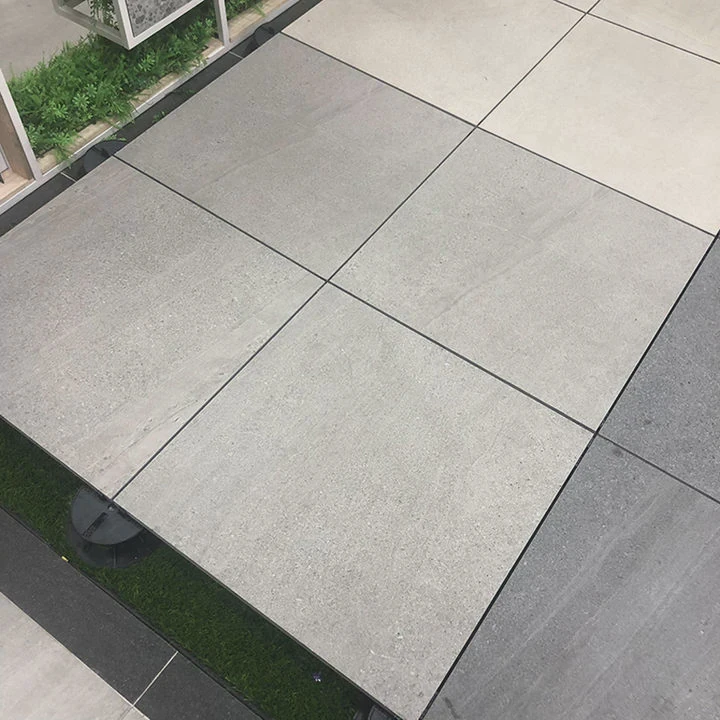
Rainwater can penetrate small gaps in grout and joints. Once moisture reaches the adhesive layer, problems can begin.
Understanding Water Exposure
Outdoor tiles face moisture from several sources:
- Rain
- Snow
- Humidity
- Irrigation systems
- Pool splash zones
- Ground moisture
The adhesive must tolerate repeated exposure throughout its service life.
Waterproof vs Water-Resistant
These terms are often confused.
| Property | Waterproof | Water-Resistant |
|---|---|---|
| Water Penetration | Very Low | Limited |
| Moisture Protection | Excellent | Good |
| Exterior Use | Ideal | Often Suitable |
| Pool Areas | Recommended | Sometimes Suitable |
Many premium polymer-modified mortars are highly water-resistant even if they are not fully waterproof.
High-Risk Outdoor Areas
Certain locations benefit significantly from waterproof systems.
Balconies
Water can become trapped beneath tiles and damage the structure below.
Rooftop Terraces
Constant weather exposure increases moisture risks.
Swimming Pools
Pool environments combine moisture, chemicals, and temperature changes.
Exterior Walls
Vertical surfaces face driving rain and wind exposure.
Waterproofing Membranes and Adhesives
The best outdoor systems often combine:
- Waterproof membrane
- Exterior-grade adhesive
- Quality grout
- Proper movement joints
No single product can solve every moisture challenge.
Common Causes of Water-Related Failure
Many failures result from poor moisture management rather than poor tile quality.
Typical problems include:
- Debonding
- Efflorescence
- Cracked grout
- Tile lifting
- Freeze-thaw damage
A Complete Protection Strategy
A successful outdoor installation treats moisture control as a system rather than a single product choice.
The adhesive is important, but proper drainage, expansion joints, and waterproofing layers also contribute to long-term durability.
When selecting materials for patios, balconies, facades, or pool areas, choosing water-resistant or waterproof-rated adhesives provides an extra layer of protection that often extends the life of the installation.
Can Thinset Mortar Be Used Outside?
Many professionals consider thinset mortar the standard adhesive for outdoor tile installations. However, not all thinset products perform equally well outdoors.
Yes, thinset mortar can be used outside, and polymer-modified thinset is often the preferred adhesive for exterior tile installations because it provides excellent bond strength, flexibility, and weather resistance.
Thinset mortar has been used successfully in outdoor projects for decades.
What Is Thinset Mortar?
Thinset mortar is a cement-based adhesive made from:
- Portland cement
- Fine sand
- Performance additives
When mixed properly, it forms a strong bond between the tile and substrate.
Standard vs Modified Thinset
There are important differences between thinset types.
| Feature | Standard Thinset | Polymer-Modified Thinset |
|---|---|---|
| Bond Strength | Good | Excellent |
| Flexibility | Limited | High |
| Water Resistance | Moderate | High |
| Exterior Suitability | Acceptable | Preferred |
For most modern outdoor projects, modified thinset is the better choice.
Why Professionals Prefer Modified Thinset
Improved Adhesion
Polymers increase bonding strength significantly.
Better Movement Accommodation
Outdoor surfaces constantly move due to temperature changes.
Greater Durability
Modified mortars resist weather-related deterioration more effectively.
Best Applications for Exterior Thinset
Polymer-modified thinset performs well in:
- Patios
- Walkways
- Balconies
- Outdoor kitchens
- Garden paths
- Pool decks
- Commercial plazas
Installation Factors That Matter
Even the best adhesive cannot compensate for poor preparation.
Proper Substrate Preparation
The surface should be:
- Clean
- Stable
- Dry when appropriate
- Structurally sound
Correct Coverage
Adequate mortar coverage reduces voids beneath tiles.
Movement Joints
Expansion joints help accommodate natural movement.
Common Mistakes to Avoid
Several installation errors reduce performance.
- Using indoor-grade thinset outdoors
- Applying mortar over unstable surfaces
- Ignoring movement joints
- Installing during unsuitable weather
- Using insufficient mortar coverage
Thinset Remains the Industry Standard
For most outdoor ceramic and porcelain tile projects, polymer-modified thinset mortar remains the preferred solution.
It combines strength, flexibility, moisture resistance, and long-term durability at a reasonable cost. When paired with quality tiles, proper substrate preparation, and sound installation practices, it delivers reliable performance in a wide range of outdoor environments.
Conclusion
The best tile adhesive for outdoor use is typically a high-quality polymer-modified thinset mortar. It offers strong bonding, flexibility, weather resistance, and long-term durability. Temperature changes, moisture exposure, and surface movement all affect performance, which is why choosing an exterior-rated adhesive and following proper installation practices are essential for successful outdoor tile projects.