How to Make Porcelain Tile Shine?
- Sinotiles
- 2026-06-05
Dull porcelain tiles can make an entire room look older and less attractive. Many homeowners clean their floors regularly but still struggle to achieve the bright, glossy finish they want.
To make porcelain tile shine, use the right cleaner, remove residue buildup, polish when appropriate, and follow a consistent maintenance routine. Most porcelain tiles do not require sealing, but proper care helps preserve their original appearance for many years.
Many people assume that porcelain tiles lose their shine because they are old. In reality, the problem is often caused by dirt, soap residue, hard water deposits, or improper cleaning products. Understanding how porcelain surfaces work can help restore and maintain their natural beauty.
What Cleaners Enhance Porcelain Tile Shine?
Dirty or cloudy porcelain tiles often result from using the wrong cleaning products. Some cleaners leave a film behind, which reduces shine instead of improving it.
The best cleaners for enhancing porcelain tile shine are pH-neutral tile cleaners, diluted vinegar solutions for specific situations, and residue-free cleaning products designed for porcelain surfaces.
Porcelain is known for its low water absorption and durable surface. Because of this, it does not need aggressive cleaning chemicals. In many cases, simple cleaning methods produce the best results.
Why Cleaner Selection Matters
Many floor cleaners contain waxes, oils, or polishing agents. These products may create temporary shine at first, but they often leave a layer that attracts dirt.
Over time, this buildup causes porcelain tiles to appear dull and cloudy.
A cleaner should remove contamination without leaving residue.
Recommended Cleaning Options
Several cleaning solutions work well on porcelain tiles.
| Cleaner Type | Benefits | Best Use |
|---|---|---|
| pH-neutral tile cleaner | Safe and residue-free | Routine cleaning |
| Warm water and microfiber mop | Gentle and effective | Daily maintenance |
| Diluted vinegar solution | Removes mineral deposits | Occasional deep cleaning |
| Porcelain-specific cleaner | Designed for tile surfaces | Regular restoration |
Using Vinegar Carefully
Many homeowners use vinegar because it can dissolve mineral buildup and soap residue.
For glazed porcelain tiles, a diluted mixture can help restore brightness. However, vinegar should not become a daily cleaning solution.
Excessive acidic cleaning may affect grout over time.
A simple mix of water and vinegar can often remove the haze that causes porcelain to lose its shine.
Avoid These Products
Certain products may reduce the appearance of porcelain surfaces.
Avoid:
- Oil-based cleaners
- Soap-heavy detergents
- Wax products
- Abrasive powders
- Steel wool pads
These products can create residue or damage the surface finish.
Proper Cleaning Process
A cleaning routine should focus on removing dirt before washing.
Step 1: Sweep or Vacuum
Loose dust acts like fine sandpaper.
Removing debris first prevents scratches.
Step 2: Mop with Suitable Cleaner
Use a microfiber mop and avoid excessive water.
Step 3: Rinse Thoroughly
Clean water removes any remaining cleaning solution.
Step 4: Dry the Surface
Drying helps prevent water spots and streaks.
Many porcelain tile owners notice an immediate improvement simply by switching to a residue-free cleaning product.
Can Polishing Improve Porcelain Appearance?
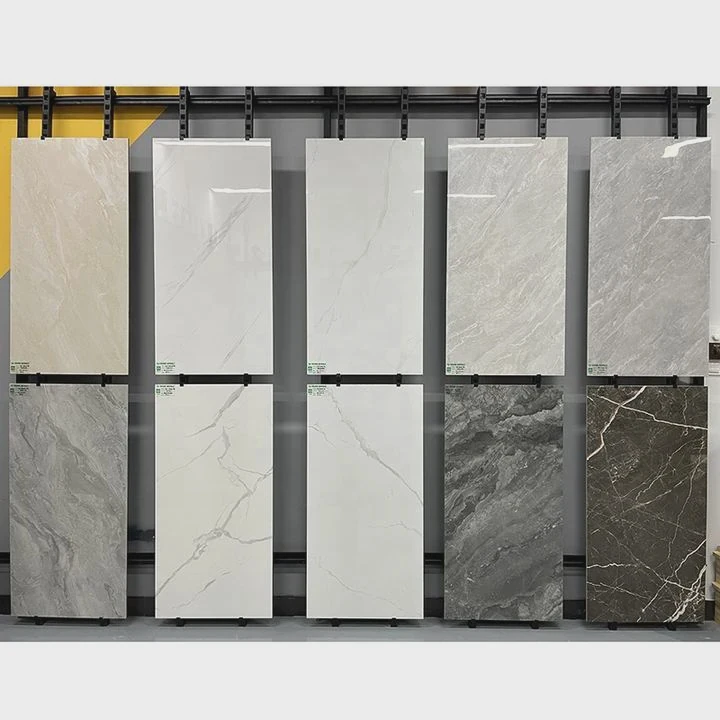
When porcelain tiles lose their visual appeal, many people consider polishing as a solution. The effectiveness of polishing depends largely on the type of porcelain tile installed.
Polishing can improve the appearance of certain porcelain tiles by removing surface haze and restoring clarity, but not all porcelain products require or benefit from traditional polishing methods.
Understanding the tile finish is important before beginning any polishing process.
Types of Porcelain Finishes
Porcelain tiles are available in several finishes.
These include:
- Polished porcelain
- Glazed porcelain
- Matte porcelain
- Textured porcelain
- Satin-finish porcelain
Each finish reacts differently to polishing.
Polished Porcelain Tiles
Polished porcelain undergoes a manufacturing process that creates a reflective surface.
Over time, dirt and residue may reduce the shine.
In many cases, deep cleaning restores much of the original appearance without additional polishing.
Glazed Porcelain Tiles
Glazed porcelain receives its shine from a protective glaze layer.
Traditional floor polishing compounds do not increase gloss significantly because the glaze already provides the finish.
The focus should remain on cleaning rather than aggressive polishing.
Matte Porcelain Tiles
Matte porcelain is designed to have a low-gloss appearance.
Many owners mistakenly believe these tiles have become dull.
In reality, the finish is often performing exactly as intended.
Professional Buffing
Professional restoration companies sometimes use specialized equipment to improve surface appearance.
This process may involve:
| Method | Purpose |
|---|---|
| Mechanical buffing | Removes surface residue |
| Micro-polishing pads | Improves visual clarity |
| Deep cleaning machines | Removes embedded dirt |
| Surface restoration systems | Enhances reflective appearance |
Common Misconceptions
Many people associate porcelain maintenance with natural stone care.
This creates confusion because porcelain behaves differently.
Natural stone often requires regular polishing and sealing.
Porcelain generally requires much less intervention.
When Polishing Makes Sense
Polishing may help when:
- Surface haze remains after cleaning
- Construction residue is present
- Hard water deposits affect appearance
- Heavy traffic has reduced visual clarity
The key is identifying the real cause of dullness before investing in polishing products or services.
In many situations, a thorough cleaning process delivers results similar to polishing.
Is Sealing Required for Porcelain Tiles?
Many property owners hear conflicting advice about sealing porcelain tile. Some believe every tile needs a sealer, while others say sealing is unnecessary.
Most porcelain tiles do not require sealing because porcelain is highly dense and absorbs very little water. However, grout lines and some unglazed porcelain products may benefit from sealing.
The answer depends on the specific type of porcelain installed.
Why Porcelain Is Different
Porcelain is manufactured at very high temperatures.
This process creates a dense structure with extremely low porosity.
Because very little moisture enters the tile, sealing is often unnecessary.
Glazed Porcelain Tiles
Glazed porcelain already contains a protective surface layer.
The glaze acts as a barrier against stains and moisture.
In most cases, applying a sealer to glazed porcelain provides little benefit.
Unglazed Porcelain Tiles
Unglazed porcelain may absorb slightly more contaminants than glazed products.
Some manufacturers recommend sealing these surfaces to improve stain resistance.
Always follow the manufacturer’s instructions.
The Importance of Grout Sealing
While porcelain tiles often do not need sealing, grout is a different story.
Grout is more porous than porcelain and can absorb:
- Water
- Dirt
- Oils
- Food stains
- Cleaning chemicals
For this reason, grout sealing is often recommended.
Comparing Tile and Grout Protection
| Surface | Sealing Requirement |
|---|---|
| Glazed porcelain | Usually not required |
| Polished porcelain | Usually not required |
| Unglazed porcelain | Sometimes recommended |
| Cement-based grout | Often recommended |
| Epoxy grout | Usually not required |
Risks of Unnecessary Sealers
Applying unnecessary products can sometimes create problems.
Potential issues include:
- Surface streaking
- Uneven appearance
- Increased maintenance
- Residue buildup
A tile that already performs well may not benefit from additional coatings.
Checking Manufacturer Guidelines
Whenever possible, consult the product specifications.
As a porcelain tile manufacturer, we often recommend that customers review technical documentation before applying aftermarket treatments.
Different tile collections may have unique maintenance requirements.
The safest approach is to match the care method to the specific porcelain product installed.
How to Maintain Long-Lasting Tile Shine?
Many homeowners successfully restore shine but struggle to keep it. Long-term appearance depends more on daily habits than occasional deep cleaning.
To maintain long-lasting porcelain tile shine, remove dirt regularly, use proper cleaning products, prevent residue buildup, protect the surface from abrasion, and address stains quickly.
Consistent maintenance helps preserve the tile’s original finish.
Create a Regular Cleaning Schedule
A simple schedule prevents dirt accumulation.
For most residential spaces:
- Sweep or vacuum several times per week
- Damp mop weekly
- Deep clean monthly
- Inspect grout periodically
Regular care requires less effort than major restoration.
Control Dirt at Entry Points
A large amount of floor wear begins at entrances.
Outdoor debris often contains:
- Sand
- Dust
- Small stones
- Soil particles
These materials can reduce surface clarity over time.
Use Quality Floor Mats
Floor mats help trap contaminants before they reach the tile.
Strategic placement includes:
- Front entrances
- Rear doors
- Garage entries
- Commercial access points
This simple step significantly reduces maintenance needs.
Choose Appropriate Cleaning Tools
The wrong tools can affect tile appearance.
Recommended tools include:
Microfiber Mops
These capture dirt efficiently and leave minimal residue.
Soft Brushes
Useful for grout cleaning without scratching the tile.
Vacuum Cleaners with Hard Floor Settings
These remove debris safely.
Avoid abrasive brushes and harsh scrubbing pads.
Address Water Spots Quickly
Water spots can reduce shine, especially in bathrooms and kitchens.
Hard water deposits often create a cloudy appearance.
Drying surfaces after cleaning helps minimize these issues.
Protect High-Traffic Areas
Heavy traffic can make some sections appear less reflective than others.
Consider:
- Area rugs
- Protective mats
- Furniture pads
These measures reduce wear while preserving the visual consistency of the floor.
Long-Term Maintenance Checklist
Daily
- Remove loose dirt
Weekly
- Damp mop with pH-neutral cleaner
Monthly
- Perform deep cleaning
Annually
- Inspect grout condition
- Evaluate high-traffic areas
- Remove any buildup or stains
Common Causes of Dull Porcelain Tiles
Many shine problems originate from preventable issues.
The most common causes include:
| Cause | Effect on Appearance |
|---|---|
| Soap residue | Cloudy finish |
| Hard water deposits | Surface haze |
| Dirt accumulation | Reduced reflection |
| Improper cleaners | Film buildup |
| Neglected grout | Overall dull appearance |
When these factors are controlled, porcelain tiles can maintain their beauty for many years.
High-quality porcelain products are designed to resist wear, stains, and moisture. With proper maintenance, the original finish often remains attractive long after installation.
Conclusion
Making porcelain tile shine starts with proper cleaning and continues with consistent maintenance. The right cleaners remove residue, polishing may improve appearance in some cases, and most porcelain tiles do not require sealing. By preventing buildup and caring for the surface regularly, porcelain tiles can maintain a bright and attractive appearance for many years.