What is vinyl composition tile?
- Sinotiles
- 2026-07-24
Many floors become damaged because they cannot handle daily pressure, heavy traffic, and frequent cleaning. Choosing the wrong flooring material can increase repair costs and reduce space quality.
Vinyl composition tile, also called VCT, is a commercial flooring material made from vinyl, limestone, and other mineral components. It is known for durability, affordable cost, and flexible design options.
When I look at flooring solutions for different spaces, I often find that VCT remains a practical choice because it balances price, performance, and appearance. It may not be the newest flooring technology, but it still supports many projects where reliability matters.
What materials make up VCT flooring?
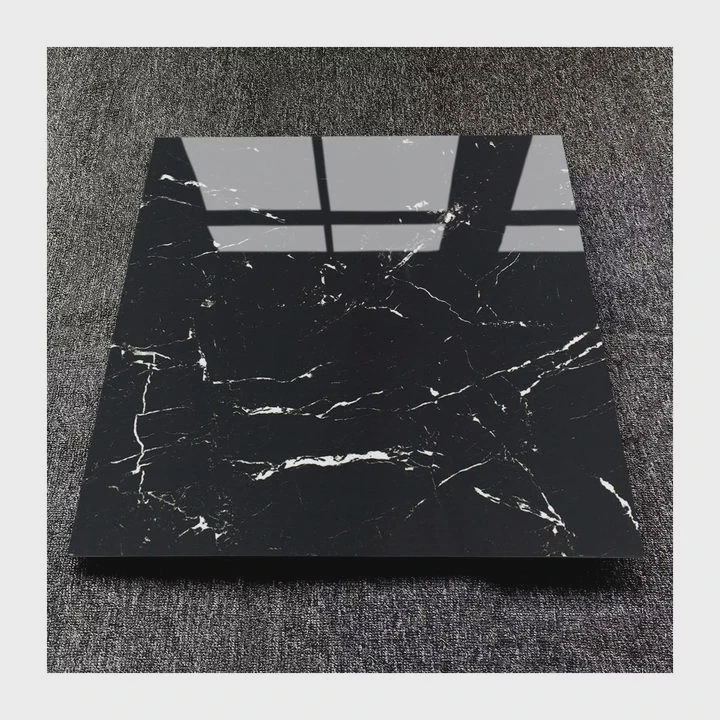
Vinyl composition tile flooring is made from a mixture of vinyl resins, natural limestone, pigments, and other additives. These materials create a dense tile structure that can handle regular use in busy areas.
The main difference between VCT and other vinyl flooring products is the amount of mineral content. VCT contains a high percentage of limestone filler. This makes the tile harder and more stable compared with some flexible vinyl products.
Main components of VCT flooring
| Material | Function | Effect on flooring |
|---|---|---|
| Vinyl resin | Provides structure and flexibility | Helps create a strong surface |
| Limestone | Adds hardness and density | Improves durability |
| Pigments | Creates colors and patterns | Supports design options |
| Plasticizers | Improves flexibility | Helps reduce cracking |
| Protective finishes | Adds surface protection | Improves wear resistance |
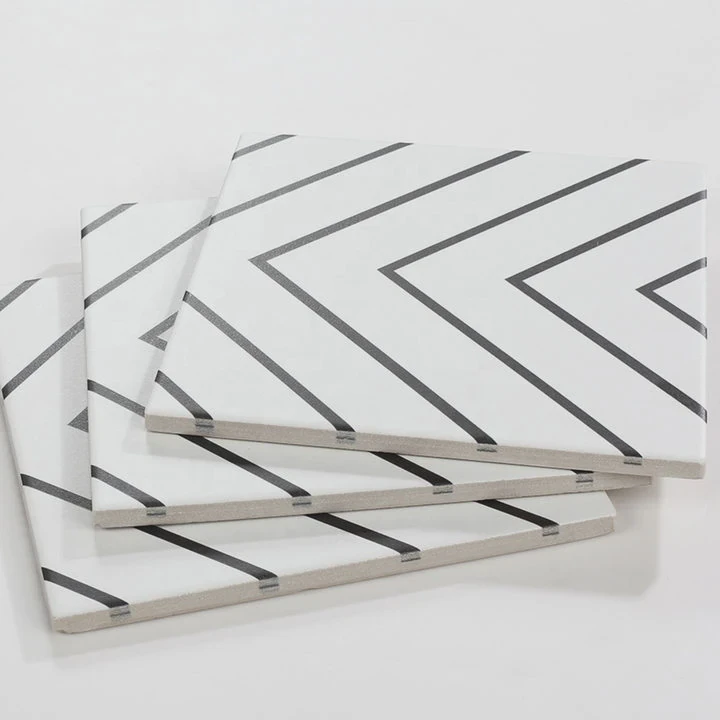
The manufacturing process combines these materials under high pressure and heat. The result is a solid tile with consistent thickness and a smooth surface. VCT is usually produced in square shapes, with common sizes such as 12x12 inches, although other sizes are also available.
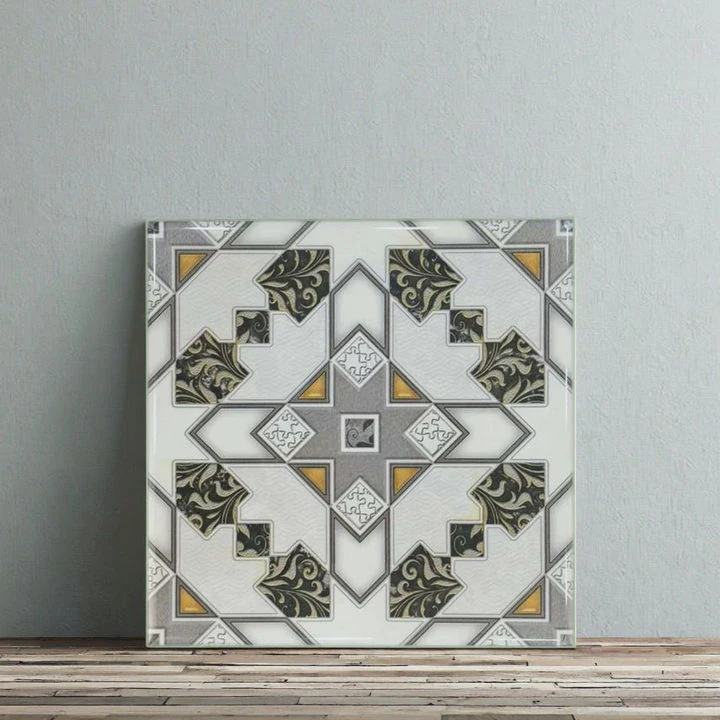
The design flexibility of VCT is one reason why many architects and contractors still choose it. Manufacturers can create many colors, patterns, and layouts. Designers can combine different tiles to create borders, paths, logos, or decorative effects.
Why material composition matters
The material structure directly affects flooring performance. A tile with more mineral content usually provides better resistance against heavy foot traffic. This is important in schools, hospitals, offices, and retail spaces.
However, VCT is not completely maintenance-free. Because the surface is not naturally sealed like some porcelain tiles, it usually requires finishing and regular care. The material performs best when the installation and maintenance process are both managed correctly.
From my experience with building materials, I understand that every product has a suitable environment. VCT is not designed to replace every flooring type. Instead, it provides a reliable solution for projects that need strong performance at a reasonable cost.
The material also offers advantages in repair situations. If one area becomes damaged, individual tiles can often be replaced without removing the entire floor. This feature helps reduce long-term maintenance expenses.
VCT continues to be used because its basic structure solves common flooring problems. It offers a balance between strength, design choices, and budget control. For many commercial projects, this balance is more important than choosing the most expensive material.
Where is VCT commonly installed?
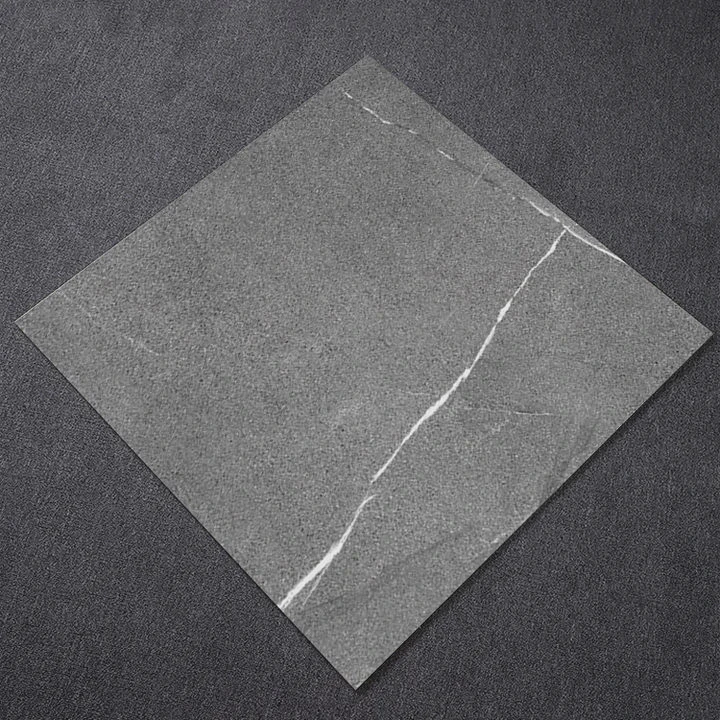
VCT is commonly installed in commercial and institutional buildings where floors receive heavy daily use. It is popular because it can handle large numbers of people, regular cleaning, and frequent movement.
Typical locations include schools, hospitals, offices, supermarkets, airports, and public buildings. These spaces need flooring that looks clean, performs well, and remains affordable.
Common VCT installation areas
| Location | Why VCT is suitable |
|---|---|
| Schools | Handles heavy student traffic |
| Hospitals | Easy to clean and maintain |
| Offices | Provides professional appearance |
| Retail stores | Supports decorative designs |
| Public buildings | Offers cost-effective flooring |
Schools are one of the most common places for VCT flooring. Classrooms and hallways experience constant movement every day. VCT provides a durable surface that can handle chairs, desks, and thousands of footsteps.
Hospitals and healthcare facilities also use VCT because cleanliness is important. The smooth surface allows regular cleaning routines. Different colors can also help create clear area divisions inside large facilities.
Retail stores often choose VCT because appearance matters. The wide range of colors allows designers to create attractive patterns that support brand identity. A well-designed floor can improve the customer experience.
VCT in commercial projects
Commercial buildings usually consider three important factors when selecting flooring:
- Initial cost
- Long-term maintenance
- Replacement flexibility
VCT performs well in all three areas. The installation cost is often lower than many premium flooring options. Maintenance systems are also well known because many cleaning teams have experience with this material.
Large commercial projects often need consistent flooring across many rooms. VCT can provide this because manufacturers produce large quantities with stable colors and sizes.
However, the installation surface must be prepared carefully. Uneven subfloors can affect the final appearance. Proper adhesive selection and professional installation help improve performance.
In my view, the location should always guide the flooring choice. A material that works well in an office may not be the best choice for a wet environment. VCT is strong for dry indoor areas, but it may not be ideal for places with constant moisture exposure.
For example, bathrooms, outdoor areas, and spaces with direct water contact usually require different materials. Porcelain tiles or other waterproof flooring options may provide better results in those situations.
VCT remains valuable because many buildings need practical flooring rather than luxury flooring. It helps owners control project costs while still achieving a clean and professional appearance.
The continued use of VCT shows that traditional materials can still have a place in modern construction. Good performance, simple replacement, and flexible design keep this flooring option relevant.
How durable is vinyl composition tile?
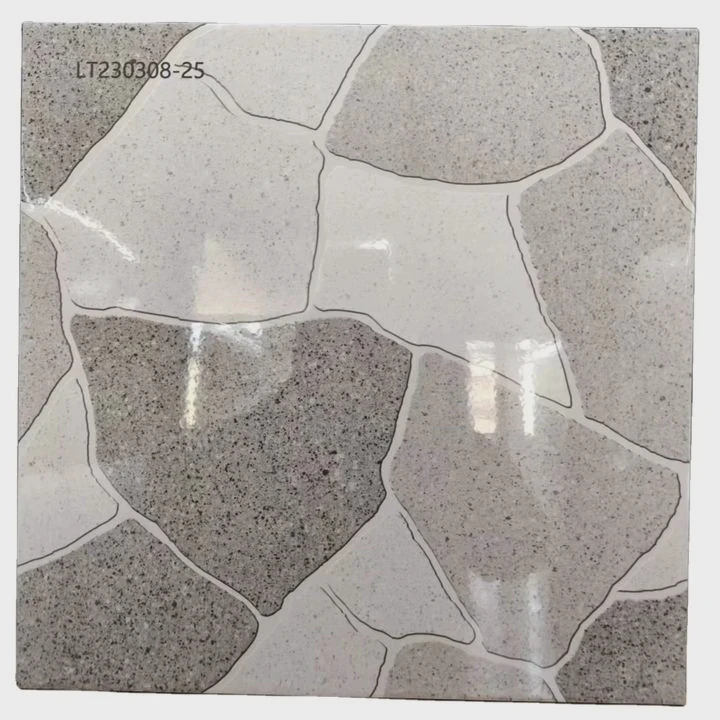
Vinyl composition tile is considered a durable flooring material, especially in areas with heavy foot traffic. Its dense structure helps it resist daily wear when it receives proper care.
The durability of VCT depends on several factors, including installation quality, traffic level, cleaning methods, and surface protection.
Factors that affect VCT durability
| Factor | Impact on durability |
|---|---|
| Installation quality | Creates a stable flooring foundation |
| Floor finish | Protects the surface from damage |
| Cleaning routine | Prevents dirt-related wear |
| Traffic level | Determines expected lifespan |
| Moisture control | Reduces possible damage |
A well-maintained VCT floor can last many years. Many commercial buildings continue using VCT because it provides reliable performance under difficult conditions.
The surface usually requires a protective finish. This finish creates a barrier between daily activity and the tile surface. Without proper protection, the floor may become dull and show scratches more quickly.
Strengths and limitations of VCT
VCT has several strengths:
- Good resistance to heavy traffic
- Easy replacement of damaged tiles
- Wide design selection
- Affordable installation cost
However, VCT also has limitations:
- It can be affected by moisture.
- It needs regular refinishing.
- It may show wear without proper care.
The durability of VCT is not only about the material itself. A good maintenance plan can greatly extend its service life. Many flooring problems happen because owners choose a material but ignore the care process.
When comparing VCT with ceramic or porcelain tiles, each material has different advantages. Porcelain tiles usually provide stronger water resistance and a harder surface. VCT provides easier repair and lower installation costs.
For commercial buyers, the decision often depends on project goals. A hospital or school may value easy replacement and maintenance. A luxury hotel may focus more on premium appearance and unique design.
From a material selection perspective, I believe durability should match real usage. A strong product in the wrong environment can still fail. The best flooring solution combines correct material choice, proper installation, and regular care.
VCT continues to be trusted because it has proven performance in demanding spaces. It is not only about the first installation cost. It is about how the floor performs after years of daily use.
Does VCT require regular maintenance?
VCT requires regular maintenance to keep its appearance and extend its lifespan. Unlike some flooring materials that need little care, VCT depends on cleaning and protective treatments.
A proper maintenance plan helps prevent scratches, stains, and surface wear. It also keeps the floor looking professional in busy buildings.
Basic VCT maintenance steps
- Remove dust and dirt regularly.
- Clean spills quickly.
- Use suitable floor cleaners.
- Apply protective finishes when needed.
- Perform deep cleaning based on traffic conditions.
Daily cleaning is important because dirt particles can act like small abrasives. Over time, these particles can damage the surface finish.
Maintenance schedule example
| Maintenance activity | Suggested frequency |
|---|---|
| Sweeping or dust removal | Daily |
| Regular cleaning | Several times per week |
| Floor polishing | Based on traffic |
| Deep cleaning | Periodically |
| Finish replacement | When surface protection decreases |
The exact schedule depends on the environment. A shopping center needs more frequent care than a small office. High-traffic areas usually require stronger maintenance plans.
Proper maintenance also improves appearance. VCT can become dull when protective layers wear away. Professional polishing and refinishing can restore the surface and improve the visual quality.
I often compare flooring maintenance with product care in other industries. A high-quality material still needs attention. Regular care protects the original investment and reduces future replacement costs.
The cleaning products also matter. Strong chemicals may damage finishes if they are used incorrectly. Building managers should follow recommended cleaning methods to protect the floor.
VCT maintenance is one reason many organizations create detailed cleaning plans. The material is affordable, but its long-term value depends on responsible management.
For businesses, maintenance is part of operating cost. A floor that looks clean can also influence customer impressions and workplace comfort. A well-maintained VCT floor supports both practical and visual goals.
Although VCT needs regular attention, the maintenance process is familiar and manageable. Many professional cleaning teams understand how to care for this flooring system. This makes VCT a realistic choice for large facilities.
Conclusion
Vinyl composition tile is a durable and affordable flooring option made from vinyl, limestone, and other materials. It works well in commercial spaces when installation and maintenance are managed properly.