What Is Vinyl Tile?
- Sinotiles
- 2026-04-21
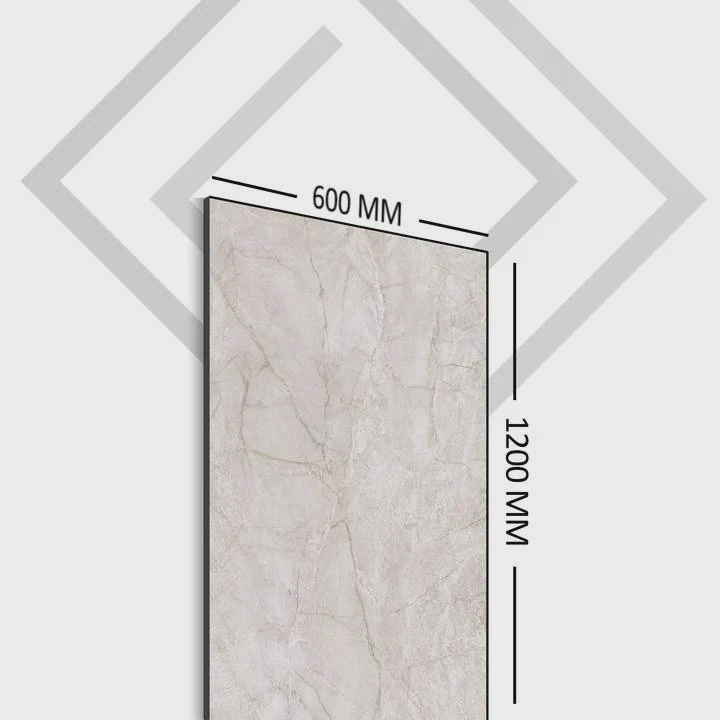
Vinyl tile often confuses buyers. Many people struggle to choose between options. This leads to wrong purchases and wasted money.
Vinyl tile is a synthetic flooring material made from PVC layers. It is durable, water-resistant, and designed to mimic natural materials like wood or stone at a lower cost.
This topic matters because flooring choices affect cost, durability, and style. Understanding vinyl tile helps avoid mistakes and improves project results.
How is vinyl tile different from ceramic tile?
Many buyers feel stuck when choosing between vinyl tile and ceramic tile. The wrong choice can lead to higher costs or poor performance.
Vinyl tile is softer, more flexible, and easier to install than ceramic tile, while ceramic tile is harder, more durable, and more resistant to heat and scratches.
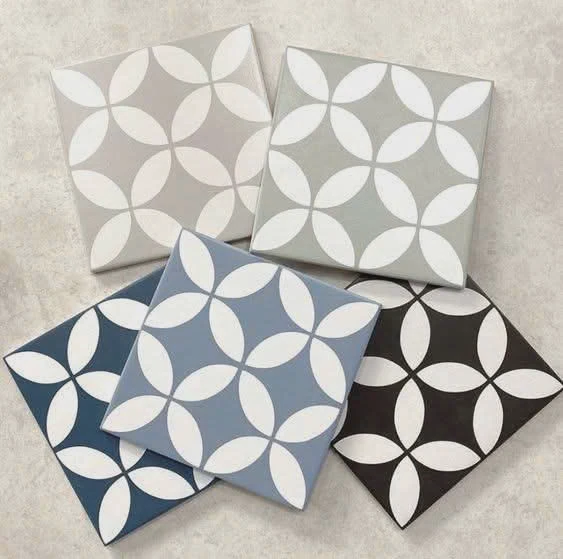
Vinyl tile and ceramic tile serve similar purposes, but they behave very differently in real use. The key difference starts with materials. Vinyl tile is made from PVC, which is a type of plastic. Ceramic tile is made from natural clay and fired at high temperatures. This basic difference affects everything else.
Material and Structure
Vinyl tile has multiple layers. These include a wear layer, a printed design layer, and a backing layer. Ceramic tile is solid and rigid. It does not bend.
Performance Comparison
| Feature | Vinyl Tile | Ceramic Tile |
|---|---|---|
| Flexibility | Flexible | Rigid |
| Water Resistance | High | Very high |
| Installation | Easy | Complex |
| Comfort | Soft underfoot | Hard and cold |
| Cost | Lower | Higher |
Vinyl tile feels warmer and softer. This makes it good for homes, especially where people walk barefoot. Ceramic tile feels cold and hard. It is better for areas that need high durability.
Installation and Labor
Vinyl tile is easier to install. Many types use click systems or adhesive backing. This reduces labor costs. Ceramic tile needs mortar, grout, and skilled workers. Installation takes more time.
Maintenance and Repair
Vinyl tile is easy to clean. If one piece is damaged, it can be replaced quickly. Ceramic tile is harder to repair. Cracked tiles require more effort to remove and replace.
From experience in supply projects, many clients choose vinyl tile when they want faster installation and lower cost. Ceramic tile is still chosen for luxury or heavy-duty spaces.
Why is vinyl tile popular in flooring projects?
Many flooring materials exist, yet vinyl tile stands out. Buyers often wonder why it is so widely used.
Vinyl tile is popular because it offers a balance of affordability, durability, design variety, and easy installation, making it suitable for both residential and commercial projects.

Vinyl tile has grown fast in global markets. This is not random. It solves real problems for buyers and contractors.
Cost Advantage
Budget is always a concern. Vinyl tile costs less than many natural materials. It also reduces installation costs. This makes it attractive for large projects.
Design Flexibility
Vinyl tile can copy many looks. It can look like wood, marble, or concrete. Printing technology has improved a lot. The surface looks more real than before.
Durability in Daily Use
Vinyl tile handles daily wear well. It resists scratches and stains. It also handles moisture better than wood flooring.
Key Benefits Overview
| Benefit | Impact on Projects |
|---|---|
| Low Cost | Reduces total project budget |
| Easy Installation | Saves time and labor |
| Water Resistance | Suitable for wet areas |
| Design Variety | Meets different style needs |
| Low Maintenance | Reduces long-term costs |
Market Demand
In many export markets, vinyl tile demand keeps rising. Buyers want products that are easy to sell and install. Vinyl tile meets both needs.
Practical Use Cases
In one project, a contractor needed fast delivery and quick installation. Vinyl tile solved both problems. The project finished earlier than planned. This kind of result drives repeat orders.
Vinyl tile fits modern construction speed. It reduces delays and simplifies decisions. That is why it keeps growing in popularity.
Where is vinyl tile commonly installed?
Choosing the wrong flooring location can lead to damage or complaints. Many buyers are unsure where vinyl tile works best.
Vinyl tile is commonly installed in kitchens, bathrooms, living rooms, offices, and commercial spaces due to its water resistance, durability, and comfort.
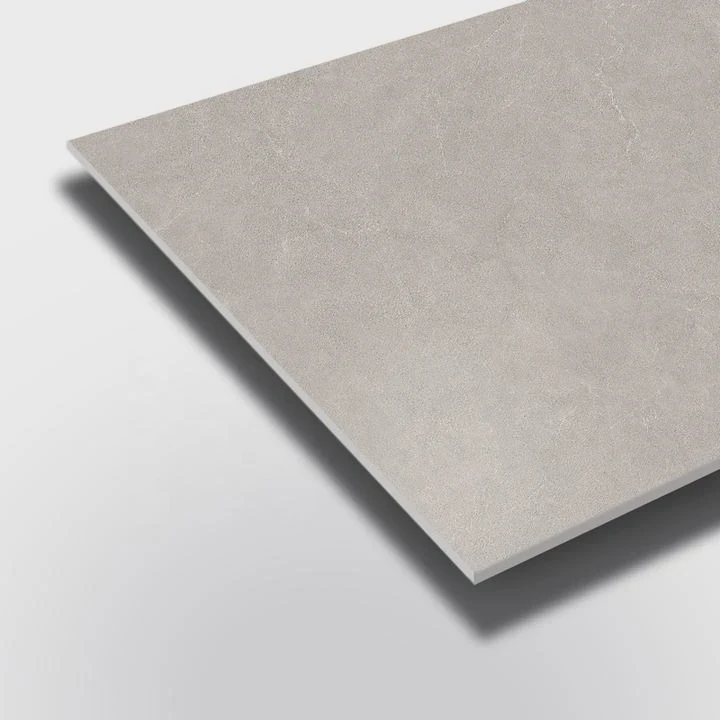
Vinyl tile is very flexible in use. It works in many environments, but each space has different needs.
Residential Spaces
In homes, vinyl tile is often used in:
- Kitchens
- Bathrooms
- Living rooms
- Bedrooms
It performs well in kitchens and bathrooms because it resists water. It also feels softer than ceramic tile, which improves comfort.
Commercial Spaces
Vinyl tile is also used in:
- Offices
- Retail stores
- Hotels
- Restaurants
These places need durable flooring. Vinyl tile handles foot traffic well and is easy to maintain.
Area Suitability Table
| Area Type | Suitability Level | Reason |
|---|---|---|
| Kitchen | High | Water resistance |
| Bathroom | High | Moisture protection |
| Living Room | High | Comfort and design |
| Office | High | Durability and easy cleaning |
| Outdoor Area | Low | Not designed for weather |
Limitations
Vinyl tile is not ideal for outdoor use. Extreme heat or sunlight can affect it. It also may not handle very heavy loads like stone flooring.
Installation Considerations
The subfloor must be smooth and clean. Any uneven surface can show through vinyl tile. This is an important detail many people ignore.
Real Project Insight
In one hotel project, vinyl tile was used in guest rooms and corridors. The result was positive. The maintenance team reported fewer issues compared to carpet.
Vinyl tile works best where moisture, comfort, and cost matter. Choosing the right area improves its performance.
Can vinyl tile mimic natural materials effectively?
Many buyers want the look of wood or stone but cannot afford the cost. This creates a gap between design and budget.
Yes, vinyl tile can effectively mimic natural materials using advanced printing and texture technology, offering realistic visuals and textures at a lower cost.
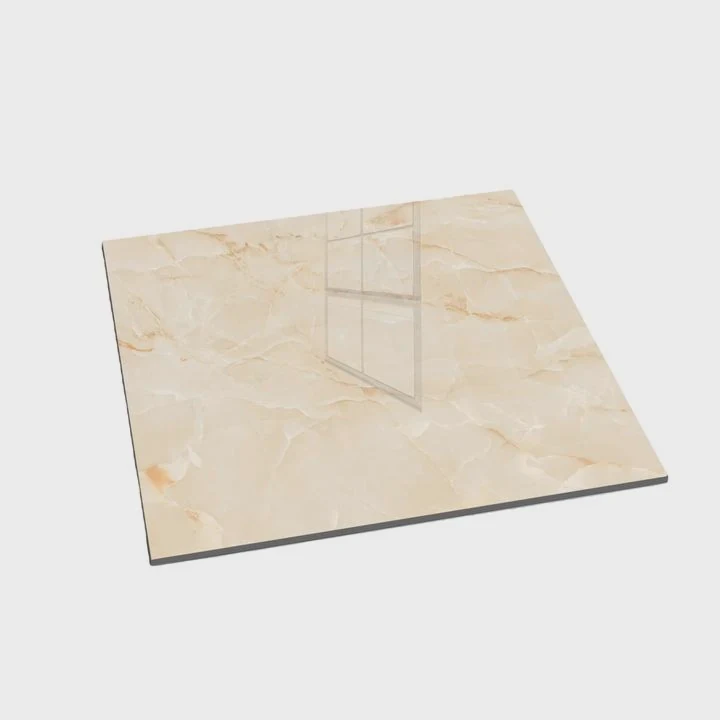
Modern vinyl tile has improved a lot in design. It is no longer simple or fake-looking. It now offers high visual quality.
Printing Technology
Vinyl tile uses high-resolution printing. This creates detailed patterns. Wood grains and stone textures look more real.
Surface Texture
Some vinyl tiles have embossed surfaces. This means the texture matches the design. When touched, it feels closer to real wood or stone.
Comparison with Natural Materials
| Aspect | Vinyl Tile | Natural Material |
|---|---|---|
| Cost | Lower | Higher |
| Weight | Light | Heavy |
| Installation | Easy | Complex |
| Appearance | Very realistic | Authentic |
Advantages Over Natural Materials
Vinyl tile does not crack like stone. It does not warp like wood. It also requires less maintenance. These advantages matter in long-term use.
Limitations in Realism
Vinyl tile is close, but not perfect. Experts can still see the difference. However, for most users, the visual effect is enough.
Design Trends
Many projects now use wood-look vinyl tile. It gives a warm feeling without the problems of real wood. Stone-look vinyl is also popular in commercial spaces.
Practical Experience
In a showroom project, vinyl tile replaced natural marble. The client reduced cost by a large margin. Visitors still believed it was real stone at first glance.
Vinyl tile offers a strong balance between design and cost. It helps projects achieve style goals without overspending.
Conclusion
Vinyl tile is a smart flooring choice. It balances cost, design, and performance. It works in many spaces and meets modern project needs.