How to Cut Stick on Tile?
- Sinotiles
- 2026-04-21
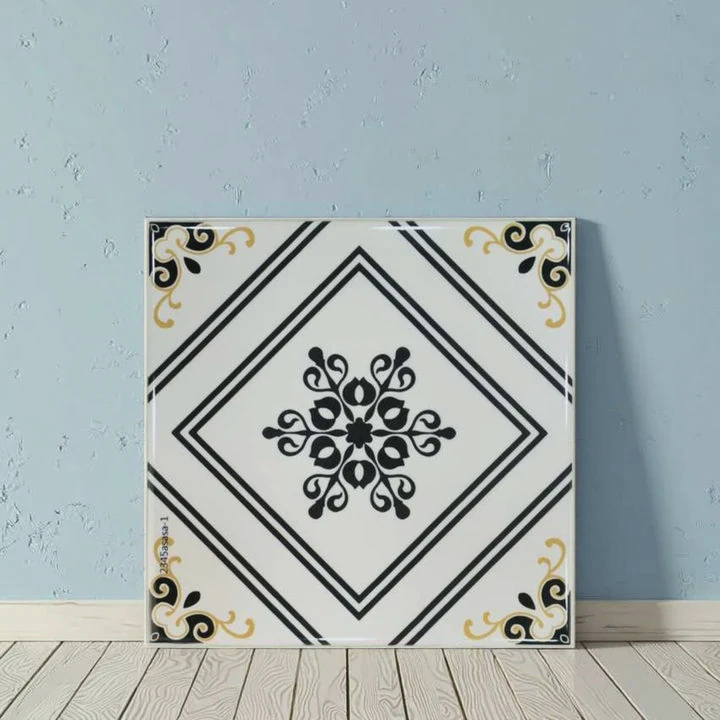
Cutting stick-on tiles can feel tricky at first. Many people struggle with rough edges, wrong sizes, and wasted materials.
The best way to cut stick-on tiles is to use the right tools, measure carefully, and apply simple cutting techniques that keep edges clean and straight.
Once the basics are clear, the process becomes simple and repeatable. With a few practical steps, clean cuts and professional results are easy to achieve.
What tools are best for cutting adhesive tiles?
Many beginners use the wrong tools. This often leads to jagged edges, cracked surfaces, and wasted tiles.
The best tools for cutting adhesive tiles include utility knives, tile cutters, scissors for thin tiles, and straight edges for guidance.
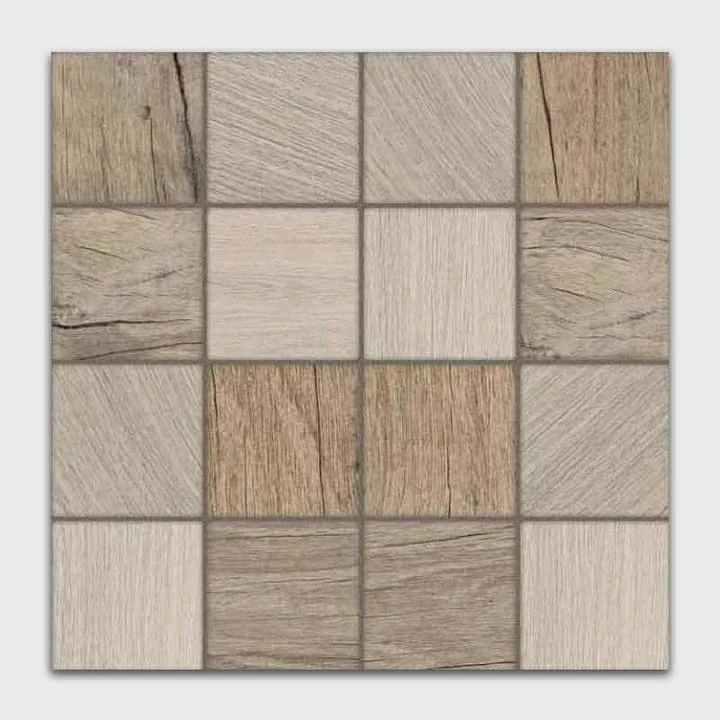
Choosing the right tool depends on the type of tile. Not all stick-on tiles are the same. Some are soft and flexible, while others are thicker and more rigid. A smart choice of tools helps improve both speed and accuracy.
Common Cutting Tools and Their Uses
| Tool Name | Best For | Pros | Cons |
|---|---|---|---|
| Utility Knife | Most stick-on tiles | Precise, affordable | Needs steady hand |
| Scissors | Thin vinyl tiles | Easy to use | Not for thick tiles |
| Tile Cutter | Thick or rigid tiles | Clean straight cuts | Higher cost |
| Metal Ruler | Guiding straight cuts | Improves accuracy | Needs pairing with knife |
Why Tool Choice Matters
A utility knife is often the first choice. It works well for most peel-and-stick tiles. It allows controlled scoring, which means cutting in layers instead of forcing through at once. This reduces cracking.
Scissors are useful, but only for very thin materials. Trying to cut thick tiles with scissors often causes bending or uneven edges.
Manual tile cutters are helpful when working on large projects. They provide consistent results, especially for straight lines. However, they may not handle small or detailed cuts well.
Practical Tip from Experience
On one project, switching from scissors to a sharp utility knife improved cutting speed and reduced waste by nearly half. The difference came from cleaner edges and fewer mistakes.
Additional Helpful Tools
- Cutting mat: protects surfaces
- Pencil or marker: for marking lines
- Measuring tape: ensures correct sizing
Using the right combination of tools makes the process smoother. It also reduces stress during installation.
How do you mark cuts accurately on stick tiles?
Poor marking leads to bad cuts. Even a small mistake can ruin alignment and waste materials.
Accurate marking requires proper measurement, clear guidelines, and stable positioning before cutting begins.
Marking is a simple step, but it has a big impact. Many cutting issues come from incorrect measurements rather than poor cutting skills.
Step-by-Step Marking Process
- Measure the space carefully
- Transfer measurements onto the tile
- Use a straight edge to draw lines
- Double-check before cutting
Tools for Accurate Marking
| Tool | Purpose | Benefit |
|---|---|---|
| Measuring Tape | Measure tile size | Prevents size errors |
| Pencil | Mark cutting lines | Easy to adjust |
| Square Ruler | Ensure right angles | Keeps cuts straight |
| Chalk Line | Mark long lines | Good for large tiles |
Why Double-Checking Matters
A common mistake is cutting immediately after marking. Taking a few seconds to recheck measurements can prevent major errors. This step saves both time and materials.
Alignment Tips
- Always mark on the front side for visibility
- Use light lines to avoid permanent marks
- Keep tiles flat while marking
Real-World Insight
During a renovation project, improper marking caused gaps between tiles. Fixing it required re-cutting several pieces. After switching to a square ruler and double-checking measurements, the issue disappeared.
Handling Complex Cuts
For corners or irregular shapes, create a paper template first. Then transfer the shape onto the tile. This reduces risk and improves precision.
Accurate marking is the foundation of clean cutting. Without it, even the best tools cannot deliver good results.
Which techniques prevent uneven edges?
Uneven edges are one of the most common problems. They make installations look unprofessional and affect alignment.
To prevent uneven edges, use controlled scoring, apply steady pressure, and cut along a guided straight line.
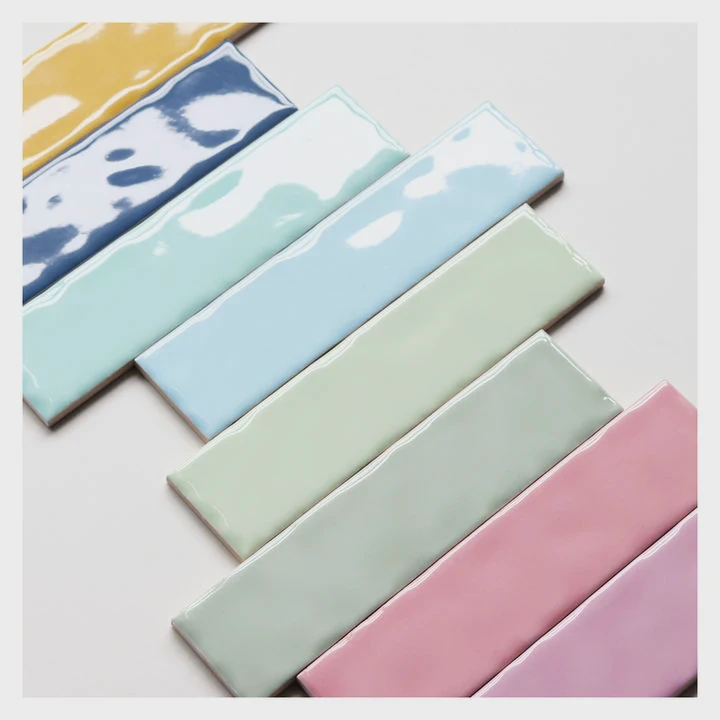
Cutting technique is just as important as the tool itself. Even with a sharp knife, poor technique leads to rough results.
Key Cutting Techniques
1. Scoring Instead of Cutting Deep
Instead of cutting through the tile in one pass, score the surface lightly first. Then repeat the cut with more pressure.
This method:
- Reduces cracking
- Improves control
- Creates cleaner edges
2. Use a Straight Edge
Always guide your knife with a metal ruler or straight edge. Freehand cutting often leads to wavy lines.
3. Maintain Consistent Pressure
Uneven pressure creates jagged edges. Keep your hand steady and move slowly along the line.
Technique Comparison
| Technique | Result Quality | Difficulty Level | Recommended Use |
|---|---|---|---|
| Freehand Cutting | Low | Easy | Small adjustments |
| Guided Cutting | High | Medium | Straight lines |
| Scoring Method | Very High | Medium | Most tile types |
Cutting Angle Matters
Hold the knife at a low angle. This gives better control and smoother cuts. A steep angle increases the chance of slipping.
Surface Preparation
Always cut on a flat, stable surface. A cutting mat or wooden board works best. Uneven surfaces can distort cuts.
Common Mistakes to Avoid
- Rushing the cut
- Using dull blades
- Skipping the scoring step
Practical Lesson
In one installation, switching to a scoring technique reduced edge defects significantly. The tiles fit better, and less trimming was needed later.
Good technique improves both speed and final appearance. It also reduces material waste over time.
Can scissors be used for cutting thin tiles?
Many people try scissors first. Sometimes it works, but sometimes it causes more problems than expected.
Scissors can be used for thin, flexible stick-on tiles, but they are not suitable for thicker or rigid materials.
Understanding when to use scissors is important. They are convenient, but they have limits.
When Scissors Work Well
Scissors are suitable for:
- Thin vinyl tiles
- Soft peel-and-stick materials
- Small or curved cuts
They are easy to handle and require no setup. This makes them ideal for quick adjustments.
When Scissors Should Be Avoided
Avoid using scissors for:
- Thick tiles
- Stone-look or rigid tiles
- Large straight cuts
Using scissors in these cases often leads to bending or cracking.
Pros and Cons of Scissors
| Advantage | Disadvantage |
|---|---|
| Easy to use | Limited cutting power |
| No extra tools needed | Poor edge quality on thick tiles |
| Good for curves | Hard to keep lines straight |
Technique for Better Results
If scissors are used, follow these tips:
- Cut slowly to maintain control
- Use sharp, heavy-duty scissors
- Avoid forcing the material
Combining Tools
In many cases, scissors and knives are used together. Scissors handle curves, while knives handle straight lines.
Practical Insight
During a small DIY project, scissors worked well for trimming around outlets and corners. However, for long edges, switching to a knife produced cleaner results.
Final Thought on Scissors
Scissors are a helpful tool, but not a complete solution. They work best as a secondary option rather than the main cutting tool.
Conclusion
Cutting stick-on tiles becomes simple with the right tools, careful marking, and proper technique. Clean edges and accurate cuts come from patience, not force. With practice, consistent and professional results are easy to achieve.
- Pre: What Is Vinyl Tile?
- Next: How to Cut Holes in Tile?