What Size Tile for Shower Walls?
- Sinotiles
- 2026-06-15
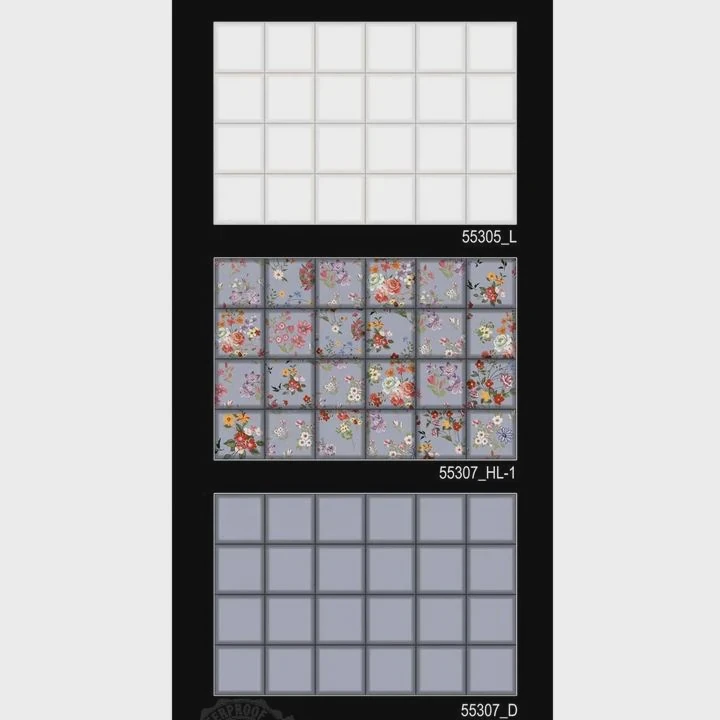
Choosing the wrong tile size for shower walls can make a bathroom feel crowded, increase installation costs, and create unnecessary maintenance issues.
The best tile size for shower walls depends on the shower dimensions, design style, and installation goals. Popular choices include 300x600mm, 600x1200mm, and other rectangular formats because they balance appearance, installation efficiency, and maintenance.
Many homeowners, designers, contractors, and tile distributors focus heavily on color and pattern. However, tile size often has a bigger impact on the final appearance and performance of a shower. Understanding how different sizes affect grout lines, installation, maintenance, and visual space can help buyers make better decisions.
Which Tile Sizes Suit Small Showers Best?
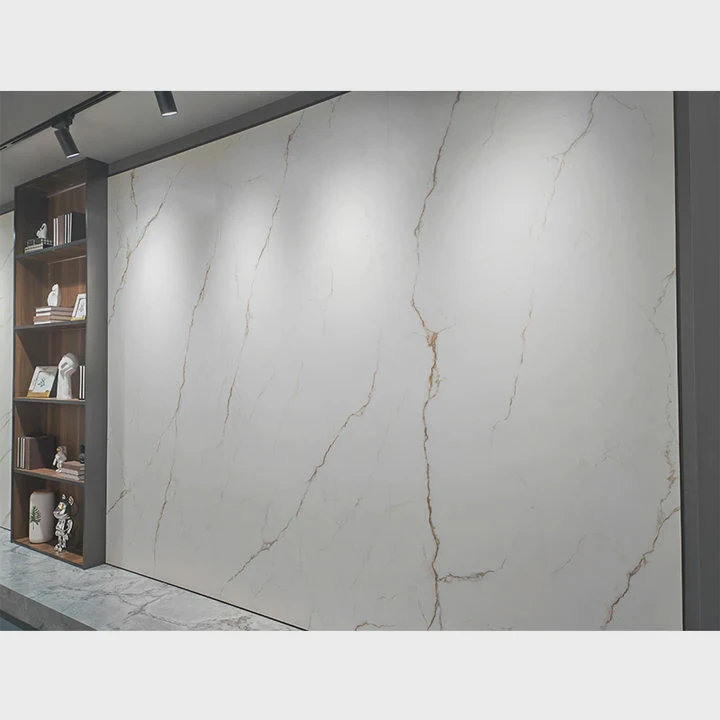
A small shower can easily feel cramped when the wrong tile size is selected. Too many grout lines may create visual clutter and make the space appear even smaller.
For small showers, medium and moderately large tiles such as 300x600mm, 600x600mm, or 600x1200mm often work best because they create a cleaner appearance while maintaining installation flexibility.
Many people assume that small showers always require small tiles. In reality, modern bathroom design often takes the opposite approach.
Why Tile Size Affects Perceived Space
The human eye notices visual interruptions.
Every grout line creates a break in the surface. More breaks can make a wall appear busier and smaller.
Larger tiles generally create:
- Fewer visual divisions
- Cleaner wall surfaces
- Better continuity
- A more spacious appearance
This is one reason why many contemporary bathroom projects use larger wall tiles even in compact spaces.
Common Tile Sizes for Small Showers
Several sizes perform particularly well.
| Tile Size | Suitable for Small Showers | Visual Effect |
|---|---|---|
| 100x100mm | Moderate | Decorative and detailed |
| 300x300mm | Good | Traditional appearance |
| 300x600mm | Excellent | Balanced proportions |
| 600x600mm | Very Good | Modern look |
| 600x1200mm | Excellent | Spacious visual effect |
The 300x600mm format remains one of the most widely used options worldwide because it combines versatility and practicality.
Vertical Installation Advantages
Rectangular tiles installed vertically can visually increase wall height.
This approach helps create:
- Taller appearance
- More elegant proportions
- Strong visual direction
In compact bathrooms, this effect can significantly improve the perceived size of the room.
Large Tiles in Small Spaces
A common misconception is that large tiles overwhelm small showers.
Modern installers frequently use large-format tiles because they:
- Reduce grout lines
- Simplify cleaning
- Create luxury aesthetics
- Enhance visual continuity
The key is proper planning and layout.
Factors Beyond Size
Tile size should not be selected in isolation.
Other considerations include:
- Shower dimensions
- Niche locations
- Plumbing fixtures
- Drain positioning
- Tile pattern
Popular Design Trends
Current market demand shows strong interest in:
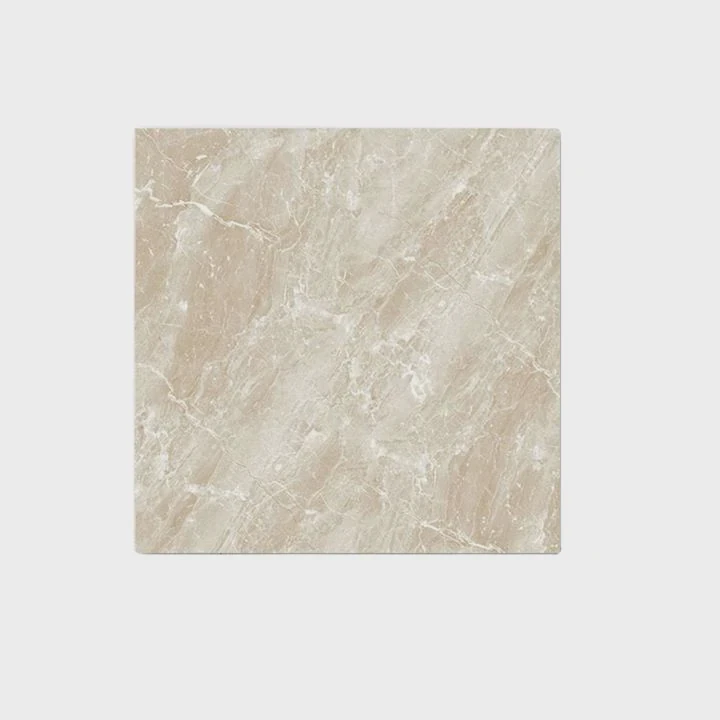
- Marble-look 600x1200mm tiles
- Stone-look rectangular formats
- Large porcelain panels
- Minimal grout designs
Many buyers from North America, Europe, and the Middle East specifically request larger wall formats because they create a premium appearance without significantly increasing maintenance requirements.
A well-selected tile size can make even a compact shower feel brighter, cleaner, and more comfortable.
Does Large Tile Reduce Grout Lines?
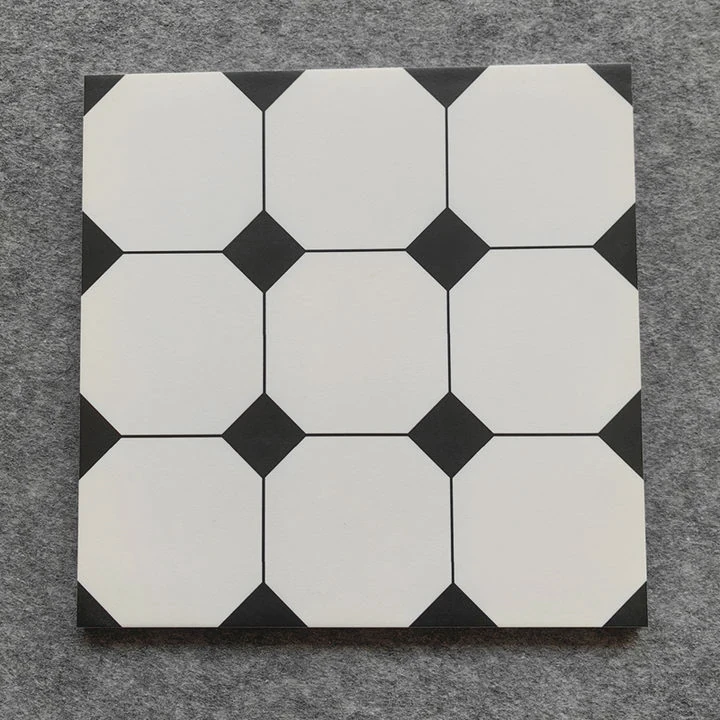
Many homeowners dislike cleaning grout. Excessive grout lines can collect dirt, soap residue, and moisture over time.
Yes, large tiles significantly reduce grout lines because fewer pieces are required to cover the same wall area. This creates a cleaner appearance and can simplify long-term maintenance.
One of the biggest reasons for the growing popularity of large-format shower tiles is the reduction of visible grout joints.
Understanding the Difference
Consider a simple wall area.
A wall covered with small tiles may require dozens of grout joints.
The same wall covered with large-format tiles may require only a few.
This difference directly affects appearance and maintenance.
Visual Comparison
| Tile Size | Number of Grout Lines | Visual Appearance |
|---|---|---|
| Small mosaic | Very High | Busy |
| 300x300mm | High | Traditional |
| 300x600mm | Moderate | Balanced |
| 600x1200mm | Low | Modern |
| Large slab | Very Low | Luxury |
As tile size increases, grout line visibility decreases.
Maintenance Benefits
Fewer grout lines often mean:
- Easier cleaning
- Less soap buildup
- Reduced mold risk
- Faster maintenance
This benefit becomes particularly valuable in shower environments where moisture exposure occurs daily.
Design Advantages
Many designers prefer larger wall tiles because they create a seamless appearance.
Benefits include:
- Continuous visual flow
- Reduced visual clutter
- Modern aesthetics
- Greater focus on tile patterns
Marble-look porcelain tiles especially benefit from larger formats because the veining appears more natural across wider surfaces.
Impact on Waterproofing
Some people assume fewer grout lines automatically improve waterproofing.
In reality, waterproofing depends primarily on:
- Waterproof membranes
- Installation quality
- Proper sealing
- Drainage design
Grout quantity alone does not guarantee water resistance.
Large Format Trends
Over recent years, demand has increased for:
- 600x1200mm tiles
- 750x1500mm tiles
- 900x1800mm tiles
- Porcelain slabs
These products help achieve the clean, minimalist appearance many homeowners seek.
Potential Trade-Offs
Reducing grout lines provides many benefits, but larger tiles may also require:
- More accurate wall preparation
- Skilled installation
- Specialized cutting equipment
Despite these requirements, many project owners still prefer larger formats because of the long-term visual advantages.
In many modern bathroom projects, reducing grout lines is one of the first design goals discussed. Large-format tiles provide an effective solution while maintaining durability and style.
Are Big Tiles Harder to Install Vertically?
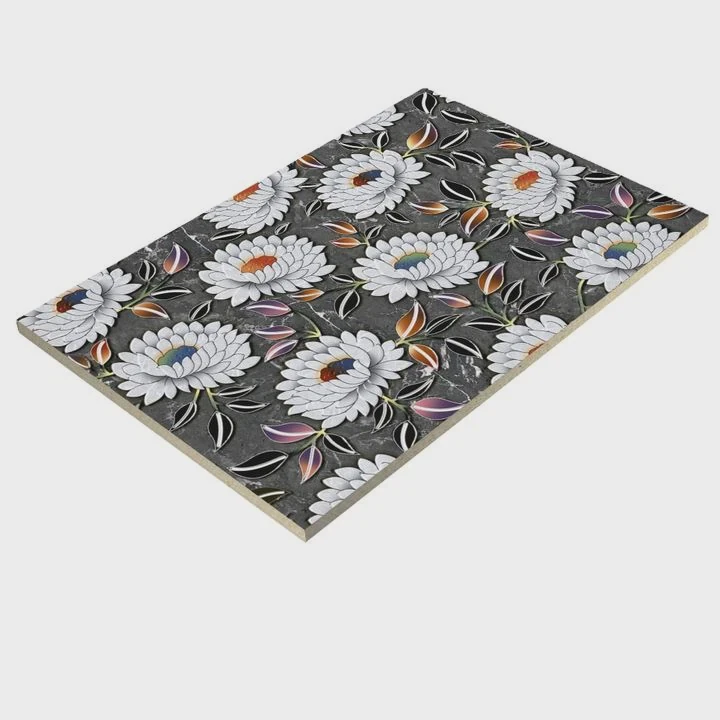
Large shower wall tiles create a beautiful appearance, but some buyers worry about installation challenges. This concern is valid because larger formats demand greater precision.
Yes, large tiles are generally harder to install vertically because they are heavier, require flatter wall surfaces, and demand more accurate alignment. However, experienced installers can successfully manage these challenges.
Installation complexity increases as tile size increases.
Weight Considerations
Larger tiles naturally weigh more.
For example:
| Tile Size | Relative Installation Difficulty |
|---|---|
| 300x300mm | Low |
| 300x600mm | Moderate |
| 600x600mm | Moderate |
| 600x1200mm | High |
| Large slabs | Very High |
Heavier materials require careful handling during installation.
Wall Flatness Requirements
Small tiles can often adapt to minor wall irregularities.
Large tiles are less forgiving.
Even slight imperfections may cause:
- Lippage
- Uneven edges
- Poor alignment
- Adhesion issues
For this reason, wall preparation becomes extremely important.
Adhesive Coverage
Large-format wall tiles require proper adhesive application.
Installers typically use:
- Larger notched trowels
- Back-buttering techniques
- Full coverage methods
These practices help ensure strong bonding and long-term stability.
Handling Challenges
Vertical installation involves gravity.
During placement, installers must carefully support each tile until it is properly positioned.
Challenges include:
- Tile movement
- Alignment adjustment
- Edge matching
- Joint consistency
Professional installation tools often assist with these tasks.
Tile Leveling Systems
Modern projects frequently use tile leveling systems.
These systems help:
- Reduce lippage
- Improve alignment
- Maintain consistent joints
- Speed up installation
Large-format installations benefit significantly from these tools.
Cutting and Fitting
Shower walls often include:
- Niches
- Valves
- Shower heads
- Corners
- Benches
Large tiles require precise cuts around these elements.
Mistakes can be costly because each tile covers a substantial area.
Why Many Designers Still Prefer Large Tiles
Despite installation challenges, large tiles remain highly popular.
Advantages include:
- Luxury appearance
- Reduced grout lines
- Easier maintenance
- Greater visual impact
The finished result often justifies the additional installation effort.
In many commercial and residential projects, contractors increasingly invest in training and equipment specifically for large-format tile installation. As a result, these products have become much more practical than they were a decade ago.
Should Wall Tile Match Floor Tile Size?
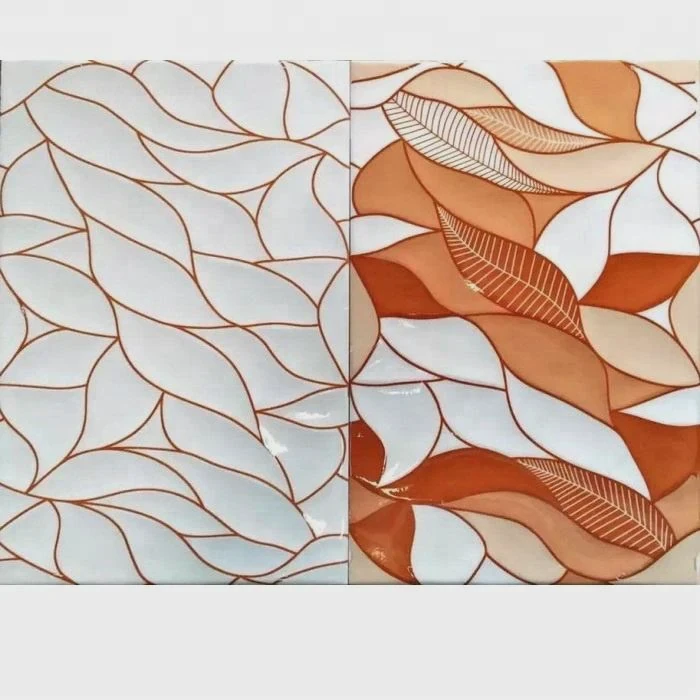
Many bathroom renovation projects begin with a common question: should wall tiles and floor tiles be the same size? The answer depends on design goals, safety requirements, and visual balance.
Wall tile and floor tile do not need to match in size. In many modern bathrooms, larger wall tiles are paired with smaller floor tiles to balance aesthetics, drainage requirements, and slip resistance.
Matching sizes can work well, but it is not a design rule.
Why Different Sizes Are Common
Walls and floors perform different functions.
Wall tiles primarily serve:
- Decoration
- Moisture protection
- Visual impact
Floor tiles must also address:
- Slip resistance
- Drainage slopes
- Walking comfort
These functional differences often influence size selection.
Typical Shower Combinations
Many successful designs use different tile sizes.
| Wall Tile | Floor Tile |
|---|---|
| 300x600mm | 300x300mm |
| 600x1200mm | Mosaic |
| 600x600mm | 100x100mm |
| Large slab | Mosaic |
| Marble-look large tile | Small textured tile |
This approach combines aesthetics and practicality.
Shower Floor Drainage Requirements
Shower floors require slope toward the drain.
Smaller tiles adapt more easily to these slopes.
Benefits include:
- Better water flow
- Easier installation
- Reduced lippage
- Improved traction
This explains why mosaic tiles remain popular for shower floors.
Visual Harmony Matters More Than Exact Size
Successful bathroom design focuses on harmony rather than identical dimensions.
Key elements include:
- Coordinated colors
- Similar textures
- Consistent style
- Complementary patterns
Matching sizes are optional.
Modern Design Approaches
Many luxury bathrooms now feature:
- Large-format wall tiles
- Mosaic shower floors
- Contrasting tile sizes
- Seamless wall surfaces
These combinations often create greater visual interest than using one size everywhere.
When Matching Sizes Works Well
Using the same tile size on walls and floors can create:
- Uniform appearance
- Simplified material selection
- Strong visual continuity
This approach is particularly effective in larger bathrooms.
Factors to Consider
Before selecting tile sizes, evaluate:
- Bathroom dimensions
- Drain location
- Slip resistance needs
- Design style
- Installation budget
Each factor influences the most suitable combination.
From my experience observing bathroom projects across different markets, the most successful designs rarely focus on matching sizes alone. Instead, they balance aesthetics, functionality, maintenance, and installation practicality. Larger wall tiles combined with appropriately sized floor tiles often deliver the best overall result.
Conclusion
The ideal shower wall tile size depends on the space, design goals, and installation requirements. Medium and large formats such as 300x600mm and 600x1200mm remain popular because they reduce grout lines and create a modern appearance. When combined with suitable floor tile sizes, they can enhance both the beauty and functionality of any shower space.