How to Seal Natural Stone Tile?
- Sinotiles
- 2026-06-15
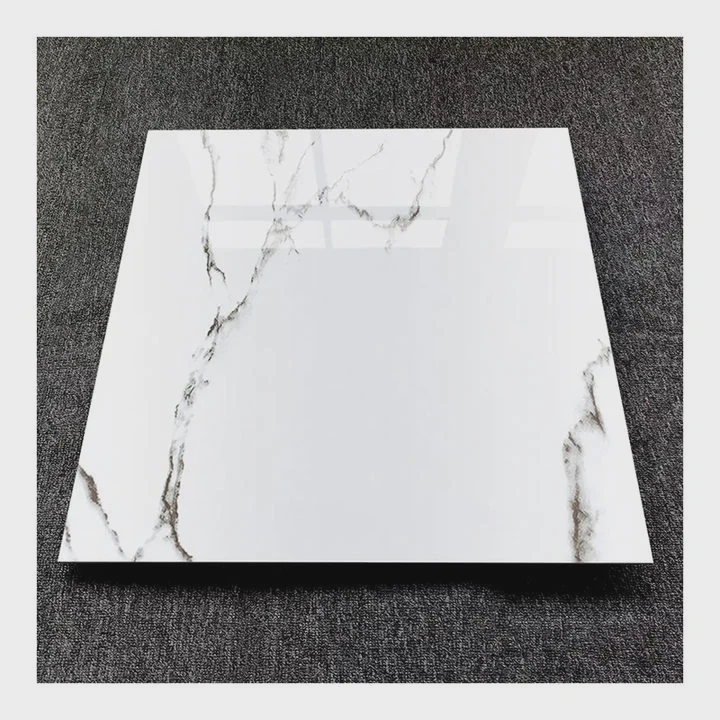
Natural stone tiles can add beauty and value to any space. Yet many owners discover stains, moisture marks, and surface damage because the stone was never properly protected.
To seal natural stone tile, clean the surface thoroughly, choose a suitable penetrating stone sealer, apply it evenly, remove excess product, and allow proper curing time. Regular resealing helps protect stone from moisture, stains, and daily wear.
Natural stone is different from ceramic or porcelain tile. Most stone materials contain tiny pores that absorb water, oils, and other contaminants. Because of this, sealing becomes an important part of long-term stone maintenance. Understanding why sealing matters, when to reseal, and how to choose the right product can help preserve the appearance and performance of stone surfaces for many years.
Why Is Sealing Natural Stone Necessary?
Many people assume that natural stone is naturally durable and does not require additional protection. While stone is strong, many types remain porous and vulnerable to staining.
Sealing natural stone is necessary because it reduces moisture absorption, improves stain resistance, protects the stone’s appearance, and helps extend the life of the installation.
Natural stone forms over thousands or even millions of years. During that process, tiny pores and capillaries develop within the material. These openings allow liquids to penetrate below the surface.
Understanding Stone Porosity
Different stone types have different absorption rates.
Some common examples include:
| Stone Type | Porosity Level |
|---|---|
| Marble | Medium |
| Travertine | High |
| Limestone | High |
| Slate | Medium |
| Granite | Low to Medium |
Even dense stones can absorb liquids under certain conditions.
What Happens Without Sealing?
When stone remains unsealed, several problems may occur.
Water Absorption
Moisture can penetrate the stone and cause discoloration.
Oil Stains
Cooking oils, cosmetics, and lotions may leave permanent marks.
Dirt Accumulation
Dust and dirt can settle into microscopic pores.
Surface Deterioration
Repeated moisture exposure may weaken certain stone materials over time.
High-Risk Areas
Some locations face greater exposure to moisture and contaminants.
These include:
- Bathrooms
- Shower walls
- Kitchen floors
- Kitchen backsplashes
- Outdoor patios
- Pool surrounds
In these environments, sealing becomes even more important.
Sealing Preserves Appearance
One reason many people invest in natural stone is its unique beauty.
Each tile contains:
- Natural veining
- Unique colors
- Distinct textures
Without protection, stains and discoloration can hide these natural features.
Protection Does Not Change the Stone
Many modern penetrating sealers protect the stone without significantly altering its appearance.
This allows the natural character of the material to remain visible.
Sealing Supports Long-Term Value
Natural stone often represents a significant investment.
Whether installed in a home, hotel, office building, or commercial project, protecting that investment makes financial sense.
Replacing stained or damaged stone can be expensive. Sealing requires relatively little effort compared to the cost of restoration or replacement.
Different Stones Need Different Levels of Protection
Not all natural stones behave the same way.
Travertine and limestone often require more frequent attention than dense granite. Understanding the characteristics of the selected stone helps determine the appropriate maintenance plan.
A proper sealing program helps preserve both the beauty and performance of natural stone installations for many years.
When Should You Reseal Stone Tiles?
Applying sealer once does not guarantee permanent protection. Over time, traffic, cleaning, moisture, and environmental conditions gradually reduce the effectiveness of the sealer.
Most natural stone tiles should be resealed every one to three years, although the exact schedule depends on stone type, sealer quality, and environmental conditions.
Many property owners ask for a universal resealing schedule. Unfortunately, no single answer works for every installation.
Factors That Affect Resealing Frequency
Several variables determine how long protection will last.
Stone Type
More porous stones often require more frequent resealing.
Examples include:
- Limestone
- Travertine
- Sandstone
Less porous stones such as granite may maintain protection longer.
Installation Location
Environmental exposure plays a major role.
Indoor areas generally experience less stress than outdoor installations.
Traffic Levels
High-traffic surfaces experience greater wear.
Examples include:
- Hotel lobbies
- Commercial entrances
- Shopping centers
- Restaurant floors
These areas often require more frequent maintenance.
Cleaning Practices
Aggressive cleaning products can shorten sealer life.
Harsh chemicals may gradually weaken protective barriers.
General Resealing Guidelines
The following table provides typical recommendations.
| Application Area | Typical Resealing Interval |
|---|---|
| Residential bathroom | 1-2 years |
| Residential kitchen | 2-3 years |
| Outdoor patio | 1-2 years |
| Commercial floor | 1-2 years |
| Granite countertop | 1-3 years |
Actual conditions may require adjustment.
The Water Drop Test
One of the simplest methods for evaluating sealer performance is the water drop test.
Step 1
Place several drops of water on the stone surface.
Step 2
Wait approximately five minutes.
Step 3
Observe the result.
If water remains on the surface and forms beads, protection is likely still functioning.
If the stone darkens quickly, resealing may be necessary.
Signs That Stone Needs Resealing
Several warning signs may indicate declining protection.
Common indicators include:
- Water absorption
- Increased staining
- Uneven coloration
- Difficult cleaning
- Surface darkening
These symptoms often suggest that the protective barrier has weakened.
Seasonal Considerations
Outdoor stone may require more frequent inspection due to:
- Rain exposure
- Temperature changes
- UV radiation
- Freeze-thaw cycles
These environmental factors accelerate wear.
Maintenance Records Help
For large commercial projects, maintenance records can simplify long-term care.
Useful information includes:
- Installation date
- Sealer brand
- Application date
- Inspection schedule
This information helps property managers maintain consistent protection.
Regular inspections and timely resealing help prevent problems before they become expensive repairs.
Which Sealant Works Best for Stone Tiles?
The best sealant depends on the type of stone, installation environment, and desired appearance. Choosing the wrong product can reduce protection or create unwanted visual changes.
Penetrating impregnating sealers are usually the best choice for natural stone tiles because they provide deep protection while preserving the stone’s natural appearance.
The market offers many stone sealing products. Understanding the major categories helps simplify the selection process.
Main Types of Stone Sealers
Most products fall into several broad categories.
| Sealer Type | Protection Method | Typical Use |
|---|---|---|
| Penetrating sealer | Absorbs into stone | General stone protection |
| Impregnating sealer | Deep internal protection | High-performance applications |
| Enhancing sealer | Protection plus color enhancement | Decorative stone surfaces |
| Topical sealer | Surface coating | Specialty applications |
Penetrating Sealers
Penetrating sealers are among the most widely used options.
Benefits include:
- Natural appearance
- Good stain resistance
- Low maintenance
- Breathable protection
These products work below the surface rather than creating a visible coating.
Impregnating Sealers
Impregnating sealers provide deeper protection.
They are often selected for:
- Marble
- Travertine
- Limestone
- High-end commercial projects
Many professionals prefer this category because of its durability.
Enhancing Sealers
Some stone owners prefer a richer appearance.
Enhancing sealers can:
- Deepen color
- Highlight texture
- Improve visual contrast
These products combine protection with aesthetic enhancement.
Topical Sealers
Topical sealers form a visible coating on the stone surface.
Advantages include:
- Additional surface protection
- Enhanced sheen
Potential disadvantages include:
- Peeling
- Scratching
- Increased maintenance
For many natural stone applications, penetrating products remain the preferred choice.
Matching Sealer to Stone Type
Different stones respond differently to sealers.
Marble
Often benefits from premium penetrating sealers.
Travertine
Usually requires strong moisture protection due to high porosity.
Granite
May need less frequent sealing because of lower absorption rates.
Slate
Often benefits from either penetrating or enhancing products.
Indoor vs Outdoor Applications
Outdoor environments place greater demands on sealers.
Outdoor products should offer resistance to:
- UV exposure
- Rain
- Temperature fluctuations
Indoor products may focus more on stain protection.
Quality Matters
Lower-cost sealers may provide short-term protection but often require more frequent maintenance.
Higher-quality products usually offer:
- Longer service life
- Better stain resistance
- Improved durability
Selecting the correct sealer is one of the most important decisions in any natural stone maintenance plan.
Can Sealing Prevent Stains on Stone?
Staining is one of the most common concerns among natural stone owners. Many people hope sealing will completely eliminate all staining risks.
Sealing significantly reduces the risk of staining by slowing liquid absorption, but no sealer can guarantee complete stain prevention under all conditions.
Understanding the limits of sealing helps set realistic expectations.
Why Stone Stains Easily
Natural stone contains microscopic pores.
These openings allow various substances to enter the material.
Common stain sources include:
- Coffee
- Wine
- Cooking oil
- Cosmetics
- Soap residue
- Rust
Once contaminants penetrate deeply, removal becomes difficult.
How Sealers Reduce Staining
A sealer fills or lines many of the stone’s pores.
This creates a protective barrier that slows liquid penetration.
Benefits include:
- More cleanup time
- Easier maintenance
- Reduced stain severity
- Better appearance retention
Time Is Still Important
Even sealed stone should not be left exposed to spills indefinitely.
For example:
Immediate Cleanup
Usually prevents staining.
Delayed Cleanup
May still allow some penetration, especially with highly porous stone.
Different Liquids Create Different Risks
Not all spills behave the same way.
Water-Based Stains
Examples include:
- Coffee
- Tea
- Juice
Oil-Based Stains
Examples include:
- Cooking oils
- Grease
- Cosmetics
Oil-based contaminants often present greater challenges.
High-Risk Stone Types
Some stones absorb liquids faster than others.
Examples include:
- Travertine
- Limestone
- Sandstone
These materials generally benefit most from sealing.
Daily Maintenance Still Matters
Sealing works best when combined with good maintenance habits.
Helpful practices include:
- Wiping spills immediately
- Using pH-neutral cleaners
- Avoiding harsh chemicals
- Inspecting surfaces regularly
Sealing and Commercial Projects
In hotels, restaurants, and commercial buildings, stain prevention can directly affect maintenance costs.
A proper sealing program often helps:
- Reduce cleaning expenses
- Improve appearance retention
- Extend service life
Realistic Expectations
Over many years of working with tile and stone products, one lesson remains consistent. Sealing provides valuable protection, but it does not make natural stone indestructible.
The most successful results come from combining:
- Proper stone selection
- High-quality sealer
- Correct application
- Regular maintenance
- Prompt spill cleanup
When these elements work together, natural stone remains attractive and functional for many years.
Conclusion
Sealing natural stone tile is one of the most effective ways to protect against moisture, stains, and everyday wear. By choosing the right sealer, monitoring performance, and following a regular maintenance schedule, natural stone surfaces can maintain their beauty and durability for decades.