What Size Trowel for 4x12 Wall Tile?
- Sinotiles
- 2026-08-19
Choosing the wrong trowel can create hidden problems behind beautiful wall tiles. A small mistake in adhesive application can lead to poor bonding, uneven surfaces, and future repairs.
For most 4x12 wall tiles, a 1⁄4 inch x 1⁄4 inch square notch trowel is a common choice. The correct size depends on tile thickness, wall flatness, adhesive type, and the level of coverage needed.
The trowel is a simple tool, but it plays an important role in tile installation. The right notch size helps create strong contact between the tile and the wall while keeping the installation process easy and clean.
How does tile size influence trowel notch choice?
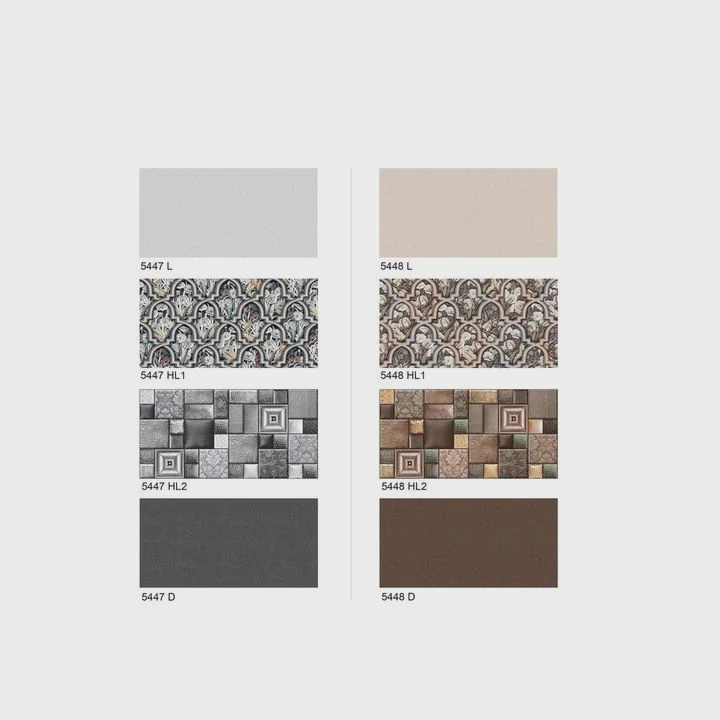
Tile size directly affects the amount of adhesive needed behind the tile. Larger tiles usually require larger trowel notches because they have more surface area that needs support. Smaller tiles often need smaller notches because too much mortar can make adjustment difficult.
For a 4x12 wall tile, the installer needs to find a balance. The tile is not very large, but its long rectangular shape requires careful control. The adhesive layer should be thick enough to support the tile but not so thick that the tile moves after placement.
The most common starting point for 4x12 wall tile is a 1⁄4 inch square notch trowel. Some lightweight ceramic tiles may work with a smaller notch, while thicker porcelain tiles may need more adhesive coverage.
The installer should also consider the wall condition. A flat wall allows the trowel to create an even adhesive layer. A rough wall may require surface preparation before tile installation.
How tile dimensions affect adhesive needs
The relationship between tile size and trowel size is based on coverage. Every tile needs enough mortar contact to stay stable over time.
| Tile Size | Recommended Trowel Range | Common Application |
|---|---|---|
| Small mosaic tile | 1⁄8 inch - 3⁄16 inch notch | Decorative walls and small areas |
| 4x12 wall tile | 3⁄16 inch V-notch - 1⁄4 inch square notch | Bathrooms and kitchen backsplashes |
| 12x24 wall tile | 1⁄4 inch - 1⁄2 inch notch | Large wall surfaces |
| Large porcelain slab | 1⁄2 inch or larger notch | Commercial and premium projects |
Tile size is not the only factor. The tile surface also matters. Some tiles have a flat back, while others have texture or grooves. A textured back may require more mortar to create proper contact.
Why rectangular tiles need careful control
A 4x12 tile has a narrow and long shape. This design creates a modern appearance, but it also makes installation accuracy more important.
When the installer places many tiles in a row, even a small difference in height can become visible. The grout lines may not look straight if the adhesive layer changes from one tile to another.
I always consider the final appearance when choosing a trowel. A correct trowel does not only improve strength. It also helps create a clean and professional surface.
The role of wall preparation
A common mistake is using a larger trowel to fix an uneven wall. More adhesive does not always solve surface problems.
The wall should be flat before installation begins. When the surface is prepared correctly, the installer can use the proper trowel size and create a stable adhesive layer.
The best installation results come from three parts working together:
- Proper wall preparation
- Correct adhesive selection
- Suitable trowel notch size
A good trowel choice supports the entire installation system.
Why use smaller notches for narrow tiles?
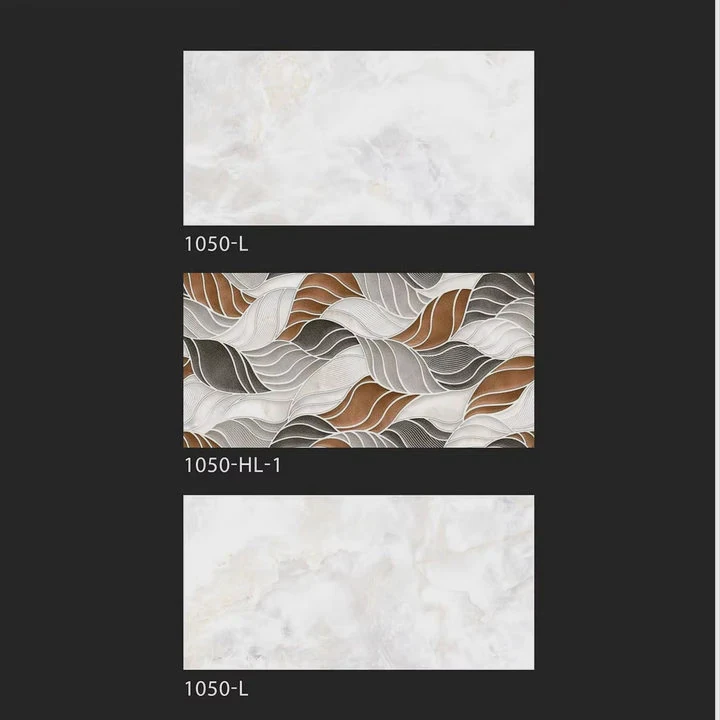
Narrow tiles like 4x12 wall tiles often benefit from smaller trowel notches because they require more control during installation. A smaller notch helps prevent excessive adhesive buildup behind the tile.
A large amount of mortar can create movement problems. When the installer presses the tile into place, extra adhesive may push upward or sideways. This can affect grout spacing and create an uneven wall surface.
A smaller notch allows the installer to control tile placement more easily. This is especially important for decorative wall tiles where alignment and appearance are major concerns.
Advantages of using smaller notches
A smaller notch offers several practical benefits during installation.
| Advantage | Why It Matters |
|---|---|
| Better tile control | Tiles are easier to adjust into position |
| Cleaner grout lines | Less adhesive enters tile joints |
| More accurate alignment | Tile surfaces stay more consistent |
| Reduced material usage | Less mortar waste during installation |
The purpose of a trowel is not to spread the maximum amount of adhesive. The purpose is to create enough adhesive contact for a strong bond.
Why too much adhesive can create problems
Many people think thicker mortar always means stronger installation. This idea is not correct.
If the adhesive layer is too thick, the tile may move after placement. The installer may spend extra time correcting tile position. This can slow down the project and increase labor costs.
For 4x12 tiles, a controlled adhesive layer is usually better. The tile should sit firmly against the wall while maintaining the planned layout.
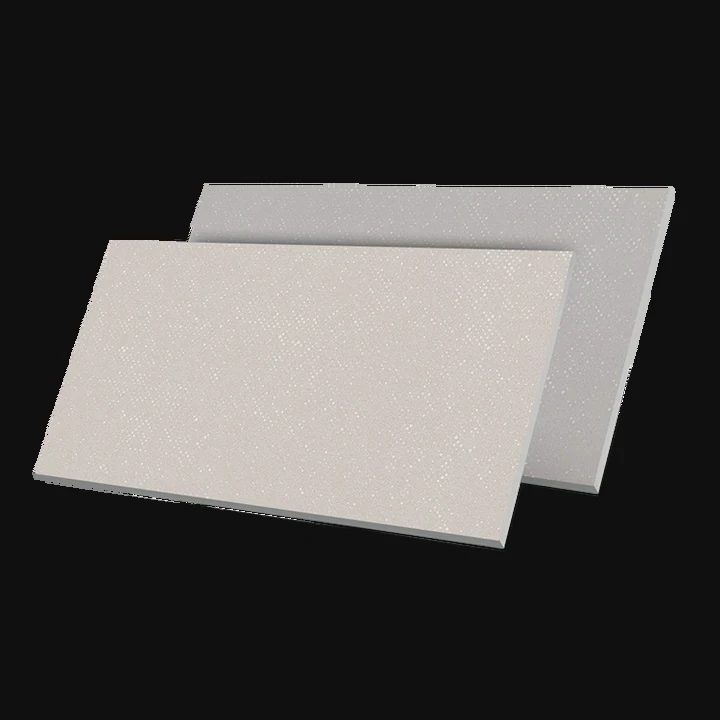
Testing coverage before completing the project
Professional installers often test the first few tiles before continuing. They place the tile, remove it carefully, and check the adhesive coverage on the back.
This method helps confirm whether the selected trowel size is correct. If there are large empty areas, the installer may need a larger notch or a different technique.
If too much mortar covers the back, the installer may need a smaller notch.
This simple test saves time because it prevents problems across the entire wall.
What happens if trowel size is too large?
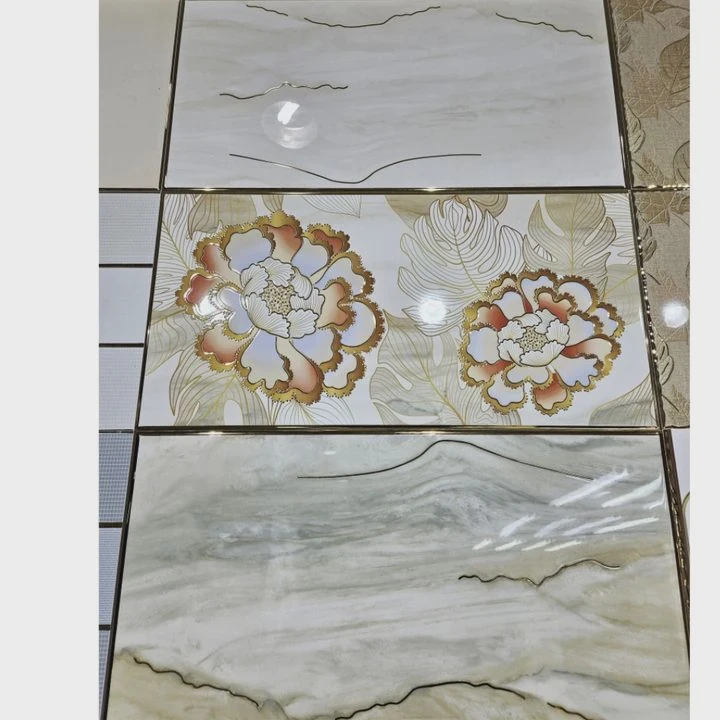
A trowel that is too large can create several installation problems. More adhesive does not always improve the result. In many cases, excessive mortar reduces control and makes the installation process more difficult.
For a 4x12 wall tile, using a large format trowel designed for bigger tiles may create unnecessary adhesive thickness.
Problems caused by oversized trowels
A trowel that is too large may lead to:
- Uneven tile surfaces
- Tile movement after installation
- Extra adhesive between grout joints
- Longer adjustment time
- Increased material costs
When too much adhesive is behind the tile, the installer may need to push harder to achieve the correct position. This pressure can create uneven results.
Appearance problems on finished walls
Wall tiles are often installed in visible locations such as bathrooms, kitchens, and commercial spaces. These areas usually receive strong lighting, which can highlight surface differences.
A small height difference between tiles may not seem serious during installation. However, after grouting and finishing, the uneven surface can become noticeable.
A suitable trowel helps avoid these problems because it creates a more predictable adhesive layer.
Cost and efficiency impact
Using a larger trowel also increases material consumption. More mortar means higher project costs, especially for large commercial installations.
The installer also spends more time cleaning excess adhesive. This additional labor can reduce project efficiency.
The correct trowel size improves both quality and productivity.
Can one trowel size fit different wall tiles?
One trowel size can work for different wall tiles, but it is not always the best solution. Professional installers usually keep several trowels because every project has different requirements.
A 1⁄4 inch square notch trowel is a useful general option for many ceramic and porcelain wall tiles. However, it should not become a universal choice for every situation.
Practical trowel selection guide
| Project Type | Suitable Trowel Consideration |
|---|---|
| Small ceramic wall tile | Smaller notch for better control |
| 4x12 wall tile | Around 1⁄4 inch square notch in many cases |
| Large porcelain tile | Larger notch for higher coverage |
| Uneven surfaces | Wall preparation before changing trowel size |
The installer should always consider tile weight, tile thickness, and wall condition before selecting a trowel.
Why flexibility improves results
Every tile project has different challenges. A bathroom backsplash may need a different approach compared with a commercial wall project.
A small residential project may focus on appearance and clean alignment. A commercial project may focus on durability and installation speed.
The trowel is one part of a complete installation method. The right choice improves bonding, reduces waste, and creates a better final result.

For 4x12 wall tile, a medium-small notch is usually a reliable starting point. However, the installer should always check real conditions before completing the entire project.
The best tile installation combines the right tools, correct materials, and careful workmanship.
Conclusion
A 1⁄4 inch square notch trowel is a common choice for 4x12 wall tile. The correct size depends on tile type, wall condition, and adhesive coverage. Choosing the right trowel creates stronger, cleaner, and more durable tile installations.