What to clean porcelain tile with?
- Sinotiles
- 2026-08-10
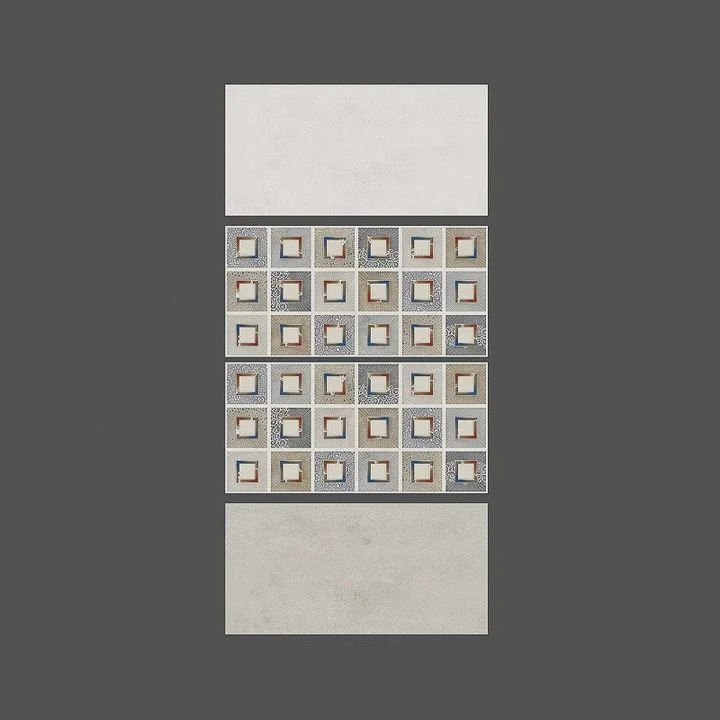
Porcelain tiles look strong and beautiful, but wrong cleaning methods can make surfaces dull, dirty, or less attractive over time.
The best way to clean porcelain tile is to use warm water, mild tile cleaners, soft tools, and regular care. These methods remove dirt while protecting the tile surface.
Porcelain tile is popular because it is hard, durable, and easy to maintain. However, many people still use the wrong products because they think stronger chemicals always create better results. In my experience, good cleaning is not about using the strongest solution. It is about choosing the right method for the tile type and the type of dirt.
Which cleaners work best on porcelain tiles?
The wrong cleaner can leave marks, while the right cleaner can keep porcelain tiles looking new for many years. Many homeowners and buyers worry about stains, dust, and daily wear.
Mild pH neutral cleaners work best for porcelain tiles because they remove dirt without harming the surface. Warm water, gentle soap, and professional porcelain tile cleaners are common choices for daily and deep cleaning.

When I look at porcelain tile maintenance, I always think about balance. A good cleaner should remove unwanted materials but should not create new problems. Porcelain tiles have a strong surface, but the wrong chemicals can affect the finish, especially on polished tiles.
Many people believe that bleach, strong acids, or heavy chemicals can make tiles cleaner. This idea is not always correct. These products may remove some stains, but they can also damage grout lines, reduce surface shine, or leave unwanted marks. A simple cleaning routine usually creates better long-term results.
Different cleaners for different cleaning needs
| Cleaning purpose | Recommended cleaner | Why it works |
|---|---|---|
| Daily dust and dirt | Warm water and microfiber mop | Removes surface dust without leaving marks |
| Light stains | Mild pH neutral cleaner | Cleans gently and protects the tile finish |
| Grease marks | Tile-safe degreaser | Helps remove kitchen oil and residue |
| Deep cleaning | Professional porcelain tile cleaner | Handles stronger dirt without harsh damage |
The best cleaner also depends on the location. Kitchen floors may need a cleaner that removes oil. Bathroom floors may need help with soap residue and water marks. Outdoor porcelain tiles may need products designed for heavier dirt.
I also pay attention to the cleaning tool. A good cleaner cannot perform well if the tool spreads dirt around. Microfiber cloths and soft mops help collect dust instead of pushing it into corners.
For commercial projects, cleaning plans are even more important. Large spaces such as hotels, shopping areas, and offices need products that are safe, efficient, and easy to use. A simple cleaning system can reduce maintenance costs and help porcelain tiles keep their original appearance.
Another important point is testing. Before using any new cleaner, I recommend trying it on a small hidden area. This small step helps avoid unexpected reactions and protects the investment in the tile surface.
Can vinegar damage porcelain surfaces?
Many people use vinegar as a natural cleaner because it is affordable and easy to find. However, some users worry about whether vinegar is safe for porcelain tiles.
Vinegar can damage some porcelain tile surfaces, especially when it is used often or left on the surface for a long time. Mild and occasional use may not create problems, but tile-safe cleaners are usually a safer choice.
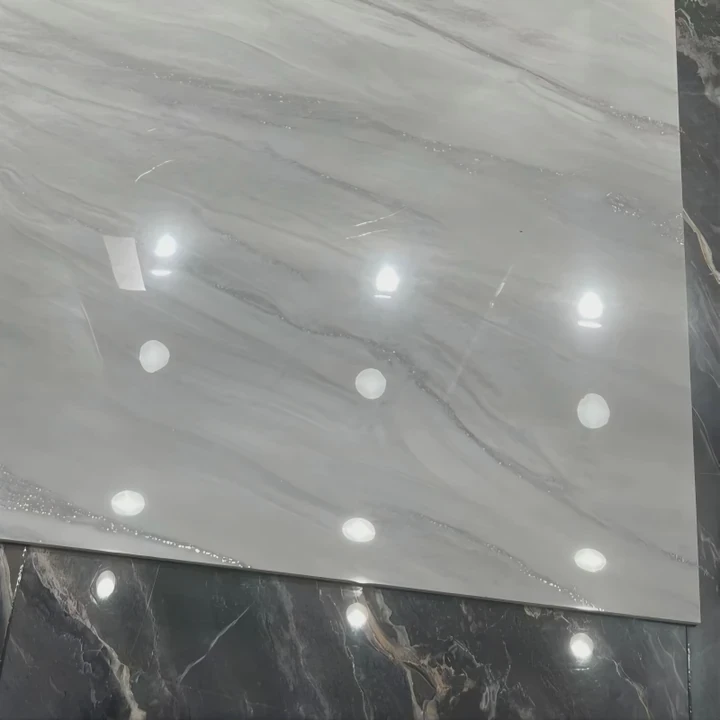
I understand why vinegar is popular. Many families prefer natural cleaning solutions because they want fewer chemicals in their homes. Vinegar can help remove some mineral deposits and light dirt. However, regular use requires more attention.
Porcelain tiles are strong, but the full tile system includes more than the tile itself. Grout, sealants, and surface finishes can react differently. Acidic cleaners like vinegar may slowly affect these materials when used repeatedly.
Why vinegar needs careful use
Vinegar contains acetic acid. This acid can break down some types of buildup, but it can also create problems if the concentration is too high or the cleaning frequency is too often.
| Material area | Possible vinegar effect | Better choice |
|---|---|---|
| Porcelain tile surface | Possible dullness after repeated use | pH neutral tile cleaner |
| Grout joints | Possible weakening over time | Grout-safe cleaner |
| Natural stone areas nearby | Higher damage risk | Stone-specific cleaner |
The main issue is not one-time use. The bigger concern is repeated habits. A homeowner may clean with vinegar every week because the method feels simple. Over months or years, this habit may affect the appearance of the floor.
I prefer solutions that protect the tile for the long term. Porcelain tile is often selected for homes and commercial projects because it offers durability and beauty. A cleaning routine should support these advantages instead of creating new maintenance problems.
Another point is the type of porcelain tile. Polished porcelain tiles have a smooth and reflective finish. Matte porcelain tiles have a different texture. Each surface may react differently to cleaning products.
For buyers and project managers, cleaning instructions should be considered before choosing products. A beautiful tile design is important, but easy maintenance also affects the total value of the project.
In daily life, simple methods usually work well. Removing dust regularly, cleaning spills quickly, and using suitable products can keep porcelain tiles in good condition. Natural solutions can be useful, but they should be used with knowledge and care.
How often should porcelain tiles be cleaned?
Many people clean porcelain tiles only when they see visible dirt. This approach can allow small particles to build up and reduce the tile’s appearance over time.
Porcelain tiles should usually be cleaned regularly, with daily dust removal in busy areas and deeper cleaning based on traffic levels. A consistent schedule helps protect the surface and keeps the tile looking fresh.
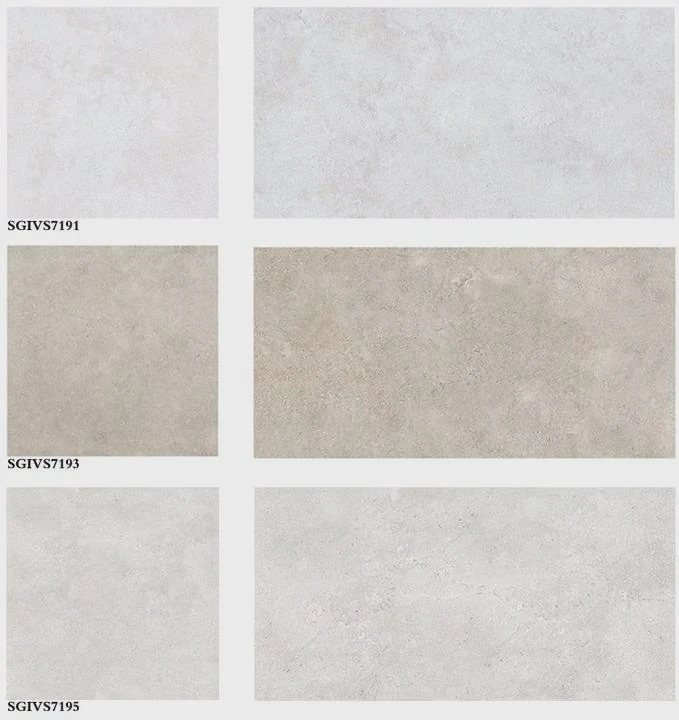
A cleaning schedule depends on where the porcelain tile is installed. A home bathroom and a busy commercial entrance do not have the same needs. The amount of foot traffic, moisture, and dirt exposure changes the cleaning frequency.
I have seen many projects where the tile quality was excellent, but poor maintenance affected the final appearance. Good tile needs good care. Cleaning is part of protecting the value of the installation.
A practical porcelain tile cleaning schedule
| Area type | Suggested cleaning frequency | Main cleaning action |
|---|---|---|
| Low traffic home area | Weekly | Mop with mild cleaner |
| Kitchen and bathroom | Several times per week | Remove spills and clean residue |
| Commercial spaces | Daily | Dust, mop, and check stains |
| Outdoor areas | Based on weather and dirt | Remove soil and debris |
Regular cleaning does not mean using strong chemicals every day. In fact, frequent gentle cleaning is usually better than occasional aggressive cleaning.
Dust and sand particles can act like small abrasives when people walk across the floor. Over time, these particles may reduce the beauty of the surface. Regular sweeping or vacuuming helps remove these materials before they create problems.
Spills should also be handled quickly. Coffee, oil, and colored liquids may become harder to remove after they dry. Quick action makes cleaning easier and reduces the need for stronger products.
For large projects, I recommend creating a simple maintenance guide. This guide can include cleaning frequency, recommended products, and instructions for staff. A clear process helps different users care for the same tile correctly.
Porcelain tiles are designed for long-term use. However, durability does not mean no maintenance is needed. Like any building material, porcelain performs best when people follow proper care methods.
A regular cleaning plan also improves the overall feeling of a space. Clean floors make homes, hotels, stores, and offices look more comfortable and professional.
The goal is not to spend many hours cleaning. The goal is to create a simple habit that prevents bigger problems. Small actions, such as removing dust and cleaning stains quickly, can protect porcelain tiles for many years.
Why use non abrasive cleaning tools?
Cleaning tools are just as important as cleaning products. Many people focus on the chemical solution but forget that the tool touches the tile surface directly.
Non abrasive cleaning tools are important because they remove dirt without scratching or reducing the beauty of porcelain tiles. Soft microfiber cloths, gentle mops, and soft brushes are safer choices.

Porcelain tiles are known for their strength, but every surface has limits. A rough brush or hard cleaning pad may create tiny marks, especially on polished surfaces. These marks may not appear immediately, but they can affect the finish over time.
Common cleaning tools and their effects
| Tool type | Effect on porcelain tile | Recommendation |
|---|---|---|
| Microfiber mop | Gentle and effective | Best for regular cleaning |
| Soft brush | Removes dirt safely | Good for grout areas |
| Hard scrub pad | May create scratches | Avoid for polished tiles |
| Metal brush | Can damage surfaces | Do not use |
I always consider the final appearance of the tile when choosing tools. A customer may invest in high-quality porcelain tiles because they want a clean and modern space. Using rough tools can reduce the benefit of that investment.
Non abrasive tools also improve cleaning efficiency. Microfiber materials can collect dust and moisture better than many traditional cloths. This means people can achieve better results with less effort.
For commercial users, the choice of tools becomes even more important. Hotels, restaurants, and shopping centers clean large areas every day. A wrong tool can create repeated damage across thousands of square meters.
Training is also useful. Cleaning staff should know which tools are safe and which tools should be avoided. A simple training process can prevent expensive repairs or replacements.
Another benefit of gentle tools is that they support sustainable maintenance. When tiles stay clean and protected, they usually do not need strong chemicals or frequent restoration work.
Porcelain tile is a long-term building material. The cleaning process should respect the design, quality, and purpose of the product. By using the right tools, people can maintain the original look and extend the service life of the tile.
Conclusion
Cleaning porcelain tile does not require complicated methods. The best results come from suitable cleaners, regular care, safe tools, and simple habits. Proper maintenance helps porcelain tiles stay beautiful, durable, and valuable for many years.