What to Clean Tile Floors With?
- Sinotiles
- 2026-06-10

Dirty tile floors can make even a beautiful room look neglected. Many people also worry about using the wrong cleaner and damaging expensive flooring over time.
The best way to clean tile floors is to use a cleaner that matches the tile type. Mild pH-neutral cleaners are usually the safest choice for ceramic, porcelain, and many other tile surfaces because they clean effectively without causing damage.
Many homeowners, contractors, and building managers focus on cleaning results but overlook long-term floor protection. The right cleaning method helps preserve appearance, maintain durability, and extend the life of tile flooring.
Which Cleaners Are Safe for Different Tile Types?
Choosing a cleaning product should never be a one-size-fits-all decision. Different tile materials react differently to chemicals, moisture, and cleaning methods.
The safest cleaner depends on the tile material. Porcelain and ceramic tiles usually work well with pH-neutral cleaners, while natural stone often requires specialized stone-safe products to prevent surface damage.
Many floor problems start when users assume every tile can handle the same cleaner. Understanding material differences helps avoid costly mistakes.
Porcelain Tile Cleaners
Porcelain is one of the most durable flooring materials available.
Its advantages include:
- Low water absorption
- High stain resistance
- Strong wear resistance
- Easy maintenance
For daily cleaning, safe options include:
- Warm water
- Mild pH-neutral cleaners
- Porcelain-specific floor cleaners
Porcelain generally tolerates routine cleaning well. Still, excessive use of aggressive chemicals may eventually affect grout lines or surface finishes.
Ceramic Tile Cleaners
Ceramic tiles share many characteristics with porcelain.
Safe cleaning products include:
- Mild floor detergents
- Neutral pH cleaners
- Warm water solutions
For glazed ceramic surfaces, simple cleaning methods often provide excellent results.
Natural Stone Tile Cleaners
Natural stone requires much greater care.
Common stone materials include:
- Marble
- Travertine
- Limestone
- Slate
- Granite
Stone surfaces can react badly to acidic products.
Avoid:
- Vinegar
- Lemon-based cleaners
- Acidic bathroom cleaners
Instead, use cleaners specifically designed for stone surfaces.
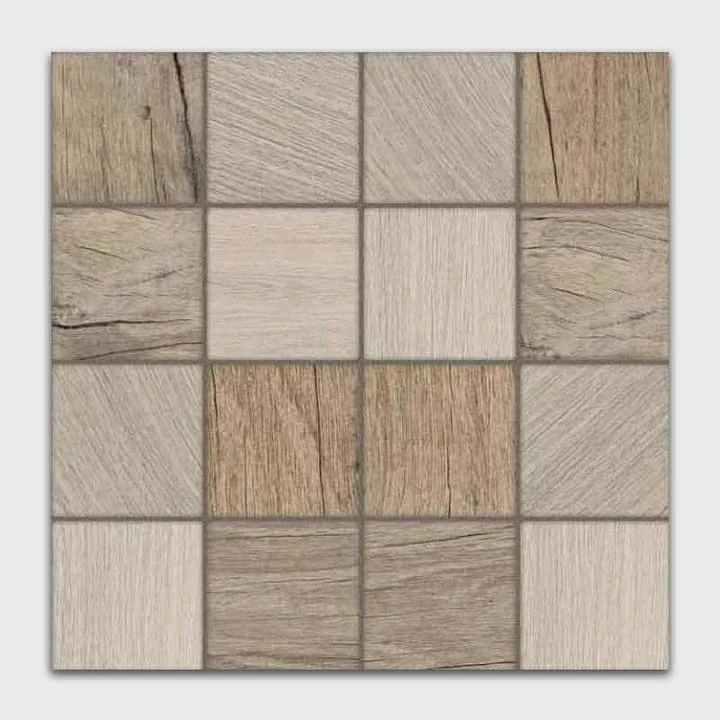
Mosaic Tile Cleaners
Mosaic floors often contain more grout joints.
This means cleaning products affect both:
- Tile surfaces
- Grout lines
Gentle cleaners help maintain both materials.
Tile Cleaner Comparison
| Tile Type | Recommended Cleaner | Avoid |
|---|---|---|
| Porcelain | pH-neutral cleaner | Strong acids |
| Ceramic | Mild detergent | Harsh chemicals |
| Marble | Stone-safe cleaner | Vinegar |
| Travertine | Stone-safe cleaner | Acidic products |
| Slate | Stone cleaner | Bleach overuse |
| Mosaic | Neutral cleaner | Aggressive scrubbing agents |
Why pH-Neutral Cleaners Work Well
Neutral cleaners offer several benefits.
They help:
- Protect surface coatings
- Preserve color
- Reduce residue buildup
- Protect grout
Many professional cleaning programs rely on pH-neutral products because they balance effectiveness and safety.
Considering Floor Finish
Tile finish also matters.
For example:
Matte Tiles
These surfaces generally hide dirt well and clean easily.
Polished Tiles
These may show streaks more easily and benefit from residue-free cleaners.
Textured Tiles
These often require deeper cleaning to remove dirt trapped in surface patterns.
Matching the cleaner to both the material and finish helps achieve better long-term results.
How Often Should Tile Floors Be Cleaned Properly?

Some people clean tile floors only when they appear dirty. Others clean too aggressively and create unnecessary wear. A balanced cleaning schedule provides the best results.
Most tile floors should be swept or vacuumed several times per week and wet-cleaned weekly. High-traffic commercial areas may require daily maintenance to preserve appearance and hygiene.
Cleaning frequency depends on how the space is used.
Daily Maintenance
Dust and grit are major contributors to floor wear.
Daily tasks may include:
- Sweeping
- Dry mopping
- Vacuuming
These simple steps remove abrasive particles before they can scratch surfaces.
Weekly Cleaning
Wet cleaning removes:
- Dirt buildup
- Footprints
- Grease residue
- Surface stains
For most homes, weekly cleaning works well.
The process generally includes:
- Sweeping first.
- Preparing a mild cleaning solution.
- Mopping evenly.
- Allowing the floor to dry.
Monthly Deep Cleaning
Some areas need more detailed attention.
Examples include:
- Grout lines
- Corners
- Behind appliances
- Entry areas
Monthly deep cleaning helps prevent long-term buildup.
Residential Cleaning Schedule
| Area | Recommended Frequency |
|---|---|
| Bathroom | Weekly |
| Kitchen | Weekly |
| Entryway | Several times weekly |
| Living Room | Weekly |
| Guest Bathroom | Every 1-2 weeks |
Commercial Cleaning Schedule
Commercial environments experience much heavier traffic.
Examples include:
- Hotels
- Shopping centers
- Restaurants
- Office buildings
These locations often require:
| Task | Frequency |
|---|---|
| Sweeping | Daily |
| Spot Cleaning | Daily |
| Mopping | Daily or Several Times Weekly |
| Deep Cleaning | Monthly |
Factors That Affect Cleaning Frequency
Several factors influence maintenance needs.
Foot Traffic
More traffic creates:
- More dirt
- More wear
- More cleaning requirements
Pets
Pets introduce:
- Hair
- Dirt
- Moisture
- Outdoor debris
Climate
Rainy environments often increase floor contamination.
Dry regions may create more dust accumulation.
Tile Color
Dark floors may reveal dust more quickly.
Light floors may hide dust but show stains more easily.
Signs Your Floor Needs Cleaning
Watch for:
- Dull appearance
- Visible footprints
- Sticky residue
- Dirty grout
- Surface stains
These signs indicate that routine maintenance may need adjustment.
A consistent cleaning schedule often protects floors better than occasional intensive cleaning sessions.
Why Avoid Harsh Chemicals on Tile Flooring?
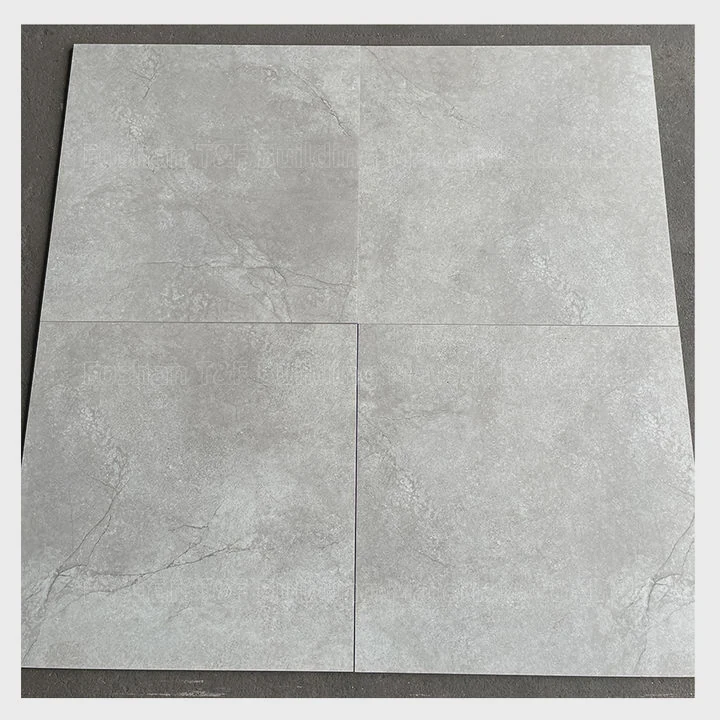
Many consumers assume stronger chemicals always clean better. In reality, excessive chemical strength can create long-term flooring problems.
Harsh chemicals can damage tile finishes, weaken grout, discolor surfaces, and shorten the lifespan of flooring materials. Gentle cleaners often provide effective cleaning with less risk.
Cleaning should remove dirt without harming the floor itself.
Surface Finish Damage
Many tiles contain protective finishes.
Examples include:
- Glazed ceramic coatings
- Polished porcelain surfaces
- Sealed stone treatments
Aggressive chemicals may gradually degrade these layers.
Grout Deterioration
Grout is often more vulnerable than the tile itself.
Repeated exposure to strong chemicals can cause:
- Cracking
- Erosion
- Discoloration
- Weakening
Once grout deteriorates, moisture penetration becomes more likely.
Acid Damage
Acid-based products are particularly risky.
Common examples include:
- Vinegar
- Muriatic acid
- Strong bathroom cleaners
These products may damage:
- Marble
- Limestone
- Travertine
- Certain sealers
Bleach Overuse
Bleach has valid cleaning applications, but excessive use can create problems.
Potential issues include:
- Color fading
- Grout degradation
- Surface discoloration
Bleach should be used carefully and according to manufacturer recommendations.
Long-Term Appearance Issues
Many floors look fine immediately after harsh cleaning.
Problems often appear later.
Examples include:
| Chemical Effect | Long-Term Result |
|---|---|
| Surface etching | Dull finish |
| Sealer breakdown | Increased staining |
| Grout erosion | Moisture problems |
| Color damage | Uneven appearance |
Impact on Natural Stone
Natural stone is particularly sensitive.
Marble, for example, may develop:
- Etching
- Surface dullness
- Permanent marks
These issues can be difficult and expensive to repair.
Health and Indoor Air Concerns
Harsh chemicals may also affect indoor environments.
Potential concerns include:
- Strong odors
- Skin irritation
- Respiratory discomfort
Many facility managers now prefer gentler cleaning programs for this reason.
Why Professional Programs Use Milder Products
Professional maintenance systems often prioritize:
- Consistency
- Surface preservation
- Long-term appearance
As a result, many programs rely on:
- Neutral cleaners
- Controlled dilution
- Regular maintenance schedules
This approach often produces better long-term outcomes than aggressive cleaning methods.
Protecting Tile Investments
Tile flooring is designed to last for years.
Protecting that investment requires:
- Appropriate cleaners
- Proper cleaning frequency
- Suitable equipment
- Correct maintenance methods
The strongest chemical is not always the smartest solution.
Can Steam Mops Damage Certain Tile Surfaces?

Steam mops have become popular because they offer chemical-free cleaning. However, many users wonder whether high-temperature steam can damage flooring materials.
Steam mops are generally safe for many porcelain and ceramic tiles when used correctly, but they can damage certain natural stone surfaces, grout, sealers, and poorly installed flooring systems.
The answer depends on the tile type and floor condition.
How Steam Mops Work
Steam mops use:
- Heated water
- Pressurized steam
- Microfiber pads
The steam loosens dirt and helps sanitize surfaces.
Porcelain Tile Performance
Porcelain usually handles steam cleaning well.
Reasons include:
- Dense structure
- Low water absorption
- Strong thermal resistance
Many porcelain floors tolerate steam mops without difficulty.
Ceramic Tile Performance
Most glazed ceramic floors also perform well with steam cleaning.
However, users should still follow manufacturer recommendations.
Natural Stone Concerns
Natural stone requires additional caution.
Potential risks include:
- Sealer deterioration
- Moisture penetration
- Surface stress
Certain stones may react differently depending on their composition and condition.
Grout Vulnerability
Grout often becomes the weak point.
Repeated steam exposure may contribute to:
- Moisture intrusion
- Premature wear
- Cracking in damaged grout
Older grout deserves special attention.
Installation Quality Matters
A properly installed tile floor performs differently from a poorly installed one.
Steam may create problems when:
- Tiles are loose
- Adhesives are failing
- Waterproofing is inadequate
The issue is often the installation rather than the tile itself.
Steam Mop Safety Comparison
| Surface Type | Steam Mop Suitability |
|---|---|
| Porcelain | Generally Safe |
| Ceramic | Generally Safe |
| Sealed Granite | Usually Safe |
| Marble | Use Caution |
| Travertine | Use Caution |
| Damaged Grout | Higher Risk |
Best Practices for Steam Cleaning
To reduce risk:
Check Manufacturer Guidelines
Always review flooring recommendations first.
Use Moderate Steam Levels
Maximum heat is not always necessary.
Inspect Grout Regularly
Repair damaged grout before steam cleaning.
Avoid Excessive Repetition
Over-cleaning may accelerate wear.
Alternatives to Steam Mops
For users concerned about steam exposure, alternatives include:
- Microfiber mops
- Neutral cleaning solutions
- Damp mopping
- Professional floor cleaning systems
These methods provide effective cleaning with minimal risk.
Balancing Convenience and Protection
Steam mops can save time and reduce chemical use. However, they should not replace proper floor evaluation.
Before using steam, consider:
- Tile material
- Surface finish
- Grout condition
- Installation quality
- Manufacturer recommendations
This balanced approach helps maintain floor appearance and performance for many years.
Conclusion
The safest way to clean tile floors is to match the cleaner and cleaning method to the tile material. pH-neutral cleaners, regular maintenance, and careful use of equipment like steam mops help protect tile surfaces, preserve grout, and extend the lifespan of the flooring.