Can Backsplash Tile Be Painted?
- Sinotiles
- 2026-04-02
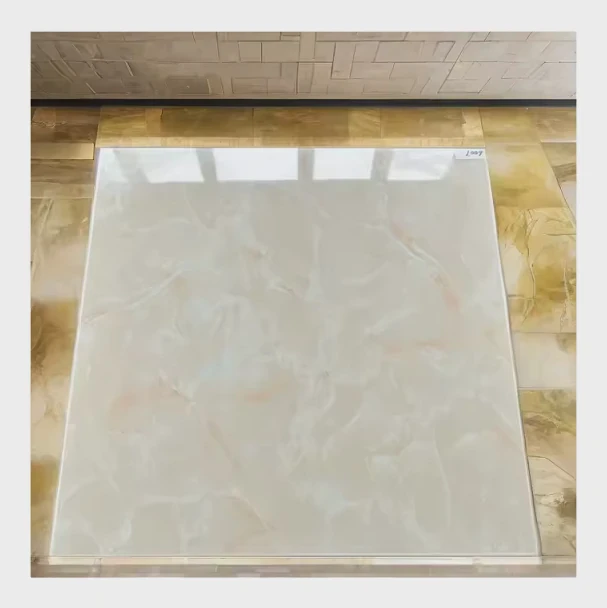
Painting a backsplash sounds like a quick fix. Old tiles look dated. Replacement feels expensive. Many people hesitate. They worry about durability, peeling, or wasted effort.
Yes, backsplash tiles can be painted. With the right preparation, proper paint selection, and sealing, painted tiles can look fresh and last for years.
Still, the process is not as simple as opening a paint can. Each step matters. Small mistakes can ruin the result. So it helps to understand the full process before starting.
What preparation is needed before painting backsplash?
Old backsplash tiles often collect grease, dust, and stains. Many people skip cleaning or sanding. That is where most failures begin.
Proper preparation includes deep cleaning, degreasing, light sanding, and priming. These steps create a surface that paint can bond to effectively.
Preparation is the foundation of the entire project. If the surface is not ready, even the best paint will fail. The process may seem simple, but each step plays a role.
Deep cleaning is not optional
Kitchen backsplashes face constant exposure to oil and steam. Even if tiles look clean, there is often a thin grease layer.
Use a strong degreaser. Dish soap alone is not enough. A mix of warm water and a commercial degreaser works better. Scrub every tile and grout line carefully.
If grease remains:
- Paint will not stick
- Surface may bubble later
- Finish will look uneven
Sanding improves adhesion
Tiles are smooth by nature. Paint struggles to grip glossy surfaces.
Light sanding helps:
- Use fine-grit sandpaper (around 220 grit)
- Do not over-sand
- Focus on removing shine, not material
After sanding, wipe all dust away with a damp cloth.
Repair before painting
Check for cracks or damaged grout. Painting over defects will not hide them.
Fix:
- Cracked tiles
- Missing grout
- Uneven surfaces
This step ensures a clean final look.
Primer creates a bonding layer
Primer is often skipped, but it is critical.
A good primer:
- Bonds to ceramic or porcelain
- Creates a surface for paint to grip
- Prevents peeling
Use a primer designed for tiles or glossy surfaces.
Preparation checklist
| Step | Purpose | Result |
|---|---|---|
| Cleaning | Remove grease and dirt | Better paint adhesion |
| Sanding | Reduce surface smoothness | Stronger grip |
| Repairing | Fix visible damage | Smooth finish |
| Priming | Create bonding layer | Long-lasting paint result |
Preparation may take time, but it decides whether the project lasts months or years.
Which paints work best for backsplash tiles?
Choosing the wrong paint can ruin all your effort. Not all paints can handle moisture, heat, and cleaning.
The best paints for backsplash tiles are epoxy paint, acrylic latex paint, or specialty tile paint designed for high-moisture areas.
Different paints offer different levels of durability. Understanding these options helps avoid costly mistakes.
Epoxy paint: the most durable option
Epoxy paint is often the top choice.
It offers:
- Strong adhesion
- High resistance to moisture
- Long-lasting finish
However:
- It can be harder to apply
- It dries quickly
- It requires careful mixing
This option works best for kitchens with heavy use.
Acrylic latex paint: easier but less durable
Acrylic latex paint is widely available. It is easier to apply and beginner-friendly.
Advantages:
- Simple application
- Low odor
- Easy cleanup
Limitations:
- Less durable than epoxy
- Requires sealing
- May need more coats
This option works for light-use kitchens.
Specialty tile paint
Some brands offer paint specifically for tiles.
These paints:
- Are designed for smooth surfaces
- Often include bonding agents
- Work well with minimal prep
They are a good middle-ground option.
Paint comparison table
| Paint Type | Durability | Ease of Use | Best For |
|---|---|---|---|
| Epoxy Paint | High | Medium | Heavy-use kitchens |
| Acrylic Latex | Medium | High | Light-use areas |
| Tile Paint | Medium | Medium | DIY-friendly projects |
Color and finish matter too
Gloss or semi-gloss finishes work best. They:
- Resist stains
- Are easier to clean
- Reflect light better
Matte finishes may look modern, but they stain easily.
Choosing the right paint is not just about color. It is about performance over time.
How do you ensure paint adheres properly?
Paint adhesion is the biggest concern. Many painted backsplashes fail because the paint peels within months.
To ensure proper adhesion, use the right primer, apply thin coats, allow proper drying time, and avoid rushing the process.
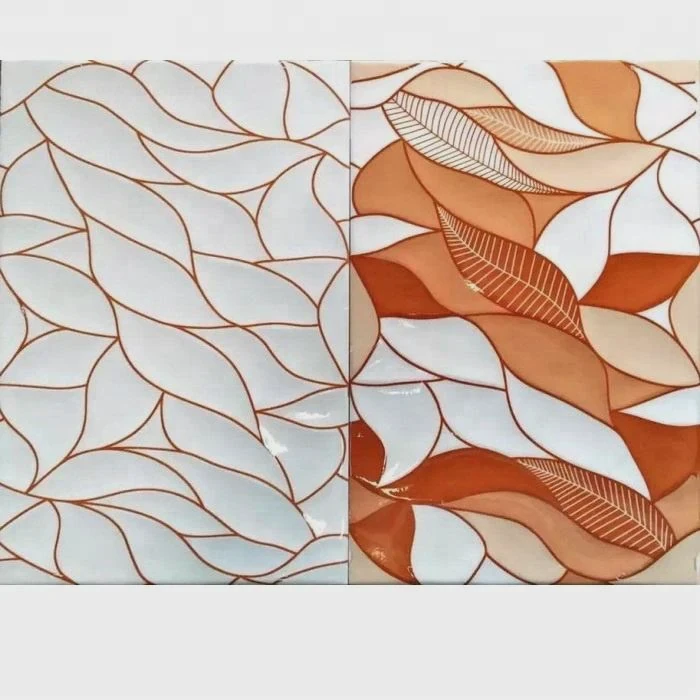
Strong adhesion depends on both materials and technique.
Thin coats work better than thick layers
Many people try to cover everything in one coat. This causes problems.
Thick coats:
- Dry unevenly
- Trap moisture
- Peel easily
Instead:
- Apply multiple thin coats
- Let each coat dry fully
- Build coverage gradually
Drying time is critical
Each layer needs time to cure.
If rushed:
- Paint becomes soft
- Surface becomes sticky
- Durability drops
Follow paint instructions carefully. Some paints need 24 hours between coats.
Temperature and humidity matter
Painting conditions affect results.
Ideal conditions:
- Moderate temperature
- Low humidity
- Good ventilation
High humidity can:
- Slow drying
- Cause streaks
- Reduce adhesion
Tools also affect adhesion
Use proper tools:
- Foam rollers for smooth finish
- High-quality brushes for edges
Cheap tools can leave marks and uneven layers.
Common mistakes to avoid
| Mistake | Result |
|---|---|
| Skipping primer | Paint peels quickly |
| Thick coats | Cracking and bubbling |
| Poor cleaning | Weak bonding |
| Rushing drying time | Sticky and fragile surface |
Patience creates durability
Good adhesion is not about one step. It is the result of consistent care across all steps.
A well-painted backsplash should:
- Feel smooth
- Resist scratching
- Stay intact after cleaning
That only happens when the process is done correctly.
When should sealing be applied after painting?
Many people think painting is the final step. That is not true. Sealing is what protects the work.
Sealing should be applied after the paint fully cures, usually after 24–72 hours, depending on the paint type.
Sealing adds a protective layer. It helps the paint last longer in a demanding kitchen environment.
Why sealing is necessary
Backsplashes face:
- Water splashes
- Oil stains
- Heat exposure
Without sealing:
- Paint may fade
- Surface may stain
- Cleaning becomes difficult
Choosing the right sealer
Use a clear, non-yellowing sealer.
Common options:
- Polyurethane (water-based preferred)
- Acrylic sealer
Water-based sealers are better because:
- They dry clear
- They do not yellow over time
- They are easier to apply
Application process
Follow these steps:
- Ensure paint is fully cured
- Clean surface lightly
- Apply thin, even coat
- Allow drying
- Apply second coat if needed
Avoid thick layers. Just like paint, thin coats work better.
How many coats are needed?
Usually:
- 2 coats for light use
- 3 coats for heavy-use kitchens
Sealing timeline overview
| Step | Time Required |
|---|---|
| Final paint coat | Day 0 |
| Initial curing | 24–72 hours |
| First seal coat | Day 2–3 |
| Final cure | 3–7 days total |
Long-term maintenance
Even sealed surfaces need care.
Avoid:
- Harsh chemicals
- Abrasive scrubbers
Use:
- Mild cleaners
- Soft cloths
This keeps the finish intact for years.
Conclusion
Painting backsplash tile is possible and practical. Success depends on preparation, paint choice, careful application, and sealing. When each step is done correctly, the result can look modern, clean, and long-lasting without full tile replacement.