how much does it cost to install vinyl tile flooring?
- Sinotiles
- 2026-04-01
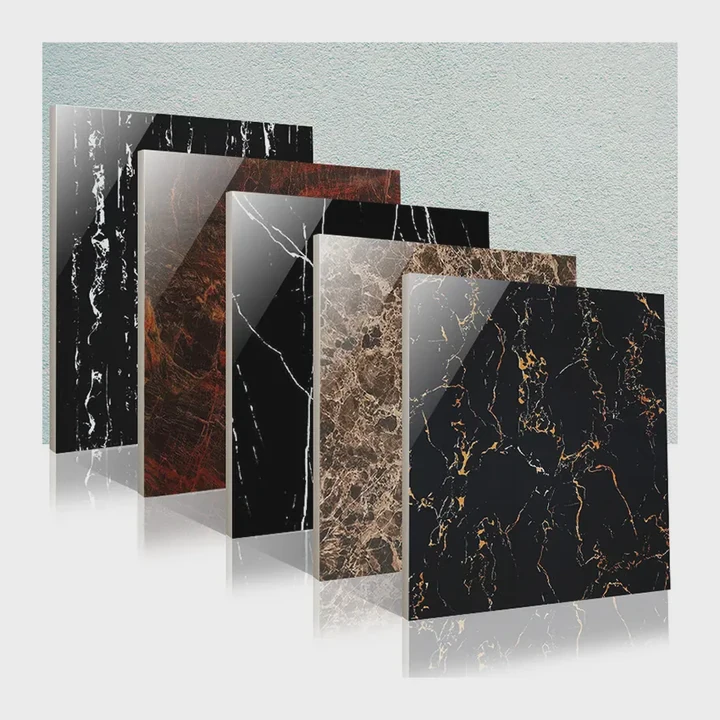
Vinyl tile flooring looks simple, but many buyers feel confused about the real cost. Prices change a lot, and hidden fees often appear later.
The cost to install vinyl tile flooring usually ranges from \(2 to \)7 per square foot, depending on materials, labor, and site conditions.
Many buyers focus only on tile price. But the total project cost includes more parts. Understanding each part helps avoid budget problems and improves decision making.
What factors influence vinyl tile installation cost?
Many buyers think the price is fixed. But the final cost often changes after measurement and inspection.
Vinyl tile installation cost depends on floor condition, room size, tile type, preparation work, and installation complexity.
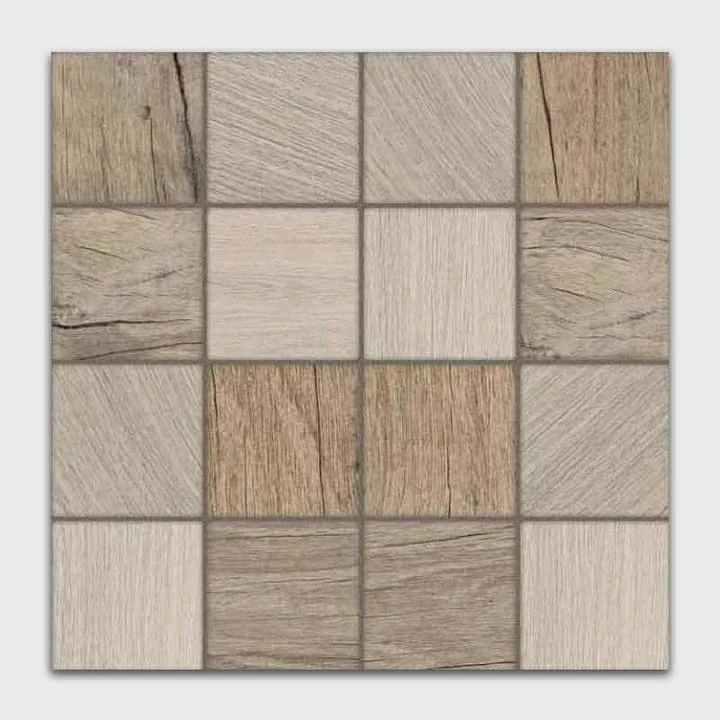
Flooring projects are never the same. Each project has different conditions. These differences directly affect pricing.
Floor condition and preparation
The condition of the subfloor is one of the biggest cost drivers. A smooth and clean surface reduces work. A damaged or uneven floor increases cost.
Common preparation tasks include:
- Removing old flooring
- Leveling uneven surfaces
- Repairing cracks or moisture issues
If the subfloor is poor, preparation can take 30%–50% of the total budget.
Room size and layout
Larger spaces often reduce cost per square foot. This happens because labor becomes more efficient.
However, complex layouts increase costs:
- Small rooms require more cutting
- Irregular shapes waste materials
- Corners and edges take more time
Type of vinyl tile
Different vinyl tile types have different price ranges:
| Tile Type | Cost Range (per sq ft) | Features |
|---|---|---|
| Peel-and-stick | \(1 – \)3 | Easy install, lower durability |
| Click-lock (LVT) | \(2 – \)5 | Floating system, moderate durability |
| Glue-down | \(2 – \)6 | Strong stability, longer lifespan |
Higher-end tiles often have better wear layers and design textures. This increases both material and installation cost.
Installation method
Installation style also matters:
- Floating floors are faster
- Glue-down requires more skill
- Pattern layouts increase labor time
A simple straight layout costs less than diagonal or herringbone patterns.
Location and accessibility
Projects in apartments or high-rise buildings cost more. Transport, elevator access, and working hours all affect pricing.
In some cases, installers charge extra for:
- Limited working space
- Difficult access
- Noise restrictions
All these factors combine to form the final price.
How does labor affect total project pricing?
Many buyers underestimate labor cost. In reality, labor can be half of the total budget.
Labor typically costs \(1 to \)4 per square foot, depending on skill level, location, and project complexity.
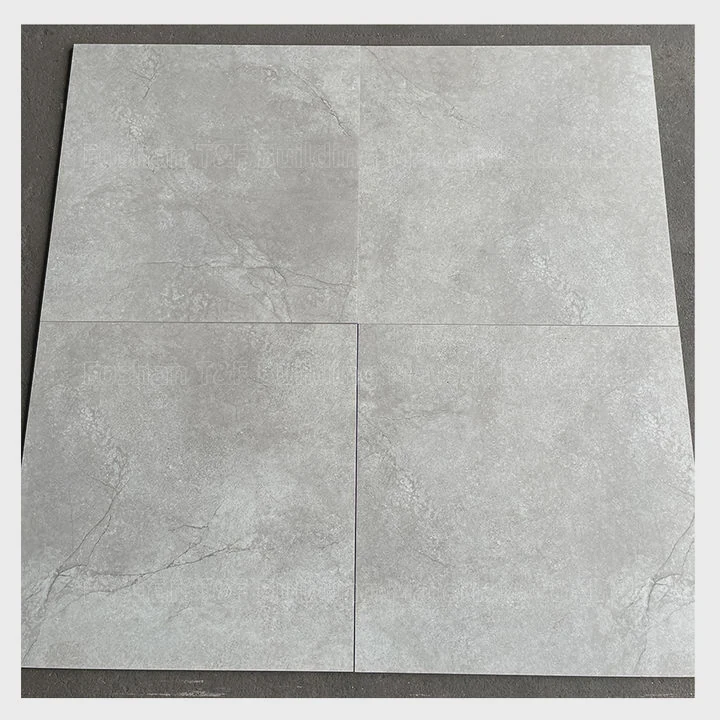
Labor cost is not just about time. It reflects skill, experience, and efficiency.
Skill level and experience
Experienced installers charge more. But they often work faster and produce better results.
Less experienced workers may:
- Take longer
- Make mistakes
- Increase material waste
This can increase total cost in the long run.
Time and project duration
Labor cost is directly linked to time. More complex jobs take longer.
Factors that increase installation time:
- Uneven floors
- Custom patterns
- Tight spaces
A simple 500 sq ft room may take 1–2 days. A complex layout may take 3–5 days.
Regional labor differences
Labor rates vary by region:
| Region | Labor Cost (per sq ft) |
|---|---|
| Southeast Asia | \(1 – \)2 |
| Middle East | \(1.5 – \)3 |
| North America | \(2 – \)4 |
| Europe | \(2.5 – \)5 |
Local wages, demand, and market competition all affect pricing.
Additional labor charges
Some extra services are not included in basic quotes:
- Furniture moving
- Old floor removal
- Skirting installation
- Cleanup
These costs can add 10%–20% to the total budget.
Quality vs cost balance
Cheaper labor may look attractive. But poor installation can cause:
- Gaps between tiles
- Uneven surfaces
- Early wear and damage
Fixing these issues costs more than hiring skilled workers at the start.
Which materials increase installation expenses?
Many buyers focus only on tile price. But additional materials often increase total cost significantly.
Adhesives, underlayment, trims, and waterproof layers can raise installation costs by 20% to 40%.

Material selection affects both performance and budget.
Adhesives and bonding materials
Glue-down vinyl tiles require adhesives. High-quality adhesives cost more but provide better durability.
Cheap adhesives may lead to:
- Tile movement
- Peeling edges
- Moisture issues
Underlayment and base layers
Not all vinyl tiles need underlayment. But in many cases, it improves performance.
Benefits include:
- Noise reduction
- Moisture protection
- Better comfort
This adds extra cost but improves long-term value.
Edge trims and accessories
Finishing materials are often overlooked:
- Transition strips
- Skirting boards
- Edge trims
These small items add up quickly, especially in large projects.
Waterproofing and moisture barriers
In areas like bathrooms or kitchens, waterproofing is important.
Additional layers may include:
- Moisture barriers
- Sealants
- Special adhesives
These materials increase cost but protect the floor.
Premium design features
Some tiles include advanced features:
- Embossed textures
- Stone or wood look designs
- Anti-slip surfaces
These premium features increase price but improve appearance and safety.
Material waste and overage
Installers usually order extra materials. This covers cutting waste and future repairs.
Typical overage:
- 5% for simple layouts
- 10%–15% for complex designs
This extra cost is necessary for a smooth installation process.
Can DIY reduce vinyl tile installation costs?
Many buyers consider DIY to save money. It looks simple, but the reality can be different.
DIY can reduce labor costs, but mistakes, tools, and time often reduce the overall savings.
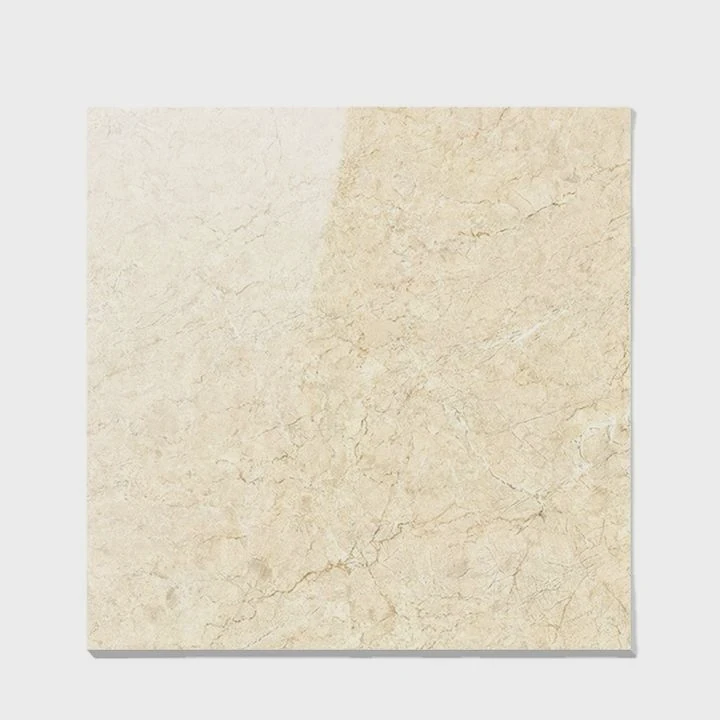
DIY is possible, but it depends on skill and preparation.
Cost savings potential
The biggest advantage is saving labor cost:
- No installer fees
- Flexible working time
This can reduce total cost by 30%–50%.
Tools and equipment costs
DIY still requires tools:
- Cutting tools
- Measuring tools
- Adhesives
- Safety equipment
These tools add extra cost, especially for first-time users.
Risk of mistakes
Common DIY problems include:
- Misaligned tiles
- Uneven surfaces
- Poor cutting accuracy
Mistakes increase material waste and may require rework.
Time investment
DIY takes more time than professional work.
A professional may finish in 2 days. A DIY project may take a week or more.
Time cost is often ignored but still important.
When DIY works best
DIY is suitable for:
- Small rooms
- Simple layouts
- Peel-and-stick tiles
It is less suitable for:
- Large commercial spaces
- Complex patterns
- High-end projects
Long-term cost impact
Poor installation reduces floor lifespan. This leads to:
- Early replacement
- Repair costs
- Customer dissatisfaction
In many cases, professional installation offers better long-term value.
Conclusion
Vinyl tile installation cost depends on many factors, not just tile price. A clear understanding of labor, materials, and project conditions helps control budget and avoid surprises.