Can Hardwood Be Installed Over Tile?
- Sinotiles
- 2026-06-03
Many property owners want new hardwood floors but do not want the mess and cost of removing old tile. That question often comes up during renovation planning.
Yes, hardwood can be installed over tile in many cases, but the tile must be stable, clean, level, and well bonded to the subfloor. The installation method, floor height, moisture conditions, and underlayment requirements also play important roles.
Many people focus only on the hardwood itself. In reality, the condition of the existing tile floor often decides whether the project succeeds or fails. Understanding the tile surface, installation requirements, and long-term performance can help avoid expensive mistakes later.
What Conditions Allow Hardwood Over Tile?
A tile floor may look solid on the surface, yet hidden problems can create issues after hardwood installation. That is why proper inspection should always come first.
Hardwood can be installed over tile when the existing tile is firmly attached, structurally sound, relatively level, free from major cracks, and suitable for the chosen hardwood installation method.
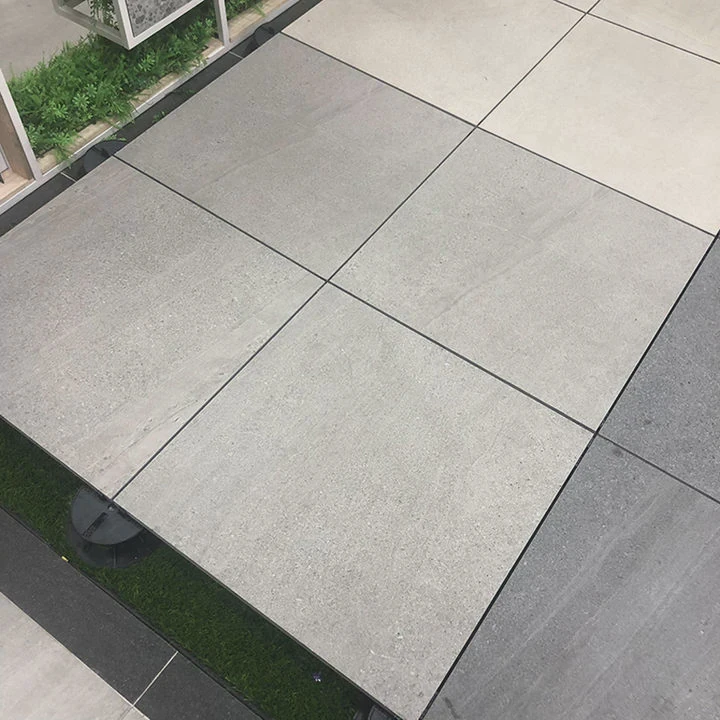
Before moving forward with any hardwood project, I always look at the existing tile as part of the floor structure rather than simply an old finish layer. A successful installation depends on what lies beneath the hardwood.
Check Tile Stability
The first step is checking whether the tile is firmly bonded to the subfloor. Loose tiles can shift over time. That movement can transfer upward and affect the hardwood floor.
Tap tiles with a rubber mallet and listen for hollow sounds. Hollow areas may indicate poor adhesion.
Examine Surface Condition
Cracked or broken tiles do not always mean the project must stop. Small isolated defects can often be repaired. Large areas of damaged tile usually require more extensive preparation.
Key items to inspect include:
| Inspection Area | What to Look For |
|---|---|
| Tile Bond | No loose or moving tiles |
| Surface Damage | Minimal cracks or chips |
| Moisture Issues | No signs of water intrusion |
| Floor Levelness | Smooth and consistent surface |
| Structural Integrity | Stable subfloor beneath tile |
Verify Floor Flatness
Hardwood flooring performs best on a flat surface. Tile floors with large humps, dips, or uneven transitions may create gaps, squeaks, or movement after installation.
Many manufacturers specify acceptable flatness tolerances. Even if the tile feels reasonably level when walking across it, measuring tools may reveal significant variations.
Consider Hardwood Type
Not every hardwood product works the same way.
Engineered hardwood is often more suitable over existing tile because it handles minor substrate variations better than traditional solid hardwood. It can also be installed using floating methods in many situations.
Height and Clearance Considerations
Adding hardwood over tile increases overall floor height. This can affect:
- Interior doors
- Cabinets
- Appliances
- Stair transitions
- Adjacent flooring surfaces
I have seen projects where the tile condition was excellent, yet door clearance problems created unexpected renovation costs.
When the tile is secure, flat, dry, and structurally reliable, hardwood installation over tile can be a practical solution. The key is evaluating the existing floor carefully before making any decisions.
Is Underlayment Required for Installation?
Many people assume hardwood can simply be placed directly on tile. In some cases that may be possible, but underlayment often plays an important role in performance and comfort.
Underlayment is frequently recommended when installing hardwood over tile because it helps improve moisture protection, sound reduction, minor surface correction, and overall floor performance.
The need for underlayment depends on several factors, including the hardwood product, installation method, and site conditions.
Different Installation Methods
Hardwood flooring can be installed using several approaches:
- Floating installation
- Glue-down installation
- Nail-down installation
Floating floors commonly require an underlayment layer. Glue-down systems may not always need one, depending on manufacturer recommendations.
Moisture Protection
Tile itself is not always the problem. Moisture can move through concrete slabs or underlying structures.
An underlayment with moisture-resistant properties can help protect hardwood flooring from long-term damage.
This becomes especially important in:
- Ground-level installations
- Concrete subfloors
- Humid climates
- Areas with previous moisture concerns
Sound Reduction Benefits
One advantage many homeowners notice immediately is improved sound control.
Without underlayment, footsteps can sound louder. A quality underlayment helps absorb impact noise and creates a more comfortable walking experience.
Minor Surface Corrections
Underlayment cannot solve major floor defects. However, it can help accommodate small grout lines and minor surface irregularities.
This creates a more consistent base for the hardwood floor.
Common Underlayment Functions
| Function | Benefit |
|---|---|
| Moisture Barrier | Helps reduce moisture migration |
| Sound Control | Lowers impact noise |
| Cushioning | Improves comfort underfoot |
| Surface Smoothing | Helps bridge minor imperfections |
| Thermal Insulation | Adds slight temperature protection |
Manufacturer Requirements Matter
One lesson I have learned over many flooring projects is that manufacturer instructions should always guide the final decision.
Some engineered hardwood products include attached backing layers and may require different installation procedures.
Others specify:
- Foam underlayment
- Cork underlayment
- Rubber underlayment
- Vapor barriers
- Combination products
Ignoring those requirements may affect warranty coverage.
Cost Versus Long-Term Value
Some installers try to save money by eliminating underlayment where possible. The immediate savings may look attractive.
However, underlayment often improves:
- Comfort
- Noise control
- Durability
- Moisture resistance
Those benefits can become noticeable for many years after installation.
While underlayment is not always mandatory, it is frequently recommended when hardwood is installed over tile. The best approach is matching the underlayment system to the flooring product and site conditions.
Can Tile Unevenness Affect Hardwood Floors?
A beautiful hardwood floor can develop problems quickly when installed over an uneven surface. Many flooring failures begin long before the first plank is laid.
Yes, tile unevenness can significantly affect hardwood floors by causing movement, gaps, squeaks, poor locking performance, premature wear, and visible surface irregularities.
People often focus on the appearance of the tile. What matters more is how flat the surface actually is.
Understanding Floor Flatness
Flatness differs from levelness.
A floor can be perfectly level but still contain bumps and dips. Hardwood flooring needs a flat substrate for proper support.
Large grout joints, uneven tiles, and surface height differences can create challenges.
Problems Caused by Uneven Tile
When hardwood spans unsupported areas, several issues may develop.
Movement and Flexing
Walking pressure can force planks to bend slightly over low spots.
Repeated movement may eventually cause:
- Joint separation
- Locking system damage
- Surface wear
Squeaking Noises
Uneven support points often create friction between flooring components. This friction can lead to squeaks that become more noticeable over time.
Visible Surface Defects
Light entering from windows can reveal imperfections that were difficult to see before installation.
Even small variations may become visible after hardwood is installed.
Grout Lines Can Matter
Deep grout lines create another challenge.
Some floating floor systems can bridge small grout joints successfully. Larger grout depressions may require leveling compounds or other preparation methods.
Evaluating the Surface
I generally recommend checking the floor with a long straightedge before making any installation decision.
This simple step can reveal:
- High spots
- Low spots
- Tile lippage
- Surface transitions
Many issues become obvious once measured properly.
Methods for Correcting Unevenness
Several solutions may be available depending on severity.
Minor Variations
Small defects may be corrected through:
- Underlayment
- Floor patching compounds
- Surface smoothing products
Moderate Variations
More noticeable irregularities often require:
- Self-leveling compounds
- Tile repairs
- Localized grinding
Severe Variations
When the tile floor has major structural issues, removing the tile may be the more practical solution.
Long-Term Performance Risks
Hardwood flooring is an investment. Uneven tile can reduce its lifespan.
Potential consequences include:
- Premature joint failure
- Increased maintenance
- Reduced appearance quality
- Higher repair costs
Many flooring complaints trace back to inadequate subfloor preparation rather than product defects.
A flat, stable substrate gives hardwood the support it needs to perform well. Spending time correcting uneven tile before installation is often far less expensive than repairing flooring problems later.
Why Consider Removing Tile First?
Installing hardwood over tile can save time and labor. Even so, tile removal remains the better option in some situations.
Removing tile first may provide a stronger, flatter, and more predictable foundation for hardwood flooring, especially when the existing tile has structural, height, moisture, or leveling problems.
Many renovation projects start with the goal of avoiding demolition. Yet there are cases where removal creates better long-term results.
Reduced Floor Height
One common reason for tile removal is floor thickness.
When hardwood is installed over tile, the finished floor becomes higher. That additional height can create problems around the home.
Affected areas may include:
- Doors
- Staircases
- Kitchen appliances
- Built-in cabinets
- Floor transitions
Removing tile helps maintain a more consistent floor elevation.
Better Subfloor Inspection
Tile can hide problems underneath.
Potential hidden issues include:
- Moisture damage
- Cracked concrete
- Structural movement
- Subfloor deterioration
Removing the tile allows a complete inspection of the substrate before hardwood installation begins.
Improved Installation Options
Once the tile is removed, installers have greater flexibility.
They can:
- Repair subfloor defects
- Install new underlayment systems
- Improve moisture control
- Achieve better flatness tolerances
This creates a stronger foundation for the hardwood floor.
Long-Term Performance Advantages
While demolition adds upfront cost, it may improve long-term performance.
A properly prepared subfloor often reduces the risk of:
- Squeaks
- Gaps
- Floor movement
- Warranty disputes
When Removal Is Strongly Recommended
Several situations make removal the safer choice.
Extensive Tile Damage
Large areas of cracked or loose tile indicate substrate concerns that should not be ignored.
Moisture Problems
Evidence of moisture requires investigation before hardwood installation.
Covering the issue rarely solves it.
Significant Unevenness
Major height differences often require extensive correction. In some cases, removing the tile becomes simpler than trying to repair it.
Cost Versus Value
Tile removal increases labor costs and project time. That fact cannot be ignored.
However, flooring should be evaluated as a long-term investment.
The decision often comes down to two questions:
- Is the existing tile truly suitable as a substrate?
- Will keeping it create future limitations?
In some homes, installing over tile works perfectly well. In others, removing the tile first provides better value over the life of the floor.
A careful inspection usually reveals which path makes the most sense.
Conclusion
Hardwood can often be installed over tile when the tile is stable, flat, dry, and structurally sound. Underlayment, floor preparation, and moisture control remain important factors. When tile defects, unevenness, or height concerns become significant, removing the tile first may provide the most reliable foundation for a long-lasting hardwood floor.